Are Music Festivals Stupid? Let's Explore the Truth!
Delve into the debate around music festivals with 'Are Music Festivals Stupid? Let's Explore the Truth!' as we examine the pros and cons of these cultural events.
Welcome to the pulsing heart of Los Angeles, where the debate over music festivals rages as fiercely as the beats on the dance floor. The question on everyone's lips: Are music festivals stupid? It's a controversy that has divided fans and skeptics alike, stirring a cultural conversation that we at Hollywood Dynamics find too intriguing to ignore. From the vibrant sprawl of Coachella to the eclectic sounds of FYF Fest, music festivals have become synonymous with LA's entertainment landscape.
Let's set the stage: Music festivals are a melting pot of art, community, and experiences: drawing in crowds with the promise of unforgettable performances and the allure of social camaraderie. But they're not without their critics. Detractors argue that these festivals are overhyped, overpriced, and underwhelming in substance. In this article, we'll explore every angle, examining the arguments to see if these events are truly the cultural milestones they claim to be or if they're just a glorified gathering with a bloated sense of importance.
For those eager to dive deeper into the heart of Hollywood's entertainment scene and discover the many layers behind this debate, visit our website to learn more and get started today! Click here.
The Cultural Impact of Music Festivals on Society

Music festivals are far more than just a weekend of entertainment; they have a cultural impact that reverberates through society. These gatherings serve as a canvas for musical expression, where a diverse lineup of artists can showcase their talents to a wide and often international audience. They act as a barometer for cultural trends, highlighting the popularity of various genres and the rise of new ones, and in many ways, festivals have become cultural landmarks that define the musical zeitgeist of any given year.
Beyond the music, festivals often incorporate elements of art, fashion, and technology, creating a multi-faceted experience that reflects and influences contemporary culture. Festival-goers can witness large-scale art installations, participate in wellness activities, and be exposed to the latest tech innovations, from virtual reality experiences to mobile app integrations that enhance the festival experience.
Moreover, music festivals have become an important economic driver, generating significant revenue for local economies through tourism, employment, and the promotion of local businesses. They can also serve as a platform for social and political expression, providing a space for activism and raising awareness on global issues, thus cementing their role as a societal touchstone that extends beyond mere entertainment.
Evaluating the Economic Benefits of Music Festivals
The economic ripple effect of music festivals is a testament to their value beyond the realm of entertainment. As large-scale events, they require a vast array of services, from sound and lighting technicians to security and vendors, creating a surge in employment opportunities. Local businesses, hotels, and restaurants experience a noticeable uptick in patronage, as thousands of attendees descend upon the festival location, often traveling from afar and injecting new money into the region.
These festivals also foster tourism, drawing visitors who may extend their stay beyond the event itself to explore local attractions, further benefiting the economy. Cities and towns hosting such events often experience a boost in their cultural profile, which can translate into long-term economic growth as the location becomes more attractive for future investments and events. In addition, the increased visibility can lead to a strengthened identity for the community, potentially increasing property values and local pride.
It is not uncommon for festivals to engage in partnerships with local businesses, creating sponsorship opportunities that can be lucrative for both parties. Such collaborations highlight the symbiotic relationship between music festivals and the economic ecosystems of their host locations. The overall economic advantages are clear, as these festivals contribute to the vibrancy and sustainability of local economies while providing an unforgettable experience for attendees.
The Environmental Footprint of Massive Music Gatherings

Massive music gatherings are often scrutinized for their environmental footprint, and for good reason. The congregation of thousands of people in one location, even temporarily, can lead to significant ecological disturbances. One of the most visible impacts is the accumulation of waste, including plastic bottles, food packaging, and discarded camping gear, which can overwhelm local waste management systems and lead to pollution.
Transportation to and from the festival site also contributes to the event's carbon footprint. With attendees travelling from various locations, often using private vehicles or flights, the aggregate emission of greenhouse gases is substantial. Moreover, the energy consumption required to power stages, lighting, and sound systems is immense, and if sourced from non-renewable energy, it can greatly increase the festival's environmental impact.
Water usage is another critical issue, with the need for drinking water, sanitation facilities, and potential irrigation for grounds maintenance placing a strain on local water resources. Soil compaction and damage to local flora and fauna from the foot traffic and infrastructure setup are also concerns, potentially leading to long-term degradation of natural habitats.
Recognizing these issues, many festival organizers are taking steps to mitigate environmental damage. Initiatives include implementing recycling programs, using renewable energy sources, providing incentives for carpooling or using public transportation, and even incorporating environmental education into the festival experience. These efforts are crucial in ensuring that the joy of music festivals does not come at the expense of the planet's health.
Social Dynamics and Personal Experiences at Festivals
The fabric of music festivals is woven with intricate social dynamics and a tapestry of personal experiences. These events serve as a microcosm of society where individuals from diverse backgrounds unite, driven by a shared passion for music and culture. Festivals often foster a sense of community and belonging, as attendees form bonds over favorite acts and shared moments. The spontaneous nature of these gatherings can lead to lifelong friendships, or sometimes, fleeting connections that leave a lasting impression.
On the flip side, festivals can also magnify social pressures and insecurities. The desire to fit in, whether through fashion, knowledge of the music, or participation in the revelry, can be intense. It's not uncommon for individuals to feel overwhelmed by the sheer scale of personalities and the competition to capture the perfect social media moment. Additionally, the crowded environment can be both exhilarating and exhausting, challenging one's personal space and comfort levels.
Personal growth is another facet of the festival experience. For many, these events are a rite of passage, a test of independence, and a chance to explore new aspects of one's identity. The immersive environment allows for self-expression and the freedom to embrace one's individuality away from the constraints of daily life. However, this liberation can sometimes lead to risky behaviors, as the party atmosphere and availability of substances pose their own set of challenges and temptations.
Ultimately, the experiences garnered at music festivals are as varied as the attendees themselves. They can be moments of pure joy and discovery, or times of introspection and learning. Recognizing the complex social dynamics at play is essential for understanding the cultural significance of these events and the profound impact they can have on an individual's life.
Concluding Thoughts: The True Value of Music Festivals
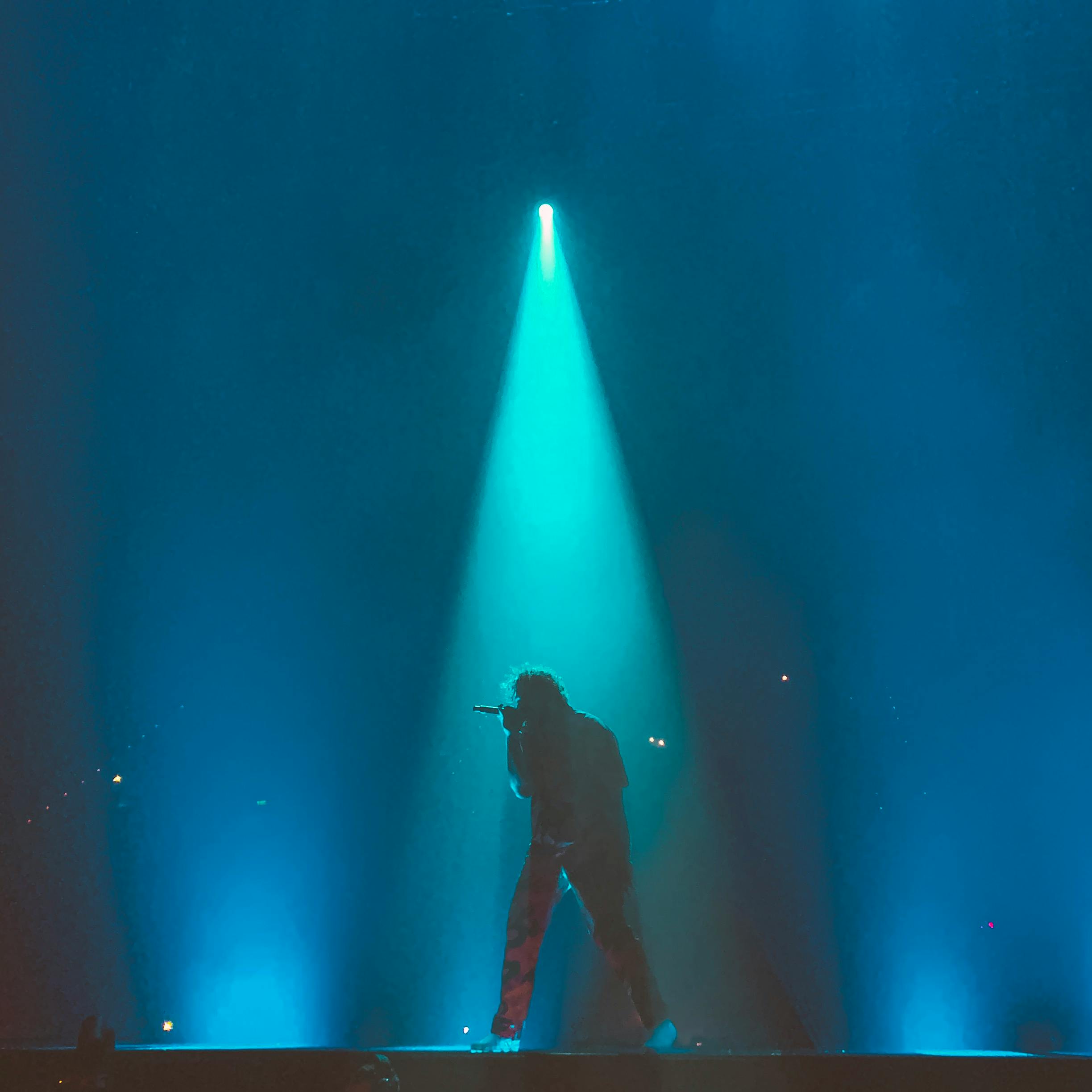
As we reach the coda of our exploration into the world of music festivals, it's clear that these events hold more than just superficial value. Festivals are not merely extravaganzas of sound and spectacle; they are fertile grounds for cultural exchange, artistic expression, and personal transformation. The true value of music festivals lies in their ability to bring people together in celebration of the universal language of music, forging connections that transcend the ordinary boundaries of daily life.
It is within the pulsating heart of festivals that one can find moments of unity amidst diversity, as attendees from all walks of life share in the collective experience. These events act as catalysts for creativity, showcasing emerging talents alongside established icons and offering a platform for artists to connect with audiences on a grand scale. The immersive nature of festivals also provides a temporary escape from reality, granting participants the chance to live in a space where the usual rules are suspended, and new possibilities can unfold.
While the debate over whether music festivals are stupid may persist, it's important to acknowledge the depth and breadth of what these gatherings represent. They are more than just parties; they are snapshots of cultural zeitgeist, reflections of societal shifts, and opportunities for individual growth. For many, the memories and experiences gained at music festivals become cherished treasures, emblematic of youth, freedom, and the joy of being alive.
For readers intrigued by the multifaceted world of music festivals and seeking to delve deeper into the heart of Los Angeles' vibrant culture, visit our website to learn more and get started today! Click here.