Discover Music Festivals: Your Ultimate Wiki Guide!
Explore our ultimate wiki guide to music festivals, covering history, types, top festivals, essential tips, and future trends in the vibrant music scene.
The world of music festivals is a vibrant tapestry woven with diverse genres, cultures, and experiences. These festivals have evolved from small, localized gatherings into grand spectacles that attract thousands of fans from around the globe. They serve as a celebration of music and community, offering attendees a chance to connect over shared passions.
Historically, music festivals emerged as platforms for artists to showcase their talents and for audiences to enjoy live performances in a communal setting. Events like Woodstock in 1969 marked pivotal moments in music history, symbolizing the power of music as a unifying force. Today, festivals such as Coachella, Glastonbury, and Lollapalooza continue this legacy, incorporating an array of activities that go beyond music, including art installations, workshops, and culinary experiences.
The impact of music festivals is profound. They not only contribute significantly to the local economy: boosting tourism and creating jobs: but also foster cultural exchange and community building. Attendees often leave with lasting memories, new friendships, and a deeper appreciation for various musical genres.
As we explore the multifaceted world of music festivals, we encourage you to visit our website to learn more and get started today! Click here.
A Brief History of Music Festivals Around the World
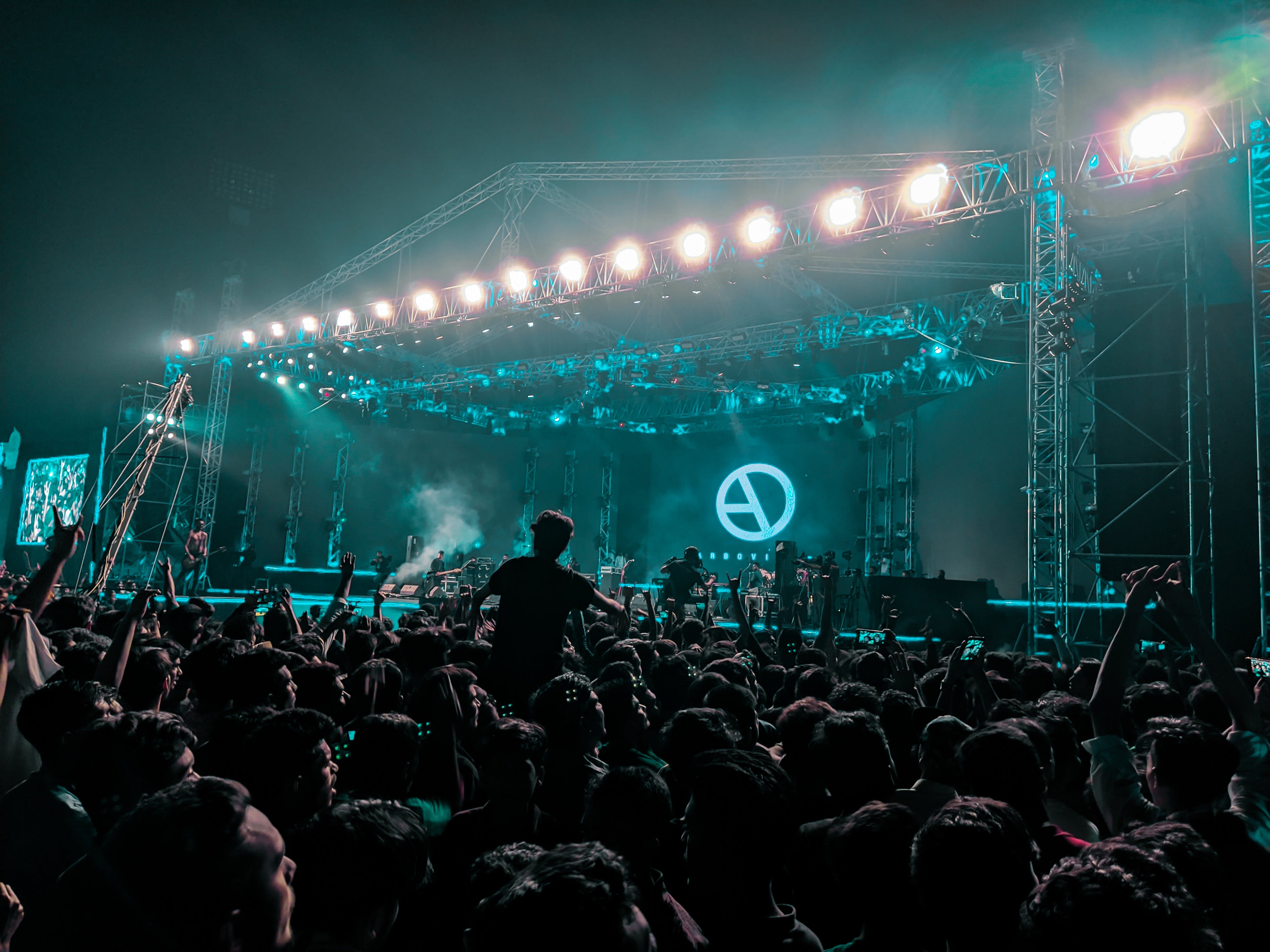
The origins of music festivals can be traced back to ancient times, where community gatherings featured music as a central element of celebration. From the Greek amphitheaters to the religious festivals of the Middle Ages, music played a vital role in cultural expression and social cohesion.
In the 20th century, the concept of music festivals began to take on a more modern form. The 1950s and 1960s heralded a new era of large-scale events, notably with the Newport Jazz Festival in Rhode Island, which showcased legendary artists like Duke Ellington and Ella Fitzgerald. This laid the groundwork for the iconic Woodstock Festival in 1969, which not only defined a generation but also established the model for contemporary music festivals.
As the decades progressed, the festival landscape diversified significantly. The 1970s and 1980s saw the rise of rock festivals, such as Glastonbury in the UK, which began as a small gathering and has since evolved into one of the largest and most celebrated festivals worldwide. The 1990s brought electronic music to the forefront with events like Rave festivals, while the 2000s saw the emergence of multi-genre festivals like Coachella, which blends music, art, and cultural experiences.
Today, music festivals encompass a wide range of genres and themes, reflecting the diverse musical landscape and the interests of audiences around the world. They serve as platforms for emerging artists and established acts alike, continuing the tradition of celebration and community.
Different Types of Music Festivals Explained
Music festivals come in various forms, each catering to different genres, audiences, and experiences. Understanding the distinct types of music festivals can enhance your festival-going experience and help you choose the right one for your tastes.
- Genre-Specific Festivals: These festivals focus on a particular genre, offering a deep dive into specific musical styles. Examples include Jazz Fest in New Orleans and the Country Music Association Festival in Nashville, where fans can immerse themselves in their favorite sounds.
- Multi-Genre Festivals: These events feature a diverse lineup of artists from various genres, appealing to a broader audience. Coachella and Glastonbury are prime examples, showcasing everything from rock to hip-hop to electronic dance music.
- Local and Cultural Festivals: Often celebrating regional music and traditions, these festivals highlight local talent and cultural heritage. Festivals like the New Orleans Jazz & Heritage Festival celebrate the rich musical history and cultural diversity of their locations.
- Destination Festivals: These are held in unique locations, enticing attendees with both the music and the setting. Events like the Burning Man festival in Nevada or Tomorrowland in Belgium attract visitors from all over the world, combining adventure and music.
- Intimate Festivals: Smaller, boutique festivals provide a unique experience with limited attendance, allowing for closer interactions with artists and a more personal atmosphere. Pickathon in Oregon is known for its cozy vibes and emphasis on sustainability.
Each type of festival offers a unique experience, making it essential to explore different options to find the perfect fit for your musical journey.
Top Music Festivals You Should Experience

When it comes to music festivals, there are a few standout events that have earned their place on every music lover's bucket list. Here are some of the top music festivals that you absolutely should experience:
- Coachella Valley Music and Arts Festival: Held annually in Indio, California, Coachella is a multi-genre festival that attracts thousands of fans and features major artists and emerging talent alike. Known for its art installations and celebrity sightings, Coachella is a cultural phenomenon.
- Glastonbury Festival: This iconic UK festival is famous for its diverse lineup and vibrant atmosphere. Set on a sprawling farm, Glastonbury features everything from rock and pop to dance and spoken word, making it a must-visit for any music enthusiast.
- Tomorrowland: Held in Belgium, Tomorrowland is a paradise for electronic dance music fans. With its elaborate stage designs and stunning visuals, the festival transports attendees to a magical realm filled with beats and bass drops.
- Burning Man: Although not a traditional music festival, this week-long event in the Nevada desert includes a vast array of music and performances. Participants create a temporary community centered around art, self-expression, and music, making it a unique experience.
- Electric Daisy Carnival (EDC): Taking place in Las Vegas, EDC is one of the largest electronic dance music festivals in the world. Known for its carnival-like atmosphere, featuring rides and art installations, EDC is an immersive experience that combines music with a vibrant visual spectacle.
These festivals not only celebrate music but also foster a sense of community and connection among attendees, making each of them a memorable experience in their own right.
Essential Tips for Attending Music Festivals

Attending a music festival can be a thrilling experience, but it also requires some preparation to ensure you make the most of your time. Here are some essential tips for navigating these vibrant events:
- Plan Ahead: Research the lineup and schedule ahead of time. Prioritize the artists you want to see and create a daily plan to avoid missing your favorites.
- Stay Hydrated: Festivals can be physically demanding, especially during hot weather. Bring a reusable water bottle to refill throughout the day, and remember to drink plenty of fluids.
- Dress Appropriately: Wear comfortable clothing and footwear that can handle long hours of standing and walking. Consider the weather and pack layers if necessary. Don’t forget essentials like sunblock and a hat!
- Budget Wisely: Festivals can be expensive, so set a budget for food, merchandise, and other expenses. Look for cashless payment options to simplify transactions.
- Arrive Early: Getting to the festival grounds early can help you avoid long lines and secure a good spot for your favorite acts. It also gives you time to explore the festival’s layout and amenities.
- Stay Connected: Designate a meeting spot for your group in case you get separated. Consider using a portable charger for your phone to stay connected throughout the day.
By following these tips, you can enhance your festival experience, making it not only enjoyable but also memorable. Embrace the atmosphere, connect with fellow fans, and immerse yourself in the music!
Future Trends in the Music Festival Scene

The music festival scene is constantly evolving, influenced by technological advancements, cultural shifts, and changing audience preferences. As we look to the future, several key trends are emerging that will shape the way we experience music festivals:
- Hybrid Festivals: The pandemic accelerated the adoption of virtual experiences. Expect to see more festivals offering hybrid formats, combining in-person attendance with live-streamed performances for global audiences.
- Eco-Friendly Practices: Sustainability is becoming a priority for many festival organizers. From reducing waste and promoting recycling to using renewable energy sources, the future of festivals will focus on minimizing their environmental impact.
- Technology Integration: Enhanced experiences through augmented reality (AR) and virtual reality (VR) are on the rise. These technologies can provide unique ways to engage with performers and the festival environment, elevating the overall experience.
- Diversity in Lineups: As the music industry becomes more inclusive, festivals are increasingly featuring diverse lineups that reflect various genres, cultures, and backgrounds. This trend will continue to foster a more welcoming atmosphere for attendees.
- Personalized Experiences: With advancements in data analytics, festivals will start offering personalized schedules and recommendations to attendees, enhancing their experience based on individual preferences.
These trends indicate a future where music festivals are not just about the music, but also about community, sustainability, and innovation. Stay ahead of the curve and immerse yourself in the evolving world of music festivals. Visit our website to learn more and get started today! Click here.