Discover the Best Entertainment Industry in Africa!
Explore the vibrant entertainment industry in Africa, highlighting its unique talents, trends, and contributions to global culture.
Africa's entertainment landscape is a vibrant tapestry woven with rich cultures, diverse talents, and groundbreaking innovations. Spanning a continent with over 50 countries, the entertainment industry in Africa showcases a plethora of artistic expressions, from music and film to fashion and theater. This dynamic sector has gained significant traction in recent years, establishing itself as one of the most exciting and influential entertainment industries globally.
The rise of social media and digital platforms has played a crucial role in propelling African talent onto the world stage. Artists and creators are leveraging these tools to reach wider audiences, share their stories, and connect with fans beyond geographical boundaries. Notable movements such as Afrobeats, Nollywood, and Kwaito have not only captured local attention but have also started to dominate international charts and festivals.
In addition to music and film, Africa is also home to a burgeoning comedy scene and innovative content creators who are redefining the narrative of African storytelling. This thriving industry is not only a source of entertainment but is also a vital contributor to the continent's economy, creating jobs and fostering entrepreneurship.
As we delve deeper into the intricacies of the best entertainment industry in Africa, we invite you to explore the unique stories and talents that are shaping this vibrant scene. Visit our website to learn more and get started today! Click here.
Key Players Shaping the African Entertainment Scene

The African entertainment scene is bolstered by a multitude of influential figures who are driving innovation and creativity across various mediums. From artists and filmmakers to producers and entrepreneurs, these key players are instrumental in shaping the continent's artistic landscape.
One of the most notable figures is Davido, a Nigerian recording artist who has achieved global recognition for his Afrobeats sound. His ability to blend traditional African rhythms with contemporary pop elements has not only earned him numerous awards but also paved the way for other artists in the genre.
In the world of film, Kunle Afolayan stands out as a pioneer. As a director and producer, he has played a vital role in elevating Nollywood's international profile through critically acclaimed films that explore the rich narratives of African culture. Afolayan's work has opened doors for many filmmakers to tell their stories on a global platform.
Additionally, producers like Raphael A. T. Tchao are contributing significantly to the growth of the African entertainment industry by forging partnerships with international studios, thus enhancing the quality and reach of African productions. This collaborative spirit is essential in promoting African stories to a wider audience.
Furthermore, digital platforms such as Netflix and Showmax are investing heavily in African content, providing a much-needed avenue for creators to showcase their work. These platforms are not only helping to popularize African cinema but also encouraging a new generation of filmmakers and storytellers to emerge.
With a rich pool of talent and a growing appreciation for African culture worldwide, the key players in the entertainment industry continue to influence trends and inspire future generations.
Diverse Genres and Unique Cultural Influences
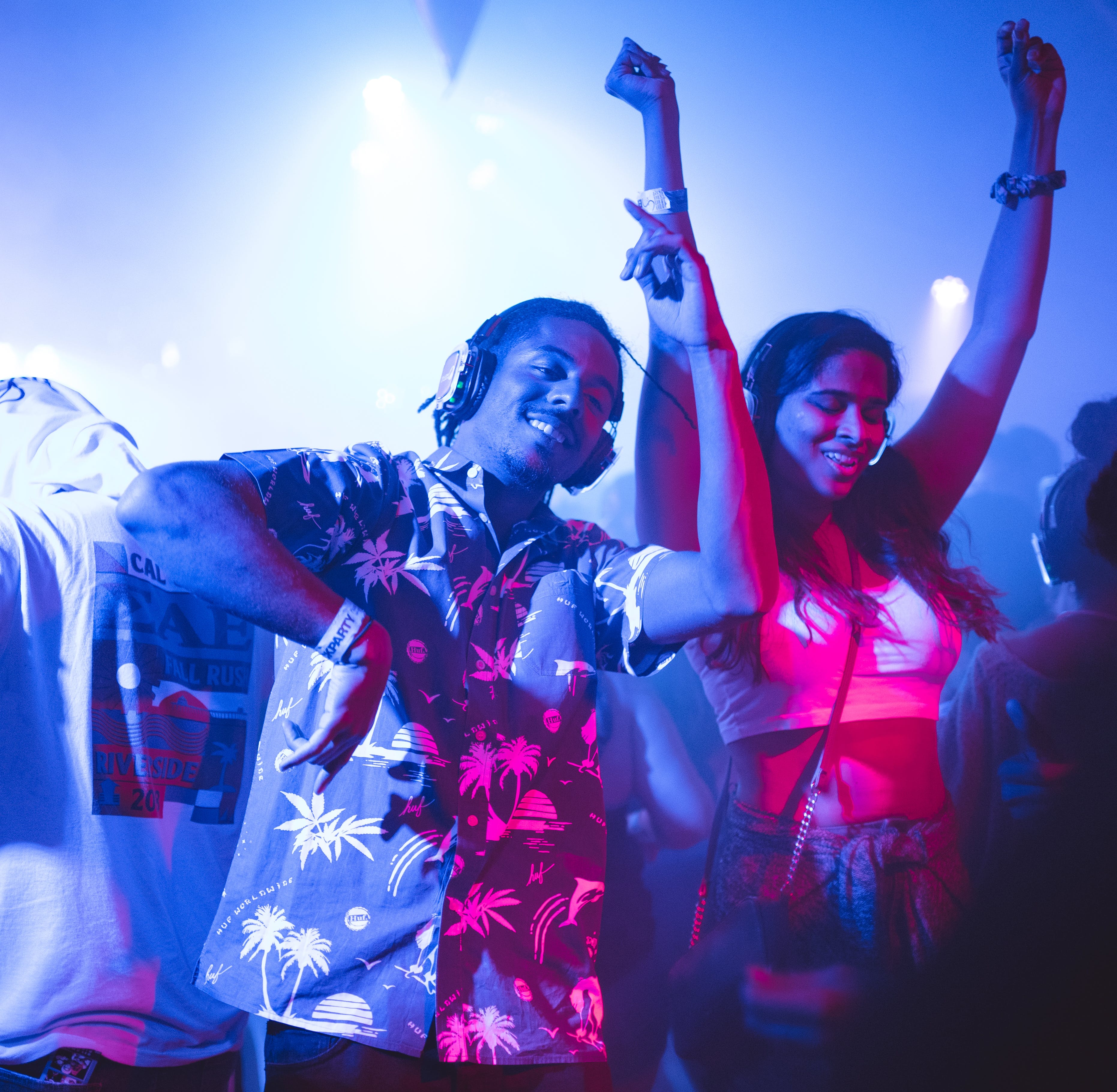
The entertainment industry in Africa is a vibrant tapestry of diverse genres and unique cultural influences that reflect the continent's rich heritage. From music and film to literature and visual arts, these genres not only entertain but also serve as a medium for social commentary and cultural expression.
In music, genres such as Afrobeats, Highlife, and Gqom showcase the continent's ability to blend traditional sounds with modern influences. Artists like Burna Boy and Wizkid have propelled Afrobeats to the international stage, captivating audiences with infectious rhythms and beats that tell stories of love, struggle, and resilience.
When it comes to film, the African cinema landscape is characterized by a variety of styles, ranging from dramatic narratives to comedies and documentaries. The Ghanaian film industry, for example, has gained recognition for its relatable storylines that often reflect societal issues, while Nollywood, Nigeria's booming film sector, is known for its prolific output and ability to tackle everything from romance to political themes.
The influence of cultural heritage is also evident in literature, where authors draw inspiration from oral traditions and folklore. Writers like Chinua Achebe and Ngũgĩ wa Thiong'o have made significant contributions to world literature, weaving African narratives into their works and addressing themes of colonialism, identity, and social justice.
Moreover, visual arts are thriving in Africa, with artists using traditional techniques and contemporary styles to create compelling pieces that resonate both locally and globally. The incorporation of local materials and methods, such as beadwork and textile arts, emphasizes the importance of cultural identity in modern artistic expressions.
As these diverse genres continue to evolve, they not only entertain but also educate and inspire, showcasing the profound cultural influences that make the African entertainment industry truly unique.
The Role of Technology in Africa's Entertainment Growth

Technology plays a pivotal role in the rapid growth of Africa's entertainment industry, transforming how content is created, distributed, and consumed. The advent of digital platforms has revolutionized access to music, films, and other forms of entertainment, enabling artists and creators to reach broader audiences than ever before.
Streaming services such as Netflix and Showmax have made significant inroads into the African market, offering a platform for local filmmakers and actors to showcase their talents to a global audience. These platforms not only feature original African content but also support local productions, thereby enhancing the visibility of indigenous stories and cultures.
Moreover, social media has emerged as a powerful tool for artists to engage with fans and promote their work. Platforms like Instagram, Twitter, and YouTube allow creators to share their content, connect with audiences, and build personal brands. This democratization of media enables independent artists to gain recognition without the need for traditional gatekeepers, thus fostering a more diverse entertainment landscape.
The rise of mobile technology further amplifies this growth. With a significant portion of Africa's population accessing the internet via smartphones, mobile apps for music streaming and video sharing have become increasingly popular. Services like MTN Music+ and Boomplay cater specifically to the needs of African users, providing tailored content that resonates with local tastes and preferences.
Additionally, the use of advanced production technologies has improved the quality of African films and music. Equipment that was once expensive and difficult to access is now more readily available, enabling creators to produce high-quality content that meets international standards. This has helped elevate the perception of African entertainment on a global scale.
As technology continues to evolve, it will undoubtedly play an even more significant role in shaping the future of the entertainment industry in Africa, fostering innovation and creativity in ways that were previously unimaginable.
Challenges Facing the African Entertainment Industry
Despite the promising growth of the entertainment industry in Africa, several challenges hinder its full potential. One major issue is the lack of adequate funding for many creative projects. While there is a growing number of local investors interested in the entertainment sector, access to financing remains limited, particularly for independent filmmakers and musicians. This financial barrier can stifle creativity and innovation, preventing talented individuals from bringing their visions to life.
Another significant challenge is the issue of piracy, which poses a threat to revenue generation for artists and production companies. With the rise of digital content sharing, unauthorized distribution of films, music, and other media has become rampant. This not only diminishes profits for creators but also discourages investment in new projects, as many stakeholders fear their work will be illegally copied and distributed.
Additionally, there is often a lack of infrastructure to support the growth of the entertainment industry. In many regions, inadequate facilities for film production, poor internet connectivity, and limited access to advanced technology can impede the creative process. This lack of infrastructure can also affect distribution channels, making it difficult for content to reach audiences both locally and internationally.
Regulatory challenges also play a significant role in stifling the industry. Inconsistent policies, censorship, and lack of supportive frameworks can create an uncertain environment for artists. This unpredictability can deter both local and foreign investors, further complicating the already challenging landscape.
Finally, the competition from established global entertainment markets creates pressure on local creators. As international content floods the market, African artists must find ways to distinguish themselves and their stories while competing for the attention of audiences who are increasingly inundated with options.
Addressing these challenges is crucial for the sustainable development of Africa's entertainment industry. By fostering an environment that supports creativity, protects intellectual property, and invests in infrastructure, the continent can unlock the full potential of its rich cultural heritage.
Future Prospects for Africa's Entertainment Landscape

Looking ahead, the future prospects for Africa's entertainment landscape appear bright, as the continent continues to harness its rich cultural diversity and untapped talent. With an increasing number of platforms dedicated to showcasing African content, such as Netflix and Amazon Prime Video, there is a growing global interest in African stories and creativity. This exposure not only offers local creators a chance to reach wider audiences but also highlights the unique narratives that Africa has to offer.
Moreover, the rise of digital media is transforming how content is produced and consumed across the continent. Social media platforms and streaming services have empowered artists to connect directly with their fans, bypassing traditional gatekeepers. This democratization of content creation allows for a multitude of voices to be heard and enables lesser-known talent to gain recognition.
Investment in local talent and infrastructure is also on the rise. Governments and private investors are beginning to recognize the economic potential of the entertainment sector. Initiatives aimed at providing funding, training, and resources for aspiring artists can significantly bolster the industry. Additionally, partnerships with international studios can facilitate knowledge exchange, helping local talents to refine their skills and production quality.
The increasing collaboration between African countries in terms of co-productions and cultural exchanges can further enhance the entertainment ecosystem. Such alliances can lead to richer storytelling and greater representation, paving the way for a more vibrant and interconnected African entertainment scene.
As the landscape evolves, there will be a continued emphasis on preserving cultural heritage while embracing modernity. This balance will be crucial in creating content that resonates with both local and international audiences.
To stay informed about the dynamic changes in Africa's entertainment sector and discover unique stories, visit our website to learn more and get started today! Click here.