Discover What Are The Most Popular Music Festivals!
Explore the most popular music festivals around the world, discovering iconic events, genres, and tips for festival-goers in this comprehensive guide.
As the rhythm of the world continues to evolve, so does the culture surrounding live music events. Music festivals have become a staple in the entertainment landscape, drawing in millions of people each year from all walks of life. These gatherings are not just about the *music*; they encapsulate a unique blend of community, creativity, and culture that resonates deeply with attendees.
When we talk about what are the most popular music festivals, we dive into a variety of iconic events that showcase an array of genres, from rock and pop to electronic dance music and beyond. Each festival offers its own distinctive experience, often set against breathtaking backdrops that enhance the overall atmosphere. Festivals like Coachella, Glastonbury, and Tomorrowland have not only gained international acclaim but have also set trends within the music industry and beyond.
For those looking to immerse themselves in this vibrant scene, understanding the nuances of these events is crucial. Whether you’re a seasoned festival-goer or a newcomer, knowing what to expect can significantly enhance your experience. With this guide, we aim to explore the most popular music festivals, their defining characteristics, and tips that will help you make the most of your time.
Visit our website to learn more and get started today! Click here.
Top Music Festivals Around the World

Across the globe, music festivals have become synonymous with *celebration*, *art*, and *community*. Some festivals have transcended borders, drawing attendees from different continents to experience their unique blend of music, culture, and atmosphere. Here are a few of the top music festivals around the world that have earned their places in the hearts of music lovers:
- Coachella Valley Music and Arts Festival - Held annually in California, Coachella is renowned for its eclectic lineup that spans various genres and its stunning art installations. Attendees dress to impress, making it as much about fashion as it is about music.
- Glastonbury Festival - This iconic UK festival is a five-day event that showcases everything from rock to hip-hop. Known for its commitment to sustainability, Glastonbury promotes eco-friendly practices while hosting a diverse array of performers.
- Tomorrowland - A mecca for electronic dance music fans, Tomorrowland in Belgium is famous for its elaborate stage designs and immersive experience. The festival attracts top DJs and offers a magical atmosphere filled with vibrant energy.
- Burning Man - While not a traditional music festival, Burning Man in Nevada is an artistic gathering that features music along with art installations and community-building activities. It’s a unique experience that emphasizes self-expression and creativity.
- Montreux Jazz Festival - Located in Switzerland, this festival has a rich history and features a wide variety of jazz and rock artists. The picturesque setting along Lake Geneva adds to its charm, making it a must-visit for music enthusiasts.
These festivals not only provide unforgettable experiences but also foster a sense of belonging and connection among attendees. Whether you’re dancing in the desert or swaying under the stars, each of these events offers something truly special for every music lover.
Impact of Music Festivals on Culture
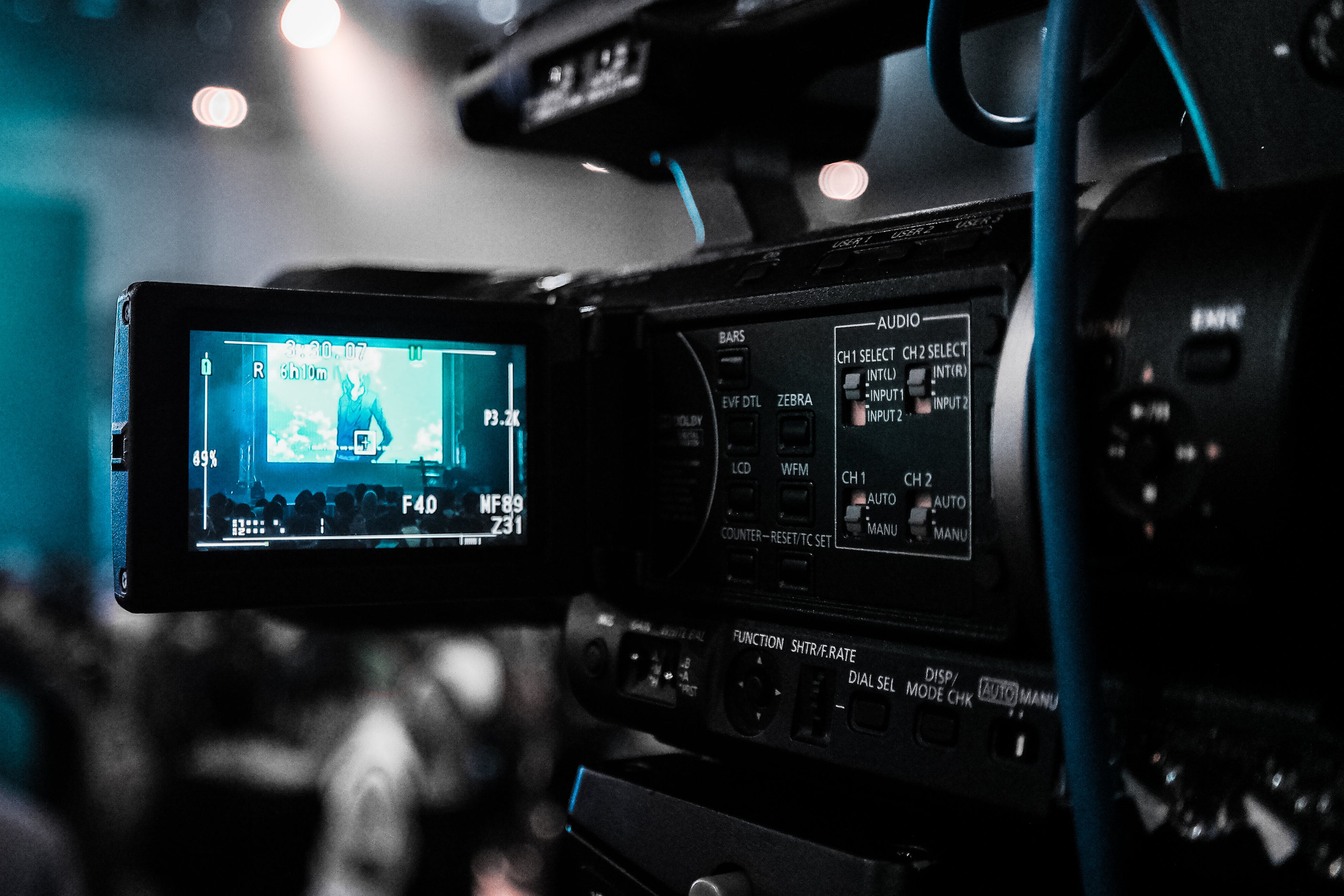
Music festivals are more than just gatherings of artists and fans; they serve as *cultural phenomena* that profoundly influence society and the arts. The impact of music festivals on culture can be seen in various dimensions, from shaping musical trends to fostering *community engagement* and promoting *social causes*.
One of the most significant effects is the way festivals promote *diversity* and *inclusion*. By showcasing artists from multiple genres and backgrounds, these events create an environment that celebrates cultural differences. This exposure not only broadens audiences’ musical tastes but also encourages acceptance and understanding among diverse groups.
Moreover, festivals often become *catalysts for social change*. Many music festivals integrate activism into their programming, using their platforms to raise awareness about pressing issues such as climate change, equality, and mental health. For example, festivals like Glastonbury and Coachella have featured *activist speakers* and partnered with organizations to promote various social causes, inspiring attendees to take action in their communities.
Furthermore, the economic impact of music festivals cannot be overstated. These events generate substantial revenue for local economies through tourism, hospitality, and job creation. Cities hosting major festivals often see an influx of visitors, which boosts local businesses and fosters a vibrant cultural scene.
In summary, music festivals play a vital role in shaping cultural norms and values, creating spaces for expression, and driving social change. Their influence extends far beyond the music, making them essential elements in the fabric of contemporary society.
Genres That Define Music Festivals
Music festivals are renowned for their ability to showcase a wide array of genres, each contributing to the festival landscape in unique ways. The diversity of *musical styles* not only attracts varied audiences but also enhances the overall experience, allowing attendees to explore new sounds and cultural expressions.
One of the most popular genres associated with festivals is *rock music*. Iconic festivals like *Woodstock* and *Glastonbury* have defined the rock genre's evolution, featuring legendary bands and fostering a sense of *rebellion* and freedom. The energetic atmosphere of rock festivals creates a communal spirit, uniting fans through their shared love for the music.
Similarly, *electronic dance music (EDM)* has surged in popularity over the past two decades, giving rise to massive festivals such as *Tomorrowland* and *Ultra Music Festival*. These events are characterized by their elaborate stage productions, light shows, and a vibrant party atmosphere, attracting a younger demographic eager to experience the thrill of live DJ sets and immersive environments.
*Hip-hop festivals* have also carved out a significant niche, with events like *Rolling Loud* and *Made in America* showcasing the genre's top artists and emerging talents. These festivals often feature a blend of music, culture, and fashion, reflecting hip-hop's deep roots in *urban culture* and its evolving narrative.
Additionally, *country music festivals* such as *Stagecoach* celebrate the genre's rich storytelling tradition while creating a sense of community among fans. The welcoming atmosphere and camaraderie at country festivals emphasize shared values and connection through music.
Ultimately, the variety of genres represented at music festivals contributes to their *cultural significance*, making them essential platforms for musical exploration and expression. Each festival serves as a reflection of the genre it represents, offering attendees a unique opportunity to immerse themselves in diverse musical worlds.
Tips for Attending Music Festivals
Attending a music festival can be an exhilarating experience, but to make the most of it, preparation is key. Whether you're a first-timer or a seasoned festival-goer, these *essential tips* will help you navigate the event smoothly and ensure you have an unforgettable time.
First and foremost, consider your *outfit*. Festivals often involve hours of standing, dancing, and exploring in various weather conditions. Opt for comfortable clothing and sturdy footwear that you can wear throughout the day. Additionally, layering is advisable as temperatures can fluctuate. Don’t forget to accessorize with a hat and sunglasses to protect yourself from the sun!
Next, staying *hydrated* is crucial. Most festivals have water stations, so bring a reusable water bottle to refill throughout the event. Dehydration can quickly dampen your festival experience, especially in hot weather. Also, be mindful of your nutrition; pack snacks that are easy to carry, like granola bars or trail mix, to keep your energy levels up between performances.
Planning your schedule ahead of time is another important aspect. Take a look at the festival lineup and create a rough itinerary of the artists you want to see. Festivals can be overwhelming with multiple stages and acts performing simultaneously, so knowing your must-see artists can help avoid missing out on your favorites.
Don’t forget to consider your *accommodation*. If you’re traveling from out of town, book your accommodation in advance, whether it’s a hotel, campsite, or Airbnb. Proximity to the festival site can save you time and hassle, allowing for a more relaxed experience.
Lastly, embrace the festival culture by engaging with fellow attendees. Music festivals are a fantastic opportunity to meet new people who share your passion for music. Be open to new experiences and make connections that could last well beyond the festival itself!
Future Trends in Music Festivals
As the music industry continues to evolve, so too do music festivals. The landscape of festival experiences is being reshaped by emerging technologies, shifting cultural norms, and changing audience expectations. Here’s a look at some of the *future trends* likely to shape music festivals in the coming years.
One major trend is the *integration of technology*. Virtual reality (VR) and augmented reality (AR) are becoming increasingly popular, offering immersive experiences that enhance live performances. Imagine being able to experience a concert from the comfort of your home through a VR headset, or using AR to interact with festival art installations. This technology not only provides alternative access to performances but also allows for creative storytelling that captivates audiences.
Another exciting development is the emphasis on *sustainability*. As environmental concerns grow, many festivals are adopting eco-friendly practices. From using renewable energy sources to implementing waste-reduction strategies, festivals are making strides to minimize their carbon footprint. Attendees can expect to see more initiatives aimed at promoting sustainability, such as encouraging the use of public transport and offering recycling programs.
Additionally, the concept of *wellness* at festivals is gaining traction. Organizers are increasingly incorporating wellness activities such as yoga sessions, meditation, and mental health workshops into the festival experience. This trend acknowledges the importance of holistic well-being amidst the excitement of music and socializing.
Finally, the rise of *diversity and inclusivity* in lineups and programming is becoming a priority. Festivals are more focused on representing a wide range of artists across different genres and backgrounds, creating a more diverse and inclusive atmosphere. This not only enriches the festival experience but also reflects the changing dynamics of the music industry.
For those eager to stay ahead of the curve, it's essential to keep an eye on these trends as they unfold. The future of music festivals promises to be innovative and transformative, offering exciting new experiences for attendees. Visit our website to learn more and get started today! Click here.