Ever Wonder How Long Music Festivals Last?
Uncover the duration of music festivals with 'Ever Wonder How Long Music Festivals Last?' From multi-day extravaganzas to single-day events, get the inside scoop on festival lengths.
Welcome to the vibrant world of music festivals, where the beats go on for as long as the spirit of the attendees. When it comes to how long do music festivals last, there is no one-size-fits-all answer. The duration of these musical gatherings can vary greatly, from single-day concerts to week-long extravaganzas that become the temporary homes for music lovers.
For those eager to dive into the festival scene, understanding the typical lengths of these events is crucial for planning and preparation. Whether you're a seasoned festival-goer or a curious newcomer looking to experience your first live music event, it's important to know what to expect. Festivals can range from the famous day-long Coachella Music & Arts Festival to the immersive experience of Burning Man, which spans over a week.
Discover more about these thrilling events and get started today by exploring our insights into the music festival phenomenon. Stay tuned as we delve into the various factors that influence how long music festivals last, and what that means for you as you plan your next musical adventure.
The Standard Length of Music Festivals

The typical music festival is often a multi-day event, usually spanning two to three days over a weekend. This format allows attendees to immerse themselves in a curated world of music, art, and community. Festivals such as Lollapalooza in Chicago and Bonnaroo in Tennessee offer a standard model of three to four days, providing a balance between an extended experience and the practicality of attendees' time commitments.
During these events, festival-goers can enjoy a variety of performances across multiple stages, with headliners usually spread out to close each night with a bang. Days are often scheduled with overlapping sets, ensuring that there is always live music to be heard, regardless of the time or your location within the festival grounds. This structure is designed to give attendees a full spectrum of performances, from up-and-coming artists to international superstars.
It's important to note that the standard length may also be affected by the festival's location and local regulations, which can dictate curfews and operational hours. Therefore, while the two to three-day format is a common guideline, the daily duration of a festival's activities can vary significantly from one event to another.
Factors Influencing Music Festival Duration

When pondering how long music festivals last, it's essential to consider the variables that influence their duration. One primary factor is the festival's scope and vision-larger festivals with expansive lineups tend to extend over several days to accommodate the sheer number of performances, while more niche or local events may last only a day or two.
Logistical considerations also play a crucial role. Everything from the availability of the venue to the anticipated crowd size and the capacity of the local infrastructure can determine the feasible length of a festival. Moreover, artist schedules and tour routes can affect timing, as organizers strive to secure top talent within the constraints of the artists' availability.
Economic factors cannot be overlooked either. The cost associated with hosting a festival for an extended period includes not only the expenses of production but also the demands on the local economy and resources. Additionally, the target audience's willingness to commit to a multi-day event affects the duration, as festivals must balance the desire for a prolonged celebration with attendees' time and financial resources.
Environmental impact is another consideration that has gained prominence. As sustainability becomes a more pressing concern, festivals are examining the footprint of their events and adjusting lengths accordingly to minimize ecological damage.
Finally, legal and regulatory requirements can impose restrictions on noise, crowd control, and hours of operation, all of which directly influence how long a festival can last. Local ordinances and community relations are key factors in the planning process, ensuring that festivals operate within the bounds of the law and with respect for their host communities.
Single-Day vs Multi-Day Music Festivals
The debate between the charm of single-day versus the allure of multi-day music festivals is ongoing, with each format offering its own unique experiences. Single-day festivals are often lauded for their intensity and convenience. Attendees can experience a full slate of performances without the commitment of a multi-day itinerary, making it an ideal choice for those with limited time or those who prefer not to camp or book accommodations.
On the flip side, multi-day music festivals offer an immersive experience that extends beyond the music itself. They create a community among attendees who share the space for the entirety of the event. The extended duration allows for a more extensive lineup and variety, often including activities such as workshops, art installations, and wellness sessions, which may not be feasible in a single-day format. This format is particularly appealing to die-hard music fans and those looking to fully escape their daily routines.
It's important to note that multi-day festivals require more from attendees in terms of preparation and endurance. The need for accommodations, either onsite or nearby, as well as the stamina to engage with the festival over several days, are factors to consider. Moreover, the financial investment is typically higher for multi-day events, covering not just the ticket but also food, lodging, and other incidental expenses.
The choice between single-day and multi-day formats ultimately reflects personal preference and priorities. While some revel in the extended escapade that multi-day festivals provide, others prefer the focused burst of entertainment that a single-day event can offer. Both types of festivals continue to thrive, each catering to different segments of the music-loving population.
The Impact of Festival Duration on Experience
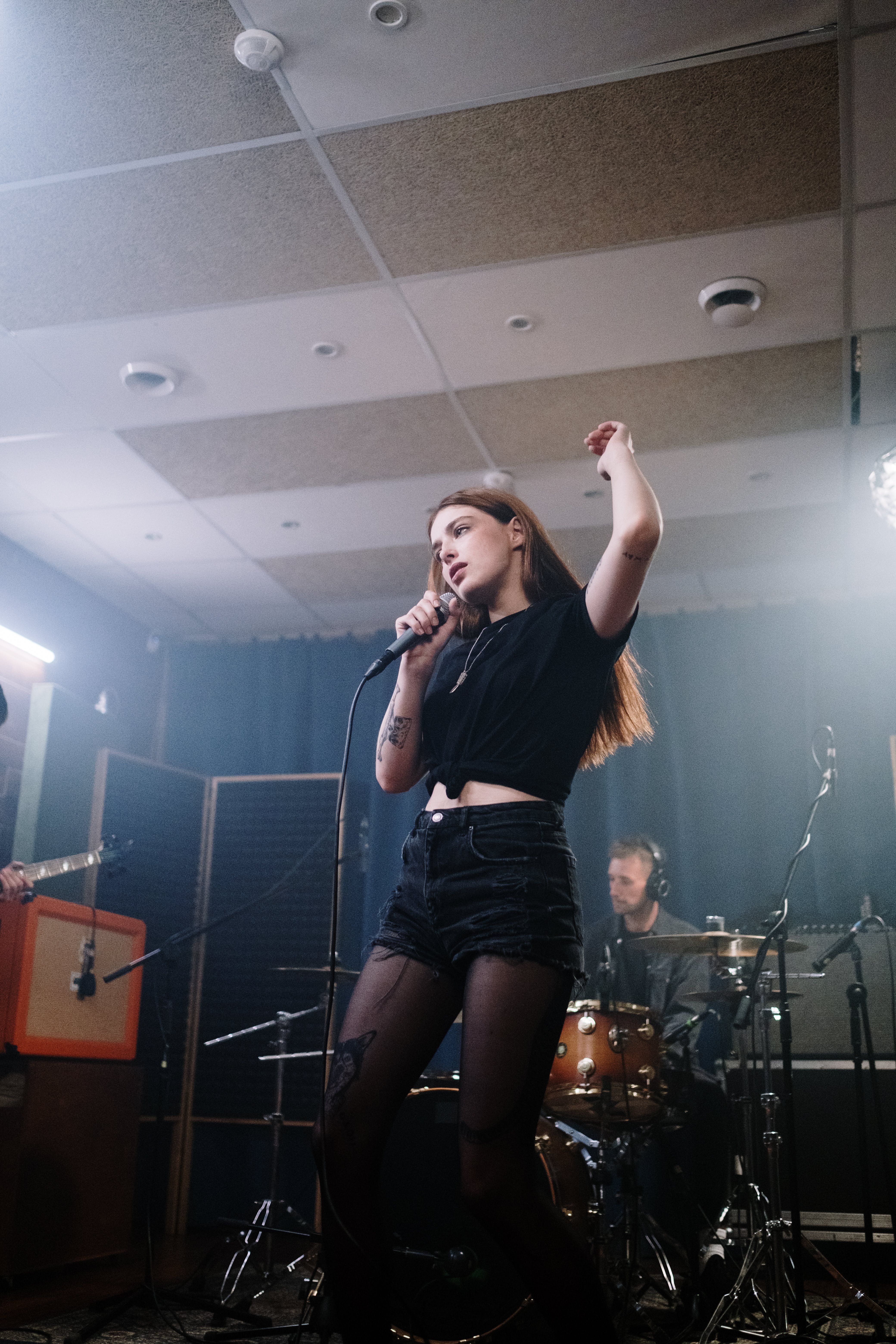
The duration of a music festival can significantly alter the overall experience for attendees. When considering how long music festivals last, it's not just about the number of days but also the intensity and depth of the engagement that defines the festival journey. For some, a shorter festival means a compact schedule packed with performances, requiring energy and focus to make the most out of every moment. These quick-paced events can be exhilarating, as they often feature back-to-back sets with little downtime. This structure is perfect for attendees who want to see their favorite artists without the commitment of a longer festival.
In contrast, longer festivals allow for a more relaxed pace, giving attendees the freedom to explore different aspects of the festival at leisure. With more time available, festival-goers can immerse themselves in the environment, connect with fellow music enthusiasts, and take advantage of the diverse offerings. This can include discovering new artists, participating in on-site activities, or simply taking the time to recharge between sets.
The impact of festival duration also extends to the performers. At a single-day festival, artists have a condensed window to make their mark, often leading to dynamic, high-energy performances. Meanwhile, at multi-day events, artists might have longer set times and the opportunity to engage with the audience on a deeper level, sometimes even performing multiple times throughout the event.
Ultimately, the impact of a festival's duration on the attendee's experience boils down to personal preference and what they are seeking from the event. Whether it's the whirlwind of a one-day festival or the prolonged adventure of a multi-day experience, the length of a music festival can shape memories and stories that last far beyond the final encore.
Closing Remarks: The Festival Time Frame
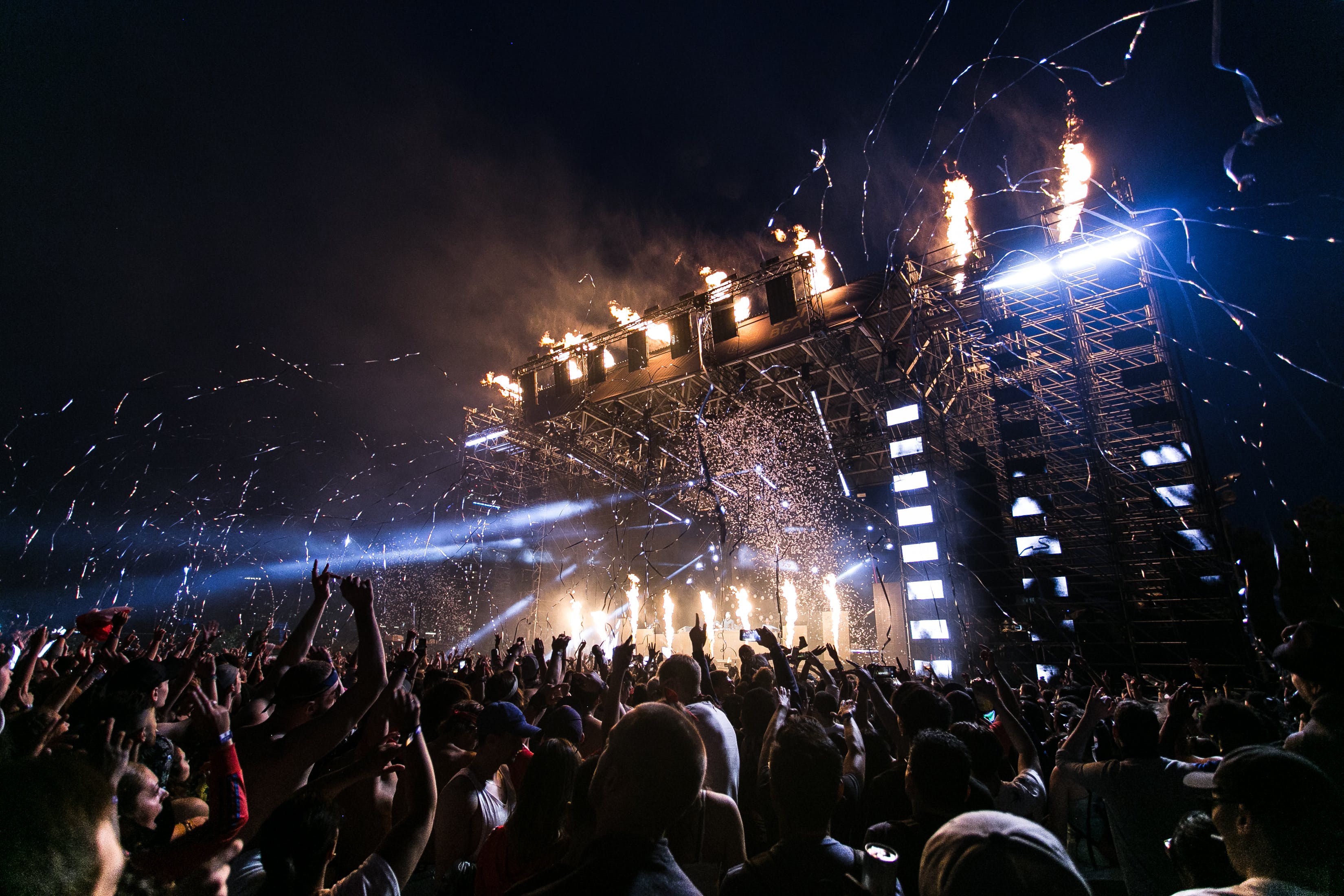
As we reach the crescendo of our exploration into how long music festivals last, it's evident that the time frame of a festival is pivotal in crafting the event's character and the experiences it offers. Whether they span a single day or stretch across multiple days, music festivals are designed to create an atmosphere where time seems to stand still, allowing attendees to lose themselves in the rhythm and artistry of the performances.
One-day festivals cater to those looking for a brief but intense escape, a day packed with unforgettable performances and lively energy. Multi-day festivals, on the other hand, offer a prolonged retreat from the daily grind, an opportunity to dwell in a temporary community bound by a shared love for music and cultural expression.
Each festival, regardless of its length, leaves an indelible mark on the hearts and minds of those who partake in its offerings. From the sunlit stages of the early hours to the neon-lit performances of the night, every festival is a unique tapestry woven from moments of joy, connection, and pure musical bliss.
For those who yearn to delve deeper into the world of music festivals, their duration, and the myriad ways they can transform an ordinary weekend into an extraordinary adventure, visit our website to learn more and get started today! Click here.
The festival time frame is more than a simple schedule: it is the heartbeat of an unforgettable journey, one that resonates long after the last note fades into the night sky.