Evolving Beats: How Music Festivals Changed Over Time
Explore the transformation of music festivals from their humble beginnings to the monumental events of today in 'Evolving Beats: How Music Festivals Changed Over Time'.
Music festivals have long held a magnetic charm, drawing in throngs of fans eager to experience the collective euphoria of live performances. From the early folk gatherings to the modern-day spectacles featuring a mosaic of genres, these festivals have evolved into cultural touchstones that extend far beyond mere musical showcases. As we delve into how have music festivals changed over time, we uncover a narrative of social change, technological advances, and a perpetual quest for community.
Their roots can be traced back to ancient times, but it was the countercultural movements of the 1960s that catapulted music festivals into the global consciousness. Since then, they have undergone a remarkable transformation, shaping and being shaped by the society around them. Today's festivals are multifaceted extravaganzas that offer immersive experiences, with art installations, technology-driven performances, and a festival culture that champions sustainability and inclusivity.
Visit our website to learn more and get started today! Click here.
As we explore the evolution of these musical pilgrimages, we invite readers to reflect on their own experiences and consider the impact of music festivals on our collective cultural landscape. The journey through the past and into the future of music festivals is not just about the music; it's about the stories, the connections, and the memories that resonate with each beat.
From Woodstock to Coachella: The Evolution of Festival Culture

The journey from the iconic Woodstock of 1969 to the glitz and glamour of Coachella in the present day encapsulates the dramatic shift in festival culture. Woodstock, with its ethos of peace, music, and free spirit, set the stage for what was to become a global phenomenon. The festival was a reflection of its time, an era marked by social upheaval and a yearning for change. Fast forward to contemporary festivals like Coachella, and we see a polished, meticulously planned event that caters not only to music lovers but also to fashion influencers, celebrities, and digital nomads.
The transformation of these gatherings is evident in their scale and scope. Initially, festivals were grassroots efforts, often organized by communities or small groups. Today, they are massive productions with corporate sponsorships that attract hundreds of thousands of attendees from all over the world. Technology has played a significant role in this evolution, with advanced sound systems, pyrotechnics, and live streaming services transforming the way audiences experience music.
Moreover, the culture surrounding festivals has expanded. While music remains the core draw, events now boast gourmet food offerings, VIP experiences, and social media-ready art installations. Festivals have become a destination for a complete sensory experience, reflecting a society increasingly focused on personal brand and online presence.
Understanding how have music festivals changed over time requires an examination of these gatherings as a mirror to societal trends and preferences. What started as a simple celebration of music and togetherness has morphed into a complex symbol of our times, with each festival telling its own unique story of cultural evolution.
Technological Advances and Their Impact on Festival Experiences
As we delve deeper into understanding how music festivals have changed over time, we cannot overlook the profound impact of technological advances on the festival experience. The advent of cutting-edge sound systems has revolutionized the way music is heard, with clarity and depth that immerse audiences in the artistry of performances. Lighting too has evolved from simple stage spotlights to elaborate laser shows that paint the night sky with a kaleidoscope of colors, enhancing the visual experience to match the auditory one.
But it's not just the sights and sounds that have been transformed. Technology has also changed the way festivals operate on the back end. RFID wristbands and mobile apps now streamline entry, payments, and scheduling, providing a seamless experience for attendees. These innovations also offer organizers real-time data on crowd movements and preferences, allowing for more responsive and dynamic festival management.
Social media platforms and live streaming services have democratized the festival experience, enabling those who cannot attend in person to participate virtually. This has expanded the reach of festivals beyond physical boundaries, creating global communities of fans sharing in the collective experience. Interactive installations and virtual reality experiences further blur the lines between the digital and real worlds, offering new dimensions of engagement and entertainment.
From the fundamentals of festival production to the attendee's personal journey, technology has been a catalyst for change. It's a testament to the adaptability and innovation of festival culture, ensuring that no two experiences are ever the same and that the beat, quite literally, goes on.
The Shift in Music Genres and Festival Lineups
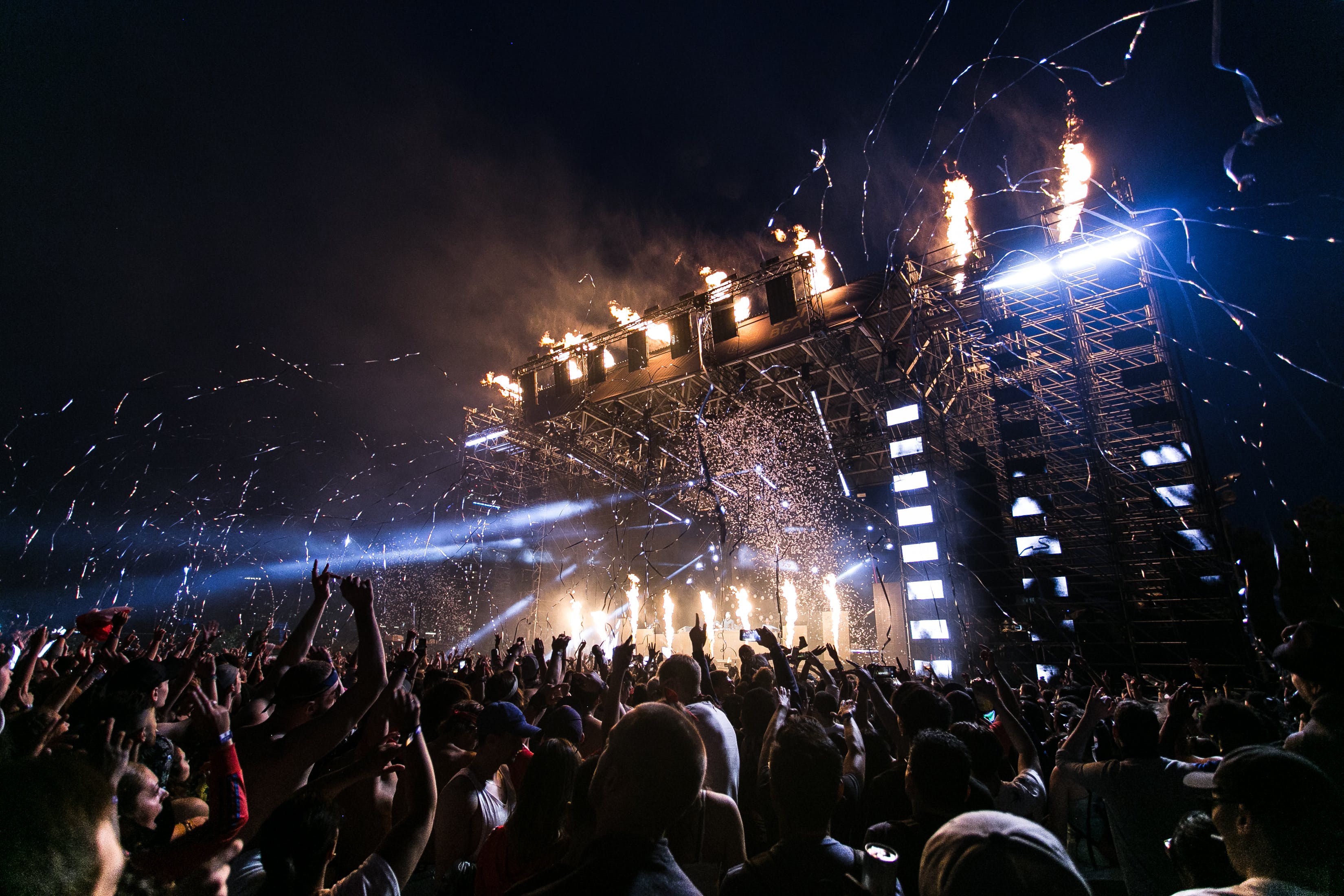
One of the most noticeable changes when exploring how music festivals have changed over time is the shift in music genres and festival lineups. Initially, festivals often focused on specific genres, creating spaces where fans of rock, jazz, or folk could converge. However, as music tastes have diversified, so have the lineups. Today's festivals frequently boast an eclectic mix of genres, reflecting the melting pot of contemporary music tastes and appealing to a broader audience.
This inclusivity has given rise to a new kind of festival experience, one where attendees can enjoy a hip-hop act one moment and a techno DJ the next. It's not uncommon to find indie bands, world music ensembles, and pop stars sharing the same stage, offering festival-goers a rich tapestry of sounds to discover. This diversity not only caters to a wider audience but also fosters creativity and collaboration among artists from different musical backgrounds.
The evolution of festival lineups has also been influenced by the rise of streaming services and social media, which have made it easier for fans to explore and support a variety of artists. As a result, festivals are increasingly featuring up-and-coming musicians alongside established headliners, providing a platform for new talent to shine and connecting them with potential fans.
Moreover, the curatorial role of festival organizers has gained prominence, with many attendees placing their trust in the event's brand to deliver a memorable and well-rounded lineup. This shift reflects a broader trend in music consumption where discovery and curation are as important as the music itself, ensuring that festivals remain an essential fixture in the cultural landscape.
Sustainability and Social Responsibility in Modern Festivals
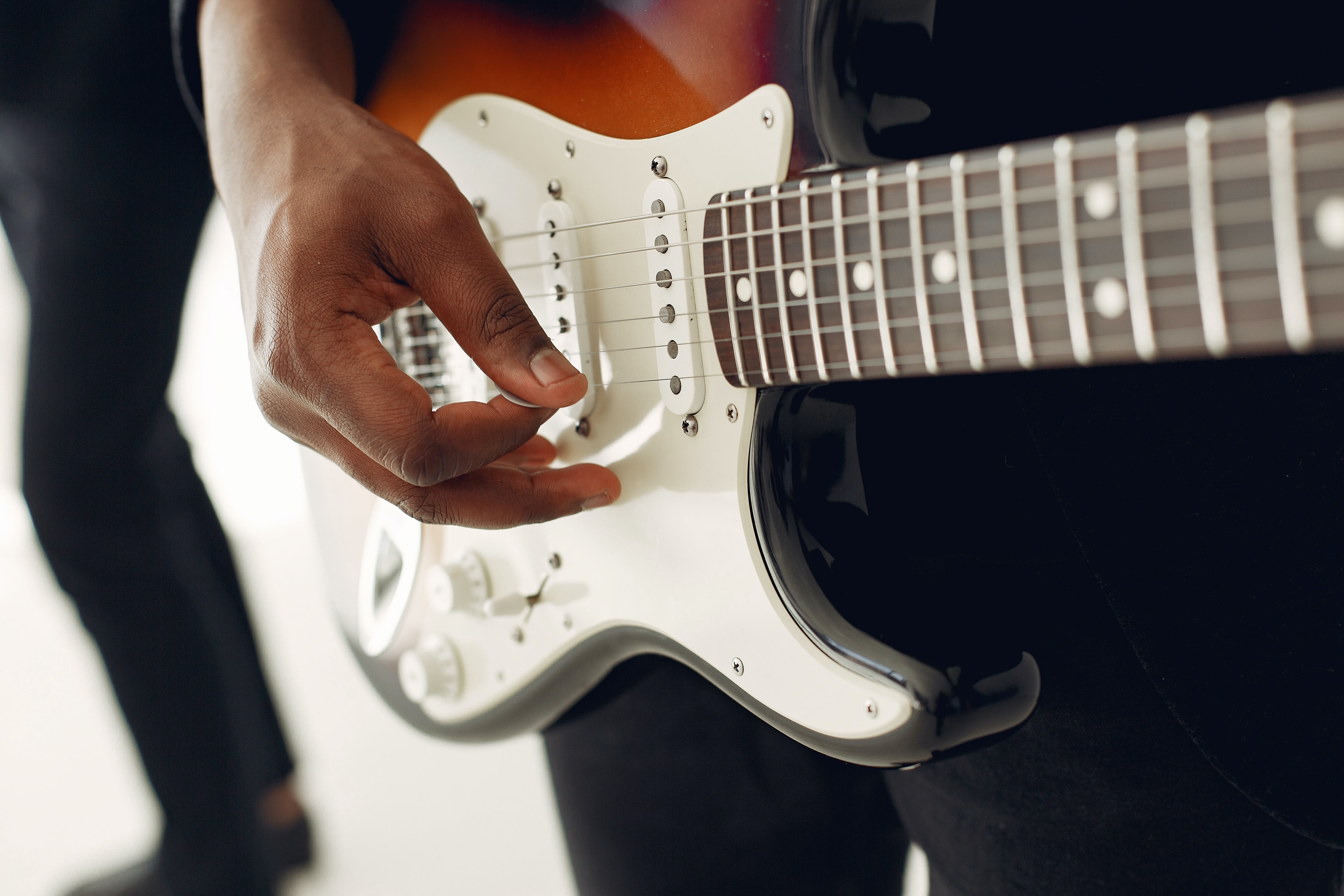
As society has grown more environmentally conscious, so too has the music festival scene evolved to reflect these values. Sustainability and social responsibility have become central themes in modern festivals, as event organizers recognize their platform's power to influence and educate. Gone are the days of carefree waste and excess; today's festivals are often showcases for green initiatives and ethical practices.
Efforts to minimize the environmental impact of festivals are evident in a variety of ways. Many events now boast comprehensive recycling programs, use of biodegradable materials, and strategies to reduce carbon footprints through carpooling and public transportation incentives. Some festivals go further, investing in renewable energy sources to power their stages and infrastructure, or implementing water conservation measures to ensure the event's sustainability.
Beyond environmental concerns, modern festivals are increasingly taking stands on social issues, promoting inclusivity, diversity, and community engagement. Initiatives such as gender-balanced lineups, accessibility accommodations, and partnerships with local nonprofits are becoming standard, as festivals seek to create a positive social impact. This reflects a broader shift in consumer expectations; festival-goers want to support events that align with their values and contribute to the greater good.
Festivals have also become platforms for advocacy, providing spaces for activism and education on topics ranging from mental health to social justice. Workshops, talks, and art installations addressing these issues are now common, embedding a sense of purpose and responsibility within the festival experience. This evolution towards a more conscious and conscientious festival culture ensures that these events are not just celebrations of music, but also catalysts for positive change and community building.
The Future Soundscape: Predicting the Next Era of Music Festivals
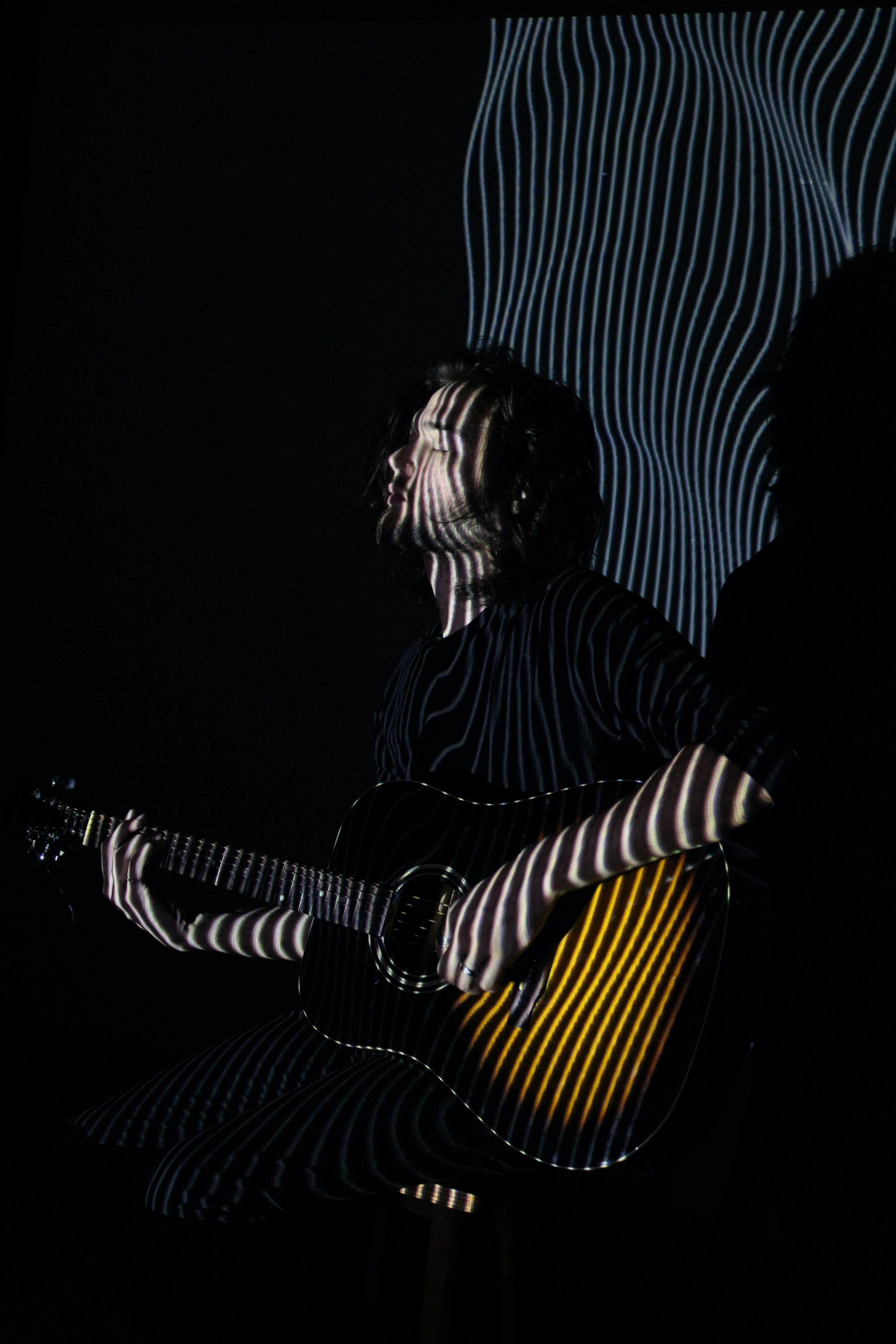
Peering into the crystal ball of the music industry, predictions about the next era of music festivals stir a riveting blend of anticipation and curiosity. Advances in technology and shifting cultural trends point towards an immersive future where digital innovation meets the communal spirit of festival-goers. Virtual reality experiences could transport audiences to fantastical stages from the comfort of their homes, while augmented reality might enhance on-site performances with captivating visual overlays.
Artificial intelligence stands to revolutionize the booking process, potentially curating lineups based on real-time data analysis of audience preferences, creating hyper-personalized festival experiences. Sustainability will likely continue to drive festival operations, with even greater reliance on renewable energy sources and zero-waste policies as climate action becomes an imperative.
As for the social aspects, the inclusivity and diversity movements are expected to expand, moving beyond the current paradigms to embrace a broader spectrum of artists and attendees. The integration of wellness and mindfulness areas could become standard, acknowledging the importance of mental health alongside the revelry.
With these shifts, the essence of music festivals as spaces for connection and celebration will endure, even as the methods of delivery and experience evolve. As music festivals continue to adapt and innovate, they reaffirm their status as cultural touchstones that not only entertain but also reflect and shape societal values.
For those eager to stay abreast of the ever-changing landscape of music festivals, Hollywood Dynamics offers in-depth insights and coverage. Visit our website to learn more and get started today! Click here.