How Cinematography Improves Storytelling
As we know, stories are an integral part of our daily lives. They help us pass time in idle moments and make use of your mind’s capacity for learning things.
Stories also play a significant role in society. For example, almost every culture has their own set of myths and legends that they teach their children about how the world works. These tales shape young minds and influence perceptions of reality.
In this article, we will talk about one of the most important functions of storytelling - telling a story through pictures and sound. We will discuss how great cinematographers use photography, lighting, and acoustics to enhance the narrative quality of a film.
This is a valuable lesson because anyone can take advantage of this technique! If you are passionate about filmmaking, then it would be worth investing into some basic camera skills. You could even start by experimenting with filming yourself or casual events to gain more experience.
Cinematography and editing
When it comes down to storytelling, there is one key element that most people forget about - camera angles!
As we know, telling your story through dialogue and action requires you to use different shots to create stories. For example, when someone is talking, they are usually shot with the legs open and their hands moving around.
When something dramatic happens such as someone getting hit or stabbed, our instinct is to look at the person directly before changing POVs (point of view). This is because we want to see what happened!
By using certain camera angles, your film will tell its own story. A common one is called the reverse angle. This is when the camera is looking at the subject from behind them, almost like you are spying on them.
This can be used for many things, but my favorite way to use it in cinema is during a confrontation. We often see this in movies where someone is arguing with someone else and then all of a sudden they turn and punch each other!
That break was caused by the reverse angle which made us re-focus on the person punching so that we could see it more clearly.
The importance of composition

As we have seen, establishing shot is typically done to show off something or bring focus to a specific element in the story.
This usually includes showing off a setting, person, thing, or event that plays an integral part in the narrative. A good use of an establishing shot can also help tell the audience’s time frame- whether it is past, present, or future.
With cinema, this technique is very common because it is designed to appeal to everyone. It is easy to understand what is happening, and everything feels cohesive. This way of storytelling is well known and understood!
That does not make it right though. There are times when this style is unnecessary and even distracting.
When filmmakers overdo the use of the establishing shot, it ends up feeling like they are trying too hard to be artistic. These shots often feel longer than necessary which removes the natural flow of the movie.
The viewer becomes distracted by the cinematographer’s skill instead of paying attention to what is going on in the film.
Make it look real
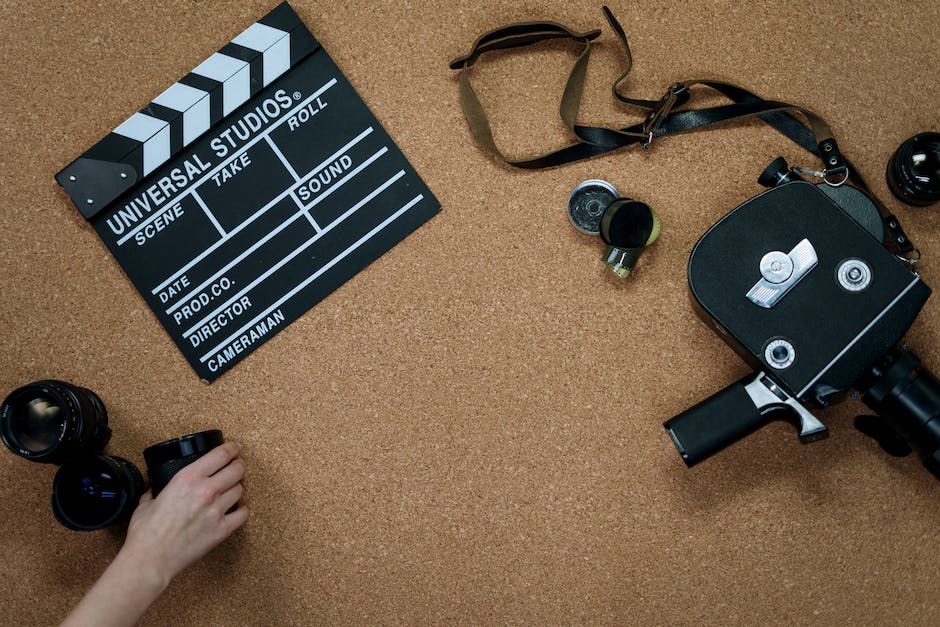
As discussed before, great storytelling is characterized by strong characters that people feel for or are interested in. This is heavily influenced by how well you portray these characters through your filming styles and techniques as well as what you include to add emphasis to them.
For example, if a character is described as having blue eyes, then your film should feature at least one very clear shot of their eye with some slight color variation. If they are talked about as being tall, then there should be ample room for them in the frame. A lot of filmmakers get nervous when talking about making things “look realistic” because they believe everything else has been done that way already, but that couldn't be further from the truth!
There have always been stories told through cinematic means and those films still make lots of money today. What makes a movie like this special is not only how beautifully filmed it is, but also how effectively it uses camera angles, focus, and overall visual aesthetics to tell its story. These types of movies use artistic expression to convey an idea or message more powerfully than simply telling a narrative.
Slow down
As mentioned before, story is what makes films successful. A good story is always engaging to watch, and you do not have to worry about it going too fast either. Even if the movie is very action-packed, there still needs to be enough buildup for the plot to make sense and connect with other stories.
A great way to tell your audience that slow motion does not only look cool, but also helps focus in on important elements of the film is by using handheld filming. This style allows for more creative freedom as you can place the camera anywhere and anything!
This could be holding an object or person close so our attention is drawn to them, moving away slowly, or just having the character walk around and show off the surroundings. All of these add intensity to the scene while creating a unique feel.
Narrate everything
As we mentioned before, storytelling is an integral part of cinema. The way that cinematographers tell stories through their craft is by creating moods and environments to enhance the narrative.
Their style creates an atmosphere or feel for the scenes they are shooting. For example, someone watching a thriller movie might be able to identify which shots were well-executed because of how thematic they were. Shots that emphasize close ups can create suspense, while wide angle lenses can convey a sense of vastness.
Furthermore, when filmmakers use long exposures or fast moving cameras, it gives the scene more weight and importance. A good example of this is in action movies where there’s a continuous flow of activity. It conveys the intensity of the situation and makes the audience feel as though they could actually participate in the action.
These styles and techniques can all add to the effectiveness of the story being told, and thusly, the success of the film.
Be consistent
As discussed before, great cinematographers spend lots of time in the studio or location setting up all the lights needed to film a scene. They also make sure their settings are appropriate for what is being filmed.
This takes time! Luckily, most professionals have good rapport with other members of the crew so it doesn’t take too long to get them to help you out.
If there’s one thing that unites people across media industries, it’s a love of storytelling. Everyone wants an engaging story to watch or listen to, and your average movie viewer/listener can tell when something isn’t totally naturalistic.
So, how about we learn some ways to improve our own storytelling via cinema?
Improve your cinematic storytelling by learning from the best
Here are six tips inspired by great camera tricks used by professional cinematographers.
The importance of eye contact
A good story is told through setting up scenes, making them feel natural, and creating emotional connections with your audience. Emotional responses to stories come from how well filmmakers use detail and how they convey messages to connect with their viewers.
One key element in telling a story is establishing strong eye contact between characters. It creates an intimate relationship that can help develop emotions and understanding of the scene or narrative.
When there are no visible eye contacts, it can be difficult to create such a connection. This was one of the reasons why so many films get frustratingly boring around the half-hour mark. If the writer comes up with something interesting for a moment, the director will usually take advantage of this by having someone look at each other or have a conversation without any direct eyes.
It may sound like a cliché, but it really does matter when trying to tell a story. When you lack eye contact, it can make everything seem fake or plastic.
Make it interesting
As mentioned before, storytelling is an integral part of filmmaking. The way to tell a story depends heavily on how you use your camera.
The way that cinematographers shoot their scenes can make or break the narrative flow of a film. They are in charge of ensuring that the scene looks believable and natural.
For example, if a character is talking to someone next to them, then the cameraman will usually keep the two people in frame together. But when the conversation ends, the director may want to have both characters walk away from each other. A good DP would shift the camera along with the characters so it does not look fake.
This article will talk more about some ways that DPs control the flow of a narrative by using different shooting styles.