How Cinematography Tells A Story
As we've seen, storytelling is an integral part of filmmaking. And while screenplay writers are typically given credit for telling stories through dialogue, it's actually the visuals that help convey those messages and influence the viewer.
As you begin to explore different styles of cinematography, you'll find there are many ways directors use light, space, shape, and rhythm to tell their story.
The basics of cinematography

As we have seen, movie directors use different filming styles to tell their stories. What makes these types of movies interesting is how they are structured and what qualities each style includes. These components include camera angles, length, rhythm, silence, intensity, etc.
In this article, I will talk about three important parts of any cinematic story - setting, characters, and narrative. I will also discuss some concepts related to the third part. Now that you have all three, you can create your own film!
I will begin with the first part which is the most basic one: the setting.
Direction of the camera
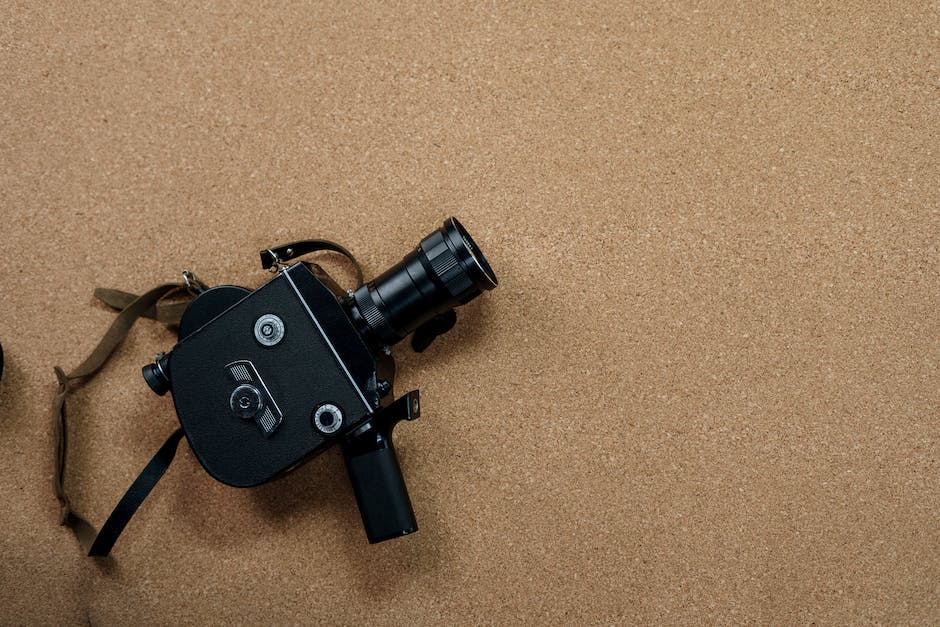
A good way to start exploring the role of the camera in telling stories is looking at how it is directed. The direction of the camera can be naturalistic, stylized, or explicitly symbolic. Naturalistic cameras show the story as happening naturally without any additional emphasis given to anything. Stylized cameras use styles such as shallow depth of field (blurring) or high angles that create an artistic effect. These effects are not necessarily narratively significant but they add interest to the video. An example of this would be using low angle shots during a wedding to focus on the bride and groom’s expressions while excluding everything else. Or using close-ups for dramatic effect.
Symbolic cameras use deliberate changes to emphasize certain parts of the story. For instance, when a person who has wronged you is about to make a crucial decision, the camera might slowly pull back so we get a sense of their size before deciding if they will win or lose.
Cinematography and editing
As we mentioned before, story is an integral part of filmmaking. And while some may consider it to be more important than setting or acting, there’s no denying that storytelling is key in drawing audiences into the movie theater.
In fact, research shows that people are very interested in how stories are told - from fiction to non-fiction. This is why filmmakers devote so much time creating cinematic shots and assembling them into sequences and narratives.
The way light interacts with space is one of the most powerful tools in telling a story. When done well, it can create mood and emphasize parallel themes for the viewer.
Furthermore, strong compositions convey messages about what the character wants, what position they assume in relation to other characters, and even sometimes whether something is important or not. All of these apply directly to filming a scene and deciding where to put the camera.
This article will talk more in depth about how cinematographers use lighting, composition, and narrative to tell stories through their work.
Slow motion
One of the most powerful tools in cinematographic storytelling is slow-motion footage or speed ramping. Speed ramps occur when the camera moves at a very deliberate pace, usually for one to two seconds before coming to a stop.
Most people have seen this technique used in action movies where an attacker is moving towards someone and then suddenly they see them take off running. This is because during that moment their legs work faster than normal so it looks like they are going much faster!
In other cases, you will see water droplets flying away from a drinking glass as time slows down while the liquid takes longer to reach the ground. This creates a cool effect showing how heavy the drop was and how long it took to break up.
These examples show how using speed ramps can add emphasis to certain parts of the film by creating tension or interest. It also gives your viewer the opportunity to admire the fluidity of movement the character has, which is aesthetically pleasing.
Speed ramps can be done virtually anywhere without too many restrictions. What kind of settings require enough space to run around safely? How fast does the person have to move? These questions must be answered first before putting together any shots.
Depth of field

A key part of cinematographic storytelling is depth of field (DOF). DOF refers to the range in focus of an image or segment of an image. The longer the distance you have in focus, the greater the emphasis that it places onto that element.
In filmmaking, there are two main reasons why we use depth of field. The first is aesthetic - to make the shot more interesting by having only parts of the frame in focus and out-of-focus backgrounds. This was done with large windows as well as empty spaces in a room.
The second reason is narrative - to create a sense of space. By having only certain areas in focus, the audience has to work slightly harder to understand what is happening in the scene.
There are three main types of depth of field: focal length, aperture, and zenith angle. Focal length is just like it sounds; this sets the camera’s overall perspective. A long lens gives us a wide view of the subject.
Aperture is how big the hole in the front of the lens is, which determines how much light gets blocked off. A larger hole allows less light to enter, creating a darker picture.
Zenith angle is the height at which the camera is held above the ground. Cameras with wider angles have a shorter depth of field because they contain less area from top to bottom where things are not in focus.
Visual effects

Another integral part of storytelling via film is the use of special effect or visual-only shots. These are typically not limited to using computer graphics (or digital painting) to add inlays, decorations, or new backgrounds, but going as far as creating whole new scenes or completely changing the setting.
Using this technique, what we call as a “visual effect” is replacing another element of the scene. For instance, if the movie you watch has an action sequence at sea, then instead of taking place there, the director will create a new set or have some other background used for the shot.
This way, the audience does not know where exactly the action takes place nor which area it covers, helping emphasize the storyteller’s control over the narrative.
How to choose your cinematography team

As we mentioned before, story is one of the most important functions of great filmmaking. A well-told tale with solid characters and settings always win in audience engagement.
Given that storytelling is such an integral part of film, it makes sense then that filmmakers are constantly looking for ways to improve their narrative skills.
One way to do this is by learning how different parts of the movie process contribute towards telling a story. The visual medium of cinema is very specific, which allows you to add depth to your stories via, you guessed it, visuals!
The key thing about choosing your camera and crew members is making sure they align with the overall tone of the project. This means considering not only what style of filming they have done before, but also if they match the genre of the film. For example, someone who has never shot action movies may not be the best choice for a romantic comedy!
General tips when hiring beyond just whether they can take good pictures include asking about their production experience (especially as staff), references, and if they fit into the workplace culture.