How Communism Issues Changed Entertainment
Explore the profound impact that Cold War communism issues had on Hollywood's golden era, altering the film industry's landscape and talent pool.
The dawn of the Cold War era brought with it a climate of fear and suspicion, significantly influencing the landscape of American entertainment. The Red Scare, a term used to describe the widespread concern over the potential rise of communism within the United States, found its way into the heart of Hollywood, altering the trajectory of the film industry. In an effort to root out any communist influences, the House Un-American Activities Committee (HUAC) began a series of investigations into Hollywood, leading to the infamous Hollywood blacklist.
This blacklist, which began to form in 1947, comprised actors, directors, screenwriters, and other industry professionals suspected of communist affiliations or sympathies. Careers and lives were irrevocably damaged as the blacklist grew, with many talented individuals being barred from work in the industry. The content of films also changed as studios became wary of producing anything that could be construed as pro-communist or un-American. Genres like film noir flourished, often reflecting the paranoia and fear of the times through their dark and brooding narratives.
Understanding how did the issues with communism change the entertainment industry is crucial for grasping the complex relationship between politics and popular culture during this tumultuous period. Allegories of the era's anxieties can be seen in science fiction films of the 1950s, where alien invasions were frequently interpreted as metaphors for communist infiltration. Visit our website to learn more and get started today! Click here.
As the Red Scare's shadow loomed over Hollywood, the industry was forced to navigate the treacherous waters of political allegiance and creative expression, leading to a significant transformation in both the production and the reception of entertainment during the era.
Blacklisting Era: Careers Derailed by Politics

The impact of the Red Scare on Hollywood reached its zenith with the creation of the Hollywood blacklist, a list that became synonymous with career destruction and political persecution in the entertainment industry. High-profile figures, from screenwriters Dalton Trumbo and Ring Lardner Jr. to actors like Zero Mostel and directors such as Edward Dmytryk, found their names on this dreaded list. Accusations of communist ties or refusal to cooperate with the HUAC hearings meant immediate and often irreversible damage to one's livelihood.
The mechanics of blacklisting were ruthless. Studios, under pressure from government entities and fearing public backlash, would cease to employ those suspected of communist affiliations. This led to a chilling effect, where self-censorship became prevalent among those in the industry to avoid being targeted. The blacklist not only affected the accused but also had a domino effect, as colleagues and associates often distanced themselves from blacklisted individuals to protect their own careers.
Some artists attempted to continue their work under pseudonyms or used 'fronts'-individuals who would take credit for the blacklisted writer's work. In some cases, these subterfuges led to the peculiar situation of blacklisted writers winning Academy Awards under assumed names. This era of fear and censorship left a lasting mark on the creative output of Hollywood, as themes and narratives were carefully crafted to avoid any insinuation of subversive content.
As the blacklist slowly faded out in the 1960s, with the decline of McCarthyism and a growing cultural shift towards freedom of expression, the entertainment industry began to recover. Nevertheless, the scars of the blacklisting era are a testament to the profound ways in which politics can derail careers and alter the course of artistic expression.
Creative Expression Under Surveillance: The Impact on Storytelling
The tightening grip of anti-communist sentiment during the Cold War era imposed a significant chill on the creative expression within Hollywood. Screenwriters, directors, and producers found themselves under the watchful eye of industry watchdogs and government officials, leading to a marked impact on the types of stories that could be told on screen. This surveillance was not only a matter of public image but also a battle for the ideological control of one of the most powerful storytelling mediums of the time.
Genres like film noir, with its themes of moral ambiguity and critiques of societal structures, saw a decline as filmmakers navigated the minefield of suspicion. Instead, movies that glorified American values and demonized the communist ideology became more prevalent. This was a time when patriotic films like 'The Sands of Iwo Jima' and anti-communist narratives such as 'I Was a Communist for the FBI' found favor, as they aligned with the prevailing political winds.
Amidst this repressive atmosphere, allegorical storytelling emerged as a subversive tool for filmmakers to address sensitive topics. Science fiction became a particularly useful genre for veiled commentary on the state of the world, with classics like 'Invasion of the Body Snatchers' serving as metaphors for the paranoia and fear of infiltration that defined the era. Such films managed to bypass the overt scrutiny of censors while still engaging with the issues of the day.
The influence of this surveillance on storytelling extended beyond subject matter to affect the very structure of narratives. Happy endings and clear moral resolutions were favored, as they reinforced the desired ideology without raising red flags. In this way, the shadow of surveillance during the Cold War era did not just limit the freedom of Hollywood's creators but also shaped the cultural legacy of American cinema.
The Exodus of Talent: Emigration in Response to Political Climate
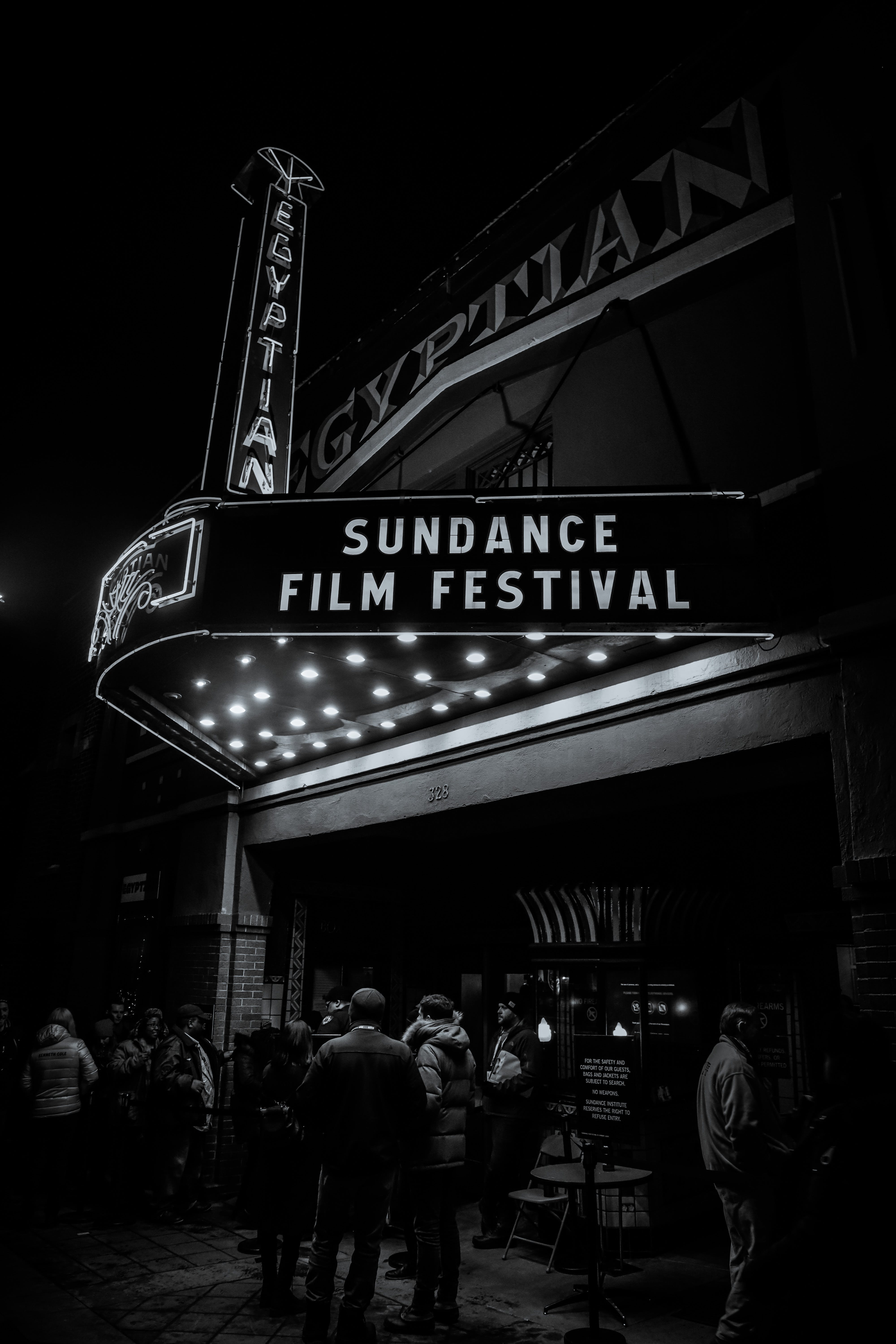
As the political climate in the United States grew increasingly hostile towards those suspected of communist sympathies, the entertainment industry experienced a seismic shift. Artists, writers, directors, and actors, many of whom were blacklisted during the McCarthy era, found themselves unable to work and ostracized by their peers. In response to this oppressive environment, a significant number of talented individuals chose to leave the country, seeking refuge and creative freedom elsewhere.
Europe became a haven for many of these exiled artists. Directors like Jules Dassin and actors such as Charlie Chaplin, who faced scrutiny for their political beliefs or associations, resettled in countries that offered a more tolerant atmosphere. The impact on Hollywood was palpable, as the industry lost not only experienced professionals but also the innovative spirit that these individuals brought to their work.
Moreover, the exodus of talent had long-term repercussions for the international film landscape. Those who left America helped to shape new film movements and styles abroad, contributing to the rise of European cinema in the mid-20th century. Films like Dassin's 'Rififi' became classics, imbued with the expertise and artistry of Hollywood-trained talent but free from the constraints of the American political climate.
The loss of these creative minds also had a homogenizing effect on the stories being told in Hollywood. With fewer voices to challenge the status quo or propose innovative ideas, mainstream American cinema became more conservative in its narrative choices, a trend that would take years to reverse. The emigration of talent in response to the political climate not only altered individual lives and careers but also the course of cinematic history.
Censorship and Propaganda: Shaping Public Perception

The Cold War era was marked by an intense scrutiny of cultural output, with the entertainment industry becoming a battleground for ideological influence. Censorship became a tool wielded with increasing frequency, aiming to suppress any content that was deemed un-American or sympathetic to communist ideologies. This period saw the establishment of various codes and guidelines intended to regulate the moral and political content of films.
Government agencies, notably the House Un-American Activities Committee (HUAC), played a pivotal role in dictating the narrative. They pressured studios to produce content that would reflect positively on the American way of life and denigrate communist principles. As a result, Hollywood became an inadvertent producer of propaganda, with movies often incorporating anti-communist themes and patriotic rhetoric designed to shape public perception.
Films like 'The Red Menace' and 'I Married a Communist' served as stark examples of how the film industry was co-opted into the political agenda of the time. The narratives of these films were clear: communism was a threat to the American way of life, and vigilance was required. This messaging extended beyond the silver screen into television and radio, reinforcing the idea that the entertainment industry was not just a purveyor of stories, but a tool for ideological instruction.
While overt censorship has lessened over the years, the legacy of this era remains. It set a precedent for how the government could exert influence over the entertainment industry, and left a lasting impression on the types of stories deemed acceptable for American audiences. The ripple effects of this period's censorship and propaganda efforts are still felt in modern cinema, where themes of patriotism and political ideology continue to be explored and contested.
Post-Communism Reflection: The Industry's Evolution and Lessons Learned
In the aftermath of the Cold War, the entertainment industry embarked on a period of introspection and gradual transformation. The fall of communism did not simply erase its historical impact on Hollywood; instead, it prompted a reevaluation of artistic freedom and the role of politics in storytelling. The industry's evolution is marked by a more nuanced and critical approach to depicting political ideologies and historical events.
Movies such as 'Good Night, and Good Luck' and 'The Lives of Others' reflect this shift, offering a retrospective on the era's excesses and the personal toll of political paranoia. The industry also began to explore the complexities of the human experience under communist regimes, rather than resorting to one-dimensional villainization. This period of reflection has led to a more open discourse on censorship's consequences and the importance of safeguarding creative expression.
Lessons learned from the era of communism in Hollywood have underscored the importance of protecting artists' rights and the dangers of allowing political agendas to dictate cultural output. The modern entertainment industry continues to grapple with these issues, striving to strike a balance between artistic integrity and social responsibility. As a result, contemporary filmmakers and audiences have become more critically aware and engaged with the political undertones of the content they produce and consume.
For those who are intrigued by the intricate relationship between politics and the silver screen, Hollywood Dynamics offers a wealth of insights and stories. Visit our website to learn more and get started today! Click here.