How Do Live Events Work? Everything You Need to Know!
Discover how live events work, from planning and logistics to technology and audience engagement. Everything you need to know!
Live events are the heartbeat of entertainment, bringing together audiences and performers in a shared experience that is both electrifying and unforgettable. Whether it’s a concert, theater production, sports event, or a corporate gathering, understanding how live events work is crucial for anyone involved in the industry or aspiring to be a part of it.
At their core, live events are meticulously planned and executed spectacles that require a blend of creativity, technical expertise, and logistical precision. The process begins with conceptualization, where the vision for the event is developed. This stage involves brainstorming ideas, setting objectives, and determining the scope of the event. From there, the planning phase takes over, encompassing everything from securing a venue to arranging for equipment and permits.
Technology plays an indispensable role in modern live events. From cutting-edge sound and lighting systems to advanced ticketing platforms and live streaming capabilities, technology ensures that every aspect of the event runs smoothly and that the audience experience is top-notch.
Audience engagement is another pivotal element. Successful live events are those that captivate and interact with their attendees, creating memorable moments that resonate long after the event has concluded. Organizers employ a variety of strategies to achieve this, including interactive elements, social media integration, and personalized experiences.
Visit our website to learn more and get started today! Click here.
Planning and Logistics of Live Events

Planning and logistics form the backbone of any successful live event. This phase is where the vision begins to take shape through detailed organization and coordination. The planning process typically starts with setting clear objectives and defining the event's purpose, which helps guide all subsequent decisions.
One of the first steps in planning is securing a suitable venue. The choice of venue is critical as it impacts the event's ambiance, capacity, and logistical requirements. Factors such as location, accessibility, and amenities must be carefully evaluated to ensure they align with the event's goals.
Once the venue is secured, attention shifts to the myriad logistical details. This includes arranging for permits and licenses, which vary depending on the location and nature of the event. Organizers must also coordinate the setup of essential infrastructure, such as stages, seating, lighting, and sound systems. These elements must be meticulously planned to create an immersive and seamless experience for attendees.
Transportation and accommodation logistics are equally important, especially for larger events. This involves coordinating travel arrangements for performers, staff, and sometimes even attendees. Additionally, accommodations need to be arranged, ensuring that everyone involved has a comfortable and convenient place to stay.
Effective communication and collaboration among all stakeholders are crucial throughout the planning and logistics phase. Regular meetings and updates help keep everyone on the same page and address any potential issues promptly. By paying close attention to these details, organizers can ensure that their event runs smoothly and successfully, setting the stage for an unforgettable experience.
Technology in Live Events
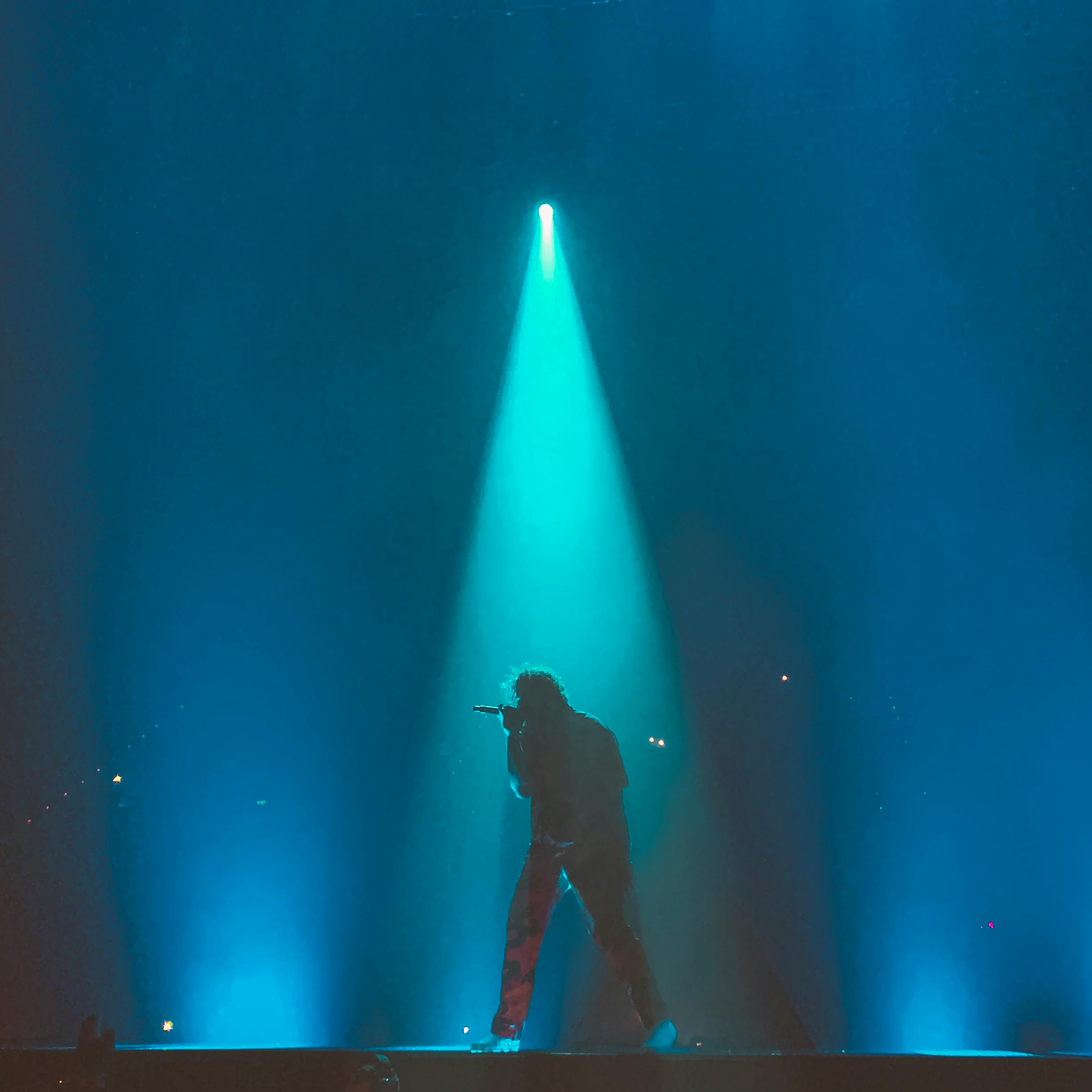
In today's digital age, technology plays an indispensable role in the success of live events. From enhancing audience engagement to streamlining logistics, technological advancements have transformed the way events are planned and executed. One of the most significant contributions of technology is in the realm of **audio-visual equipment**. High-definition screens, advanced sound systems, and intelligent lighting setups help create a captivating and immersive environment for attendees.
Furthermore, **live streaming** has become a game-changer, allowing events to reach a global audience in real-time. Platforms such as YouTube Live, Facebook Live, and specialized event streaming services make it possible for those who can't attend in person to still participate virtually. This not only broadens the event's reach but also opens up new revenue streams through virtual ticket sales and sponsorships.
The use of **event management software** has also streamlined many aspects of event planning and execution. These tools offer features like online registration, ticketing, and attendee management, which simplify the organizational process. **Mobile event apps** further enhance the attendee experience by providing real-time updates, interactive maps, and networking opportunities. Many apps also include features for live polling and Q&A sessions, fostering greater audience engagement.
**Augmented Reality (AR)** and **Virtual Reality (VR)** are other exciting technologies making their way into live events. These innovative tools can create unique and memorable experiences, such as virtual tours, interactive displays, and immersive storytelling. By leveraging AR and VR, event organizers can offer something truly extraordinary, setting their events apart from the competition.
Security technology, such as **RFID** and **biometric scanning**, ensures the safety and smooth flow of attendees. These systems make check-ins faster and more efficient, while also providing valuable data for post-event analysis. By integrating these diverse technologies, live events can deliver a richer, more engaging, and more efficient experience for everyone involved.
Audience Engagement Strategies

Audience engagement is a crucial element in the success of any live event. Ensuring that attendees remain interested, involved, and excited throughout the event can significantly enhance their overall experience and leave a lasting impression. One effective strategy is the use of **interactive elements**. Whether through live polls, Q&A sessions, or social media integration, encouraging active participation helps to keep the audience engaged and invested in the event's proceedings.
**Gamification** is another powerful tool for audience engagement. By incorporating game-like elements such as leaderboards, badges, and challenges, event organizers can create a fun and competitive atmosphere that motivates attendees to participate more actively. Gamification not only boosts engagement but also encourages networking and interaction among attendees.
**Personalization** of content is increasingly important in today's diverse and segmented audience landscape. Tailoring sessions, workshops, and networking opportunities to meet the specific interests and needs of different attendee groups can make the event more relevant and valuable to each participant. Personalized agendas, targeted notifications, and customized experiences can significantly enhance attendee satisfaction and engagement.
**Networking opportunities** are often a key reason why people attend live events. Facilitating meaningful connections through structured networking sessions, icebreaker activities, and dedicated networking lounges can greatly enhance the attendee experience. Additionally, using technology such as mobile event apps with matchmaking features can help attendees connect with like-minded individuals and potential business partners.
The integration of **social media** is essential for modern audience engagement strategies. Encouraging attendees to share their experiences on platforms like Twitter, Instagram, and LinkedIn not only amplifies the event's reach but also fosters a sense of community among participants. Creating event-specific hashtags, live social media walls, and incentivizing social shares can drive online engagement and keep the conversation going long after the event has ended.
Lastly, providing **exclusive content** and experiences can make attendees feel special and valued. VIP areas, behind-the-scenes access, and exclusive meet-and-greet opportunities with speakers or performers can create memorable moments that attendees will cherish and share. By employing these diverse engagement strategies, event organizers can ensure that their audience remains captivated, connected, and excited throughout the event.
Safety and Security Measures
Ensuring the safety and security of attendees is paramount for any live event. A comprehensive approach to **safety and security measures** not only protects attendees but also enhances their overall experience by providing peace of mind. One of the foundational elements is conducting a **thorough risk assessment**. Identifying potential hazards, both physical and operational, allows event organizers to implement preventive measures and develop contingency plans.
**Crowd management** is a critical component of event safety. Employing strategies such as controlled entry and exit points, clear signage, and adequate staffing helps to manage the flow of people and prevent overcrowding. Utilizing barriers and fencing can create designated areas for different activities, ensuring that the venue remains organized and safe.
Another essential aspect is having a robust **emergency response plan**. This includes establishing protocols for various emergency scenarios such as medical incidents, fires, and security threats. Adequate first aid stations, emergency exits, and communication systems are vital. Training staff and volunteers in emergency procedures ensures that they are prepared to respond swiftly and effectively if a situation arises.
**Security personnel** play a crucial role in maintaining a safe environment. Hiring professional security teams who are trained in crowd control, conflict resolution, and emergency response is essential. These personnel can conduct bag checks, monitor entrances, and patrol the venue to deter and respond to any potential threats.
**Technology** also enhances safety and security measures. Utilizing surveillance cameras, metal detectors, and access control systems can help monitor and control the event space. Mobile apps that provide real-time updates and emergency notifications to attendees can also be invaluable tools for keeping everyone informed and safe.
**Health and safety regulations** have become even more critical in recent times, with considerations such as hygiene protocols and social distancing measures being paramount. Providing hand sanitizing stations, implementing contactless check-in processes, and ensuring proper ventilation in indoor venues are just some of the steps that can be taken to safeguard attendees' health.
By prioritizing these safety and security measures, event organizers can create a secure environment that allows attendees to fully enjoy the event without concerns for their well-being. This not only enhances the overall experience but also builds trust and credibility for future events.
Evaluation and Feedback

Once the event has concluded, the process of **evaluation and feedback** becomes crucial. This phase allows organizers to assess the success of the event and identify areas for improvement. The first step in this process is to gather feedback from attendees, staff, and stakeholders. Utilizing **surveys and questionnaires** can provide valuable insights into the participants' experiences. Questions should cover various aspects such as the quality of the content, the effectiveness of the logistics, and the overall satisfaction with the event.
Analyzing **attendance data** can also offer significant insights. Metrics such as the number of attendees, check-in rates, and session participation levels can help determine the event's reach and engagement. Comparing these metrics against pre-event goals can indicate whether the event met its objectives.
**Post-event meetings** with the planning team are essential for a thorough evaluation. These meetings should involve a review of what worked well and what didn’t, focusing on logistics, communication, and execution. It's an opportunity to discuss any challenges faced and how they were addressed, allowing the team to learn and adapt for future events.
Collecting **sponsor and partner feedback** is equally important. Understanding their perspective on the event’s success, the value they received, and any suggestions they have can help strengthen these relationships and improve future collaborations.
Another valuable tool is **social media analysis**. Monitoring mentions, comments, and the overall sentiment on platforms like Twitter, Facebook, and Instagram can provide a sense of the public perception of the event. This real-time feedback can highlight both the strengths and areas that need attention.
Finally, documenting all findings in a comprehensive **post-event report** is essential. This report should include all gathered data, feedback, and analysis, as well as recommendations for future events. Sharing this report with all stakeholders ensures transparency and collective learning.
By thoroughly evaluating the event and gathering extensive feedback, organizers can continually enhance their processes and deliver even more successful events in the future. Visit our website to learn more and get started today! Click here.