How Does the Entertainment Industry Use Marketing? Find Out!
Discover how the entertainment industry leverages marketing strategies to captivate audiences, build brands, and drive box office success.
In today's fast-paced world, the entertainment industry relies heavily on innovative marketing strategies to captivate audiences and drive success. From blockbuster films to chart-topping music albums, effective marketing is the backbone of any hit. But how does the entertainment industry use marketing to its advantage?
Entertainment marketing involves a mix of traditional and digital techniques aimed at promoting films, TV shows, music, and more. These strategies are carefully crafted to create buzz, build brand loyalty, and ensure maximum reach. Studios often employ a mix of trailers, social media campaigns, influencer partnerships, and premiere events.
Traditional marketing methods, such as billboards, TV commercials, and print ads, still play a crucial role. However, the digital age has introduced new avenues like social media marketing, SEO, and content marketing. These platforms allow for real-time engagement and targeted advertising, making it easier to reach specific demographics.
Moreover, the entertainment industry often leverages the power of storytelling and emotional connection to draw audiences in. By creating compelling narratives around their products, they can foster a deep connection with viewers and listeners.
Entertainment marketing is a dynamic field that continuously evolves with technological advancements and changing consumer behaviors. Understanding its nuances is essential for anyone looking to make a mark in this industry. Visit our website to learn more and get started today! Click here.
Role of Social Media in Promotion
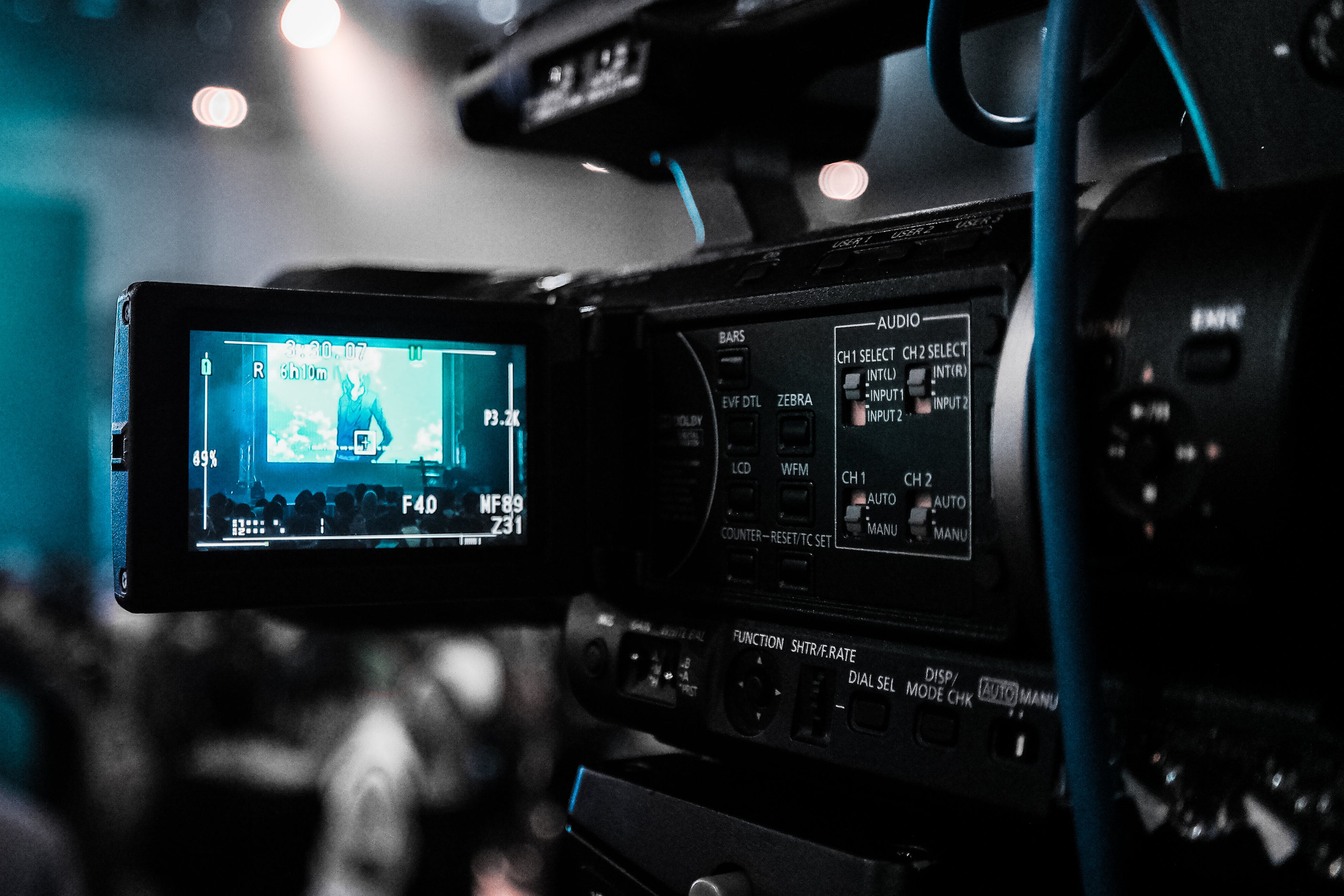
Social media has revolutionized the way the entertainment industry promotes its offerings. Platforms like Facebook, Instagram, Twitter, and TikTok have become essential tools for creating hype and engaging with audiences on a personal level. But how does the entertainment industry use marketing through social media to its fullest potential?
One of the key advantages of social media promotion is the ability to reach a global audience instantly. Through targeted ads and viral content, studios and artists can generate buzz and excitement long before a release. Social media campaigns often feature teaser trailers, behind-the-scenes content, and interactive elements like polls and Q&A sessions, which help to build anticipation and engage fans.
Influencer marketing is another powerful strategy utilized on these platforms. By partnering with popular social media influencers, brands can tap into established fan bases and gain credibility. Influencers can create authentic content that resonates with their followers, making promotions feel more genuine and less like traditional advertising.
Real-time engagement is another significant benefit of social media. Live streaming events, such as movie premieres or album release parties, allow fans to participate in the excitement from anywhere in the world. This level of interaction fosters a sense of community and loyalty that traditional marketing methods can't match.
Moreover, social media analytics provide invaluable insights into audience behavior and preferences. Marketers can track engagement metrics, such as likes, shares, and comments, to refine their strategies and optimize future campaigns. This data-driven approach ensures that promotional efforts are both effective and efficient.
Influence of Celebrity Endorsements

Celebrity endorsements have long been a cornerstone of marketing strategies within the entertainment industry. The allure of a famous face can significantly boost the visibility and credibility of a project, product, or brand. But how does the entertainment industry use marketing through celebrity endorsements to maximize impact?
First and foremost, celebrities bring their own fanbase to the table. When a well-known actor, musician, or influencer endorses a film, TV show, or product, their followers are more likely to take notice. This built-in audience can translate to increased ticket sales, higher viewership, or stronger product demand.
Moreover, celebrity endorsements often come with a sense of trust and authenticity. Fans are typically more inclined to believe in the quality of a project or product if it is associated with a figure they admire. This perceived endorsement can be particularly powerful when the celebrity is genuinely passionate about what they are promoting, rather than simply doing it for a paycheck.
The impact of celebrity endorsements extends beyond traditional advertising. Celebrities often use their social media platforms to share promotional content, reaching millions of followers with just one post. This form of organic marketing can be incredibly effective, as it feels more personal and less like a hard sell. Additionally, celebrities appearing at events, such as red carpet premieres or product launches, generate media coverage that amplifies the promotional message.
However, the effectiveness of celebrity endorsements isn't just about visibility. It's also about alignment. The most successful campaigns are those where the celebrity's persona and values align with the brand or project they are endorsing. This alignment ensures that the endorsement feels natural and resonates with the target audience.
Impact of Trailers and Teasers
Trailers and teasers hold a unique place in the marketing arsenal of the entertainment industry. These short, yet impactful, previews are designed to captivate audiences and generate anticipation for upcoming releases. But what makes them so effective, and how does the entertainment industry use marketing through these mediums to drive interest and engagement?
At their core, trailers and teasers serve as the first impression of a new film, TV show, or even a video game. They offer a glimpse into the storyline, characters, and overall tone, aiming to hook viewers within a matter of seconds. A well-crafted trailer can create a buzz that extends far beyond its initial release, sparking conversations and debates among fans and critics alike.
One of the key elements of an effective trailer is its ability to evoke emotions. Whether it’s excitement, suspense, humor, or nostalgia, the emotional pull can make a trailer memorable and shareable. This emotional connection often leads to increased word-of-mouth promotion, with viewers sharing the trailer on social media and discussing it with friends and family.
Additionally, trailers and teasers often incorporate strategic release schedules. Studios may debut a teaser months in advance to build early interest, followed by a series of trailers that reveal more details as the release date approaches. This staggered approach keeps the audience engaged over time and maintains a steady stream of publicity.
Another significant aspect is the use of high-quality production values. With advanced visual effects, compelling music scores, and meticulous editing, trailers can be mini-masterpieces in their own right. These high standards not only reflect the quality of the final product but also set expectations for the audience.
Moreover, trailers and teasers are versatile tools that can be distributed across various platforms, including cinemas, television, and online channels. The digital age has amplified their reach, allowing studios to target specific demographics and track engagement metrics effectively. Platforms like YouTube, Instagram, and Twitter enable instant feedback and interaction, making trailers and teasers more than just promotional tools: they become event experiences in themselves.
Utilizing Data and Analytics

In today’s digital age, the entertainment industry has increasingly turned to data and analytics to refine its marketing strategies. The question of how does the entertainment industry use marketing can be answered, in part, by examining the role of sophisticated data analytics tools that provide actionable insights and drive decision-making processes.
Data analytics enables studios and marketing teams to understand their audience on a granular level. By analyzing viewing patterns, social media interactions, and consumer preferences, marketers can segment audiences into various demographic and psychographic groups. This segmentation allows for highly targeted marketing campaigns that resonate more deeply with specific audience segments, increasing the chances of conversion and engagement.
One of the most valuable sources of data in the entertainment industry comes from streaming platforms. Services like Netflix, Amazon Prime, and Hulu collect vast amounts of data on viewer behavior. This data includes what shows or movies are watched, the time of day they are viewed, and even where viewers pause or stop watching. By aggregating and analyzing this data, studios can identify trends and preferences that inform future content creation and marketing strategies.
Social media analytics also play a crucial role. Platforms such as Twitter, Facebook, and Instagram offer insights into audience sentiment and engagement. By monitoring likes, shares, comments, and hashtags, marketers can gauge the public’s reaction to trailers, teasers, and promotional content in real-time. This immediate feedback loop allows for quick adjustments to marketing tactics, ensuring campaigns remain relevant and effective.
Predictive analytics is another powerful tool in the entertainment marketer’s arsenal. By leveraging historical data and advanced algorithms, predictive models can forecast box office performance, TV ratings, and even the potential success of new content. These predictions help studios allocate their marketing budgets more efficiently, focusing resources on projects with the highest potential return on investment.
Moreover, data analytics supports personalized marketing efforts. Personalized recommendations, tailored ads, and customized viewing experiences are all made possible through data-driven insights. By delivering content and promotions that align closely with individual preferences, studios can enhance viewer satisfaction and loyalty.
In summary, the integration of data and analytics into marketing strategies has revolutionized how the entertainment industry engages with its audience. By harnessing the power of data, marketers can make more informed decisions, optimize their campaigns, and ultimately drive greater success in an increasingly competitive landscape.
Cross-Promotional Strategies in Entertainment
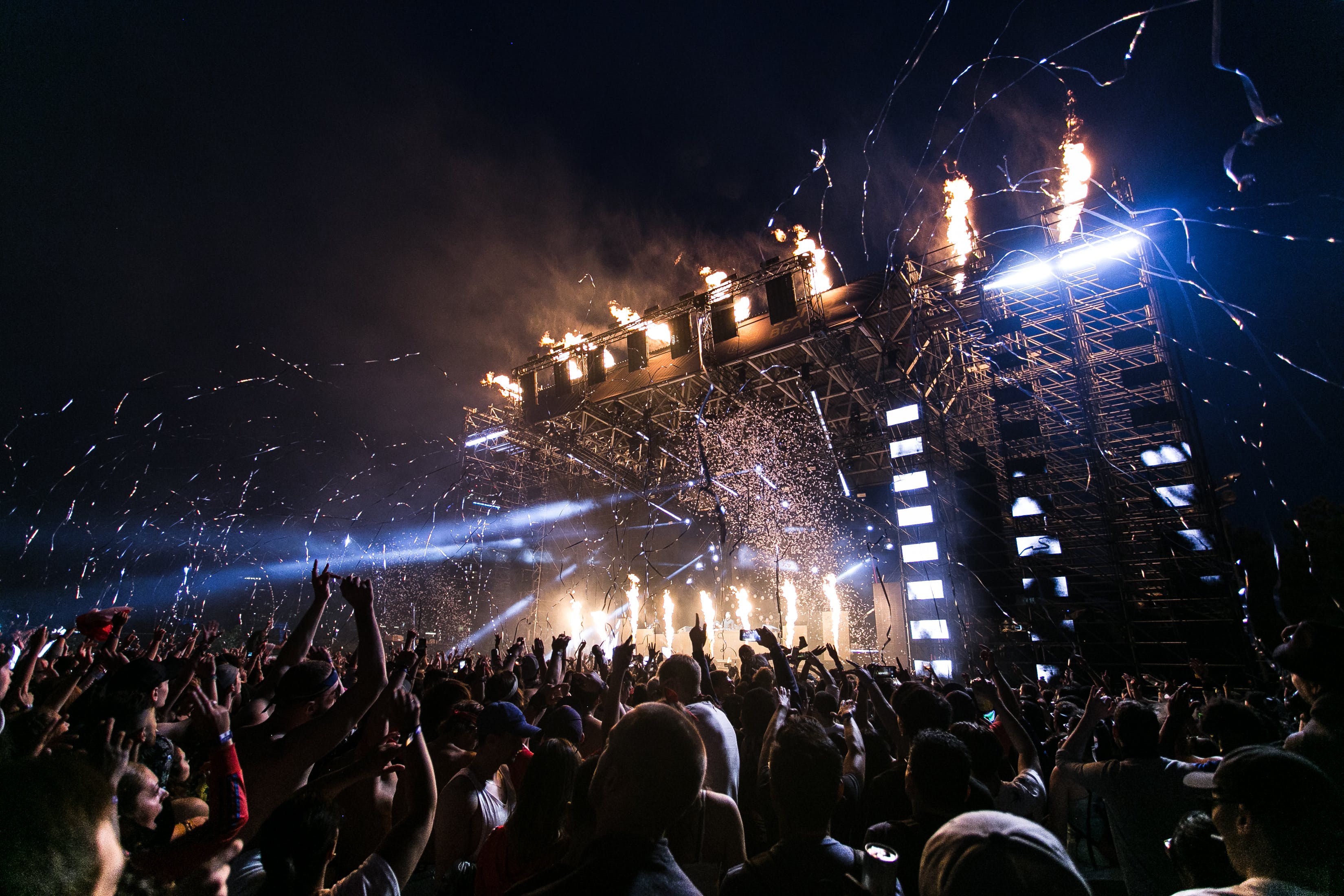
Cross-promotional strategies have become a cornerstone for marketing within the entertainment industry. These tactics involve leveraging partnerships between different media outlets, brands, and franchises to amplify reach and engagement. But how does the entertainment industry use marketing to execute these cross-promotions effectively?
One of the most popular forms of cross-promotion is the collaboration between movies and consumer brands. For instance, a blockbuster film might partner with a fast-food chain to feature themed meals, toys, or limited-edition merchandise. This symbiotic relationship benefits both parties by increasing visibility and attracting a broader audience. Consumers are more likely to engage with a movie if they see it promoted in their daily lives, such as on their coffee cups or cereal boxes.
Another effective cross-promotional strategy involves tie-ins with TV shows and streaming platforms. For example, a new TV series might be promoted through exclusive content on a streaming service or through partnerships with popular influencers and social media personalities. These collaborations often include behind-the-scenes looks, interviews with the cast, and special episodes available only on the partner platform, thereby driving traffic and engagement.
Music and gaming industries also frequently engage in cross-promotional efforts. Video game companies might feature popular musicians in their games or include exclusive tracks as part of the game’s soundtrack. Similarly, music artists might release music videos that incorporate elements from a new video game, creating a mutually beneficial promotional loop that captivates fans of both media.
Moreover, cross-promotional strategies extend to theme parks and live events. Major franchises like Disney and Universal Studios use their theme parks as immersive marketing tools, offering fans a chance to experience their favorite movies and shows in real life. Live events, such as concerts and sporting events, often feature promotional tie-ins with upcoming films, driving excitement and anticipation.
Cross-promotion is not limited to big-budget productions. Independent films and smaller projects also utilize these strategies by partnering with niche brands and local businesses. These collaborations can help indie projects gain much-needed exposure and connect with a targeted audience that is likely to appreciate their unique offerings.
Ultimately, the power of cross-promotional strategies lies in their ability to create a cohesive and immersive experience for the audience. By intertwining various forms of media and consumer products, the entertainment industry can create a multifaceted marketing approach that keeps audiences engaged and invested in their content.
Visit our website to learn more and get started today! Click here.