How is the Internet Helping in the Entertainment Industry?
Explore how the internet is revolutionizing the entertainment industry, from content creation to audience engagement and global distribution.
The advent of the internet has significantly transformed the entertainment industry, ushering in a new era of content creation, distribution, and consumption. From streaming services to social media platforms, the web has become an indispensable tool for both industry professionals and audiences alike. This digital revolution has not only democratized access to entertainment but also provided creators with unprecedented opportunities to reach global audiences.
One of the most profound changes has been witnessed in the realm of content creation. With platforms like YouTube, TikTok, and Instagram, anyone with a smartphone can become a content creator. This has led to the rise of a new generation of influencers and digital stars who command millions of followers and lucrative brand deals. Furthermore, the internet has enabled traditional media companies to innovate and expand their offerings, ensuring that they stay relevant in an increasingly digital world.
Moreover, the internet has revolutionized audience engagement. Social media platforms provide direct lines of communication between fans and their favorite stars, fostering a sense of community and loyalty. This direct interaction not only enhances the fan experience but also allows creators and companies to gather valuable feedback and insights.
Ready to dive deeper into how the internet is shaping the entertainment industry? Visit our website to learn more and get started today! Click here.
Content Creation and Collaboration Online
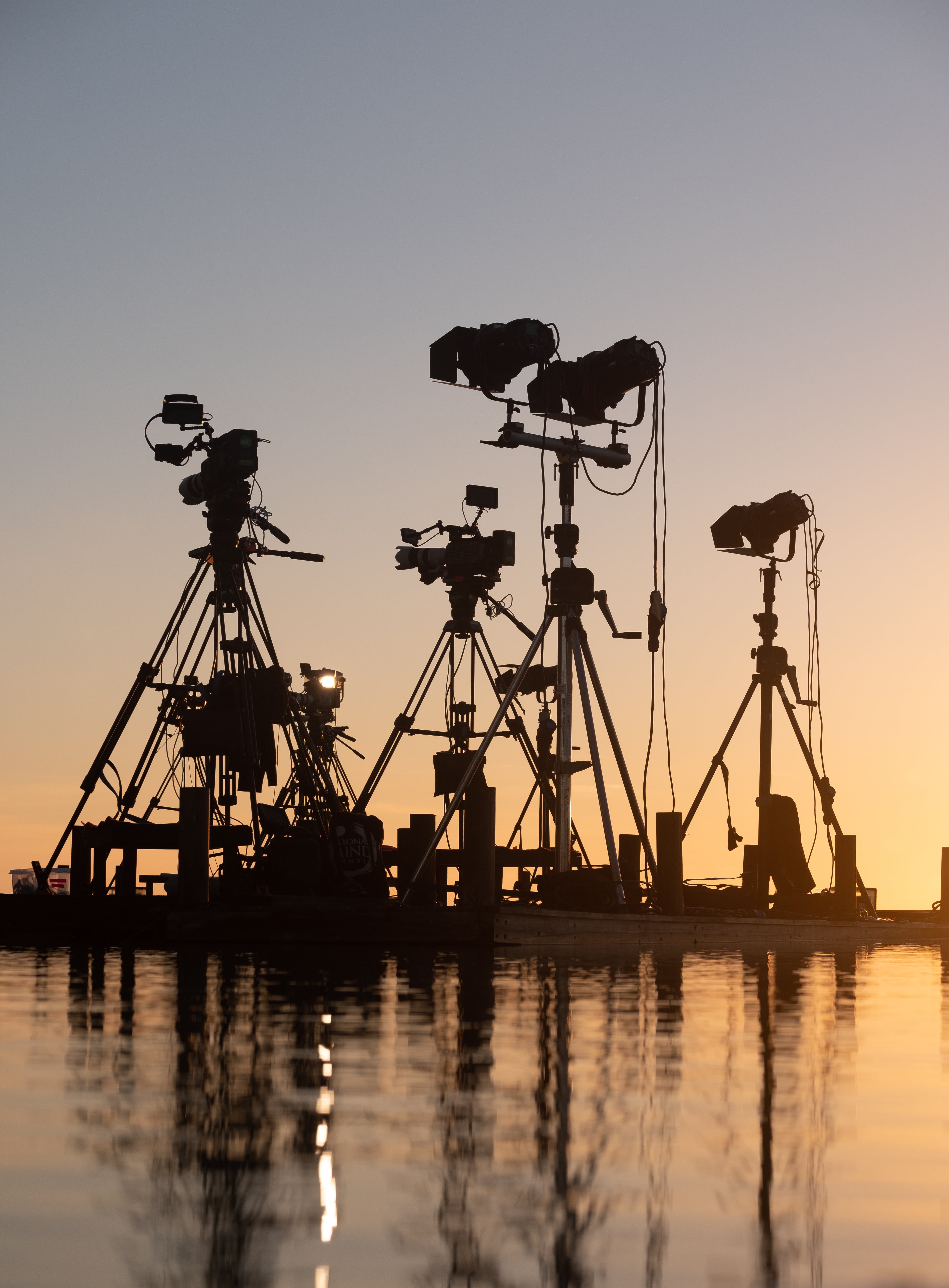
The internet has revolutionized content creation by providing artists, filmmakers, musicians, and writers with a platform to showcase their work to a global audience. Gone are the days when creators needed to rely solely on traditional media gatekeepers to distribute their content. Today, with just a few clicks, anyone can upload a video on YouTube, publish a blog post, or release a song on streaming platforms like Spotify and Apple Music.
One of the most significant advantages of online content creation is the ability to collaborate without geographical constraints. Creators from different corners of the world can now work together in real-time, sharing ideas and resources through platforms like Zoom, Google Drive, and collaborative software like Adobe Creative Cloud. This has led to a surge in innovative and diverse content, as creators blend their unique perspectives and skills to produce something truly original.
Furthermore, platforms like Patreon and Kickstarter have empowered creators to fund their projects directly through fan support. This crowd-sourced funding model not only provides financial backing but also creates a sense of community and shared investment between creators and their audiences. Fans feel more connected to the projects they support, and creators have the freedom to pursue their vision without the constraints of traditional funding mechanisms.
In essence, the internet has democratized content creation, allowing for a more diverse range of voices and stories to be heard. This shift has not only enriched the entertainment landscape but has also given rise to new forms of creative expression and collaboration that were previously unimaginable.
Streaming Services and Digital Platforms
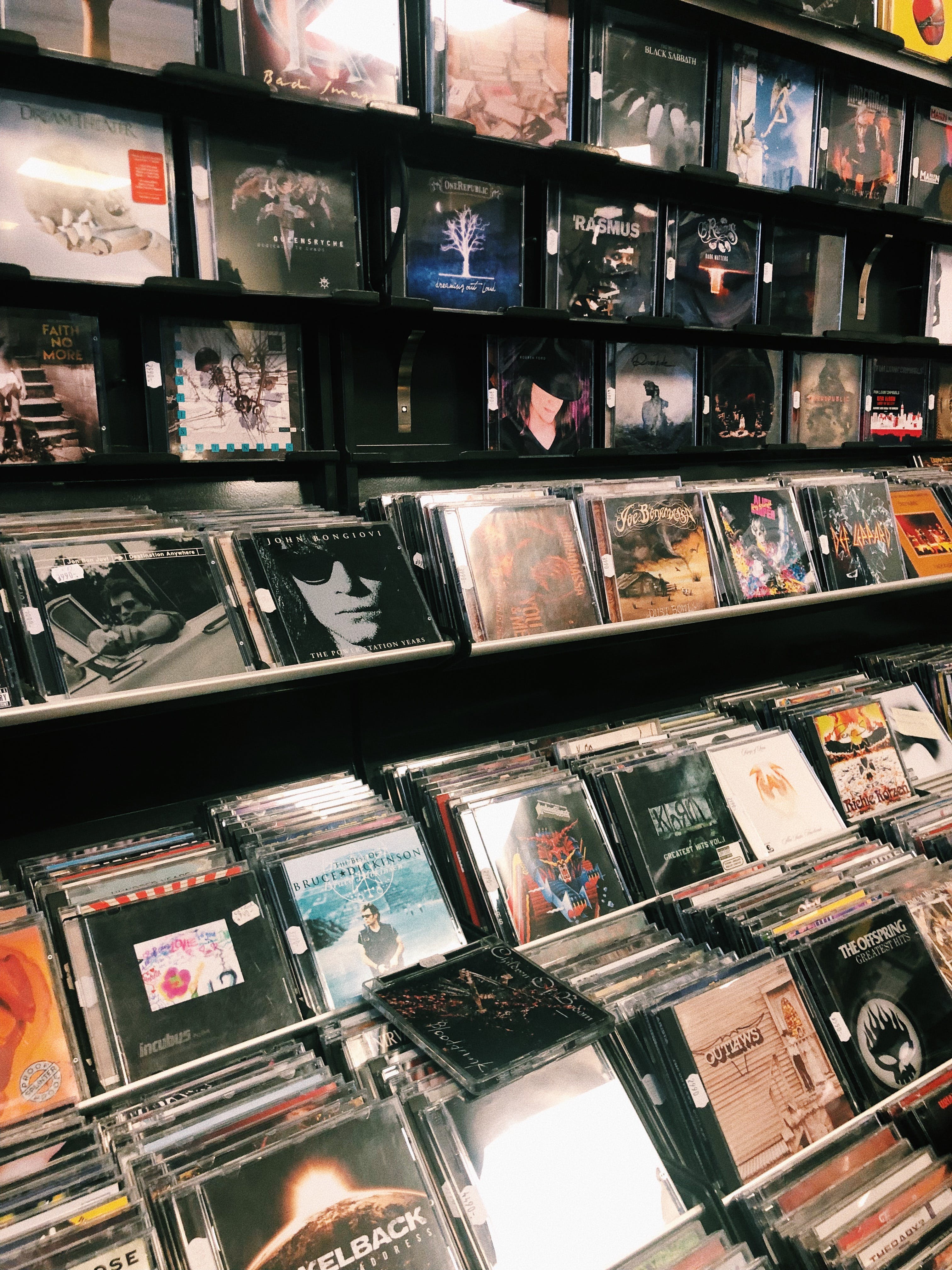
Streaming services and digital platforms have become the backbone of the modern entertainment industry, fundamentally changing how we consume media. Giants like Netflix, Amazon Prime, Hulu, and Disney+ have disrupted traditional broadcast and cable television by offering on-demand access to a vast library of content. Viewers can now binge-watch entire seasons of their favorite shows, discover new films, and explore niche genres all from the comfort of their homes.
The success of these platforms is rooted in their ability to provide personalized experiences. Advanced algorithms analyze user preferences and viewing habits to suggest content tailored to individual tastes. This not only enhances user satisfaction but also keeps audiences engaged, increasing the time they spend on these platforms.
Moreover, digital platforms have opened up opportunities for independent filmmakers and content creators to reach a global audience without the need for traditional distribution channels. Festivals such as Sundance and Cannes now feature films that are picked up by streaming services for worldwide distribution, providing indie filmmakers with unprecedented exposure.
Interactive and live streaming platforms like Twitch and YouTube Live have also carved out their own unique niches. These platforms allow audiences to engage with creators in real-time, fostering a sense of community and immediacy. For instance, live-streamed concerts and virtual events have become immensely popular, especially in the wake of the COVID-19 pandemic.
In addition, the subscription-based model prevalent among streaming services has given rise to original content production. Companies invest heavily in creating exclusive shows and movies to attract and retain subscribers. As a result, we are witnessing a renaissance of high-quality, diverse content that pushes the boundaries of traditional storytelling.
Ultimately, streaming services and digital platforms have not only changed the way we access and consume entertainment but have also democratized content creation and distribution, making it easier for new talent to emerge and for diverse stories to be told.
Social Media and Audience Engagement
Social media has revolutionized audience engagement in the entertainment industry, creating a dynamic and interactive landscape where fans can connect directly with their favorite stars and content creators. Platforms like Instagram, Twitter, Facebook, and TikTok have made it easier than ever for celebrities to share their lives, promote new projects, and interact with their audience on a personal level.
One of the most significant impacts of social media is the way it enables real-time feedback and interaction. Fans can comment on posts, participate in live Q&A sessions, and engage with content through likes, shares, and stories. This immediacy fosters a deeper connection between celebrities and their followers, turning passive viewers into active participants.
Moreover, social media has become a powerful marketing tool. Studios and production companies leverage these platforms to create buzz around upcoming releases, share behind-the-scenes content, and run targeted ad campaigns. The ability to track engagement metrics and demographics allows for more precise and effective marketing strategies, ensuring that promotional efforts reach the right audiences.
For influencers and digital creators, social media serves as a primary channel for building and maintaining their brand. These platforms provide the tools needed to cultivate a loyal following, collaborate with other creators, and monetize content through sponsorships and brand deals. The rise of influencer marketing has blurred the lines between traditional celebrities and online personalities, giving rise to a new breed of entertainment icons.
Additionally, social media has democratized the process of discovering new talent. Aspiring actors, musicians, and artists can showcase their skills to a global audience without the need for a traditional gatekeeper. Viral trends and challenges often lead to overnight fame, providing opportunities for individuals who might have otherwise gone unnoticed.
However, this increased accessibility also comes with challenges. The pressure to maintain a consistent online presence can be overwhelming, and the scrutiny of social media can be intense. Celebrities and influencers must navigate the delicate balance between authenticity and privacy, ensuring they remain relatable while protecting their personal lives.
Despite these challenges, the benefits of social media for audience engagement are undeniable. It has transformed the way we experience entertainment, making it more interactive, inclusive, and immediate than ever before. As these platforms continue to evolve, they will undoubtedly play an even more integral role in shaping the future of the entertainment industry.
Global Reach and Accessibility

The internet has significantly expanded the global reach and accessibility of the entertainment industry, breaking down geographical barriers and bringing diverse content to audiences worldwide. Streaming services, online platforms, and digital distribution channels have made it possible for people from different corners of the globe to enjoy films, music, and TV shows that were once confined to specific regions.
One of the most notable impacts of the internet on global reach is the rise of streaming services like Netflix, Amazon Prime, and Disney+. These platforms offer a vast library of content available on-demand, allowing viewers to access their favorite shows and movies anytime, anywhere. This model has not only increased convenience for consumers but also opened up new markets for content creators. Independent filmmakers and smaller production companies can now reach audiences far beyond their local markets, offering a platform for diverse voices and stories that might have been overlooked by traditional distribution channels.
Moreover, the internet has enabled real-time global broadcasting of live events, such as concerts, award shows, and sports events. Platforms like YouTube, Twitch, and social media networks provide live streaming options that allow audiences to tune in from anywhere in the world. This real-time access to live events enhances the sense of community and shared experience, connecting fans across different time zones and cultures.
Another significant aspect of global reach and accessibility is the ability for artists and creators to cater to niche audiences. The internet allows for the creation and distribution of specialized content that might not have mass appeal but resonates deeply with specific communities. This democratization of content creation and distribution fosters a more inclusive entertainment landscape where diverse genres, languages, and cultures can thrive.
Furthermore, digital platforms facilitate the translation and subtitling of content, making it accessible to non-native speakers. This has led to the international success of foreign films and TV series, such as South Korea's "Parasite" and Spain's "Money Heist," which have gained massive followings outside their home countries thanks to subtitles and dubbing. This cross-cultural exchange enriches the global entertainment ecosystem and promotes cultural understanding.
However, the global reach of the internet also brings challenges. Content creators must navigate varying regulations and censorship laws in different countries, and the competition for audience attention is fiercer than ever. Despite these hurdles, the benefits of global reach and accessibility are clear. The internet has transformed the entertainment industry into a truly global enterprise, offering unprecedented opportunities for creators and audiences alike.
Future Trends in Digital Entertainment
As we look towards the future, the digital entertainment landscape is poised for further evolution, driven by rapid advancements in technology and changing consumer preferences. One of the most anticipated trends is the rise of virtual reality (VR) and augmented reality (AR). These immersive technologies promise to revolutionize how we experience entertainment, offering interactive and engaging ways to enjoy movies, games, and live events. Imagine attending a concert in a virtual venue or exploring a movie set from the comfort of your home: this is the future that VR and AR aim to create.
Another significant trend is the increasing integration of artificial intelligence (AI) and machine learning in content creation and curation. AI can analyze user preferences and viewing habits to recommend personalized content, making it easier for audiences to discover new shows, movies, and music that align with their tastes. Additionally, AI-driven tools are being used to enhance the production process, from scriptwriting to visual effects, enabling creators to push the boundaries of creativity and storytelling.
The concept of interactive storytelling is also gaining traction, with platforms like Netflix experimenting with choose-your-own-adventure formats. These interactive narratives allow viewers to influence the storyline and outcome of a show or movie, creating a more engaging and participatory viewing experience. As this trend continues to grow, we can expect to see more innovative ways for audiences to interact with and shape the content they consume.
Blockchain technology is another area with the potential to transform digital entertainment. By providing a secure and transparent way to manage digital rights and royalties, blockchain can ensure fair compensation for creators and reduce piracy. Moreover, it can facilitate the creation and exchange of digital collectibles, such as NFTs (non-fungible tokens), opening up new revenue streams for artists and entertainers.
Lastly, the future of digital entertainment will likely see a greater emphasis on social and community-driven experiences. Platforms like Twitch and TikTok have already demonstrated the power of social interaction in entertainment, with live streaming and user-generated content fostering vibrant online communities. As these platforms continue to evolve, we can expect even more integration of social features, enabling fans to connect, collaborate, and share their passion for entertainment in real-time.
The future of digital entertainment is bright, with endless possibilities for innovation and creativity. As technology continues to advance, the ways we consume and engage with entertainment will undoubtedly change, offering exciting new experiences for audiences worldwide. Visit our website to learn more and get started today! Click here.