How Long Are Film Festivals? Discover the Timeline!
Explore how long film festivals last with insights into timelines, key factors, and regional variations in our detailed guide.
Film festivals have long been a *crucial platform* for filmmakers, actors, and audiences to come together and celebrate the art of cinema. They offer an opportunity to showcase new films, explore diverse genres, and engage in meaningful dialogues about the industry. When exploring how long are film festivals, it's important to understand that their duration varies significantly depending on several factors. From the prestigious Cannes Film Festival to regional independent showcases, each festival has its own unique timeline and structure that reflects its purpose and scale.
Typically, major international film festivals like Cannes or Sundance last between 7 to 14 days. These festivals not only present a wide array of films but also include workshops, panels, and networking events that enrich the experience for participants and attendees alike. On the other hand, smaller festivals might last just a weekend, focusing on niche categories or regional talent. Understanding the timeline of a film festival can help filmmakers and enthusiasts plan their participation and maximize their experience.
As you delve into the world of film festivals, consider the various elements that contribute to their length. From the number of films being showcased to the additional activities planned, each aspect plays a role in defining the festival's timeline. For those eager to immerse themselves in the vibrant atmosphere of these cinematic celebrations, knowing the duration can help in choosing the right festival to attend. Visit our website to learn more and get started today! Click here.
Factors Influencing Festival Duration

When considering how long are film festivals, several key factors influence their duration, shaping each event into a unique celebration of cinema. At the forefront is the scale and prestige of the festival. Renowned festivals like Cannes, Venice, and Toronto often span over a week or more, providing ample time to showcase a vast selection of films across various categories and genres. These larger festivals also incorporate numerous activities such as *workshops, networking sessions, and panel discussions*, which extend their timelines.
The number of submissions is another significant determinant. Festivals with thousands of entries require more days to accommodate screenings, especially if they aim to provide equal exposure to each selected film. Contrastingly, smaller festivals focusing on a specific genre or independent films may have fewer submissions, allowing them to be concise and targeted in their approach.
Additionally, the geographical location and audience reach can influence how long a festival runs. Festivals in major cities with diverse audiences might extend their duration to attract international attendees and provide a more comprehensive experience. Moreover, logistical considerations such as venue availability and local regulations also play a crucial role in determining the length of these events.
Finally, the festival's objectives and funding can impact its timeline. Festivals backed by significant sponsorships may have the resources to extend their run, while grassroots events might operate within tighter time constraints. Understanding these factors can provide insight into the varied timelines of film festivals worldwide, offering a glimpse into the strategic planning that goes into creating these cinematic showcases.
Typical Length of Major Film Festivals

The length of major film festivals is often a reflection of their stature and the comprehensive nature of their programming. Renowned events such as the Cannes Film Festival and the Venice Film Festival usually span around 10 to 12 days. This extended period allows for a wide array of film categories, including features, shorts, documentaries, and special screenings, ensuring that there's something for every cinephile.
The Toronto International Film Festival (TIFF) is another giant in the festival circuit, typically running for 11 days. TIFF is known for its diverse selection of films and serves as a launchpad for films aiming for awards season glory. Its length provides ample opportunity for filmmakers, critics, and audiences to interact, making it a significant event on the film calendar.
On the other hand, the Sundance Film Festival, which is a crucial platform for independent filmmakers, usually spans about 10 days. Sundance's duration enables the festival to showcase a plethora of indie films, fostering a space for new voices and innovative storytelling. This length also supports various activities like panel discussions and workshops, which are essential for networking within the indie film community.
These examples underscore that the typical length of major film festivals not only accommodates a diverse film lineup but also enhances the cultural and social dynamics of the event. The extended duration is vital for networking, education, and cultural exchange, making these festivals pivotal hubs for the global film industry.
Regional Differences in Festival Lengths
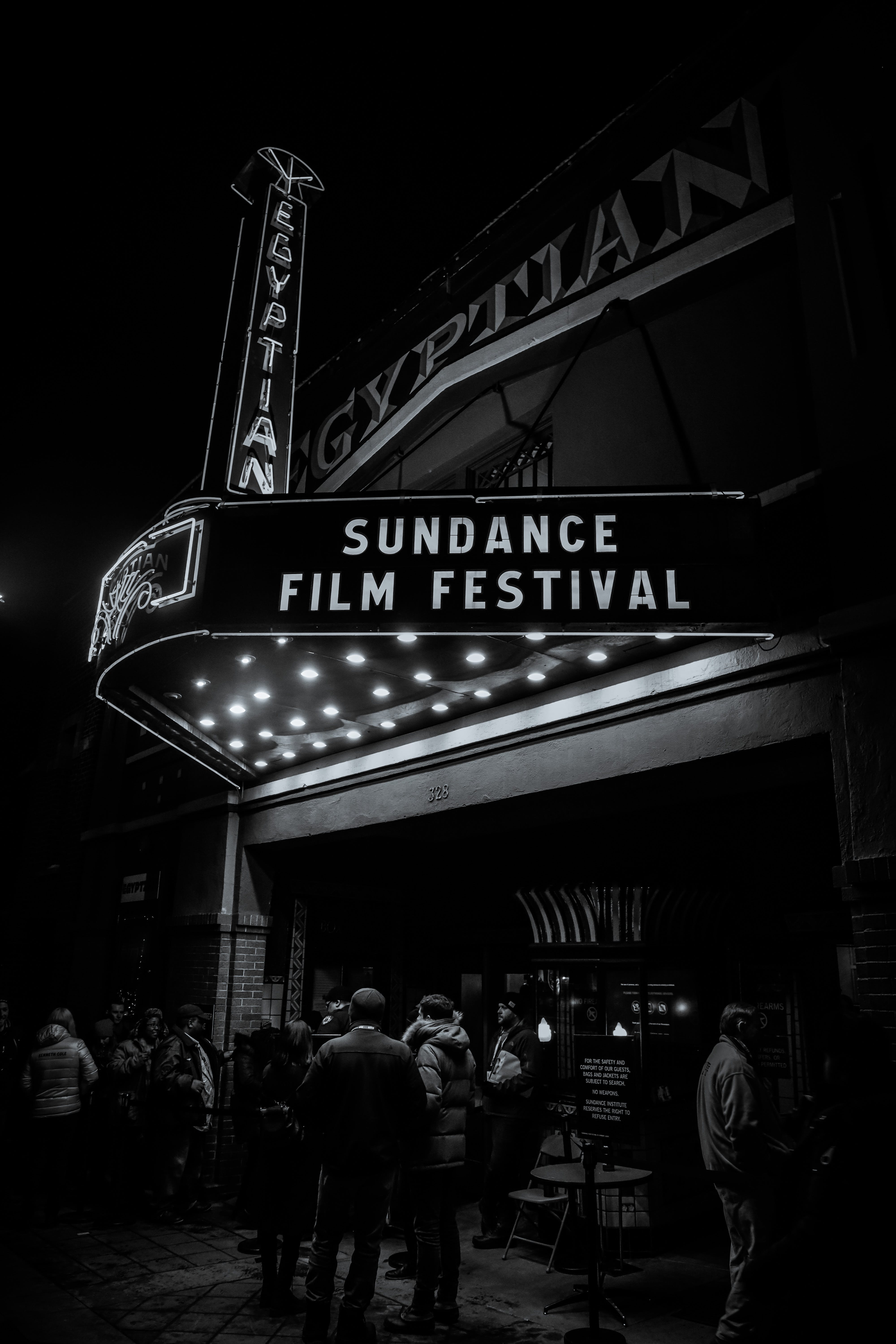
Film festivals around the globe exhibit fascinating regional differences in terms of their duration, often reflecting local cultural priorities and logistical considerations. While some regions embrace longer festivals to accommodate expansive programming, others opt for shorter, more concentrated events.
In Europe, where film festivals have a rich history, events like the Berlinale in Berlin often last for about 10 days. This length not only allows for a comprehensive showcase of films from around the world but also integrates various cultural activities and industry events. In contrast, smaller European festivals might last just a few days, focusing on niche genres or regional cinema.
Across the Atlantic in North America, the length of film festivals can vary significantly. While the New York Film Festival runs for about two weeks, highlighting its prestigious selection of international and American films, smaller festivals in the United States and Canada might only last a weekend, providing a platform for local filmmakers to shine.
In Asia, the film festival scene is vibrant and diverse. The Busan International Film Festival in South Korea, for instance, spans about 10 days and is renowned for its focus on Asian cinema. However, emerging film festivals in other parts of Asia might be shorter, driven by budget constraints and an evolving film culture.
Ultimately, the regional differences in film festival lengths highlight the unique cultural landscapes and industry dynamics across the globe. These variations not only cater to the diverse audiences in each region but also reflect the broader storytelling traditions and cinematic priorities of different cultures.
Special Events and Extended Festivals
Beyond the standard schedules, many film festivals offer special events and extensions that enrich the overall experience for attendees. These events can range from exclusive screenings to interactive panels and workshops, effectively extending the festival's impact beyond its official timeline.
One notable example of extended festivals is the inclusion of pre-festival events and post-festival tours. These are designed to build anticipation and continue the celebration of cinema. For instance, some festivals host pre-screenings of highly anticipated films or organize tours where select films travel to different cities post-festival, allowing broader audiences to partake in the cinematic celebration.
Moreover, festivals often incorporate workshops and masterclasses led by industry professionals. These sessions can run parallel to the main festival schedule, providing filmmakers, actors, and enthusiasts with valuable insights and networking opportunities. Such events can significantly enrich the festival experience, offering attendees a chance to learn from and interact with seasoned industry veterans.
Another interesting aspect is the presence of themed nights and dedicated events within the festival. These can include tributes to legendary filmmakers, genre-specific evenings, or collaborations with other artistic disciplines such as music or theater. These specialized events not only extend the festival's duration but also diversify its offerings, attracting varied audiences.
In essence, special events and extended festivals demonstrate the evolving nature of film festivals, emphasizing their role not just as a platform for film screenings but as a comprehensive cultural event that fosters community engagement and industry dialogue.
Planning Your Visit to a Film Festival

Attending a film festival can be an exhilarating experience, but a little planning goes a long way in ensuring you make the most of it. Start by researching the festival's schedule to identify the films and events you don't want to miss. Many festivals release their line-ups well in advance, allowing you to plan your itinerary around screenings, panels, and special events.
It's crucial to consider the festival's location and accommodation options. Some festivals are spread out over multiple venues, so understanding the layout and transportation options can save you time and hassle. Booking accommodations early, preferably near the main venues, can provide convenience and ease during your visit.
Don't forget to check if the festival offers passes or tickets for specific events. Many festivals provide all-access passes that can offer both cost savings and flexibility, allowing you to attend various screenings and events without the need for individual tickets. If available, consider these options to enhance your festival experience.
Networking opportunities abound at film festivals, so be prepared to engage with fellow attendees, filmmakers, and industry professionals. Carrying business cards and being open to impromptu conversations can lead to valuable connections and insights. Additionally, staying active on social media and using the festival's official hashtags can keep you updated and connected with other festival-goers.
Lastly, allow yourself some flexibility. While planning is essential, part of the magic of film festivals is the unexpected discoveries and spontaneous moments. Embrace the festival atmosphere and enjoy the diverse range of films and events available.
Ready to embark on your film festival adventure? Visit our website to learn more and get started today! Whether you're a seasoned festival-goer or a first-timer, there's always something new to discover in the world of cinema.