How Long Are Sets at Music Festivals? Find Out Here!
Discover how long sets typically last at music festivals and what factors influence their duration. Get insights into various genres and festivals.
Music festivals are a cornerstone of the entertainment industry, offering fans the chance to see a variety of artists perform live in one place. But if you’ve ever found yourself asking, 'how long are sets at music festivals?', you’re not alone. Understanding the typical length of performances can help attendees plan their days better and ensure they don't miss their favorite acts.
The length of sets at music festivals can vary widely based on a number of factors including the genre of music, the popularity of the artist, and the specific festival's format. For instance, headliners at major festivals like Coachella or Lollapalooza may play for upwards of 90 minutes to two hours, while emerging artists or those performing earlier in the day might have sets as short as 30 minutes.
Genres also play a role. Electronic dance music (EDM) festivals often feature DJ sets that can last an hour or more, while rock or indie festivals might have shorter, more frequent performances throughout the day.
Whether you're a first-time festival-goer or a seasoned attendee, knowing the average set lengths can enhance your festival experience. Visit our website to learn more and get started today! Click here.
Factors Influencing Set Durations
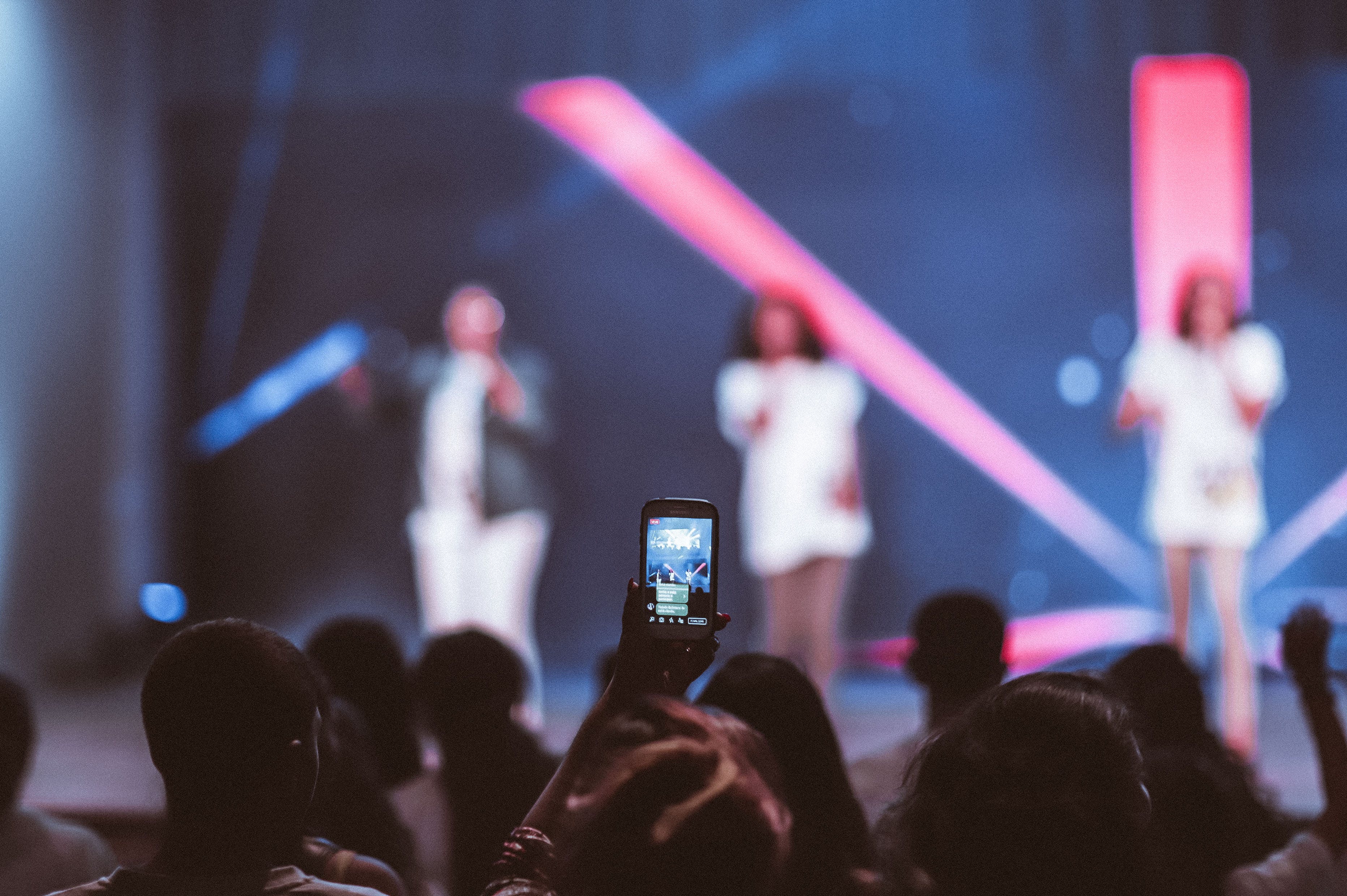
Several factors play a crucial role in determining how long sets are at music festivals. Understanding these elements can provide deeper insight into why some artists may have longer performances than others.
Firstly, artist popularity is a significant determinant. Major headliners and well-established artists often enjoy longer sets, sometimes lasting up to 90 minutes or more, as they draw larger crowds and have an extensive catalog of songs to perform. On the other hand, lesser-known or emerging artists typically have shorter set times, often ranging from 30 to 45 minutes.
Secondly, the genre of music can influence set duration. For instance, DJ sets at EDM festivals can range from 60 to 90 minutes, offering a seamless flow of music to keep the energy high. Conversely, bands at rock or indie festivals might have shorter, more concise performances to allow for a greater variety of acts.
Another critical factor is the festival schedule itself. Festivals with tight schedules and numerous acts may limit set times to ensure a smooth transition between performances. Additionally, logistical considerations like stage setup and sound checks can impact how long an artist can perform.
Lastly, special performances or collaborations can also extend set durations. Festivals are known for surprise guest appearances and unique collaborations that fans wouldn't experience at a regular concert, often adding extra time to the planned set.
Understanding these factors can help festival-goers better plan their day and manage their time effectively, ensuring they catch all the performances they want to see.
Typical Set Lengths by Genre
When it comes to how long sets are at music festivals, the genre of music plays a pivotal role in determining the duration. Each genre has its own norms and expectations that influence how long an artist or band performs on stage.
Electronic Dance Music (EDM) is known for its lengthy, immersive sets. DJs often perform for 60 to 90 minutes, and in some cases, even up to two hours. The continuous, high-energy nature of EDM allows for extended performances that keep the crowd dancing.
In contrast, rock and indie bands typically have shorter sets, usually ranging from 45 to 60 minutes. These genres often feature multiple bands throughout the day, each delivering a concise yet impactful performance. This format allows festivals to showcase a broader range of talent within a limited time frame.
Hip-hop and rap artists usually perform sets that last around 45 minutes to an hour. These performances often include a mix of hit songs, freestyles, and guest appearances, providing a dynamic experience for the audience.
Folk and acoustic music festivals tend to feature sets that are around 30 to 45 minutes in length. The intimate nature of these performances allows for a more personal connection between the artist and the audience, even within a shorter time frame.
Finally, jazz festivals often feature sets that range from 60 to 75 minutes. The improvisational aspect of jazz allows for extended solos and unique renditions of songs, making each performance a one-of-a-kind experience.
Understanding the typical set lengths by genre can help festival-goers tailor their schedule to their musical preferences, ensuring they make the most of their festival experience.
Differences Between Major Festivals
Each major music festival has its own unique flavor and approach, which directly impacts the length and structure of artist sets. When asking how long are sets at music festivals, it's essential to consider the specific festival in question.
Coachella, held annually in California, is known for its diverse lineup that spans multiple genres. Here, headliners often perform for 90 minutes to two hours, while other artists usually get 45 to 60 minutes. The festival's wide-ranging appeal means attendees can experience a variety of musical acts within a short period.
Glastonbury in the UK, one of the world's largest and most iconic festivals, offers a mix of long and short sets. Headliners typically have the stage for two hours, whereas smaller acts may perform for 30 to 45 minutes. The festival's sprawling setup features multiple stages, each dedicated to different genres, allowing for a rich and varied musical experience.
Bonnaroo in Tennessee is renowned for its marathon jam sessions and eclectic mix of artists. Headlining acts often perform for up to two hours, while most other sets range from 60 to 90 minutes. The festival emphasizes collaboration, with artists frequently joining each other on stage, adding an unpredictable and exciting element to the performances.
Lollapalooza, which takes place in various international locations, usually features headliners with 90-minute sets, while other artists perform for around 45 to 60 minutes. The festival's urban setting allows for a more compact schedule, enabling attendees to catch multiple acts throughout the day without excessive walking.
Tomorrowland in Belgium, a mecca for EDM fans, is known for its extended DJ sets that can last anywhere from 90 minutes to three hours. The festival's elaborate stage designs and immersive experiences make for a continuous, high-energy environment that keeps the crowd engaged for extended periods.
These differences between major festivals highlight the importance of understanding the specific event's structure and ethos, allowing music lovers to make informed decisions and maximize their enjoyment.
Impact of Time Slots on Performances
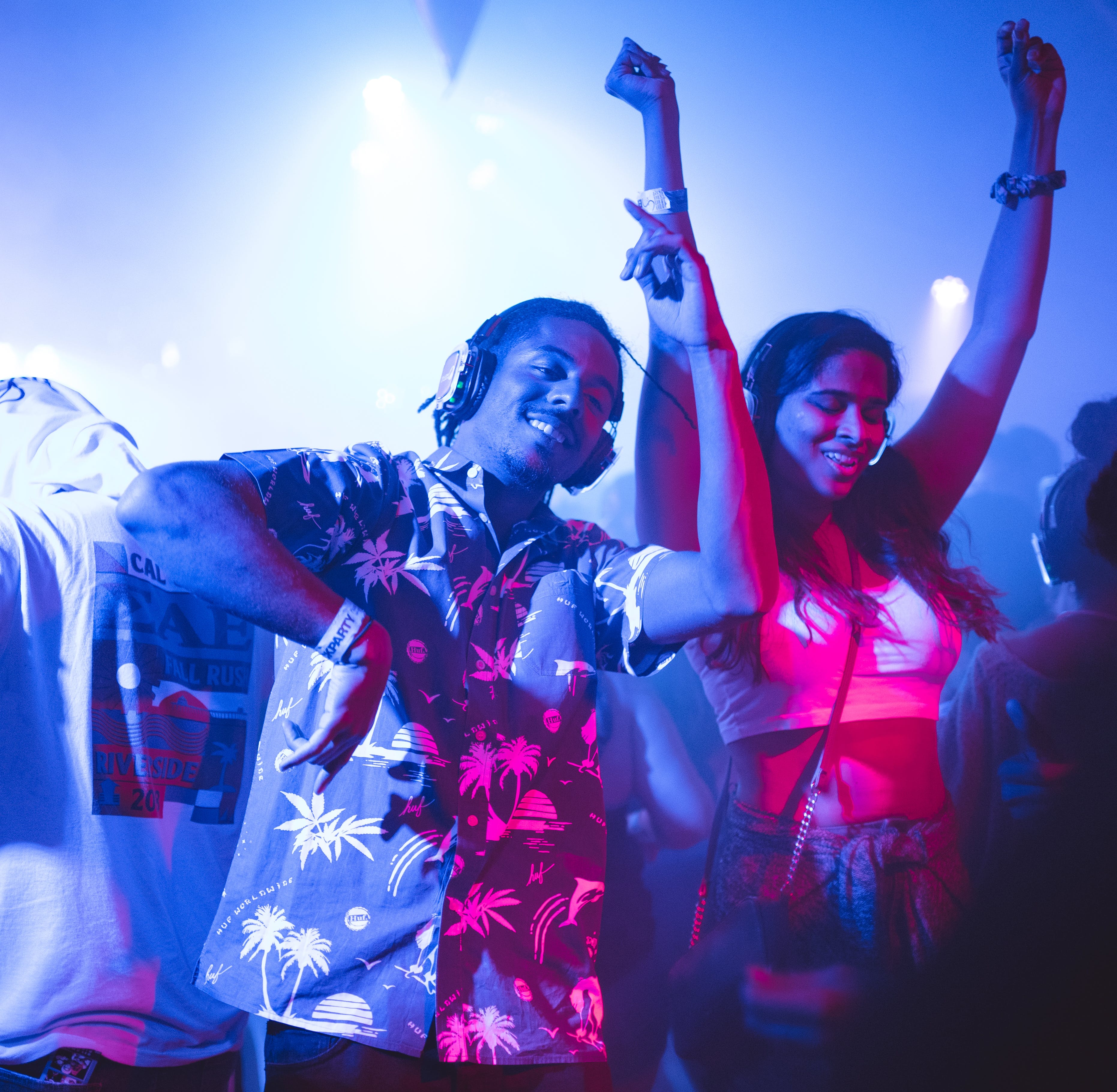
The time slots allocated to artists at music festivals can significantly impact the dynamics of their performances. The duration and timing of a set play a crucial role in shaping both the artist's approach and the audience's experience.
**Early Daytime Slots**: Performers scheduled in the early hours of a festival often face the challenge of energizing a crowd that may still be gathering. These sets are usually shorter, ranging from 30 to 45 minutes, and require artists to quickly capture the audience's attention. The atmosphere is generally more relaxed, as attendees are just beginning their day.
**Afternoon Slots**: As the day progresses, afternoon slots see a more engaged and larger crowd. Performances can extend up to an hour, allowing artists to delve deeper into their repertoire. The mid-day energy is higher, and artists often use this time to showcase a broader range of their music, making it an excellent opportunity to connect with fans.
**Evening Slots**: The evening time slots are highly coveted, as they draw the biggest crowds. These sets typically last 60 to 90 minutes, giving artists ample time to create a memorable experience. The energy levels peak during these hours, and performers often pull out all the stops with elaborate stage setups and special guest appearances.
**Late Night Slots**: Reserved for headliners and high-energy acts, late-night slots can stretch from 90 minutes to two hours or more. The atmosphere is electric, with the crowd fully immersed in the experience. These performances are often the highlight of the festival, featuring spectacular light shows, pyrotechnics, and other visual effects that enhance the overall impact.
**Special Sets and Collaborations**: Festivals like Bonnaroo and Coachella are known for their unique collaborations and special sets, which can vary widely in length. These performances are often unannounced and can take place at any time, adding an element of surprise and excitement to the festival.
Understanding the impact of time slots on performances helps festival-goers plan their day and ensures they don't miss out on the most electrifying and memorable moments. The timing of a set can transform a good performance into an unforgettable experience, making it a critical factor in the overall success of both the artist and the festival.
Tips for Enjoying Festival Sets
Maximizing your enjoyment of festival sets requires a bit of planning and strategy. Here are some tips to ensure you have the best experience:
**1. Plan Your Schedule**: Before attending the festival, review the lineup and set times. Highlight the must-see performances and allocate time for breaks, food, and exploring the festival grounds. A well-organized schedule helps you avoid missing your favorite acts.
**2. Arrive Early**: For popular sets, it's wise to arrive early to secure a good spot. Being closer to the stage can significantly enhance your experience, allowing you to feel the energy and connection with the artists.
**3. Stay Hydrated**: Festivals can be physically demanding, especially under the sun. Bring a reusable water bottle and take advantage of hydration stations. Staying hydrated keeps your energy levels up and ensures you can enjoy the music without feeling fatigued.
**4. Dress Comfortably**: Opt for comfortable clothing and footwear. Festivals often involve a lot of walking and standing, so practical attire is essential. Consider the weather and pack accordingly, including hats, sunglasses, and sunscreen for daytime events.
**5. Be Open to New Experiences**: While it's important to catch your favorite artists, don't shy away from exploring new genres and acts. Festivals are a great opportunity to discover new music and broaden your musical horizons.
**6. Respect the Crowd**: Festival etiquette is crucial for a positive experience. Be considerate of those around you, avoid blocking views, and respect personal space. A friendly and respectful attitude contributes to a harmonious environment for everyone.
**7. Capture the Moment**: While it's tempting to record every moment, don't forget to immerse yourself in the experience. Take a few photos and videos, but also put your phone away and enjoy the music live. The memories you create will be far more valuable than endless footage.
By following these tips, you can ensure a memorable and enjoyable festival experience. Remember, the essence of a music festival lies in the shared moments and the joy of live music. Visit our website to learn more and get started today! Click here.