How Long Do Film Festivals Last? Discover the Duration!
Explore the typical durations of film festivals and what factors influence how long they last. Discover insights into various festival timelines.
Film festivals are vibrant celebrations of cinema, showcasing a plethora of films ranging from independent features to mainstream blockbusters. One common question that arises for both filmmakers and attendees is how long do film festivals last? The duration of these festivals can vary significantly, influenced by factors such as the number of films being screened, the type of festival, and even the venue's scheduling constraints.
Typically, film festivals last anywhere from a few days to over a week. For instance, renowned festivals like the Cannes Film Festival can stretch up to 12 days, while smaller niche festivals might only run for a long weekend. The programming often includes not just film screenings but also panel discussions, workshops, and networking events that contribute to the overall length.
Whether you are a filmmaker eager to showcase your work or a cinephile looking to experience the latest in film artistry, understanding the duration of these festivals is essential. Each festival has its unique flavor and timeline, making it important to plan ahead. If you're interested in exploring more about the intricacies of film festivals, visit our website to learn more and get started today! Click here.
Typical Length of Film Festivals
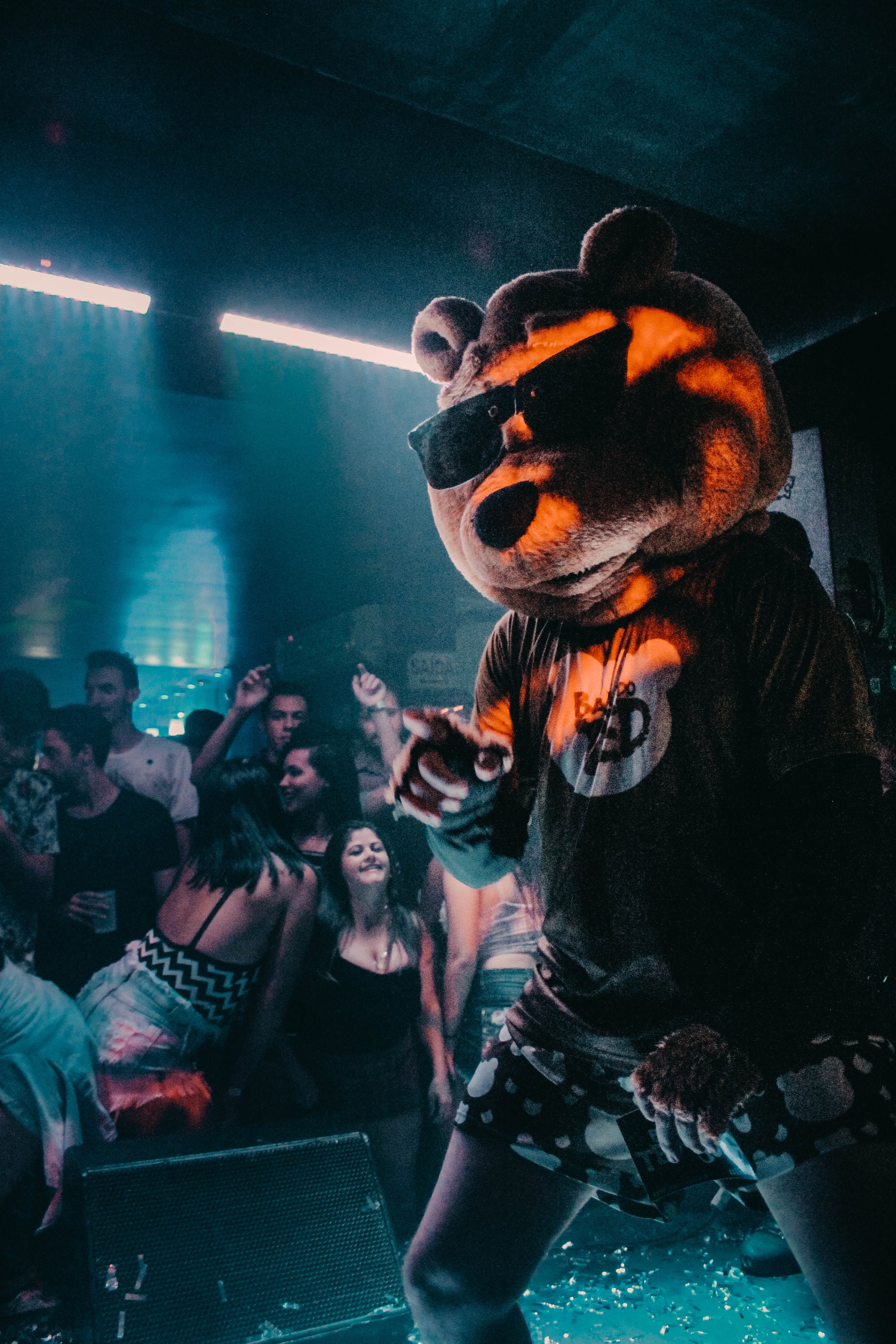
The typical length of film festivals can vary significantly based on a variety of factors. Most film festivals are designed to accommodate a wide range of film screenings, guest appearances, and audience engagement activities, which can influence their overall duration. On average, many festivals tend to last between three to ten days.
For instance, some of the most prestigious festivals, such as the Cannes Film Festival and the Toronto International Film Festival, often span around 10 to 12 days, showcasing hundreds of films from around the world. These festivals typically feature a mix of competitive and non-competitive screenings, along with various events that attract both industry professionals and film enthusiasts.
On the other hand, smaller, local festivals may last just a weekend or a few days, featuring a more concise selection of films. Festivals focused on specific genres, such as horror or documentary, might also adopt shorter timelines to cater to niche audiences. Additionally, some festivals may even take place over a week but consist of just a couple of screening days, with other days reserved for workshops, panels, and networking opportunities.
Understanding the typical length of these festivals can help attendees plan their schedules and ensure they make the most out of their cinematic experiences. Each festival’s unique structure and offerings play a crucial role in determining how long attendees can immerse themselves in the world of film.
Factors Influencing Film Festival Length
Several factors influencing film festival length play a crucial role in determining how long these events last. Understanding these elements can provide valuable insight into the planning and execution of film festivals.
One of the primary factors is the number of films being screened. Festivals that showcase a larger selection of films naturally require more time. For example, a festival featuring hundreds of submissions may need a longer duration to accommodate all screenings, whereas a smaller festival with only a handful of films can run much shorter.
Another significant factor is the type of festival. Some festivals focus on specific genres, such as animation or documentaries, and may tailor their schedules accordingly. Others, like major international festivals, often include various events, from red carpet premieres to panel discussions, which can extend the overall length.
The venue size and the number of available screening rooms also influence festival duration. Larger venues with multiple screening rooms can facilitate more films being shown simultaneously, allowing for a more compact schedule. Conversely, smaller venues may necessitate a longer festival to accommodate all screenings.
Finally, the audience engagement activities-such as workshops, Q&A sessions, and networking events: also contribute to the length of a festival. Festivals that prioritize interaction with filmmakers and the audience may extend their duration to foster these connections.
Understanding these factors can help festival organizers and attendees alike anticipate the scheduling and overall experience of film festivals.
Comparing Different Film Festival Durations

When exploring the durations of various film festivals, it's interesting to note the diversity in lengths and formats. Film festivals around the world can vary significantly, not only in the number of days they run but also in their overall structure and approach.
For instance, the Sundance Film Festival, one of the largest and most prestigious in the United States, typically spans over ten days. This duration allows for an extensive lineup of films, panels, and events, catering to a diverse audience and industry professionals alike.
In contrast, smaller festivals, such as regional or niche festivals, may run for just a weekend or a few days. The Newport Beach Film Festival, for example, lasts only about five days but offers a carefully curated selection of films that highlight emerging talent and unique storytelling.
International festivals can also vary widely. The Cannes Film Festival, renowned for its glamour and star power, spans approximately twelve days, featuring numerous screenings, press events, and award ceremonies. Meanwhile, the Toronto International Film Festival (TIFF) runs for eleven days, showcasing a vast array of films from around the globe, making it a pivotal event for industry exposure.
Additionally, some festivals, like the South by Southwest (SXSW), encompass a broader range of creative events, including music and interactive media, leading to an extended duration of around ten days. This multifaceted approach allows attendees to engage with various forms of art and entertainment, further enriching their festival experience.
In summary, while some festivals may last just a few days, others can extend for over a week, reflecting their unique goals, themes, and audiences. This diversity in duration not only enhances the cultural landscape of film but also caters to different preferences and expectations.
Notable Film Festivals and Their Timelines

Film festivals serve as vital platforms for filmmakers, offering opportunities to showcase their work and connect with audiences. Across the globe, several notable festivals have established distinct timelines that reflect their unique identities and traditions.
The Venice Film Festival, established in 1932, is the oldest film festival in the world. It takes place annually in late August and runs for about 11 days, culminating in the prestigious Golden Lion award. The festival’s historic backdrop and glamorous setting attract filmmakers and celebrities, making it a key event in the film industry calendar.
Another significant event is the Berlin International Film Festival, also known as Berlinale, which usually occurs in February. Spanning around 10 days, it celebrates both established and emerging filmmakers and is renowned for its diverse programming. The festival culminates with the coveted Golden Bear award, recognizing outstanding films from around the world.
The Toronto International Film Festival (TIFF), held in early September, lasts for 11 days and has become one of the most influential festivals in North America. It is known for its emphasis on audience engagement and often serves as a launchpad for films aiming for Academy Awards consideration.
On the other side of the globe, the Busan International Film Festival in South Korea, which typically takes place in early October, spans around 10 days. It focuses on showcasing Asian cinema and emerging filmmakers, making it a significant event for the region.
Lastly, the Sundance Film Festival, held in January in Park City, Utah, lasts for about 10 days. It is celebrated for its focus on independent films and has launched the careers of many acclaimed filmmakers.
These notable film festivals not only highlight the diversity and richness of global cinema but also play crucial roles in shaping industry trends and promoting cultural exchange.
Conclusion on Film Festival Length

Understanding how long do film festivals last is essential for filmmakers, attendees, and industry professionals alike. The duration of a film festival can significantly impact its programming, audience engagement, and overall experience. Generally, most film festivals last between 5 to 14 days, but this can vary based on numerous factors, including the festival's goals, the number of films being screened, and the scale of events planned.
As seen with notable festivals like the Venice Film Festival and Sundance Film Festival, the length can also reflect the festival's mission and the filmmakers it aims to support. Longer festivals often allow for a more extensive selection of films, discussions, and networking opportunities, while shorter festivals may focus on a more curated experience.
Ultimately, each festival has its unique charm and timeline, contributing to the vibrant tapestry of global cinema. If you're interested in diving deeper into the world of film festivals and what they have to offer, visit our website to learn more and get started today! Click here.