How Loud Are Music Festivals? Discover the Volume Levels!
Explore the sound levels of music festivals, their impact on hearing, and expert recommendations for enjoying music safely.
Music festivals, with their vibrant atmosphere and electrifying performances, are a feast for the senses. However, one crucial aspect often overlooked is the sound levels. Understanding how loud music festivals can get is essential for both enjoyment and safety.
Typically, sound levels at these events can reach anywhere from 90 to 120 decibels. To put this in perspective, normal conversation sits around 60 decibels, while a motorcycle can reach up to 100 decibels. Prolonged exposure to sound levels above 85 decibels can lead to hearing damage, making it vital for festival-goers to be aware of their surroundings.
Experts recommend using earplugs designed for musicians, which can reduce sound levels without distorting the music. Additionally, festival organizers are increasingly implementing measures to monitor and control sound levels to protect attendees. Some festivals even provide quiet zones where people can retreat from the noise while still enjoying the festivities.
As you plan your next festival adventure, keep these sound levels in mind. Consider your hearing health seriously, and take necessary precautions to enjoy the music safely. Visit our website to learn more and get started today! Click here.
Common Decibel Levels of Popular Music Festivals
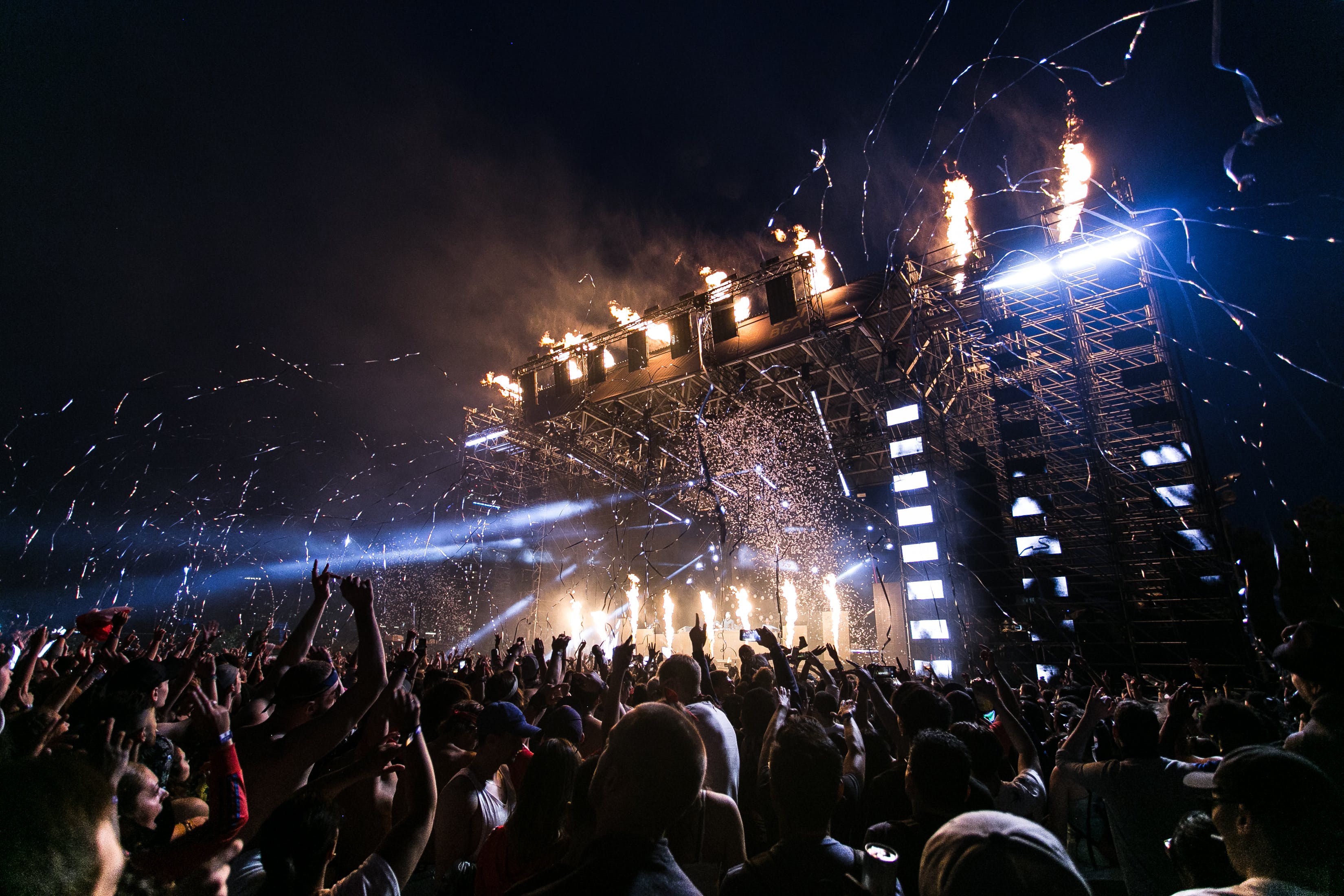
When it comes to popular music festivals, the decibel levels can vary significantly depending on the genre, location, and sound system quality. Here are some common decibel levels you might encounter at various renowned festivals:
- Coachella: Known for its diverse lineup, Coachella often hits around 100 to 110 decibels, especially during headliner performances.
- Tomorrowland: This electronic dance music (EDM) festival can reach up to 120 decibels, creating an immersive experience for attendees.
- Glastonbury: With its mix of rock and indie music, Glastonbury typically ranges from 95 to 105 decibels, depending on the stage.
- Lollapalooza: This iconic festival often maintains sound levels around 95 to 105 decibels, providing a vibrant atmosphere for fans.
- Burning Man: While not a traditional music festival, the sound levels can reach up to 110 decibels at popular sound camps during peak hours.
These sound levels highlight the importance of being prepared for the auditory experience at these festivals. It’s not just about the music: being aware of decibel levels can help ensure a safe and enjoyable experience for all attendees.
Effects of Loud Music on Hearing Health
Experiencing loud music at festivals can lead to several adverse effects on hearing health, which is an essential consideration for music lovers. Continuous exposure to high decibel levels can result in both temporary and permanent hearing damage. Here are some key effects to be aware of:
- Tinnitus: This condition, characterized by a persistent ringing or buzzing in the ears, can be triggered by exposure to loud sounds. Many festival-goers report experiencing tinnitus after a day of high-volume music.
- Noise-Induced Hearing Loss: Prolonged exposure to sounds over 85 decibels can damage the hair cells in the inner ear, leading to irreversible hearing loss. At many music festivals, sound levels frequently exceed this threshold.
- Auditory Fatigue: After being in a loud environment, individuals may experience temporary hearing reduction or muffled hearing, also known as auditory fatigue. This can affect the enjoyment of music and conversations.
- Increased Sensitivity to Sound: Over time, exposure to loud music can make the ears more sensitive to sound, resulting in discomfort in everyday situations.
Considering these potential effects, it is crucial for festival attendees to take precautions, such as using earplugs or taking breaks from the loudest areas. Protecting hearing health ensures that the joy of music can be enjoyed for years to come.
Safety Guidelines for Enjoying Music Festivals

Enjoying music festivals can be a thrilling experience, but it's essential to prioritize safety to protect your hearing and overall well-being. Here are some vital guidelines to follow:
- Use Ear Protection: Invest in high-fidelity earplugs that reduce sound levels without distorting the music. This simple step can significantly lower the risk of hearing damage.
- Take Breaks: Prolonged exposure to loud sounds can be detrimental. Step away from the main stage or loud areas for a few minutes to give your ears a break and allow them to recover.
- Monitor Volume Levels: If you're using personal audio devices, keep the volume at a safe level. As a rule of thumb, if you can hear your music clearly over background noise, it's too loud.
- Stay Hydrated: Festivals often occur during hot weather, and dehydration can worsen the effects of loud music on your body. Make sure to drink plenty of water throughout the day.
- Know the Signs of Hearing Damage: Be aware of symptoms like ringing in the ears, difficulty hearing conversations, or a feeling of fullness in the ears. If you experience any of these, take immediate action to protect your hearing.
By following these guidelines, festival-goers can maximize their enjoyment while minimizing risks, ensuring that the memories made last a lifetime.
Innovative Sound Technology in Music Festivals
The landscape of music festivals is continually evolving, thanks in large part to innovative sound technology. These advancements not only enhance the auditory experience but also address the growing concerns surrounding volume levels and hearing safety. Here are some key innovations transforming music festivals:
- Directional Speakers: These speakers are designed to focus sound in specific areas, minimizing noise pollution and reducing overall volume levels. This technology allows for a more immersive experience while protecting the hearing of those who are not directly in front of the stage.
- Sound Limiting Systems: Many festivals are now implementing sound limiters that automatically adjust volume levels to stay within safe decibel ranges. This proactive approach helps protect attendees' hearing while ensuring that the music remains enjoyable.
- Wireless Audio Transmission: This technology reduces the need for extensive wiring and allows for more flexible sound setups. It improves sound quality and reduces the potential for interference, providing a cleaner listening experience.
- Virtual Reality Soundscapes: Some festivals are experimenting with virtual reality (VR) to create immersive audio experiences. Through VR headsets, attendees can explore different soundscapes, enhancing their connection to the music while allowing for a more personal experience.
- Mobile Apps for Sound Control: Festival organizers are beginning to roll out apps that allow audiences to control their personal sound experiences. Attendees can adjust audio levels based on their preferences, creating a tailored listening experience that can help mitigate the impact of loud environments.
As these technologies continue to develop, music festivals can provide thrilling auditory experiences while prioritizing the safety and well-being of attendees.
Future Trends in Festival Sound Management
As the music festival industry evolves, so too does the approach to sound management. With increasing awareness of the impact of loud music on hearing and overall festival experience, several future trends are emerging that promise to redefine how sound is handled at these events:
- Advanced Acoustic Modeling: Future festivals will likely utilize sophisticated acoustic modeling software to simulate sound behavior in different environments. This technology allows planners to optimize sound distribution and minimize unwanted echoes or dead spots, creating a more enjoyable auditory experience.
- Personalized Sound Experiences: With the rise of wearable technology, future festivals may incorporate devices that can adapt sound levels based on individual sensitivity and preferences. This could lead to a more customized festival experience, ensuring attendees enjoy the music without compromising their hearing.
- Sustainability in Sound Technology: As eco-consciousness grows, the demand for sustainable sound solutions will shape future festival practices. Innovations such as solar-powered sound systems and energy-efficient equipment will not only reduce the carbon footprint but also enhance the overall festival experience.
- Integration of AI and Machine Learning: The use of AI in sound management could revolutionize how festivals monitor and control sound levels in real-time. By utilizing machine learning algorithms, sound engineers can adjust audio feedback instantly, ensuring optimal sound quality throughout the event.
- Community Engagement and Feedback: Future festivals may focus more on gathering attendee feedback regarding sound experiences. Implementing surveys or real-time feedback systems will help organizers understand audience preferences, leading to improved sound management at future events.
These trends indicate a promising future for sound management at music festivals, emphasizing a balance between enjoyment and hearing safety. Visit our website to learn more and get started today! Click here.