How Many Film Festivals Are There in the US? Find Out Here!
Discover the number of film festivals held in the US, their significance, and why they matter to filmmakers and audiences alike.
The United States is a melting pot of cultures, creativity, and innovation: and nowhere is this more evident than in its thriving film festival scene. Film festivals in the US serve as a vital platform for filmmakers to showcase their work, connect with audiences, and gain critical recognition. From the glitzy sidewalks of Hollywood to the indie vibes of Austin, film festivals are more than just screenings; they are a celebration of art, storytelling, and community.
With hundreds of film festivals hosted annually, ranging from internationally renowned events like the Sundance Film Festival to niche gatherings focused on specific genres or communities, the landscape is incredibly diverse. These festivals provide opportunities for both emerging and established filmmakers to present their latest projects, often leading to distribution deals, awards, and career advancement.
Moreover, these festivals play a crucial role in shaping the cultural and social fabric of their respective locations. They attract tourists, generate economic activity, and foster a sense of pride and identity among local residents. Whether you're a filmmaker, a film enthusiast, or simply curious about the cinematic arts, exploring the rich variety of film festivals in the US is an eye-opening experience.
Visit our website to learn more and get started today! Click here.
Growth of Film Festivals Over the Years

The evolution of film festivals in the United States has been nothing short of remarkable. **In the early 20th century**, film festivals were few and far between, primarily limited to major cities and industry insiders. However, as the film industry grew and diversified, so did the number of festivals. By the mid-20th century, iconic festivals like the Cannes Film Festival in France inspired the creation of similar events in the US, such as the San Francisco International Film Festival and the New York Film Festival.
The 1980s and 1990s saw a significant surge in the number of festivals, driven largely by the rise of independent cinema. Events like the **Sundance Film Festival** began to gain prominence, serving as a launchpad for indie filmmakers who sought an alternative to mainstream Hollywood. This period also saw the emergence of specialized festivals focusing on genres like horror, documentary, and animation, as well as festivals celebrating diverse cultures and communities.
**Digital technology and social media** have further accelerated this growth in recent years. The advent of digital filmmaking has made it easier and more affordable for filmmakers to produce high-quality content, while social media platforms have provided new avenues for promotion and audience engagement. Today, there are film festivals dedicated to virtually every niche interest and demographic, from LGBTQ+ cinema to environmental documentaries.
The continuous growth of film festivals underscores their enduring relevance and adaptability. They have evolved to meet the changing needs of both filmmakers and audiences, ensuring that the art of cinema remains a dynamic and inclusive medium.
Major Film Festivals in the US
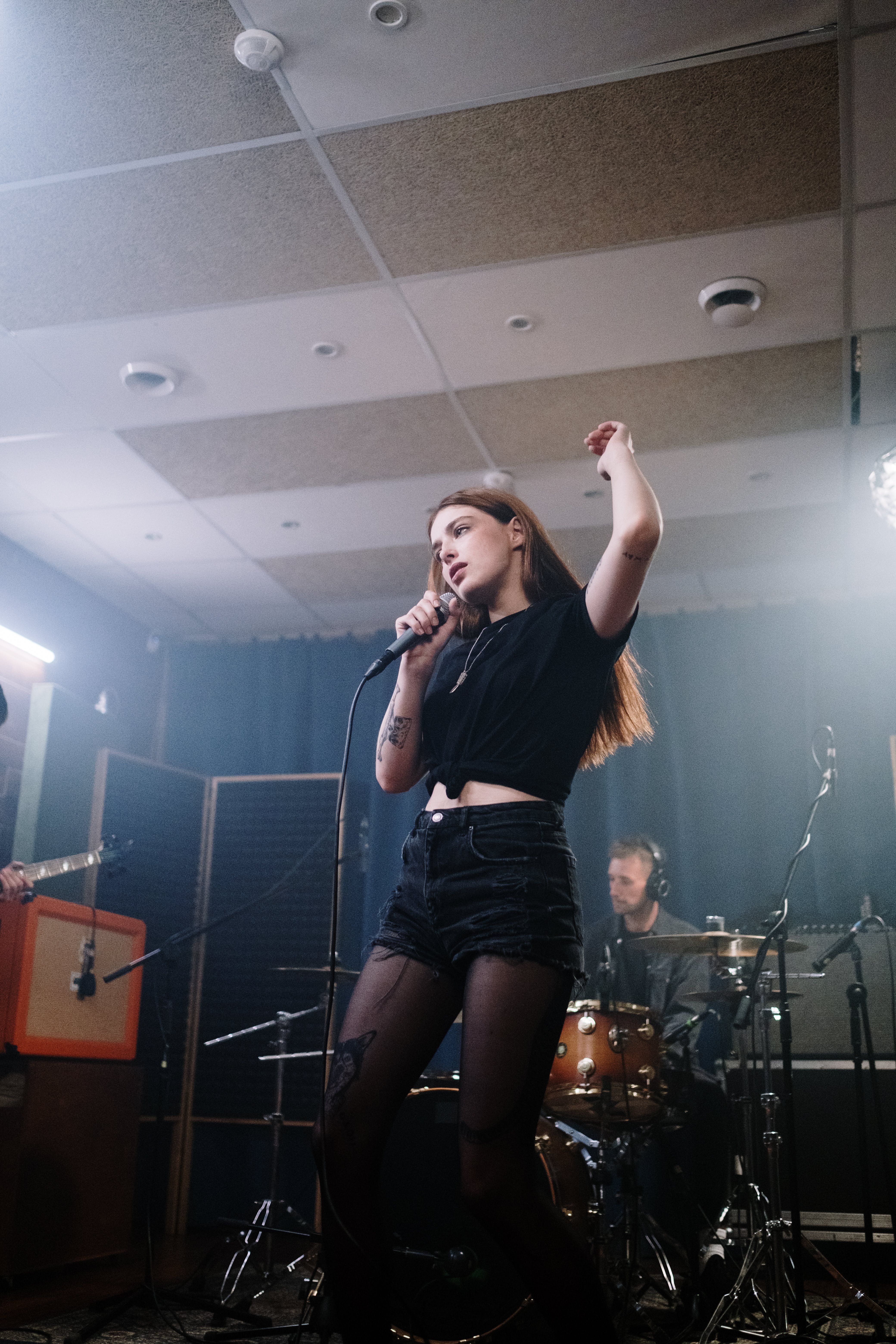
The United States boasts a plethora of major film festivals that draw both national and international attention. Among the most prestigious is the **Sundance Film Festival**, held annually in Park City, Utah. Sundance is renowned for its spotlight on independent films and has been instrumental in launching the careers of numerous filmmakers. Films such as *Little Miss Sunshine* and *Get Out* found early acclaim at Sundance, demonstrating the festival’s impact on the industry.
Another heavyweight in the festival circuit is the **Tribeca Film Festival**, established in 2002 by Robert De Niro, Jane Rosenthal, and Craig Hatkoff. Located in the heart of New York City, Tribeca celebrates a wide array of films, from documentaries to short films, and is known for its strong community focus and innovative programming. The festival has become a cultural touchstone, contributing significantly to the revival of Lower Manhattan post-9/11.
The **Telluride Film Festival** in Colorado, albeit smaller and more exclusive, is equally influential. Held every Labor Day weekend, Telluride is unique in that it does not announce its line-up in advance. This element of surprise, combined with its intimate setting, attracts cinephiles and industry professionals alike. Films like *Slumdog Millionaire* and *The Shape of Water* have premiered here, often kicking off their journey to the Oscars.
Also noteworthy is the **South by Southwest (SXSW) Film Festival** in Austin, Texas. Known for its eclectic mix of film, music, and interactive media, SXSW is a melting pot of creativity. It’s a key venue for discovering new voices and innovative storytelling methods, and it has become a cornerstone for tech and entertainment convergence.
These major festivals are just the tip of the iceberg when it comes to the vibrant festival landscape in the US. They not only showcase exceptional talent but also set the tone for trends and innovations in the film industry.
Regional and Niche Film Festivals

While major film festivals often steal the spotlight, **regional and niche film festivals** play a crucial role in enriching the cultural tapestry of the United States. These festivals offer unique perspectives and provide platforms for underrepresented voices, which might otherwise go unheard.
One such example is the **Seattle International Film Festival (SIFF)**, one of the largest film festivals in North America. Held annually in Seattle, Washington, SIFF spans over three weeks and features a diverse array of films from around the world. The festival is known for its enthusiastic audience and its support for independent filmmakers.
In the heart of the Midwest, the **Chicago International Film Festival** stands tall. As the longest-running competitive film festival in North America, it boasts a rich history of showcasing groundbreaking films. Chicago’s dynamic urban setting provides a vibrant backdrop for the festival, which prides itself on discovering new talent.
For those with a taste for the avant-garde, the **Ann Arbor Film Festival** in Michigan is a must-visit. Established in 1963, it is the oldest experimental film festival in the US. This festival is dedicated to showcasing experimental and independent films, often pushing the boundaries of traditional cinema. It’s a haven for artists who seek to explore unconventional narratives and filmmaking techniques.
Niche festivals also cater to specific communities and interests. The **Outfest** in Los Angeles, for example, is one of the world's leading LGBTQ+ film festivals. It provides a crucial platform for LGBTQ+ storytellers and is instrumental in promoting diversity and inclusion within the industry.
Another example is the **American Black Film Festival (ABFF)**, which celebrates Black culture and achievements in film. Held annually in Miami, Florida, ABFF is a cornerstone for African American filmmakers and has been pivotal in advancing the careers of many Black artists.
These regional and niche festivals are essential in ensuring that the film industry reflects the diverse society it serves. They foster a sense of community, celebrate unique voices, and contribute to the richness of the cinematic landscape.
Impact on Filmmakers and Communities

The importance of film festivals extends far beyond the screening of movies; they have a profound impact on both **filmmakers and communities**. For filmmakers, these festivals offer invaluable opportunities for networking, collaboration, and exposure. The recognition gained from being featured in a respected festival can be a game-changer, often leading to distribution deals, funding opportunities, and critical acclaim.
For instance, many independent filmmakers have launched their careers at festivals such as **Sundance** or **SXSW**. These festivals act as incubators for new talent, providing a platform to showcase their work to industry professionals, critics, and audiences. Winning an award or even just being part of the official selection can significantly boost a filmmaker's profile and open doors to future projects.
Moreover, film festivals are instrumental in fostering a sense of community. Local economies benefit from the influx of visitors, which can result in increased business for hotels, restaurants, and other local amenities. Festivals often collaborate with local organizations and schools, creating educational programs and workshops that engage and inspire the next generation of filmmakers. This symbiotic relationship helps to cultivate a thriving cultural environment.
Communities also gain a richer cultural experience through these festivals. They provide a platform for diverse voices and stories, allowing audiences to experience different cultures, perspectives, and ideas. This can lead to greater understanding and empathy within the community. For example, the **Atlanta Film Festival** not only showcases a wide range of films but also hosts panels and discussions that address social issues, thereby fostering meaningful conversations among attendees.
Additionally, film festivals can serve as a catalyst for social change. Documentaries and films that highlight pressing issues can inspire action and advocacy. The **Human Rights Watch Film Festival**, for instance, uses the power of storytelling to shine a light on human rights abuses and encourage activism. Through these powerful narratives, audiences are moved to become more socially conscious and engaged.
Overall, the impact of film festivals on filmmakers and communities is profound and multifaceted. They are not just about entertainment; they are platforms for education, cultural exchange, and social change, enriching both the film industry and the communities they serve.
Future Trends in US Film Festivals
The landscape of film festivals in the U.S. is continually evolving, driven by technological advancements, cultural shifts, and industry trends. One of the most significant **future trends** is the increasing integration of virtual reality (VR) and augmented reality (AR). These immersive technologies are transforming the way audiences experience films, offering interactive and engaging viewing experiences. Festivals like the Sundance Film Festival have already started to embrace VR and AR, offering dedicated sections for these cutting-edge narratives.
Another trend shaping the future of U.S. film festivals is the rise of **streaming platforms**. With the growing popularity of services like **Netflix**, **Amazon Prime**, and **Hulu**, filmmakers have more avenues to distribute their work. This shift is prompting festivals to adapt by incorporating hybrid models that combine in-person screenings with online streaming options. This approach not only expands the audience reach but also provides greater accessibility for those who cannot attend in person.
Diversity and inclusion are also becoming central to the mission of many film festivals. There's a growing emphasis on showcasing underrepresented voices and stories. Festivals are making concerted efforts to feature works by women, people of color, LGBTQ+ individuals, and other marginalized groups. This commitment to diversity enriches the cultural tapestry of the festival circuit and ensures a broader range of perspectives are heard.
Environmental sustainability is another emerging focus. As awareness of climate change grows, festivals are adopting eco-friendly practices, such as reducing waste, promoting recycling, and utilizing sustainable energy sources. The **Toronto International Film Festival (TIFF)**, for example, has implemented a comprehensive sustainability plan that serves as a model for other festivals to follow.
The future of film festivals in the U.S. also involves leveraging **big data and analytics**. By analyzing viewer preferences and trends, festivals can curate more personalized and relevant programs. This data-driven approach allows organizers to better understand their audiences and tailor their offerings to meet evolving tastes and interests.
Ultimately, the future of U.S. film festivals looks promising, with innovation and inclusivity at the forefront. These trends are not only redefining the festival experience but also ensuring that these events remain relevant and impactful in a rapidly changing world. Visit our website to learn more and get started today! Click here.