How Many Music Festivals Are There in the World? Find Out!
Explore the number of music festivals across the globe and discover how many music festivals are there in the world.
The world of music festivals is an ever-evolving landscape that brings together diverse cultures, genres, and communities. From the pulsating beats of electronic dance music in Ibiza to the soulful strains of jazz in New Orleans, music festivals have become a global phenomenon that transcends borders and unites people through the universal language of music.
Every year, thousands of music festivals are hosted across the globe, catering to a wide array of musical tastes and preferences. Whether you are a fan of rock, pop, hip-hop, classical, or indie music, there is a festival out there that will capture your heart and ignite your passion for live performances.
These events are not just about the music; they are immersive experiences that offer attendees a chance to explore new cultures, meet like-minded individuals, and create lasting memories. With breathtaking venues, world-class performers, and a vibrant atmosphere, music festivals have become a staple in the lives of music lovers everywhere.
Curious about how many music festivals are there in the world? Visit our website to learn more and get started today! Click here.
Historical Growth of Music Festivals
The history of music festivals is a rich tapestry that reflects the evolving tastes and cultural shifts of societies around the world. The earliest music festivals can be traced back to ancient times, where they often had religious or ceremonial significance. For example, the Pythian Games in ancient Greece featured musical competitions alongside athletic events, dating back to the 6th century BC.
In the modern era, the concept of large-scale music festivals began to take shape in the 20th century. One of the most notable early examples is the Newport Jazz Festival, which started in 1954 and became a seminal event in the jazz world. The 1960s and 70s saw an explosion of music festivals that captured the spirit of counterculture movements. Iconic events like Woodstock in 1969 and the Monterey Pop Festival in 1967 not only showcased legendary performances but also became cultural milestones.
The 1980s and 90s continued this trend with the rise of genre-specific festivals, such as Glastonbury in the UK, which has grown from a small gathering in 1970 to one of the largest and most influential festivals in the world. The advent of the internet and social media in the 21st century has further fueled the growth of music festivals, making them more accessible to a global audience and allowing for the rapid dissemination of festival experiences and artist performances.
Today, music festivals are a multi-billion dollar industry, attracting millions of attendees each year. They have become a key component of the music industry, providing artists with a platform to reach new audiences and fans with unforgettable experiences.
Types of Music Festivals Worldwide

Music festivals come in a dazzling array of types, each offering unique experiences tailored to various musical tastes and cultural preferences. From massive, multi-genre events to intimate gatherings focused on niche genres, the diversity of music festivals around the world is truly remarkable.
1. Multi-Genre Festivals: These are the heavyweights of the festival world, attracting vast crowds with eclectic lineups. Examples include Coachella in the United States, which features everything from rock and pop to hip-hop and electronic music, and Glastonbury in the UK, known for its wide-ranging acts and immersive experiences.
2. Genre-Specific Festivals: These festivals focus on particular styles of music, creating a specialized atmosphere for enthusiasts. Tomorrowland in Belgium is a prime example, renowned for its electronic dance music (EDM) lineup. Similarly, Newport Jazz Festival in the US is a haven for jazz aficionados.
3. Cultural and Heritage Festivals: Celebrating local traditions and music, these festivals offer a deep dive into regional cultures. Fes Festival of World Sacred Music in Morocco and India's Sunburn Festival are notable examples that showcase traditional music alongside more contemporary sounds.
4. Boutique and Indie Festivals: These smaller, more intimate events focus on indie and emerging artists. Green Man Festival in Wales and Pitchfork Music Festival in Chicago provide platforms for lesser-known acts, offering attendees a more personalized experience.
5. Urban Festivals: Held within city limits, these festivals integrate the urban environment into their setups. South by Southwest (SXSW) in Austin, Texas, combines music with film and interactive media, making it a multi-disciplinary extravaganza.
The variety of music festivals worldwide ensures that there's something for every kind of music lover, whether you're looking for mainstream hits, underground sounds, or cultural immersion.
Top Countries Hosting Music Festivals
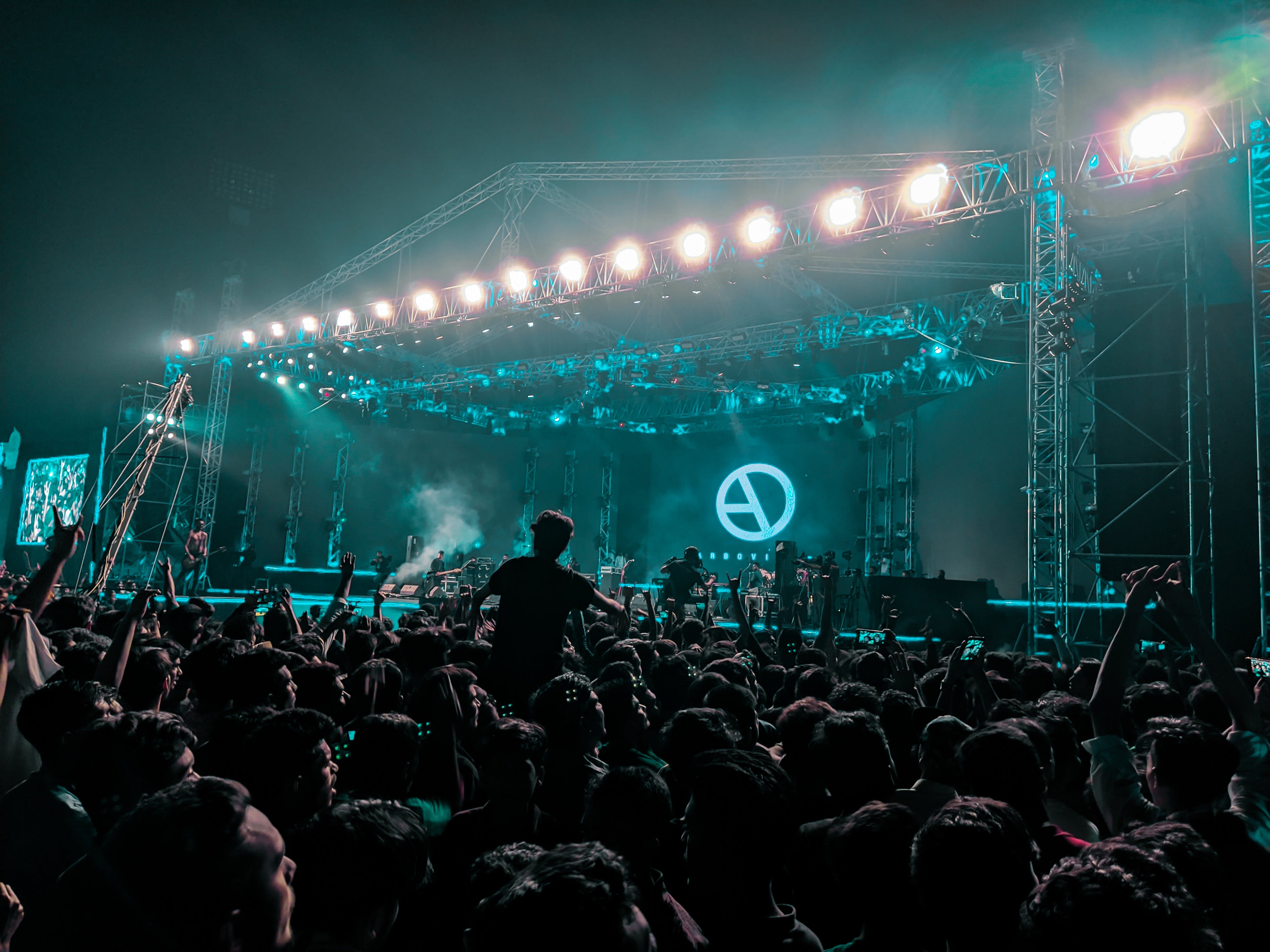
When it comes to hosting music festivals, some countries stand out for their rich festival cultures and world-renowned events. These countries not only host numerous music festivals but also attract international audiences, contributing significantly to their cultural and economic landscapes.
1. United States: The US is a powerhouse in the festival scene, with iconic events such as Coachella, Burning Man, and South by Southwest (SXSW). These festivals draw massive crowds and feature a wide range of genres, from rock and pop to electronic and hip-hop.
2. United Kingdom: The UK is home to some of the most historic and influential music festivals in the world. Glastonbury is perhaps the most famous, known for its eclectic lineups and cultural significance. Other notable festivals include Reading and Leeds, Isle of Wight, and Latitude.
3. Germany: Germany boasts a vibrant festival culture, particularly in the electronic music scene. Tomorrowland and Rock am Ring are among the top festivals, attracting music lovers from across the globe. The country also hosts the renowned Oktoberfest, which, while primarily a beer festival, features a significant musical component.
4. Belgium: Known for its spectacular electronic dance music (EDM) festivals, Belgium hosts the world-famous Tomorrowland. This event is a mecca for EDM enthusiasts, offering elaborate stage designs and a lineup featuring the biggest names in the genre.
5. Australia: With its sunny weather and laid-back vibe, Australia is a prime location for outdoor music festivals. Splendour in the Grass and Falls Festival are two of the country's most popular events, offering a mix of international and local acts.
These countries are just a few examples of the global destinations that have embraced the music festival culture, making them hotspots for both artists and fans alike. Each offers a unique flavor of musical celebration, ensuring that attendees have unforgettable experiences.
Impact of Music Festivals on Culture
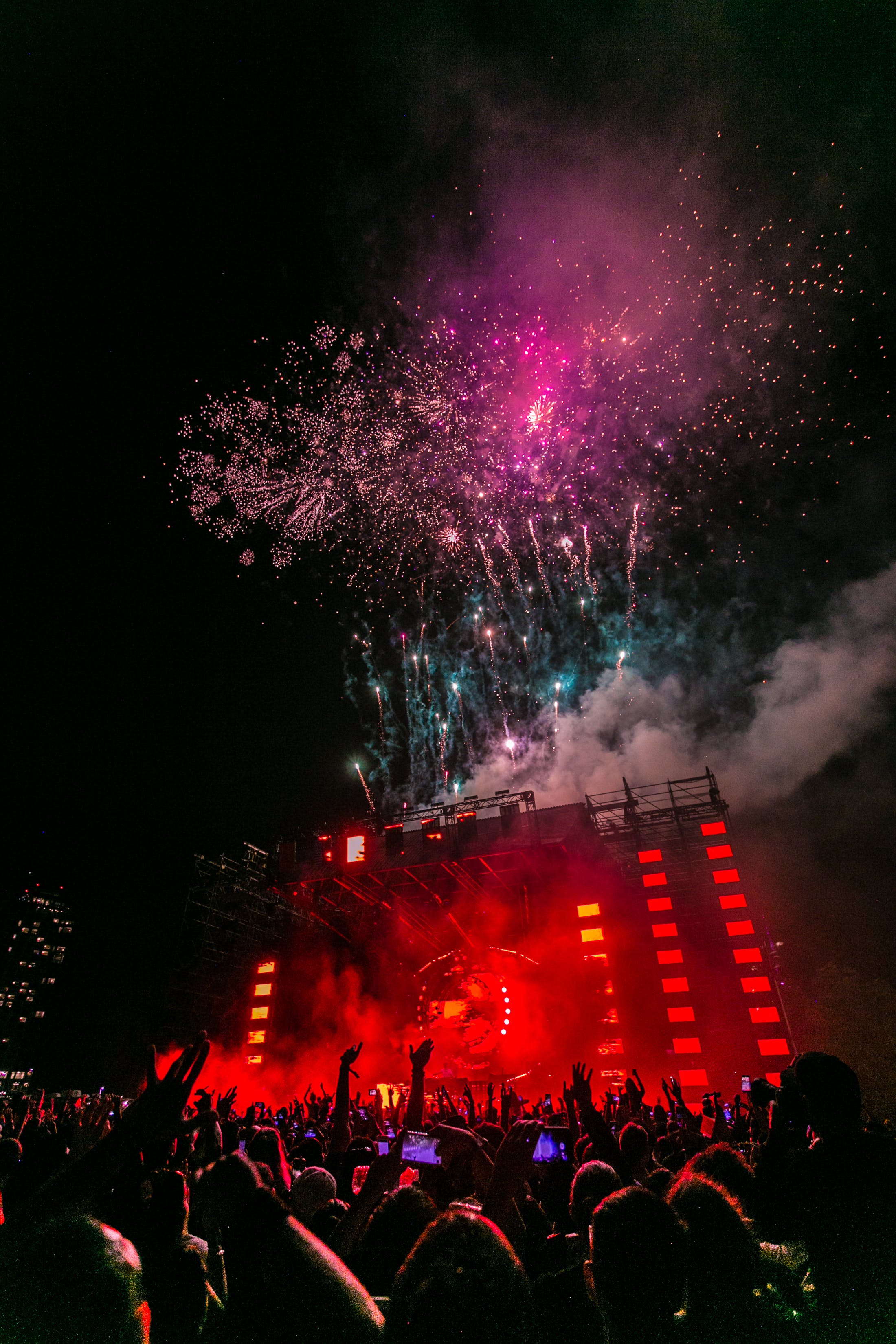
Music festivals are not just about the music; they are cultural phenomena that have a profound impact on the societies that host them. These events bring together diverse groups of people, fostering a sense of community and shared experience that transcends individual backgrounds.
One of the most significant cultural impacts of music festivals is the way they create spaces for artistic expression. Festivals like Burning Man and Glastonbury are known for their immersive art installations and performances, which encourage attendees to engage with art in new and interactive ways. This artistic freedom often leads to a cross-pollination of ideas and styles, enriching the cultural landscape.
Moreover, music festivals serve as platforms for cultural exchange. Events such as Tomorrowland and Coachella attract a global audience, bringing together people from various cultural and ethnic backgrounds. This melting pot of cultures promotes mutual understanding and appreciation, breaking down stereotypes and fostering international friendships.
Festivals also play a crucial role in preserving and promoting local cultures. For instance, events like the New Orleans Jazz & Heritage Festival celebrate the unique musical and cultural traditions of their regions. By highlighting local artists and customs, these festivals ensure that cultural heritage is passed down to future generations.
In addition to these cultural benefits, music festivals have a significant economic impact on their host communities. They generate revenue through ticket sales, tourism, and local business patronage. This influx of economic activity can lead to the revitalization of areas, funding for cultural institutions, and increased opportunities for local artists.
Overall, music festivals are vital cultural events that contribute to the artistic, social, and economic vitality of their communities. They are more than just gatherings for music; they are celebrations of human creativity and cultural diversity.
Future Trends in Music Festivals

As we look towards the future, music festivals are poised to evolve in exciting and innovative ways. One of the most significant trends is the integration of cutting-edge technology. From virtual reality experiences to advanced stage designs with augmented reality elements, festivals are increasingly becoming tech-savvy, creating immersive and unforgettable experiences for attendees.
Another emerging trend is the focus on sustainability. Many festivals are adopting eco-friendly practices to reduce their environmental footprint. Initiatives such as zero-waste policies, renewable energy usage, and sustainable food options are becoming more common. Events like Shambhala Music Festival are leading the way in promoting green practices, setting a new standard for environmentally conscious celebrations.
The rise of niche festivals is another trend shaping the future of music festivals. Instead of catering to broad audiences, these specialized events focus on specific genres, communities, or themes. Festivals like the Afropunk Festival and the Bluegrass Underground offer unique experiences tailored to their audiences, fostering a deeper connection and sense of belonging among attendees.
Health and wellness are also becoming integral components of the festival experience. Many festivals now offer yoga classes, meditation sessions, and wellness workshops, recognizing the importance of mental and physical well-being. This holistic approach ensures that attendees leave the event not just entertained, but rejuvenated.
Finally, the global pandemic has accelerated the trend of hybrid festivals, which combine in-person and virtual elements. This model allows festivals to reach a broader audience, providing access to those who can't attend in person. Virtual components such as live-streamed performances and interactive online experiences are likely to remain a staple in the future festival landscape.
As music festivals continue to innovate and adapt, they will undoubtedly remain a vital part of our cultural tapestry. These trends highlight the dynamic and ever-evolving nature of these events, ensuring that they will continue to captivate audiences around the world.
Visit our website to learn more and get started today! Click here.