How Many Woodstock Music Festivals Were There? Find Out Here!
Discover how many Woodstock Music Festivals have been held and delve into the history and legacy of this iconic event.
The Woodstock Music Festival is an enduring symbol of 1960s counterculture and a milestone in the history of music festivals. The inaugural event, held in August 1969 in Bethel, New York, drew an unexpected crowd of over 400,000 people, surpassing all expectations and cementing its place in popular culture. The festival was more than just a concert; it was a gathering that represented peace, love, and unity during a turbulent time in American history.
Originally billed as 'An Aquarian Exposition: 3 Days of Peace & Music,' the festival featured performances by some of the biggest names in music at the time, including Jimi Hendrix, Janis Joplin, and The Who. The lineup itself was a testament to the era's eclectic musical tastes, spanning genres from rock and folk to blues and jazz.
Since then, the legacy of Woodstock has continued to inspire generations, leading to several anniversary events and tributes. But how many Woodstock Music Festivals were there, and what made each one unique?
Stay tuned as we delve deeper into the history and legacy of these iconic events. For more fascinating insights into the world of music and pop culture, visit our website to learn more and get started today! Click here.
The Original 1969 Woodstock Festival
The original 1969 Woodstock Festival, held from August 15 to 18, was a monumental event that changed the course of music history. Organized by John Roberts, Joel Rosenman, Artie Kornfeld, and Michael Lang, the festival was originally intended as a profit-making venture but quickly evolved into a free concert due to the overwhelming turnout. Held on Max Yasgur’s dairy farm in Bethel, New York, the event faced numerous logistical challenges, including a lack of adequate facilities and food shortages.
Despite these hurdles, the festival is remembered for its iconic performances and the sense of community it fostered. Legendary acts such as Jimi Hendrix, whose electrifying rendition of 'The Star-Spangled Banner' became emblematic of the era, and Janis Joplin, whose raw energy captivated the audience, were just a few of the highlights. The festival also featured performances by The Who, Santana, and Crosby, Stills, Nash & Young, among others.
Beyond the music, Woodstock 1969 became a cultural touchstone. It was a gathering that embodied the ideals of peace, love, and communal living, offering a stark contrast to the political and social turmoil of the time. The event's success and its peaceful nature despite the massive crowd have left an indelible mark on American culture.
Woodstock 1969 was more than just a music festival; it was a defining moment for a generation. Its legacy continues to influence music festivals and cultural gatherings to this day, setting a benchmark for what such events can achieve.
Woodstock '94: The 25th Anniversary
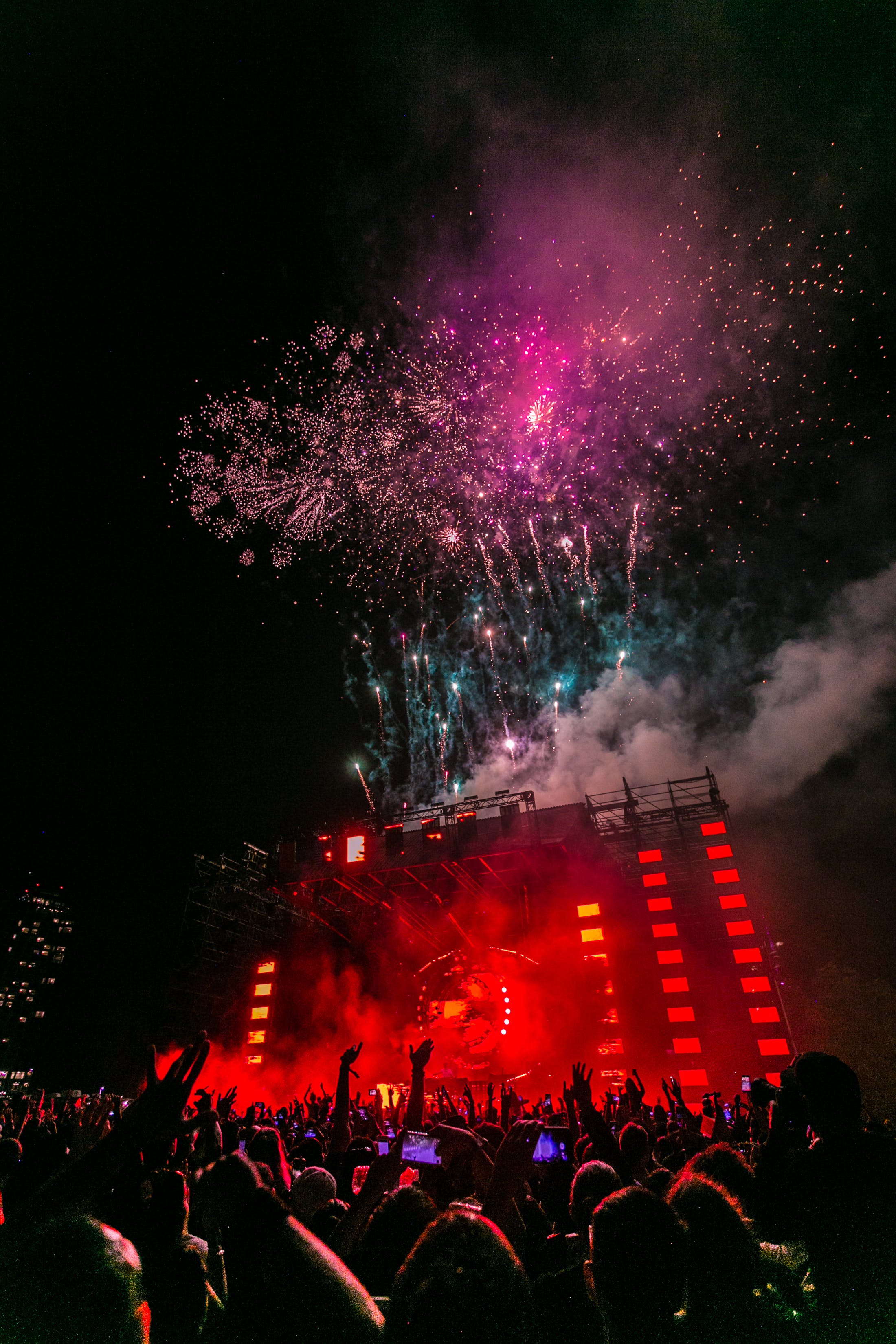
Twenty-five years after the original, Woodstock '94 aimed to recapture the spirit of the 1969 festival while appealing to a new generation. Held from August 12 to 14, 1994, in Saugerties, New York, the event was dubbed '2 More Days of Peace and Music.' With a lineup that blended classic rock legends with contemporary artists, the festival attracted an estimated 350,000 attendees.
Performers included iconic acts such as Aerosmith, Bob Dylan, and Crosby, Stills & Nash, alongside then-current stars like Green Day, Nine Inch Nails, and Red Hot Chili Peppers. One of the most memorable moments was Green Day's mud fight with the audience, which became a defining image of the festival.
Unlike the original Woodstock, Woodstock '94 was a commercial venture, with tickets sold for entry. However, the spirit of the event was challenged by the weather, as torrential rain turned the site into a mud-soaked landscape. Despite these conditions, the festival was deemed a success, capturing the essence of communal celebration and musical diversity.
Woodstock '94 also marked a significant shift in how music festivals were produced and marketed. The event was heavily promoted and featured extensive corporate sponsorships, setting a precedent for future large-scale music festivals. While it may not have reached the iconic status of the 1969 festival, Woodstock '94 managed to honor its legacy while creating new, unforgettable memories for a younger audience.
In many ways, Woodstock '94 served as a bridge between the original festival's idealism and the modern festival era, blending nostalgia with contemporary trends to create a unique cultural experience.
Woodstock '99: Controversial Edition
Woodstock '99, held from July 22 to 25, 1999, in Rome, New York, is often remembered more for its controversies than its music. Billed as a celebration of peace, love, and music, the festival instead became infamous for its chaotic and violent end.
The lineup featured a mix of rock, metal, rap, and alternative acts, including Metallica, Rage Against the Machine, Limp Bizkit, and Red Hot Chili Peppers. While the performances were electrifying, the festival's organization and conditions were far from ideal. High ticket prices, overpriced food and water, and inadequate facilities created a tense atmosphere among the roughly 400,000 attendees.
The incendiary conditions came to a head during Limp Bizkit's performance, where their song 'Break Stuff' seemed to incite the crowd, leading to vandalism and aggressive behavior. The festival's final night saw even more chaos, with fires breaking out across the venue during the Red Hot Chili Peppers' set. As the band played a cover of Jimi Hendrix's 'Fire,' the juxtaposition was stark and unsettling.
Reports of sexual assaults, theft, and vandalism further marred the event's reputation. Critics and attendees alike condemned the festival's organizers for failing to ensure the safety and well-being of the audience. The aftermath of Woodstock '99 left a bitter taste, starkly contrasting with the idealistic vision of its predecessors.
Despite its troubled legacy, Woodstock '99 serves as a significant cultural touchstone, reflecting the complexities and challenges of large-scale music festivals at the turn of the millennium. It highlighted the need for better planning, security, and respect for festival-goers, lessons that have shaped the music festival industry ever since.
Canceled Woodstock 50 in 2019
Woodstock 50, intended to celebrate the 50th anniversary of the original 1969 festival, was a highly anticipated event that ultimately never came to fruition. Scheduled for August 16-18, 2019, the festival was planned to take place at Watkins Glen International, a racetrack in New York. The lineup promised a blend of iconic artists and contemporary acts, including Jay-Z, Miley Cyrus, The Killers, and Santana, aiming to bridge generations of music lovers.
However, from the outset, Woodstock 50 faced numerous logistical and financial challenges. Issues with securing permits, venue changes, and disagreements between organizers and investors plagued the planning process. In April 2019, one of the festival's primary investors, Dentsu Aegis Network, announced the cancellation of the event, citing concerns over the capacity to produce a high-quality experience for attendees.
Despite these setbacks, organizer Michael Lang, who was also one of the original Woodstock co-founders, remained determined to proceed. Efforts to move the festival to new locations, including Vernon Downs and Merriweather Post Pavilion, were met with resistance and further complications. As the clock ticked down, artists began to pull out, and the festival lost its final venue option.
On July 31, 2019, just a couple of weeks before the planned dates, Woodstock 50 was officially canceled. The organizers released a statement expressing their disappointment and citing insurmountable challenges. The cancellation marked a significant moment in the history of Woodstock festivals, highlighting the evolution of the music industry and the increased complexities of organizing large-scale events.
While Woodstock 50 never took place, its story serves as a reminder of the enduring legacy and challenges of preserving the spirit of the original Woodstock in a modern context.
Legacy and Cultural Impact of Woodstock
The legacy and cultural impact of Woodstock extend far beyond the music festival itself, permeating various aspects of society and pop culture. The original Woodstock in 1969 became a symbol of the counterculture movement, embodying ideals of peace, love, and music. It was not just a concert but a powerful social statement that resonated with a generation seeking change and unity amid the turbulent 1960s.
Woodstock's influence can be seen in the way it redefined large-scale music festivals. Modern festivals like Coachella, Glastonbury, and Bonnaroo owe much of their ethos and structure to the pioneering spirit of Woodstock. The idea of gathering hundreds of thousands of people to celebrate music and culture in an open, communal environment became a blueprint for subsequent festivals worldwide.
Moreover, Woodstock's cultural impact is evident in various forms of media and art. Countless documentaries, books, and films have chronicled the event, each adding to the mythos of Woodstock. The festival has been referenced in TV shows, movies, and even fashion, with 'Woodstock-inspired' styles making recurrent comebacks.
The ideals of Woodstock also continue to inspire activism and social movements. The festival's message of peace and community resonates with contemporary causes, from environmental sustainability to social justice. For many, Woodstock remains a beacon of hope and possibility, a reminder that music and collective action can indeed make a difference.
In essence, Woodstock's legacy is a testament to the power of music as a unifying force. It has cemented its place in history as more than just an event but as a cultural phenomenon that continues to inspire and influence generations.
Want to dive deeper into the history and impact of Woodstock? Visit our website to learn more and get started today! Click here.