How the Middle Class Ruined Music Festivals - Shocking Truth
Explore how the rise of the middle class has changed music festivals, from commercialization to the loss of authentic experiences.
Music festivals have long been a cornerstone of the cultural landscape, offering a unique blend of communal experience, live performances, and the freedom to immerse oneself in a world of music. From the legendary Woodstock of 1969 to the modern-day extravaganzas like Coachella and Glastonbury, these festivals have evolved significantly over the decades.
Originally, music festivals were intimate gatherings that celebrated countercultural movements and provided a platform for emerging artists. They were a haven for those who sought to escape the mainstream and indulge in a sense of *authenticity* and *community*. However, as these events gained popularity, they began to attract a wider audience, leading to a transformation in their essence and execution.
In this article, we explore the pressing question: how the middle class ruined music festivals. We will delve into the commercialization, the shift in audience demographics, and the resultant impact on the quality and authenticity of these events. Join us as we uncover the shocking truth behind the changes in the music festival scene. Visit our website to learn more and get started today!
Rise of the Middle Class

The post-World War II era marked a significant economic shift, leading to the rise of the middle class in many parts of the world. This newfound economic stability allowed more people to indulge in leisure activities, including attending music festivals. The burgeoning middle class had disposable income and a desire for experiences that went beyond traditional entertainment avenues.
With more people able to afford tickets, music festivals began to see a dramatic increase in attendance. What was once a niche event catering to countercultural movements started to become mainstream. The influx of middle-class attendees brought with it different expectations and demands, significantly altering the landscape of music festivals.
This demographic shift led to a change in the way festivals were organized and marketed. Event organizers started to focus on making festivals more accessible and appealing to a broader audience. This included offering more amenities, such as gourmet food options, VIP packages, and luxury accommodations. While these changes made festivals more inclusive, they also contributed to the loss of the original *authentic* and *bohemian* spirit that had once defined these events.
The rise of the middle class did not just bring financial benefits; it also brought a wave of commercialization that would forever change the face of music festivals. As we explore further, we will see how these changes have impacted the authenticity and quality of the festival experience.
Commercialization of Music Festivals
The influx of middle-class attendees inevitably led to the commercialization of music festivals. As these events shifted from niche gatherings to mainstream extravaganzas, the potential for profit became increasingly apparent. Corporations and brands saw an opportunity to tap into a captive audience, leading to a surge in sponsorships and advertising.
Festivals that once prided themselves on grassroots origins and a sense of community began to embrace corporate partnerships. Big brands started to sponsor stages, and logos became ubiquitous, plastered across everything from banners to merchandise. This shift wasn't just superficial; it fundamentally changed the nature of these events. The focus began to move away from the music and culture, centering instead on maximizing revenue and brand exposure.
Commercialization also brought about changes in ticket pricing and availability. Early festivals were often low-cost or even free, designed to be accessible to all. However, as profit motives took over, ticket prices soared, and exclusive VIP packages became the norm. This not only limited access for many but also altered the demographic makeup of festival-goers.
Moreover, the emphasis on commercial success led to a homogenization of festival lineups. Organizers, driven by the need to sell tickets and satisfy sponsors, started booking mainstream, commercially successful acts. This sidelined emerging and experimental artists, leading to a loss of the diverse and eclectic musical experiences that had once been a hallmark of these festivals.
While commercialization has enabled the expansion and professional management of music festivals, it has also diluted the original ethos of these gatherings. As we continue to explore, we will delve into how this shift has impacted the overall experience for festival-goers.
Impact on Festival Culture
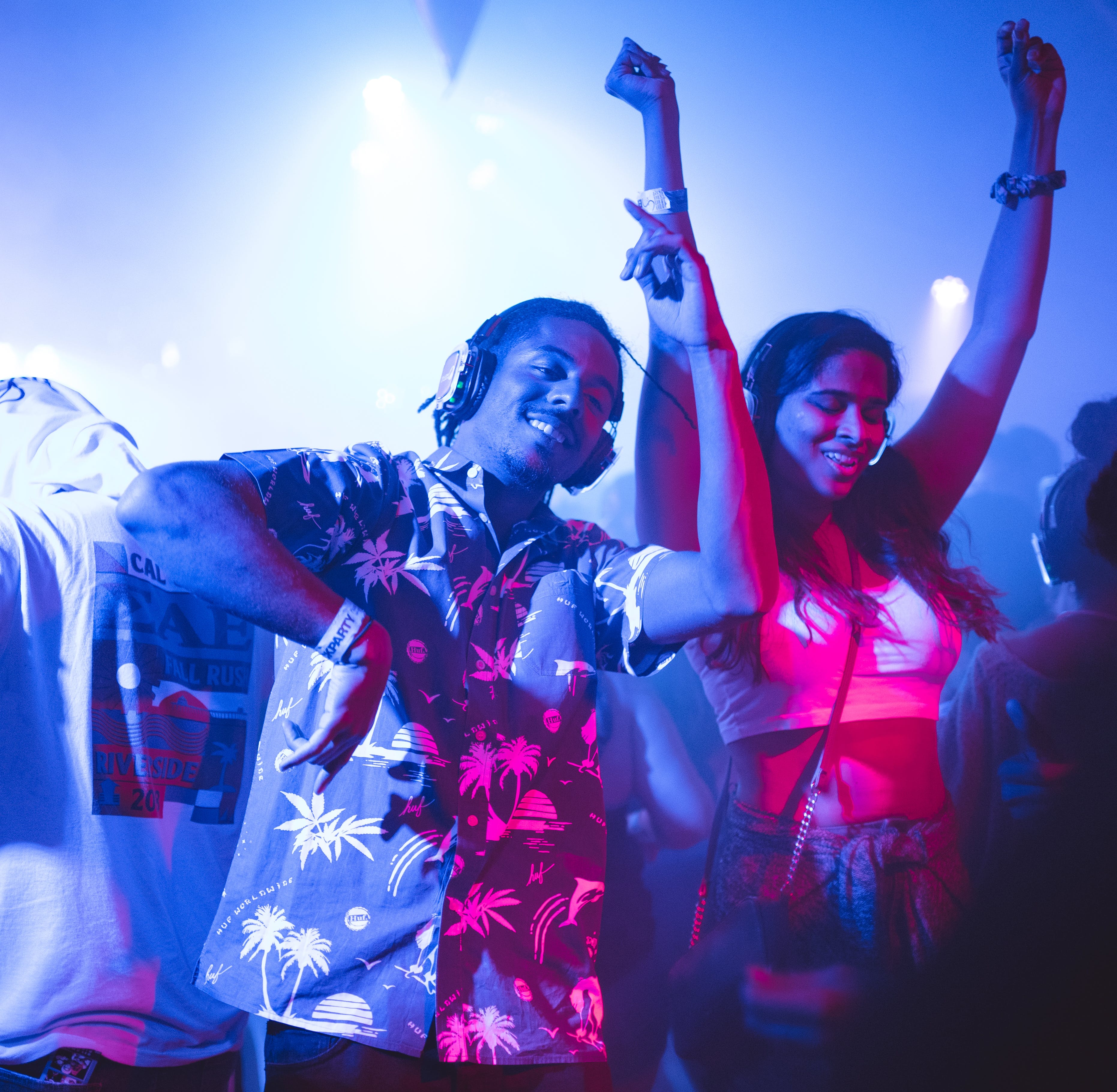
The commercialization of music festivals has had a profound impact on the very culture that once made these events unique. Historically, festivals were a place for artistic expression, community bonding, and cultural exchange. However, as profit motives took precedence, the cultural landscape of these gatherings began to shift.
One of the most significant changes has been the loss of an *authentic festival experience*. With corporate sponsors and commercial interests dictating much of the festival environment, many traditional elements have been overshadowed by marketing and branding efforts. This has led to a more uniform and less spontaneous atmosphere, detracting from the sense of discovery and adventure that once defined these events.
Furthermore, the rise in ticket prices and the introduction of VIP areas have created a divide among attendees. What used to be a communal experience has now become stratified, with exclusive areas and perks for those who can afford them. This economic segregation undermines the inclusive spirit that festivals were originally meant to foster and often results in a less cohesive community vibe.
Additionally, the focus on mainstream acts has marginalized the avant-garde and emerging artists who once had a platform to showcase their talents. This shift not only limits the diversity of the musical experience but also stifles the innovative and experimental aspects of festival culture. As a result, the rich tapestry of music, art, and alternative lifestyles that characterized early festivals has been significantly diluted.
The impact on festival culture is evident in the way these events are perceived and experienced today. While they continue to draw large crowds, the essence of what made festivals a cultural phenomenon has been compromised. The blending of commercial interests with artistic expression has created a new festival paradigm, one that often prioritizes profit over genuine cultural exchange.
Loss of Authentic Experiences

The influx of the middle class into the music festival scene has led to a significant *loss of authentic experiences*. In the early days of music festivals, the focus was on the music, the artists, and the unique camaraderie that came from shared passions. Attendees were there for the love of the art and the community it fostered. However, with the growing popularity and commercialization of these events, the landscape has changed dramatically.
One of the most noticeable changes is the shift towards a more consumer-driven experience. Festivals are now saturated with corporate sponsorships, brand activations, and high-priced merchandise. This commercial presence often overshadows the original purpose of the festival, turning it into an opportunity for companies to market their products rather than a celebration of music and culture. The result is an environment that feels more like a shopping mall than a gathering of like-minded individuals.
Moreover, the quest for profit has led to the homogenization of the festival experience. Many festivals now feature the same lineup of mainstream artists, reducing the opportunity for attendees to discover new, underground, or niche acts. This not only limits the diversity of the musical offerings but also diminishes the sense of adventure and discovery that was once a hallmark of these events.
Additionally, the drive to accommodate larger crowds has led to overcrowded venues, longer lines, and less personal space. The intimate, immersive environments that allowed for genuine connections and memorable experiences have been replaced by sprawling, impersonal setups. This has a profound impact on the overall atmosphere of the festival, making it harder for attendees to feel a sense of belonging and connection.
Finally, the rise in ticket prices has made festivals less accessible to many people, particularly those from lower-income backgrounds. This economic barrier further erodes the inclusive nature of festivals, creating a more exclusive and less diverse audience. The democratizing spirit that once defined music festivals is increasingly being replaced by a more elitist culture, where the ability to pay dictates one's level of enjoyment and access.
The loss of authentic experiences at music festivals is a troubling trend that reflects broader changes in the industry. As these events become more commercialized and profit-driven, the genuine connections, cultural exchanges, and artistic discoveries that once defined them are increasingly at risk of being lost.
Future of Music Festivals
As we look towards the future of music festivals, it's clear that changes are inevitable. The rise of the middle class and the resulting commercialization have reshaped these events in profound ways. However, this doesn't mean that the future is bleak. In fact, many in the industry are optimistic about the potential for music festivals to evolve and adapt to current challenges.
One potential trend is the return to smaller, more intimate gatherings. As attendees seek out more authentic experiences, there is a growing demand for boutique festivals that prioritize quality over quantity. These events focus on curating unique lineups, offering immersive experiences, and fostering a strong sense of community. By limiting the number of attendees, they can create a more personal and memorable atmosphere that harkens back to the roots of music festivals.
Another promising development is the incorporation of technology to enhance the festival experience. Virtual reality (VR) and augmented reality (AR) are being explored as ways to create more interactive and engaging environments. These technologies can offer new ways for festival-goers to connect with the music, the artists, and each other, even in crowded settings. Additionally, advancements in live streaming and digital platforms mean that more people can access and enjoy festivals remotely, broadening the reach and inclusivity of these events.
Sustainability is also becoming a key focus for the future of music festivals. With growing awareness of environmental issues, many festivals are adopting eco-friendly practices such as reducing waste, using renewable energy, and promoting sustainable transportation options. These efforts not only help to minimize the environmental impact of festivals but also resonate with a more conscientious audience.
Moreover, there is a push towards greater diversity and inclusion within the festival scene. Organizers are increasingly aware of the need to represent a wider range of voices and perspectives, both on stage and in the audience. This includes booking a more diverse lineup of artists, creating safe and welcoming spaces for all attendees, and ensuring that ticket prices are accessible to a broader demographic.
In conclusion, while the middle class has undeniably changed the landscape of music festivals, there are many opportunities for positive growth and innovation. By embracing smaller, more authentic events, leveraging new technologies, prioritizing sustainability, and championing diversity, the future of music festivals can be both vibrant and inclusive. For more insights on how the festival scene is evolving, visit our website to learn more and get started today! Click here.