How To Do Cinematography
A lot of people talk about cinematography as if it’s an easy skill to learn, but that isn’t really true. It takes years to master the craft, especially if you want to do it professionally.
That doesn’t mean though that there is not enough material out there for anyone who wants to get into the field. You will find lots of helpful information online, as well as some free resources such as YouTube videos!
Many movie studios offer courses or even diploma programs in filmmaking, which can include learning how to use camera equipment, light, sound, and color schemes, among other things.
If you are already working in film as a cameraman then you have already mastered part of the art of cinematic photography. By now you have learned how to manipulate lights and shapes, create interesting shadows, and use different levels of lighting to convey a mood or story.
But all of those tricks are only half of what makes up good cinematography. The rest includes knowing when to use them and how to apply them effectively. This article will go more in depth with both.
Prepare your equipment
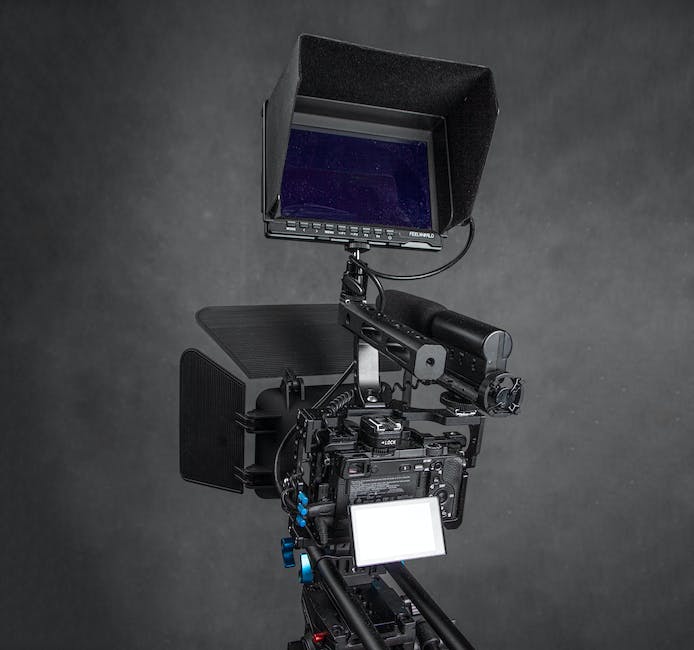
After you determine the genre of film that you want to shoot, what comes next is preparing your gear. This includes buying or renting additional pieces of camera equipment and/or investing in an advanced photography kit.
There are many ways to start filming and there’s no wrong way! Many people begin with their smartphone first before moving up to more expensive gadgets. While using a DSLR does take longer to master than using something mobile, it will always be worth it!
A great way to learn how to do cinematography is by taking some general classes at a local college or community center. There are many free resources available online as well! Once you have mastered the basics, you can advance onto more complex courses.
General tips: When shooting video, keep in tempo! Add some bounce off the floor or use white paper as a backdrop to create a natural looking setting. Use neutral colors for best results.
Practice your filming techniques
As mentioned before, cinematographers are very specific with their artistic skills. They have a ton of different styles they use in filming scenes or shots. Each style is tailored for an individual movie or series!
Many film artists start by practicing basic shooting techniques and then advance onto more advanced ones. These basics can be moving around, establishing camera angles, and recording footage.
There are many great resources online that can teach you all these fundamentals of filmmaking. Many free sites allow you to create a account so that you do not need to pay money to learn how to shoot a scene.
This will help you get better at it too because you will not be forced to purchase expensive materials or software packages to access them.
Choose the right location

Choosing your shooting locations is an integral part of cinematographic filming. Different types of settings require different levels of preparation, so you should be aware of the basics before picking a spot to film.
General tips: Are there any rules about where it’s okay to shoot? Is it too bright or dark? Does it have enough natural light? Can we cover everything with a blanket or do people need to dress for outside activities?
These are just some of the things that can influence whether or not a given setting is appropriate. Make sure to check out before booking a long-term stay at a hotel!
Another important thing to consider is how well connected the area is via transportation. If you don’t feel comfortable taking public transport, think twice if this will work as an adequate place to film during non-working hours.
Think about the lighting

A good starting place for cinematographers is thinking about how light can be used in your film. Lighting is one of the most important part of filming because it changes what you want the viewer to perceive of a scene.
Light shapes perception, so creating different types and using them properly is an integral part of filmmaking. For example, strong directional lights like lamps or flash guns are typically used to create shadows, emphasize shape, and draw attention away from something.
Thicker, softer sources of light are used to illuminate people and objects, making them look more natural and comfortable. These sources of light are also used to bring out detail in the lit object or person.
The final key element in effective lighting is unity. There should be only one main source of light in a given area and it should not shift or fluctuate. This keeps the image consistent and does not require too much adjustment on the photographer’s part.
Use composition
A good cinematographer will use strong compositions frequently in their films, building upon this concept. This is when they take your eye off of the space for a little while and create a sense of balance and direction.
They may place an object or person in a certain position to help direct the viewer’s gaze or emphasize a theme. These are all part of creating a narrative that someone else created!
Keep looking at the screen with open eyes; don’t look down or away too much. It’s hard to do, but try to avoid looking directly into the camera either!
When shooting action, keep editing out unnecessary clutter so you can focus only on what matters-the characters and the story.
Don’t get distracted by flashy lights, moving vehicles, or anything similar to make sure your attention stays on the actors and the plot.
These tips apply not just to still photos, but also to filmed material.
Pay attention to detail
As we mentioned before, cinematographers spend a lot of time paying close attention to little details in the movie they are filming. This includes things like checking light levels, finding appropriate locations, and ensuring there is enough space for the director’s team to work comfortably.
They also make sure everything is organized and accessible so that everyone has easy access to their equipment. All these small touches really add up to help tell the story of the film!
As you begin exploring the art of cinematography as a hobby or career, be aware of all the different components of this craft. What kind of lighting do they use? Is it natural light only, or both natural and artificial? Are there special effects used?
All of these parts come together to create an immersive experience for the viewer.
Be familiar with your equipment
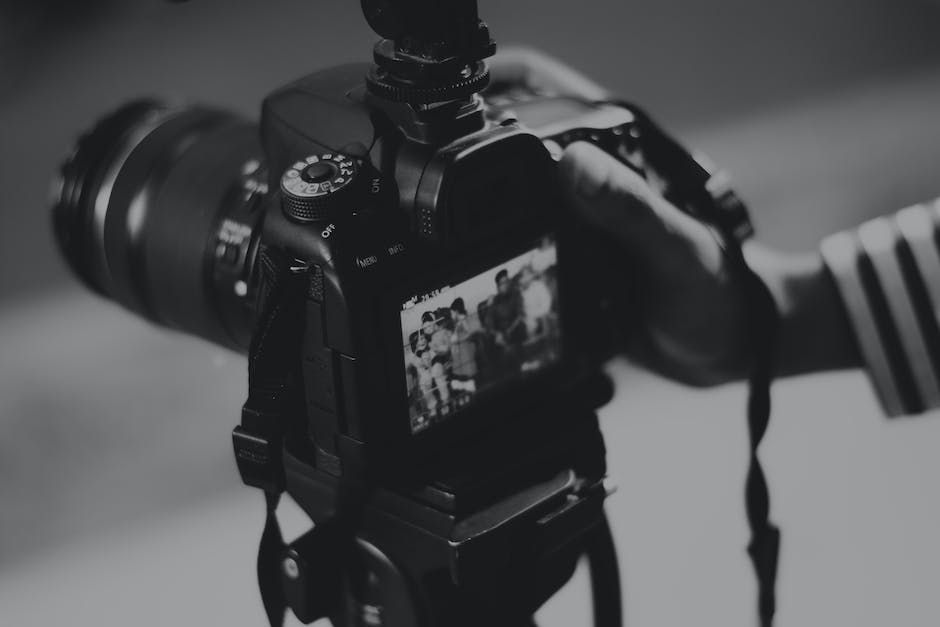
As mentioned before, being able to work efficiently with light is one of the most important things to learn as a cinematographer. You will need to know how to use all parts of your camera so that you can take the best possible pictures under different lighting conditions.
There are many ways to achieve this. Some people focus more on using faster shutter speeds to create beautiful night scenes while others experiment with various gels and filters to add dramatic effects to the image.
The only thing everyone seems to agree on is that good lighting is essential for high quality photographs.
Prepare your shots

After you have gathered all of your gear, it is time to start thinking about how to use this equipment! The first thing that most people do not consider when trying to get great cinematographic images with their camera is setting up their shot properly before taking the actual photo.
This seems like an obvious tip but many photographers forget this part because they are so concerned about getting that perfect frame immediately after planning the photograph.
By doing this, they lose out on some very powerful opportunities to capture more beautiful photographs. By being aware of these tips, you will begin to enjoy capturing much more interesting photos in addition to learning more about lighting, depth of field, and other key concepts within photography.
Light does not always remain constant in nature, and creating light yourself takes practice. Luckily, there are several ways to achieve excellent natural light filming situations.