How To Enhance Cinematography
When it comes down to it, cinematographers are artists. They create pictures that appeal to the eye and subconsciously influence viewers.
Their artistic touches include using light and color in ways to emphasize mood or setting, creating shots with long lenses for appearance, silhouettes for tension, and moving through spaces or time frames to tell a story.
Many of these effects can be done manually by the DP (director of photography), but many are now automated or have easy tools to mimic them. Technology has made it possible to achieve some of these looks without having to hire an artist!
In this article, we will go over several methods to enhance your cinematic style via technology. We will also talk about which ones are helpful and what to use them for.
Pay attention to little details
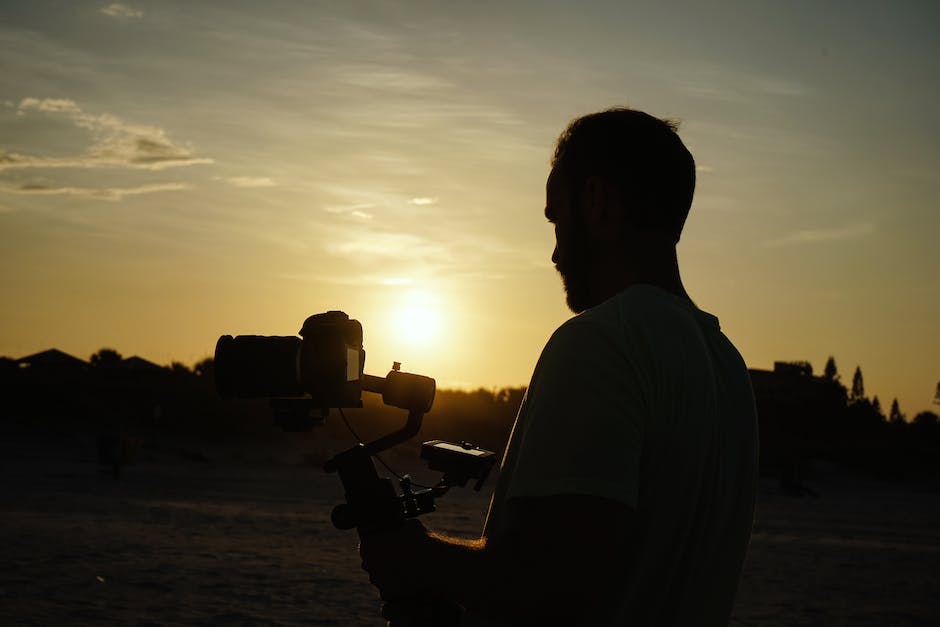
As we mentioned before, cinematographers spend a lot of time paying close attention to the larger pieces of their craft, like lighting, color grading, and filming styles. But there are many more small things that can make a difference in how well you shoot a film or video.
These include things such as choosing your lens wisely, understanding shutter speed, and knowing when to use fast motion or not. Beyond that, there are some additional tips and tricks for improving your cinematic photography skills.
One of our favorite ways to enhance photographic style is by using artificial light sources. By incorporating natural sunlight into your photos, sunsets and candlelight, for example, you can add new depth to your images while also experimenting with different creative concepts.
Another way to achieve this is by using off-the-shelf products! There are so many settings and gadgets out there designed to create beautiful lights, and most of them are very affordable.
Use lighting to its fullest
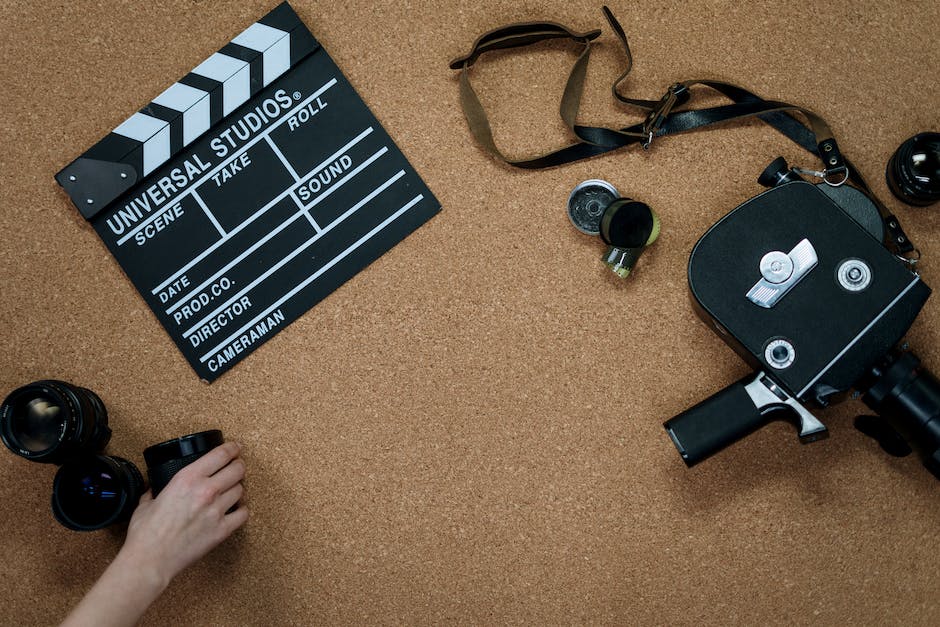
When it comes down to enhancing cinematographic style, one of the first things you can do is use light to its utmost potential. There are many ways to add light to your film to make it look more cinematic.
You can create natural sunlight by using large softboxes or bare bulbs in a window setting. By doing this, the light will naturally spread as it reflects off the surface outside.
Alternatively, if there’s no sun available, then you can use portable power sources like flashlights or smartphone flashes to brighten up the area.
These types of lights can be placed close together or far apart depending on the design of the shot.
Know the basics

As we mentioned before, cinematographers are very specific about their craft. So, it is important that you understand the fundamentals of how they work so you can take what they do seriously.
Interference patterns in lighting are one such fundamental. A lot of people assume that because photographers use light as an exposure tool, then cameramen must also. This isn’t necessarily true!
Cameras actually have something called aperture which allows us to control the amount of light coming into the lens. Beyond this, there are three main components of the camera equipment that affect the way light gets recorded-the shutter, the lenses, and the recording device (cassette or digital).
The shutter controls the length of time that light is allowed to expose the film/recording device
lenses limit the size of the area that light may penetrate
the recording device either absorbs or reflects some proportion of incident light
All three influence the intensity and quality of light captured by the camera, but unfortunately for us amateur filmmakers, the first two don’t directly relate to each other. That is, changing the shape or thickness of your lenses will not increase the luminance of the image unless you also change the ratio of depth of field.
Changing the distance between your subject and the background will only enhance contrast if the background is completely out of focus.
Practice makes perfect

As with any other skill, cinematography is not immediately mastered after you learn how to do it. It takes time to develop your skills enough to achieve high levels of quality work. While there are some very popular cinematographers who have never received an award for their work, most professional cinematographers have many awards and achievements under their belts before becoming a full-time shooter.
It’s important to remember that even though top shooters may have won several trophies, they will almost certainly continue to hone their craft well into their career. Being able to recognize a great shot when you see it is a valuable tool in developing your own style as a filmmaker!
Furthermore, while getting more experience is always helpful, don’t get distracted by all those flashy shots being done by other people. Sure, studying the techniques of others can help you pick up tips, but investing time in learning about lighting, camera equipment, and cinema production will give you much better results in your personal style.
Keep up with new techniques
As we already mentioned, cinematographers are always experimenting with different ways of shooting scenes or filming our favorite movies.
They are constantly looking into better ways to achieve their goal which is making your film look aesthetically pleasing.
By staying aware and in touch with what their contemporaries are doing, you can pick up some great tips and tricks that they have implemented into their craft.
You also get to admire their work as these artists often spend lots of time developing their skills so there are plenty of resources available for direct inspiration.
In fact, many big name movie directors will publish their own tools and approaches to improve your filmmaking technique.
These could be things such as using a tripod instead of handhelds, alternative lighting schemes or software packages for editing, color grading or visual effects.
Learn to edit
A very important part of enhancing your cinematography is learning how to do editing. This can mean doing basic cut-up work or more advanced editing techniques like re-shooting, re-lighting, and re-filming.
Editing allows you to create new scenes by moving pieces around and adjusting intensity and value of light. It also gives you the opportunity to explore different styles and approaches to filming and photography.
Basic cutting is just taking one thing out and putting another in its place. More complex editing includes changing the overall story line, adding new characters, and exploring other genres such as action or thriller.
There are many ways to learn how to edit. You can take some classes at a college or community center, purchase an easy edition software program, or teach yourself through YouTube videos and blogs.
General tips: Use a computer for editing instead of using the phone app versions or desktop programs that cost money.
Know the difference between good and great photography
A nice, smooth photograph is not enough these days. Technically competent pictures that are just pretty shots will get limited appreciation.
The growing popularity of digital photography has made it easy to take beautiful images, but there is a risk in going too far down this path.
Too many people with now have access to incredible amounts of photo-editing software which can easily be overused. While some photographers use Photoshop for legitimate purposes, most simply recycle or remix other peoples’ photos!
As such, the market becomes saturated with aesthetically pleasing imagery, making it harder to stand out. Your photographs may even become indistinguishable from others like theirs.
This isn't necessarily a bad thing, but you should know how to differentiate your work from the rest if you want it to be seen beyond the confines of your hard drive.
Be consistent
As discussed before, cinematographers have many different tools they use to enhance the visuals of their films. They also use these tools consistently throughout all parts of a film to create an effect.
Some examples of enhancing your camera technique include using longer exposure times for more natural looking images, shooting in tight quarters to add depth, or using off-camera lighting sources such as lamps or flash to emphasize setting or story.
All of these can be done professionally, but creating aesthetically pleasing shots does not require expensive equipment. There are several free resources available online that contain tips and tricks for advanced techniques.
You do not need professional level gear to achieve great results! Having a basic understanding of how light works is all you need to start experimenting with.