How to Host a Music Festival: Tips for Success!
Learn how to host a music festival with expert tips on planning, promoting, and executing a successful event that resonates with audiences.
When it comes to how to host a music festival, understanding the essentials of planning is critical for a successful event. The first step involves setting clear objectives and defining your festival's unique identity. This includes deciding on the genre of music, the target audience, and the overall vibe you want to create. For example, a family-friendly festival may have a very different atmosphere compared to one focused on underground electronic music.
Next, consider the location. Choosing the right venue is paramount, as it needs to accommodate the expected audience size, provide essential amenities, and comply with local regulations. Whether it's a park, beach, or a dedicated festival grounds, the site should enhance the festival experience.
Another essential aspect is budgeting. Outline all potential expenses, including artist fees, sound and lighting equipment, staffing, marketing, and insurance. Creating a comprehensive budget will help you secure sponsors and ticket sales effectively. To promote your festival, leverage social media platforms and local partnerships, which can help in reaching your target audience more efficiently.
Don't forget to focus on safety and logistics, such as crowd control, emergency services, and accessibility for all attendees. These details are crucial in ensuring a smooth and enjoyable experience for everyone involved.
To dive deeper into the intricacies of music festival planning, visit our website to learn more and get started today! Click here.
Choosing the Right Location for Your Festival
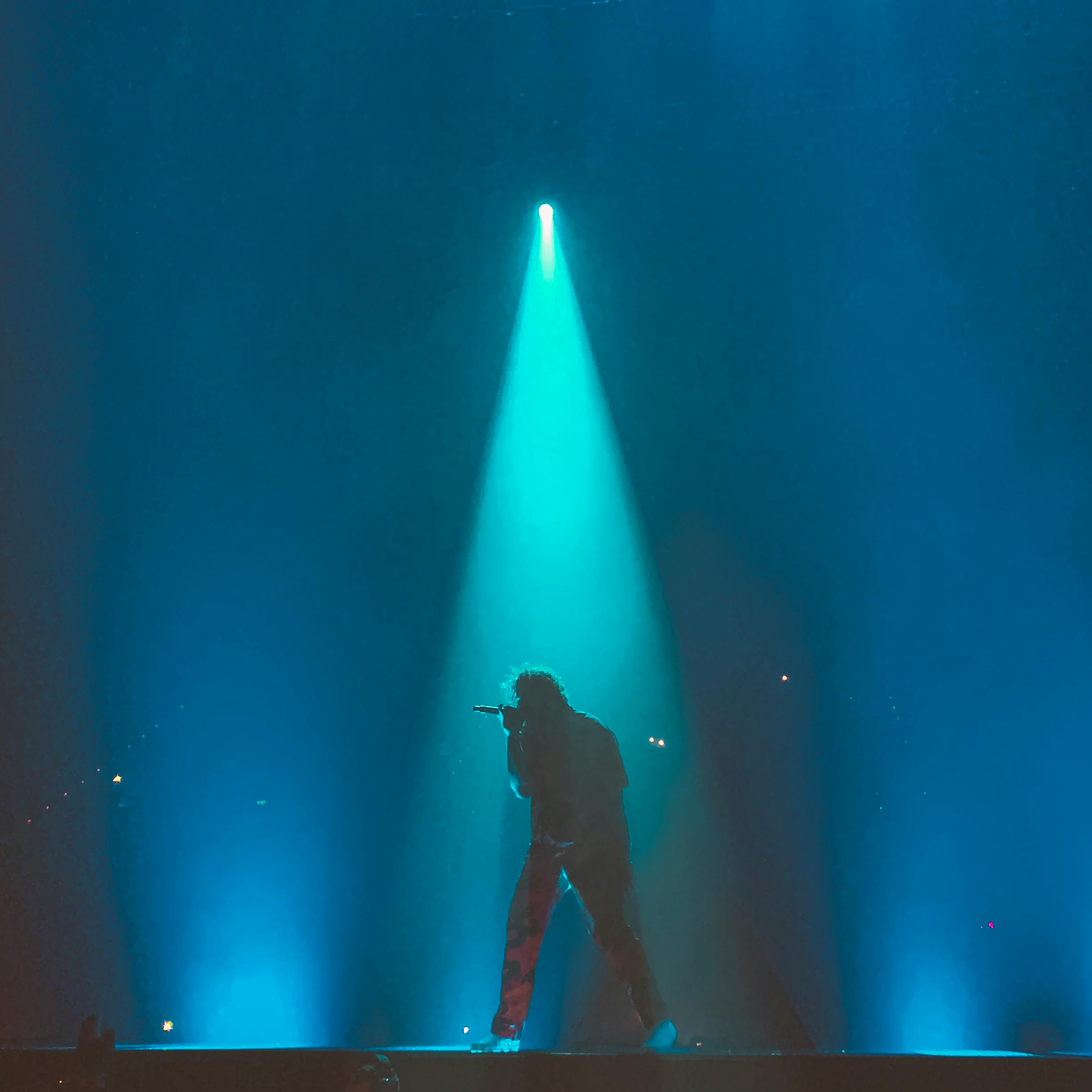
Choosing the right location for your music festival is one of the most crucial decisions you'll make during the planning process. The venue not only affects the festival atmosphere but also plays a significant role in logistics, safety, and audience engagement.
First and foremost, consider the capacity of the location. Ensure that the venue can comfortably accommodate your expected audience size while allowing for movement and activities. A space that feels overcrowded can lead to a negative experience, while a venue that is too large may feel empty and uninviting.
Next, evaluate the infrastructure available at the site. Look for locations with adequate facilities, including restrooms, parking, and food and beverage options. If these amenities are lacking, attendees may leave with a less-than-ideal impression of your festival.
Accessibility is another important factor. Ensure that the location is easy to reach by public transport and has sufficient parking for those who drive. Consider the needs of attendees with disabilities, ensuring that your venue complies with accessibility standards.
Additionally, think about the surrounding environment. A picturesque backdrop can enhance the festival's overall vibe, making it more appealing for attendees to share their experiences on social media. Locations surrounded by natural scenery or iconic landmarks can provide excellent photo opportunities, further promoting your event.
Finally, be aware of any local regulations and permits required for hosting a festival. Make sure to check with city officials about noise ordinances and gathering restrictions to avoid any legal issues.
Budgeting and Financing Your Music Festival

When it comes to planning a music festival, budgeting and financing are essential components that can determine the success of your event. Establishing a clear and realistic budget is the first step in ensuring that you have the resources needed to bring your vision to life.
Start by identifying all potential income sources. This can include ticket sales, sponsorships, merchandise, and food and beverage sales. Consider setting different tiers for ticket pricing, such as early bird specials or VIP packages, to maximize revenue.
Once you've estimated your income, it's time to outline your expenses. Key areas to consider include:
- Artist Fees: Allocate a significant portion of your budget to secure talent that draws audiences.
- Production Costs: This encompasses sound systems, lighting, staging, and other technical requirements.
- Permits and Insurance: Ensure you factor in the costs for necessary permits and insurance to protect your event.
- Marketing and Promotion: Budget for advertising to attract attendees, including social media campaigns, posters, and local partnerships.
- Staffing: Don’t forget to budget for hiring security, volunteers, and other essential staff needed to run the festival smoothly.
Once you have a comprehensive list of income and expenses, review your budget meticulously. Adjust your projections as necessary and ensure you have a contingency plan in place for unforeseen expenses. Being prepared for unexpected costs can help prevent financial strain as the festival date approaches.
Finally, consider exploring funding options if your budget is tight. Crowdfunding, grants, or partnerships with local businesses can provide additional financial support. Engaging with the community can also enhance your festival's reach and credibility.
Marketing Strategies to Promote Your Festival
Effective marketing is crucial for the success of any music festival. Implementing targeted marketing strategies can help you create buzz, attract attendees, and ensure a memorable experience. Here are several approaches to consider:
1. Leverage Social Media: Utilize platforms like Instagram, Facebook, Twitter, and TikTok to reach a wider audience. Create engaging content, including behind-the-scenes footage, artist interviews, and countdowns to the event. Encourage attendees to share their excitement using a dedicated festival hashtag.
2. Collaborate with Influencers: Partner with local influencers or music bloggers who resonate with your festival's target audience. Their endorsements can significantly boost your festival's visibility and credibility. Consider offering them complimentary tickets or exclusive access in exchange for promotion.
3. Email Marketing: Build an email list early on and keep potential attendees informed with regular updates. Share exclusive announcements, artist lineups, and ticket release dates. Personalized emails can increase engagement and encourage ticket purchases.
4. Create Compelling Visuals: Invest in high-quality graphics and promotional videos that showcase the festival's atmosphere and lineup. Eye-catching visuals can be used across all marketing channels, including social media, websites, and print materials.
5. Engage the Local Community: Develop partnerships with local businesses and organizations to cross-promote your festival. This could include collaborations with restaurants, shops, or hotels that can offer discounts or packages for festival-goers.
6. Utilize Traditional Media: Don’t overlook traditional media outlets such as radio, newspapers, and local magazines. Consider running ads or hosting interviews to reach audiences who may not be active online.
By implementing a mix of these strategies, you can create a comprehensive marketing plan that resonates with your target audience and drives ticket sales. Remember, the goal is to create excitement and anticipation leading up to the event, ensuring that your festival is a must-attend occasion.
Building a Lineup of Talented Artists

The success of your music festival heavily relies on the lineup of talented artists you curate. A well-thought-out lineup not only attracts attendees but also enhances the overall experience of the event. Here are some key strategies to help you build an enticing artist lineup:
1. Identify Your Target Audience: Understanding your audience is crucial when selecting artists. Consider their musical preferences, demographics, and the type of atmosphere you want to create at the festival. This will guide your choices and ensure that the artists resonate with festival-goers.
2. Mix Established and Emerging Talent: A successful lineup often features a blend of renowned headliners and up-and-coming artists. Established acts draw attention and ticket sales, while emerging talent can surprise and delight attendees, offering them something fresh and unique.
3. Diversify Genres: To cater to a broader audience, consider including a variety of music genres. From rock to electronic, hip-hop to indie, a diverse lineup can appeal to different tastes and keep the energy dynamic throughout the festival.
4. Collaborate with Booking Agents: Building relationships with booking agents can help you secure the artists you desire. They can provide valuable insights into availability, pricing, and help negotiate contracts, ensuring you get the best talent for your event.
5. Consider Local Talent: Incorporating local artists not only supports the community but also helps create a strong connection with the audience. Local acts often have dedicated followings and can draw in attendees who may not be familiar with other artists on the lineup.
6. Monitor Current Trends: Stay updated on music trends and popular acts within your festival’s genre. Keeping an eye on rising stars and viral sensations can help you make timely decisions about who to book and ensure your lineup feels relevant and exciting.
Building a talented artist lineup takes careful planning and consideration. By focusing on diversity, audience preferences, and industry connections, you can create an unforgettable experience that keeps festival-goers coming back year after year.
Executing a Seamless Music Festival Experience

Executing a seamless music festival experience is the culmination of all your planning efforts and is essential for ensuring that attendees have a memorable time. To achieve this, attention to detail, effective communication, and thorough preparation are key. Here are some strategies to help you execute a smooth event:
1. Create a Comprehensive Schedule: Develop a detailed schedule that outlines set times for each artist, vendor operations, and other activities throughout the festival. This allows attendees to plan their day effectively and minimizes confusion.
2. Efficient Logistics Management: Logistics play a critical role in the smooth operation of any festival. Coordinate transportation for artists, set up stages, and ensure that sound and lighting equipment are tested in advance. Having a clear plan for load-in and load-out times will help avoid delays.
3. Train Your Staff: Invest time in training your staff and volunteers. They should be well-informed about their roles, the festival layout, and emergency protocols. This will ensure they can assist attendees and resolve issues swiftly.
4. Foster Open Communication: Maintain clear lines of communication among all festival stakeholders, including artists, vendors, and staff. Utilize walkie-talkies or communication apps to stay connected, which will facilitate quick decision-making during the event.
5. Plan for Contingencies: No event is without its challenges. Prepare for unexpected situations such as weather changes, technical difficulties, or artist cancellations. Have backup plans in place to address these issues without disrupting the festival.
6. Prioritize Safety: Ensure the safety of all attendees by having security personnel on-site, clear emergency exits, and medical assistance readily available. Communicate safety protocols to staff and attendees to foster a secure environment.
By focusing on these elements, you can create an engaging and smooth festival experience that resonates with your audience. Visit our website to learn more and get started today! Click here.