How To Improve Cinematography
As we already mentioned, cinematography is an integral part of filming movies. Beyond just creating beautiful shots, great cinematographers make effective use of their tools to tell a story through camera placement, coverage, rhythm, and overall aesthetic.
Many aspiring filmmakers start taking pictures before deciding how they want to film their stories. The number one mistake most new directors make is not having a plan for lighting, camera positions, or narrative structure.
Having a pre-planned movie can sometimes feel like a broken leg - you have to go into it with the knowledge that it will probably fail and you’ll need to reevaluate your plans, but at least you’re aware of what could happen. It’s much better than being in a situation where you’re shooting without any preparation and hope for the best!
In this article, we’ll be talking about some ways to improve your cinematic storytelling via photography. We’ll discuss basic concepts such as backgrounding, leading, and establishing shots, along with some easy tips and tricks to apply them to your own creative process.
Pay attention to little details

As we mentioned before, cinematographers spend a lot of time paying close attention to all the major components of filming a scene. But there are many more small things that make a difference in how well your film looks.
These include things like lighting, background and ambient light, camera angles, shutter speed, etc. All of these factors contribute to creating an aesthetically pleasing look for your movie.
When it comes down to it, great cinematography is just about making sure everyone else can’t see what you put in place for them to see.
Ask for feedback
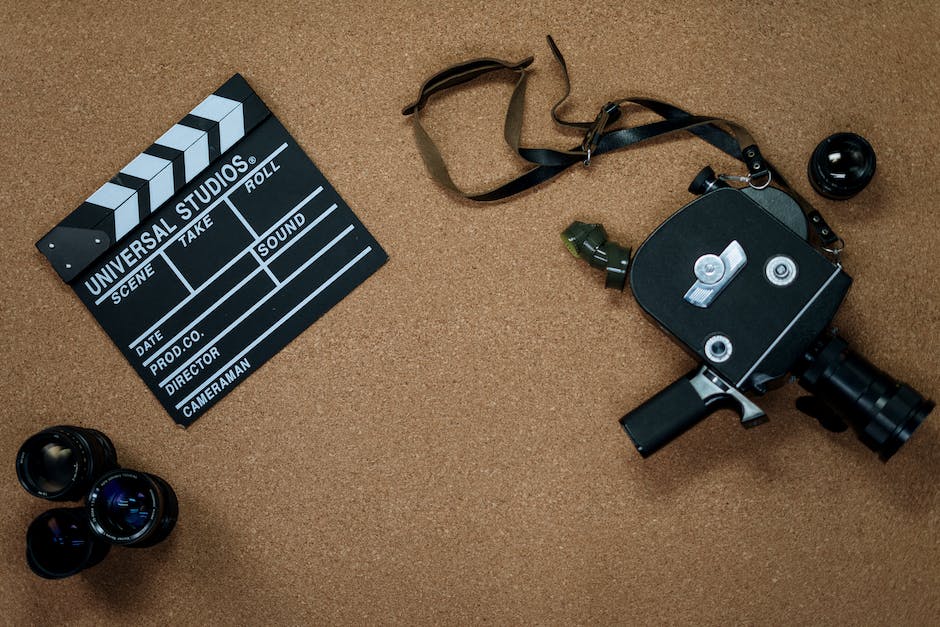
Asking other people about your work is one of the most effective ways to improve as an artist. Whether you are creating stills, videos or both, asking others to look at your work and give their honest opinion can be very insightful!
The best way to do this is through Instagram. There you can upload your work and get comments, likes and messages. Some may even offer tips or suggestions that could help you push your artistic boundaries.
By doing so, they will definitely bring something new to your eye-sight which can only benefit you.
And don’t forget, you should always listen to them with an open mind; some good ideas might come from someone who has done similar things before. You never know when a golden nugget will emerge.
Another way to ask for feedback is via social media. People have conversations all the time, and most people enjoy talking about art.
Try new things
As mentioned before, being a great cinematographer does not happen overnight! It takes time to learn the craft and there are always newer techniques being introduced with technology.
There are many ways to improve your cinematography skills, so try out different types of shots and edit them together to see what works best for you.
By experimenting with different styles, you will also find that some don’t work as well and can be fun to break down why.
This is totally fine! We all have different styles we like and it is okay to keep using those if they work for you. But do not get stuck in a rut because of lack of experimentation.
Take this advice to heart and make sure you do not stop practicing your craft just because you thought you had everything worked out already.
Use your imagination
As we have seen, cinematographers are very creative individuals that bring unique styles into their work. They use their creativity in bringing out the most interesting angles, patterns, and shapes of scenes.
They also use their creativity in choosing how to portray moods or emotions. A classic example of this is when they use lighting to create an eerie feeling. Or them using music to add intensity to a scene.
All of these things can be done by anyone with a camera! You do not need to be trained as a professional photographer to apply some of these tips. In fact, many of them will probably make you feel more comfortable in front of the camera because they are simple concepts.
Learn to use the different lighting techniques
In filming, cinematographers develop their skills in light source manipulation. These include using natural light, camera flashes, or both! They also learn how to apply special effects like flares, glows, and reflections.
As you can probably tell, most of these lights are powered by electricity. This means that there are several ways to control them. Some more practical ways are using socket-based power sources (such as normal lamps) and battery packs.
However, one of the best ways to improve your cinematography is to gain knowledge about phototrials. A phototerial is when a photographer uses pictures instead of direct light for illumination.
Phototersials usually consist of two types: long exposures and stroboscopic. The first creates an effect similar to slow motion while the second produces a flickering glow.
Practice makes perfect

As mentioned before, cinematography is a very specific set of skills that take time to learn. Therefore, unless you are already creating some amazing shots, do not give up. It will take you hours to get good at it, so keep practicing!
There are many ways to improve your cinematographic knowledge and technique. You can read books or watch documentaries to dive in more thoroughly. There are also plenty of free resources available via social media, blogs, and YouTube.
Making changes to how you shoot photos or videos can help you hone your craft even more. For example, by using longer exposures, you can create interesting silhouettes or textures. Experimenting with different shutter speeds can show new depth to otherwise boring photographs.
When editing your films, remember to use neutral colors for backgrounds and shades of gray for shadows. This will balance out the film and make it look cleaner. Grayscale movies have become popular recently as well because of this reason.
Your overall tone and expression can be adjusted through lighting, gels, and filters. Using light sources such as lamps, sunsets, and flash helps achieve these goals.
Know your equipment
As with any artistic field, knowing what tools you have access to is a key part in improving your skills. If you are not familiar with the different camera types, brands, and features, then it will be difficult to take advantage of all they offer.
There are many different cameras out there that people use to create great looking cinematographic images. Different settings and features must be known before trying to achieve a professional look. For example, some cameras feature an automatic shutter speed while others do not. An automatic shutter can be helpful as it does the work for you!
Another important factor is having a light source. A natural sun or candle light setting is ideal, but you would need proper lighting to photograph a house or other area that does not have enough illumination. Using a flashlight can also help illuminate areas when needed.
If necessary, buying a second hand good quality camera can make a big difference towards achieving the perfect shot. Try out different models to see if they feel comfortable to use and learn how to maximize their potential.
Be consistent

As mentioned before, having great cinematographers means having great consistency. If you watch their work several times, you will notice that they use certain tools and techniques consistently throughout all of their projects.
This is important to note because it shows how professional they are as artists. They have mastered their craft by using the right tool for the job every time!
As such, if you want to learn more about this field, be prepared to experiment with different types of cameras, lighting equipment, and filming styles until you find one that you like and can use in your own photography or filmmaking career.
Also remember that even though some professionals may not use specific gear anymore, do not feel limited due to what equipment you have. There are many ways to achieve beautiful results when editing photos and videos later!
Improving your cinematic storytelling skills does not necessarily require expensive new pieces of camera equipment, but instead taking advantage of free resources available online and experimenting with them.