How to Perform at Music Festivals Like a Pro!
Learn how to perform at music festivals like a pro with expert tips on preparation, stage presence, crowd engagement, and more.
One of the key elements of learning how to perform at music festivals is understanding your audience. Festivals are unique environments filled with diverse crowds, each bringing their own energy and expectations. Whether you're on a small stage or a main headliner slot, knowing who you're performing for can significantly enhance your stage presence and overall performance.
First, it’s essential to recognize the demographic of the festival attendees. Are they primarily young adults looking for the next big thing, or are they more focused on established artists? This will help you tailor your setlist and interaction style. Here are some tips to consider:
- Engagement: Pay attention to how the crowd responds. If they’re vibing with a particular song, consider extending that moment with a solo or call-and-response.
- Visuals: Use your stage presence to captivate the audience. Eye contact, gestures, and movement can create a deeper connection.
- Interaction: Encourage participation by asking questions or inviting them to sing along. This makes them feel like they’re part of the experience.
By understanding your audience, you can create a memorable performance that resonates with them and establishes a connection. Visit our website to learn more and get started today! Click here.
Preparing Your Setlist for Maximum Impact
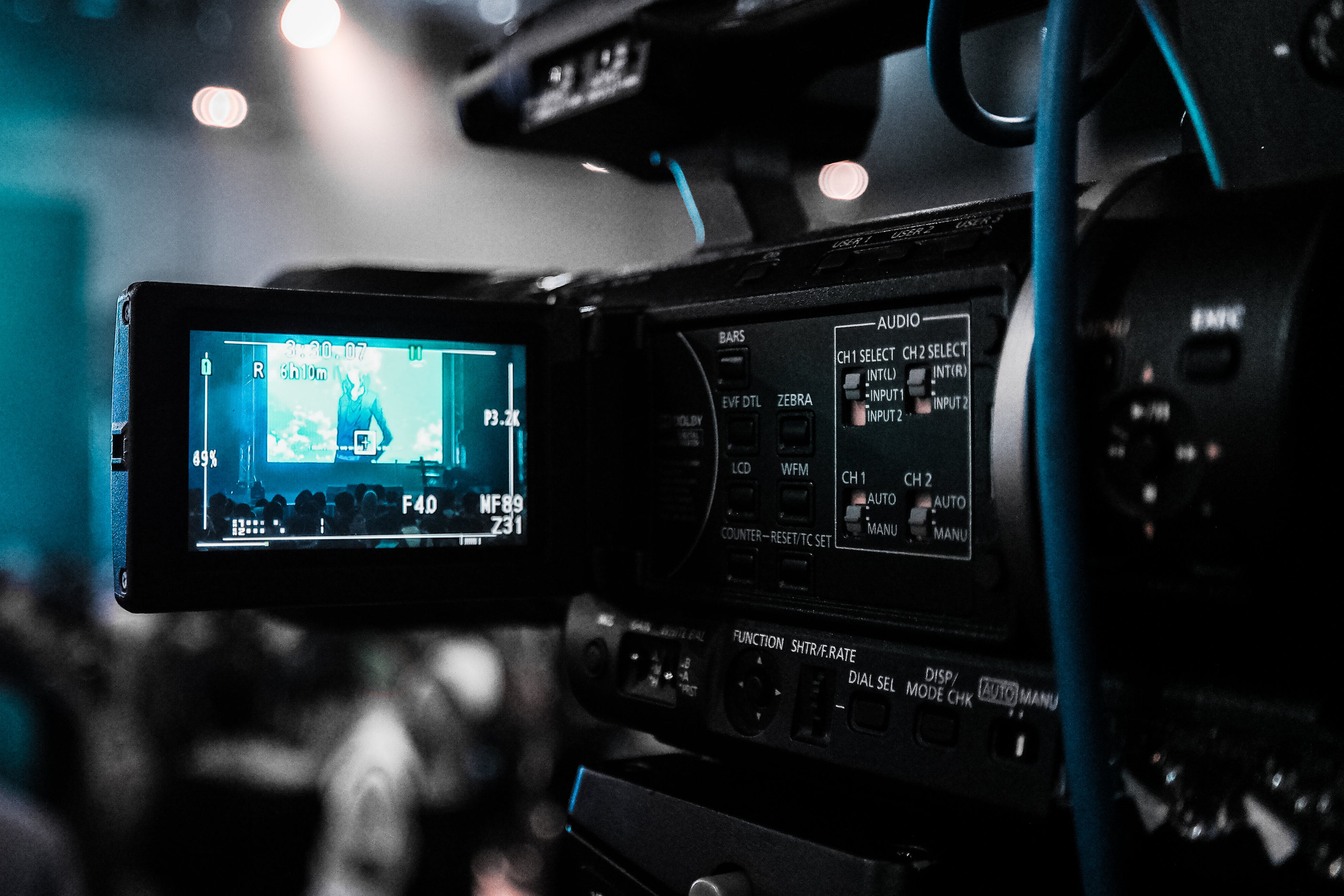
Crafting a compelling setlist is a crucial step in mastering how to perform at music festivals. Your setlist not only defines the flow of your performance but also determines how the audience experiences your music. Therefore, careful consideration during the preparation process is essential for achieving maximum impact.
Start by analyzing the length of your set. Festivals often have strict time constraints, so ensure that your setlist fits within the allotted time while maintaining energy and engagement. Here are a few strategies to keep in mind:
- Opening Strong: Begin with a high-energy song that grabs attention and sets the tone for your performance. This can hook the audience right from the start.
- Dynamic Flow: Vary the tempo and mood throughout your set. Mixing upbeat tracks with slower songs allows the audience to experience a range of emotions, keeping them engaged.
- Highlight Key Tracks: Incorporate your hits or crowd favorites that resonate well with festival-goers. This not only excites the audience but can also spark participation.
- Consider Transitions: Smooth transitions between songs can maintain the energy and flow of your set. Think about how one song leads into the next, creating a seamless experience.
Lastly, rehearse your setlist multiple times to ensure that you’re comfortable with both the musical and performance aspects. This preparation will allow you to focus on connecting with the audience during the actual performance.
Mastering Stage Presence and Performance Skills
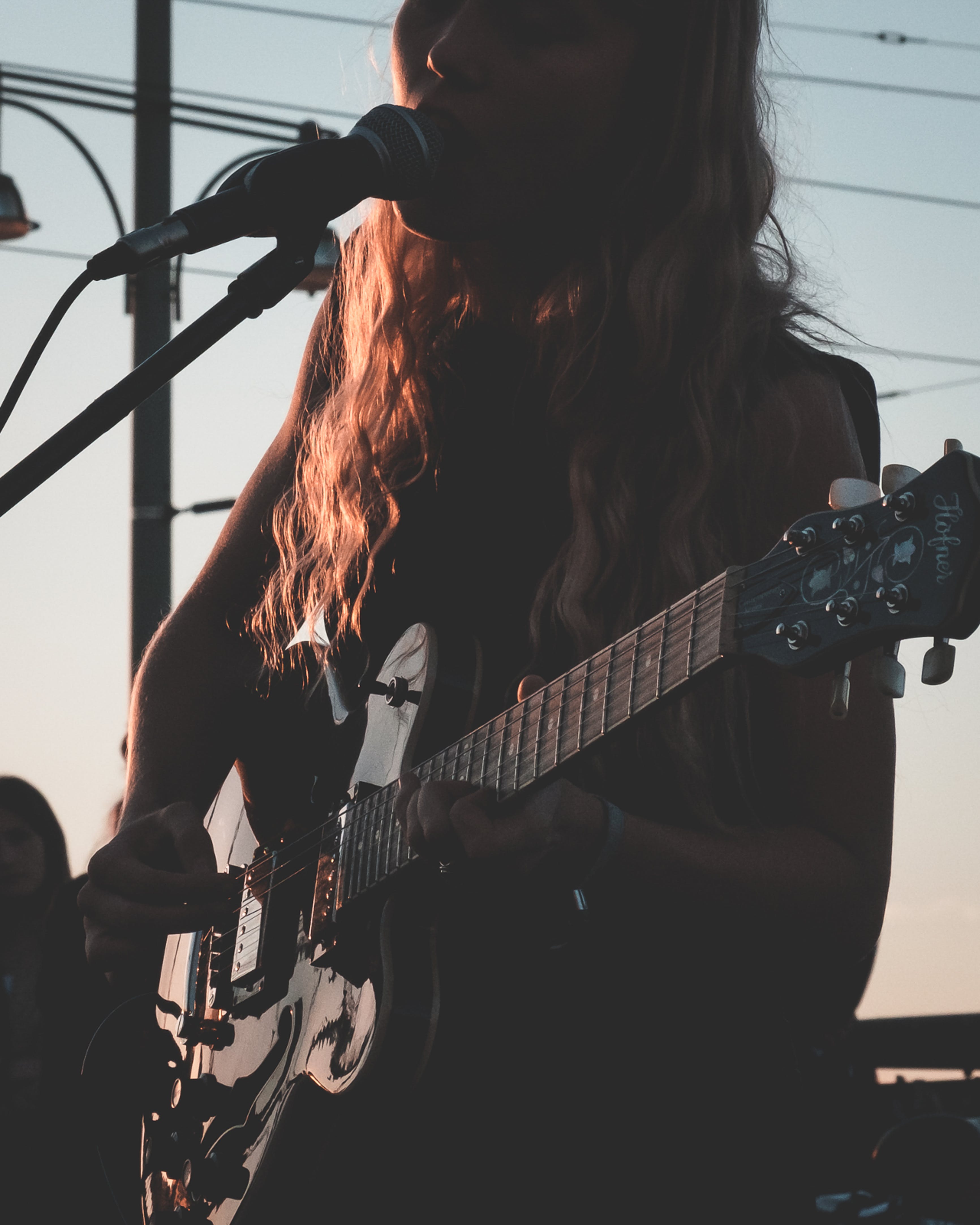
Once you've prepared your setlist, the next step in learning how to perform at music festivals is mastering your stage presence and performance skills. The way you engage with the audience can significantly impact their experience and your overall success as a performer.
Stage presence is not just about being seen; it's about making a connection with your audience. Here are some key elements to focus on:
- Confidence: Confidence is contagious. When you exude self-assurance on stage, it encourages the audience to engage with you. Practice your performance until you feel comfortable and confident in your abilities.
- Body Language: Use purposeful movements and gestures to enhance your performance. Avoid standing still; instead, move around the stage, interact with your band members, and involve the audience by encouraging them to sing along or dance.
- Eye Contact: Establishing eye contact with your audience can create a personal connection and make them feel included in your performance. Scan the crowd and acknowledge different sections, making them feel seen and appreciated.
- Energy and Emotion: Your energy level should match the vibe of the music. Infuse your performance with genuine emotion, as it resonates with the audience. Show them how much you care about your craft, and they will reciprocate with their enthusiasm.
Additionally, practice specific performance skills such as mic technique, timing, and audience engagement. Consider incorporating storytelling or anecdotes between songs to create a narrative that draws the audience in. Remember, your goal is not just to play music but to create a memorable experience that leaves a lasting impression.
Engaging the Crowd During Your Performance

Engaging the crowd is a vital aspect of how to perform at music festivals. A memorable performance is often defined by the connection between the artist and their audience. Here are some effective strategies to keep your crowd involved and energized during your set:
- Call and Response: This classic technique invites the audience to participate directly. Whether it's repeating a phrase, singing a chorus, or even clapping along, it fosters a sense of camaraderie and shared experience.
- Interactive Segments: Incorporate moments where you ask the crowd questions or encourage them to share their energy. Phrases like "Are you ready to have some fun?" or "Let me hear you scream!" can elevate the atmosphere and stir excitement.
- Personal Stories: Sharing brief anecdotes about your songs or experiences can create a personal connection. It allows the audience to relate to you on a deeper level and enhances their investment in your performance.
- Visual Engagement: Use the stage dynamics to your advantage. Position yourself in areas where you can interact with different sections of the crowd, and make eye contact to create a bond. This visual connection helps to keep the audience focused and engaged.
- Encourage Movement: Whether it’s dancing, jumping, or swaying to the music, encouraging the crowd to move creates an electric atmosphere. You can lead by example and demonstrate how to engage with your music physically.
Additionally, pay attention to the crowd's energy and adapt your performance accordingly. If you notice they’re particularly enthusiastic, ride that wave by playing upbeat songs or extending solos. Conversely, if they seem subdued, consider transitioning to more interactive elements to re-energize them. Ultimately, the goal is to create an unforgettable experience that resonates long after the last note has been played.
Essential Equipment for Festival Performers
When preparing for a festival performance, having the right equipment is crucial for delivering an exceptional show. Knowing how to perform at music festivals goes beyond just your musical talent; it also involves the tools you use on stage. Below are some essential pieces of equipment that every festival performer should consider:
- Instruments: Ensure your primary instruments are in top condition. If you're a guitarist, check your strings, pick-ups, and any effects pedals you might use. For vocalists, consider having a backup microphone in case of technical issues.
- Sound Gear: Depending on the festival setup, you may need your own sound gear, such as mixers and monitors. Having personal equipment allows you to maintain control over your sound, ensuring that your performance matches your vision.
- Stage Accessories: Don’t underestimate the power of stage presence. Accessories like stands, mic holders, and even custom backdrops can enhance your visual performance and create a more engaging atmosphere.
- Connectivity Tools: Cables and adapters are often overlooked but are essential. Make sure to bring extra cables for your instruments, microphones, and any other electronic devices. A multi-tool for quick fixes can also be a lifesaver.
- Protective Cases: Transporting your gear safely is vital. Invest in high-quality protective cases for your instruments and equipment to prevent damage during transit.
- Personal Items: Pack essentials like water bottles, snacks, and a small first-aid kit. Staying hydrated and energized will keep you at your best during the performance.
Consider also having a checklist to ensure you don’t forget anything before heading to the festival. Each piece of equipment plays a role in your performance, and being well-prepared can alleviate stress and allow you to focus on what truly matters: your music.
Post-Performance Tips for Future Success
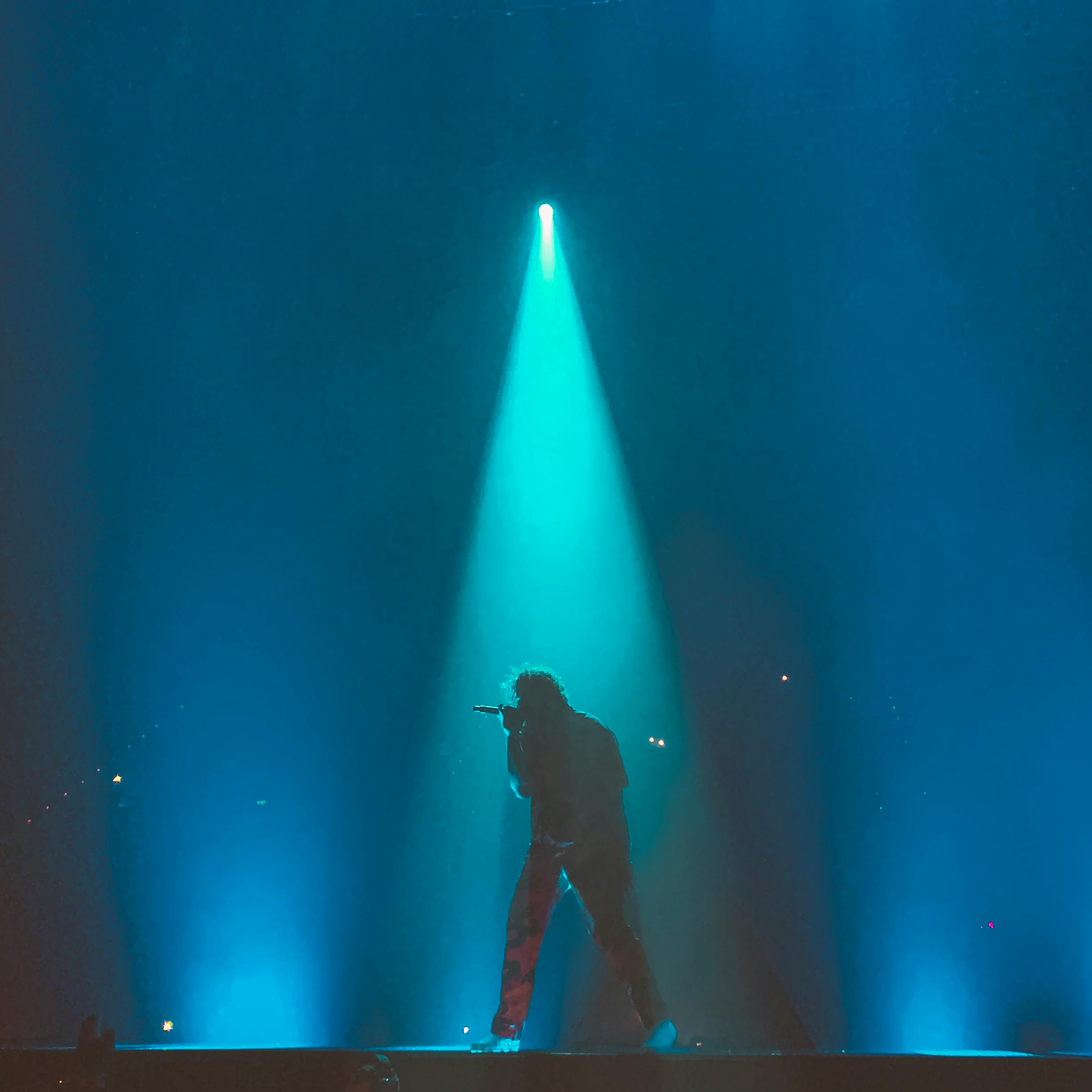
After a thrilling performance at a music festival, it’s important to take a moment to reflect and learn from the experience. How to perform at music festivals involves not just preparation and execution, but also assessing your performance afterward for continuous improvement. Here are some post-performance tips to help you achieve future success:
- Reflect on Your Performance: Take time to think about what went well and what could be improved. Consider factors like your stage presence, crowd engagement, and overall sound. This reflection can provide valuable insights for your next show.
- Gather Feedback: Reach out to peers, mentors, or even fans for constructive feedback. Understanding how others perceived your performance can help you identify areas for growth.
- Review Footage: If possible, watch recordings of your performance. This allows you to see your stage presence and technical execution from an audience perspective, helping you pinpoint specific areas to enhance.
- Network and Connect: Take advantage of the festival environment to connect with other artists, industry professionals, and potential collaborators. Building relationships can open doors for future opportunities.
- Keep the Momentum: Continue to promote your music and engage with fans on social media. Share highlights from your performance and express gratitude to those who attended.
- Plan Your Next Steps: Based on your reflections and feedback, outline your goals for future performances. Whether it’s improving your sound, expanding your repertoire, or enhancing your stage presence, having a plan will keep you focused and motivated.
By adopting these post-performance strategies, you can ensure that each festival experience contributes to your growth as an artist. Visit our website to learn more and get started today! Click here.