How To Start Writing A Movie Script
Starting from the very beginning is the hardest part! If you’re already writing, then great! You are definitely on track to start writing your first script.
If you’ve got half of a screenplay written or more, then go back and review what parts of the story you left out. Add those into the narrative and see where that takes you.
If you’ve got nothing but fragments in various notes and draft formats, pick a notebook program (like Microsoft Word for Windows) and create an appropriate title for your screenplay using these components.
From there, organize all of your ideas and potential scenes into major storylines and individual plot points. Make sure each element has its own note or file name so you can easily find it later.
Once everything is well-organized, choose your weakest storyline area and work on developing and organizing the pieces of this new story. Repeat this process until you feel comfortable starting with dialogue or action sequences.
Movie scripts usually include some kind of introduction or prologue set up before the main story, so don’t skip that! Many screenwriters use a short scene just for setting up the characters and establishing the tone.
The rest you write quickly to get the feeling for the movie. Once you have that, you can move onto the next stage which is rewriting and editing your script.
Make a list of topics

Now that you have your story idea, it is time to start writing! The first thing you should do is make a list of all the important topic you can think of.
These are called “topic bullets” or “Topic and Bullet Point” formats. A good rule of thumb when doing this is to create at least three bullets for each main topic.
For example, if your movie script was about a young boy who wanted to be a professional baseball player, then his major theme would be “Being A Professional Baseball Player”.
So, as a writer, how would you go about writing this topic? Or, said another way, what kind of paragraphs could you use to write about being a pro-ballplayer?
That is why it is so important to know the different types of stories. In our case, we will focus on narrative fiction.
Narrow down your list of topics

Now that you have your list of potential topic ideas, it’s time to narrow them down into something more specific. Rather than just writing about anything and everything, choose one main idea per paragraph.
Your first draft will probably contain several different themes and stories, but in later stages of writing, you'll want to focus on developing only one or two at a time.
As you write, try to make the story flow naturally and consistently.
Write out each topic as a blog post
Even if you have no idea what you want to write about, it’s still worth writing down your thoughts in order to help you organize your ideas.
The great thing about writing is that anyone can do it - even people who feel that they don’t like writing.
Writing is just using words to express yourself or to get someone else’s attention. Plus, most people are very familiar with how to use language, so it won’t be too difficult to pick up some of the basics.
What makes writing interesting is creating stories and situations for characters to explore and learn from.
Edit your blog posts

After writing a script, the next step is to get it read! The best way to do this is to start by editing existing blogs with content that can be adapted into a movie scenario or framework.
There are several good reasons for doing this. First, most people have written before - whether it’s through blogging, journaling, or creative writing. By adding how to write a movie idea onto their repertoire, they’re already in a position to take what you gave them and make it their own.
Second, many successful writers begin their career as aspiring novelists. If you're reading this article then you probably want to write a book one day too. Why not learn from those who've done it first?
Third, creating your own story isn't a simple thing. Figuring out where to start can feel like pulling teeth. But if you're going to be a writer, you need to know how to tell stories!
You should also know about setting up scenes and narrative structure.
Get feedback
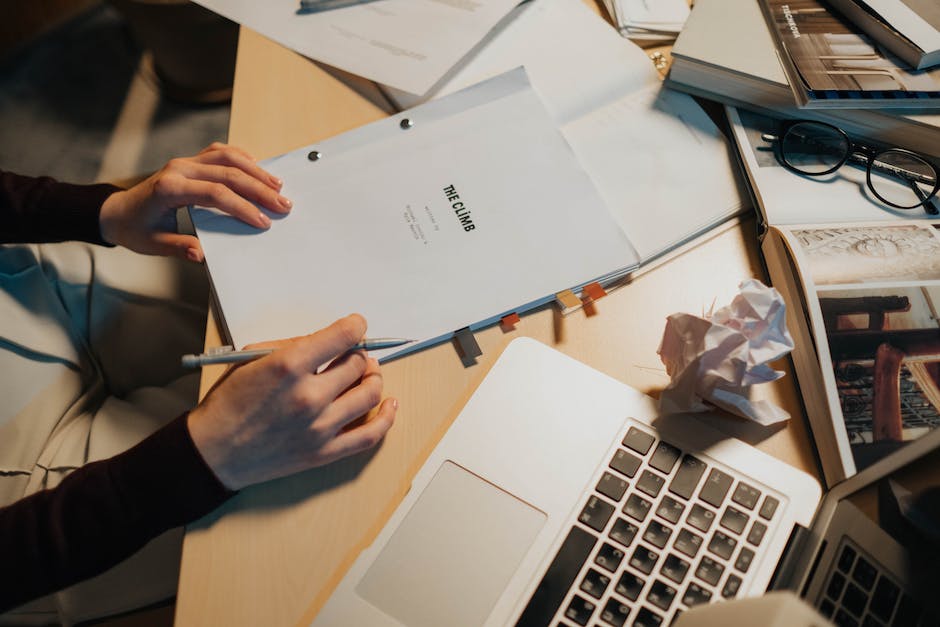
As we mentioned before, writing is a very creative process that can be difficult to tone down when it’s done for its pure form.
When someone else has an opinion about your work, you will probably learn something new or at least have some conversations you were not able to have yourself.
By getting input from others, you make sure the content matches what people already know, and sometimes you find ideas you had never considered before!
And while most of these comments are positive, there may also be things you need to address or rework onto another track.
Interacting with other writers is a great way to get initial feedback on your script. There are many free resources online where you can submit your work and receive critiques.
Some of the more well-known sites include Poppycock Press, The Screenplay Factory, and WriteFest. All three offer basic tips and tricks for improving your craft as well as opportunities to test out your material under close scrutiny.
Now, this isn’t necessarily a bad thing, but make sure to listen to all opinions without any bias or prejudices. If one person says something you strongly disagree with, drop their comment aside and move on.
You want to hear only helpful criticism so that you can improve your story and fix anything that doesn’t feel right.
Challenge yourself

Starting to write a movie is not for the faint of heart or those with no writing experience. It takes lots of effort, time, and energy to be a successful screenwriter.
Screenwriting is an art form that requires you to be creative and articulate. Plus, it’s expensive!
In fact, being a writer can cost as much as $100,000 per script if you want to publish through major publishers like DreamWorks Studios or Universal Pictures.
And even though writers get paid less than actors and directors, the truth is most are never paid anything close to what they were promised.
It’s impossible to know how many times someone has asked you about your writing career and said “You should try it out.” Well, here I am - trying to help you do just that! Why would you put off something that could potentially change your life?
Beth Kanter says it best in her article, The Best Way To Become A Writer. She writes:
"Breaking into the film industry isn't easy, but there are things you can do to make your dream come true."
Her main message is to challenge yourself by doing different types of writing. Whether you're writing short stories, blogs, or screenplay drafts, keep reading to learn more about why it's important to start writing and tips on how to begin.
Get a mentor
As with anything creative, writing is built upon the practice of creating written pieces over and over again. So, if you want to really hone your script writing skills, get some help!
There are many ways to do this, from getting an MFA in screenwriting or adding depth to your own personal story by reading through other people’s scripts, exploring different genres for inspiration, and looking into how professional writers structure their scenes and narratives.
By working with someone else’s material, you will also get valuable insights into what works structurally in storytelling and how to apply those lessons to your own work.
Finding a good writing mentor can be tricky at first, but it will eventually pay off. People who have mastered the art and craft of writing will happily share their knowledge and strategies with you and even contribute to your project as another writer.
Their input will always go beyond “good” and “bad” and instead focus on why something worked (or didn’t) for the narrative they were engaged in. This will not only help you learn more about writing, but also give you new ideas for your own stories.
Build a team

As mentioned before, writing a movie is a lot of work. There are so many different parts to it - from story telling to acting to screenwriting!
To make your script as good as possible, you will need to have someone review it for grammar and spelling errors. You can hire professional help or you can do it yourself via YouTube.
You will also want to proofread it for consistency and flow. Make sure everything makes sense and that nothing too long gets cut off because of limited space on the page.
Another important part is having someone who knows how to structure a narrative write out the plot.
This person should be able to give you tips about which scenes go together and what needs to be done next. They may even suggest ways to improve the storyline.