Is This the End of the Celeb Gossip Show Era?
Explore the decline of celebrity gossip shows and their impact on pop culture as we question whether this era is truly coming to an end.
The phenomenon of celebrity gossip shows has become a staple in pop culture, captivating audiences with their blend of scandal, allure, and entertainment. These shows emerged prominently in the late 1990s and early 2000s, coinciding with the rise of reality television and the internet. This period marked a significant shift in how audiences consumed celebrity news, leading to an insatiable demand for behind-the-scenes glimpses into the lives of their favorite stars.
Several factors contributed to the meteoric rise of these shows:
- Increased Media Access: The advent of 24-hour news cycles and social media platforms allowed gossip shows to thrive, as they could quickly disseminate information and updates about celebrities.
- Celebrity Culture: The obsession with celebrity lifestyles and the desire for public validation fueled interest in gossip, fostering a culture where fans eagerly sought out the latest news and controversies.
- Engagement Strategies: Many shows utilized interactive elements, inviting viewers to vote on topics or share their thoughts, which created a sense of community and involvement.
This combination of elements not only solidified the popularity of gossip shows but also established them as a significant force in shaping public perceptions of celebrities.
As we delve deeper into the discussion about whether we are witnessing the celeb gossip show end, it's essential to examine the factors that led to their initial success. Visit our website to learn more and get started today! Click here.
Factors Contributing to Gossip Show Decline
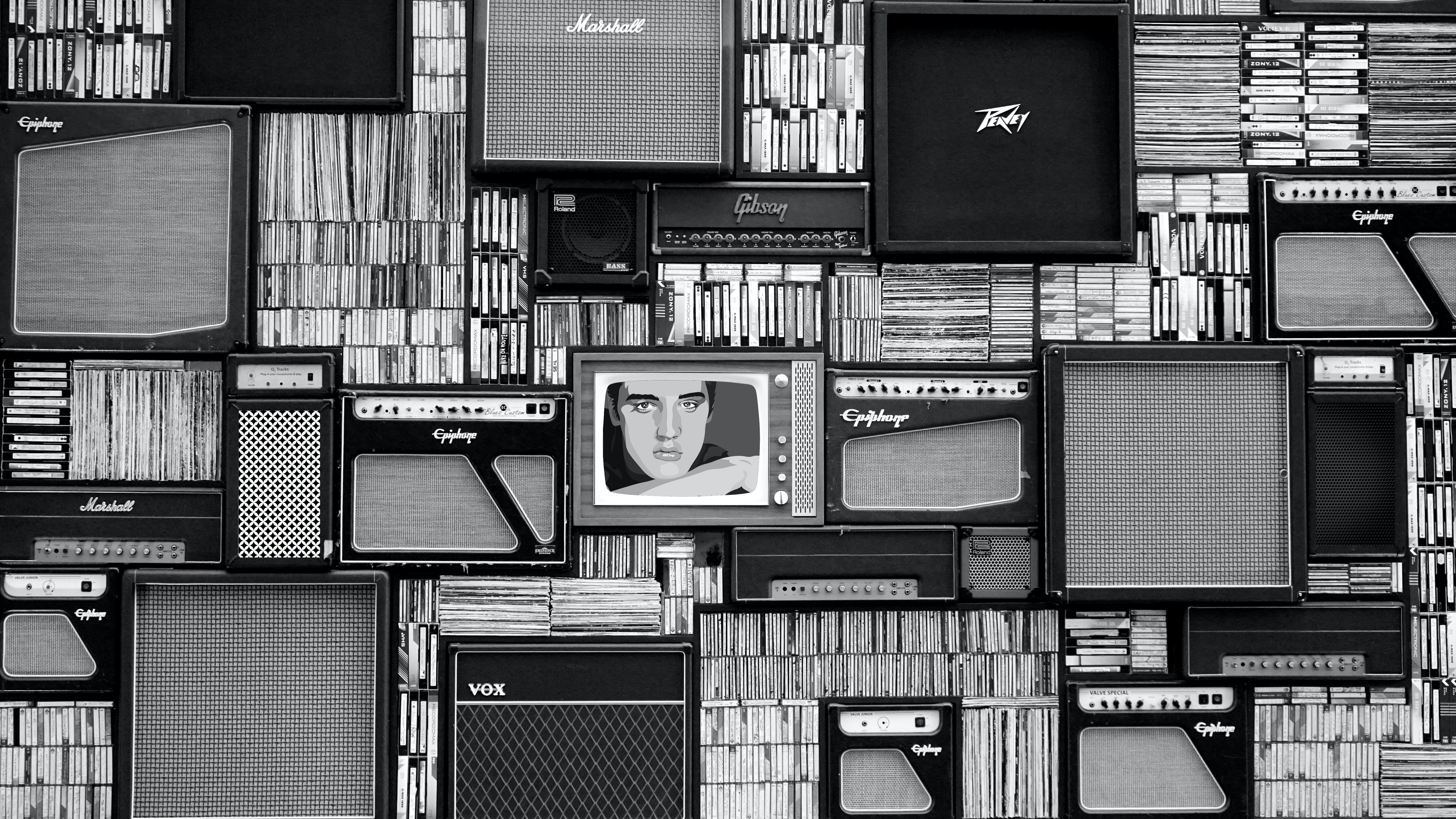
As the landscape of entertainment evolves, several factors have contributed to the noticeable decline of celebrity gossip shows. Understanding these elements sheds light on the shifting dynamics of celebrity culture and audience preferences.
One of the primary reasons is the rise of social media. Platforms like Instagram, Twitter, and TikTok allow celebrities to connect directly with their fans, bypassing traditional media outlets. This direct communication diminishes the need for gossip shows, as fans can receive real-time updates straight from the source.
Another significant factor is the changing audience preferences. Viewers are increasingly gravitating towards more authentic content. With the emergence of vloggers and influencers who share their lives candidly, audiences are starting to favor unfiltered narratives over sensationalized gossip.
Moreover, the shift in advertising strategies has played a crucial role. Many brands now opt for partnerships with social media influencers instead of traditional gossip shows, recognizing that influencers often yield higher engagement rates and a more targeted audience.
Finally, a growing emphasis on mental health and privacy has prompted a backlash against invasive celebrity coverage. Audiences are becoming more aware of the potential harm that relentless scrutiny can cause, leading to a decline in interest in shows that thrive on scandal and gossip.
These interconnected factors paint a complex picture of the current state of celebrity gossip shows and their gradual decline in popularity.
The Impact of Social Media on Celebrity Gossip
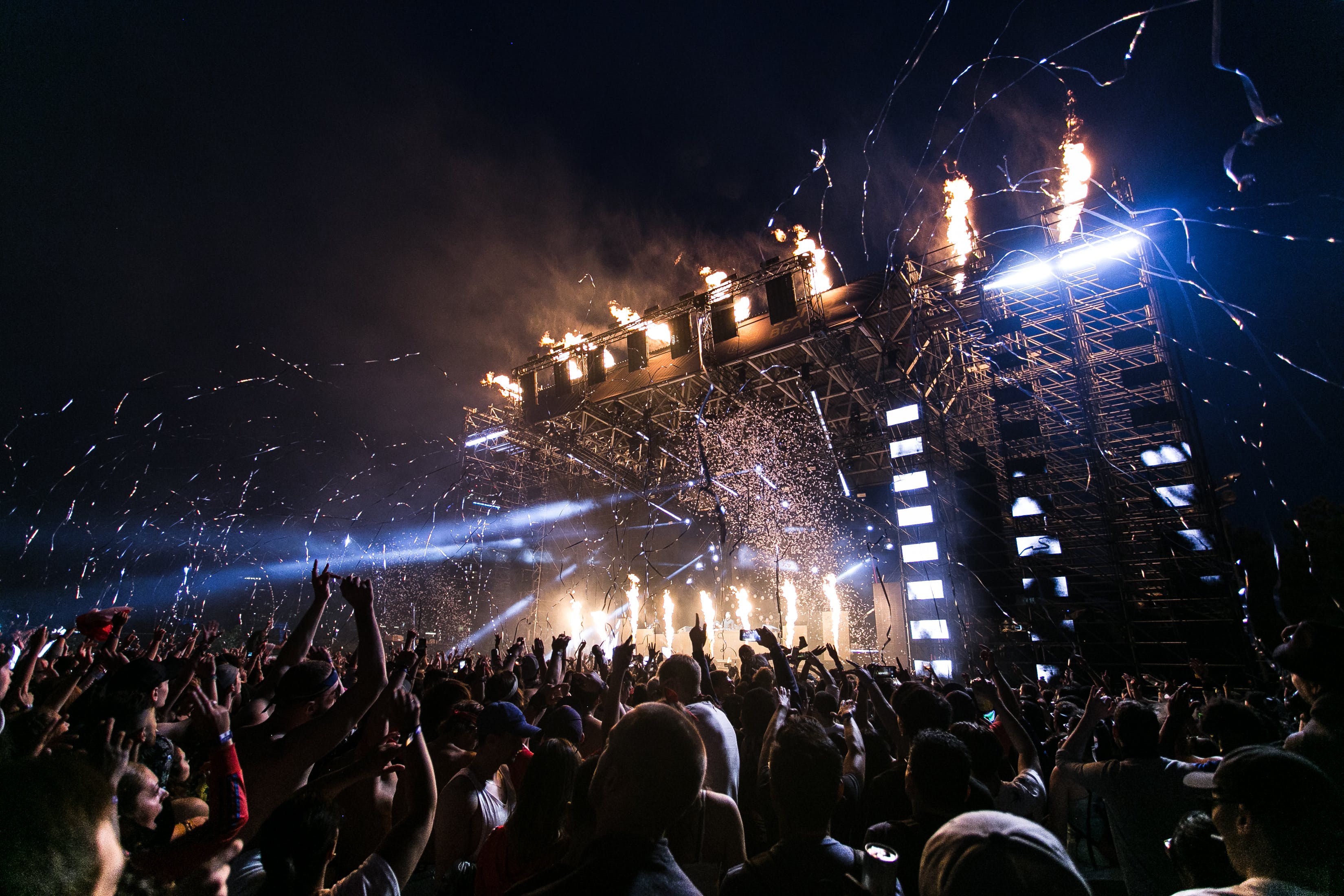
The advent of social media has dramatically transformed the landscape of celebrity gossip, reshaping how information is shared and consumed. Platforms such as Instagram, Twitter, and TikTok have revolutionized the way fans interact with their favorite stars, making traditional gossip shows seem somewhat outdated.
Firstly, social media allows celebrities to control their narratives. With the ability to post directly to their followers, stars can share personal updates, respond to rumors, and present their lives in a way that feels authentic. This shift empowers them to mitigate the sensationalism often propagated by gossip shows.
Moreover, the immediacy of social media means that news travels faster than ever. A celebrity can post a story and have it go viral within minutes, rendering traditional gossip reporting less relevant. As a result, many gossip shows struggle to keep up with the rapid pace of information, leading to a decline in viewership.
Additionally, the rise of fan-driven content has changed the dynamic of celebrity coverage. Fans now create their own narratives, memes, and commentary around celebrity culture, often challenging the portrayals presented in gossip shows. This participatory approach fosters a sense of community and engagement that traditional shows may lack.
Lastly, the influence of social media extends to the nature of gossip itself. The line between personal and public life has blurred, with many fans viewing their favorite celebrities through a lens of intimacy. This shift toward a more personal connection diminishes the appetite for sensationalized gossip, as audiences seek out genuine interactions over scandalous tales.
Shifts in Audience Preferences and Consumption
As the media landscape evolves, so too do the preferences and consumption habits of audiences. In recent years, there has been a noticeable shift among viewers, particularly regarding how they engage with celebrity content. Gone are the days when traditional celebrity gossip shows dominated the screens; today's audiences crave something more.
One significant change in audience preferences is the demand for authenticity. Viewers are increasingly drawn to content that feels genuine and relatable. They prefer social media posts, vlogs, and podcasts where celebrities share their personal experiences, rather than scripted segments filled with sensationalism. This desire for realness reflects a broader cultural trend toward transparency in all forms of media.
Additionally, the rise of on-demand content has transformed how audiences consume celebrity news. With streaming services and downloadable content, viewers can curate their entertainment experience, selecting what they want to watch and when. This shift has led to a decline in live viewership for traditional gossip shows, which rely on syndication and scheduled programming.
Moreover, the younger demographic, particularly Generation Z and Millennials, are influencing this trend. They are more likely to seek out bite-sized content that fits their fast-paced lifestyle, often favoring platforms like TikTok and Instagram over lengthy television broadcasts. This transition highlights a preference for quick, engaging, and visually appealing content that can be easily shared and consumed.
Lastly, audiences are now more inclined to seek out diverse perspectives on celebrity culture. With the rise of independent creators and influencers, viewers are exposed to a broader range of voices that challenge traditional narratives. This inclusivity not only enriches the conversation around celebrity gossip but also signals a desire for varied viewpoints in entertainment media.
The Future of Celebrity Gossip in Entertainment

As we consider the future of celebrity gossip in entertainment, it’s essential to recognize the transformative shifts already underway. The landscape of fame and notoriety is evolving, and with it, the platforms and formats that deliver celebrity-related content are also changing. The traditional gossip show format, once a staple of evening television, is now facing unprecedented competition from digital platforms and social media.
One of the most significant trends is the rise of digital-first platforms. TikTok, Instagram, and YouTube have now become primary sources for celebrity news and gossip, enabling influencers and content creators to disseminate information rapidly and engagingly. These platforms allow for a more interactive experience, where fans can engage directly with their favorite celebrities through comments, live streams, and Q&A sessions.
Moreover, the integration of AI and data analytics is poised to redefine how entertainment companies target audiences. By analyzing viewer behavior and preferences, platforms can curate personalized content streams that resonate with individual tastes. This level of customization is likely to enhance viewer engagement and loyalty, ultimately reshaping the way celebrity gossip is consumed.
Another critical aspect of the future is the emphasis on mental health and well-being. As awareness grows regarding the pressures of fame, audiences are becoming more empathetic towards celebrities. This shift may lead to a more responsible approach in how gossip is reported and discussed, focusing more on support and understanding rather than sensationalism.
Furthermore, the concept of celebrity itself is evolving. With the rise of social media influencers and non-traditional public figures, the definition of what constitutes a 'celebrity' is changing. Audiences are increasingly interested in the lives of everyday people who achieve fame through unique talents or perspectives, broadening the scope of gossip to include a diverse range of individuals.
Overall, while traditional celebrity gossip shows may be waning, the essence of celebrity culture will continue to thrive in new and innovative forms. The future holds exciting possibilities for how we engage with fame, and it will be fascinating to see how these trends develop in the coming years.
Conclusion: The End of an Era?
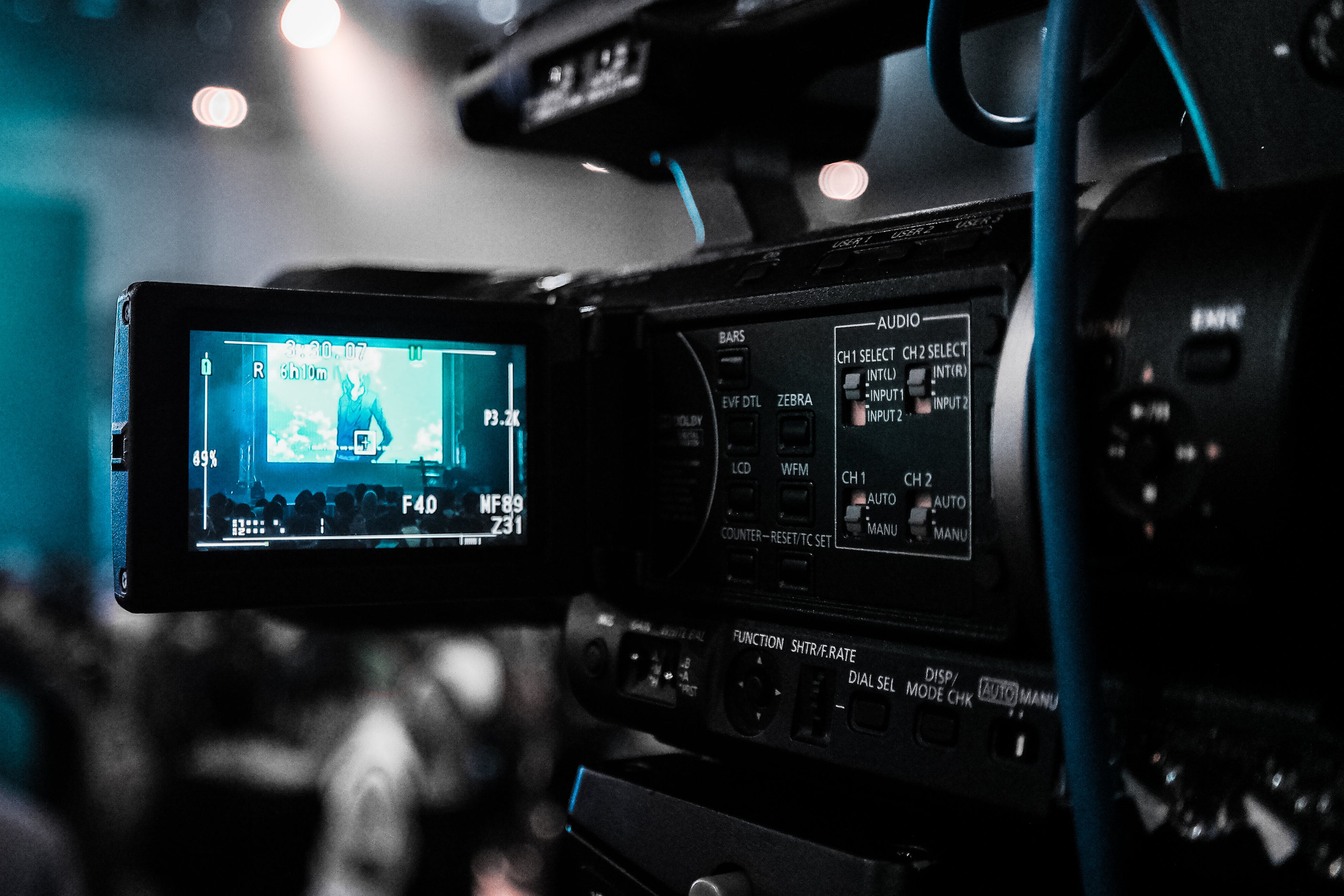
As we reach the end of our exploration into the end of the celeb gossip show era, it’s essential to reflect on the profound changes that have shaped this industry. The once-dominant formats that defined our evenings are being overshadowed by the rapid rise of digital content and social media platforms. The traditional celebrity gossip show, with its scripted segments and predetermined narratives, is giving way to a more organic, engaging, and interactive format, as audiences demand authenticity and real-time updates.
The evolution of celebrity culture is indicative of broader societal shifts, where transparency, mental health awareness, and diversity take precedence. This change not only affects how gossip is consumed but also how celebrities are perceived and treated by fans and the media alike. As we embrace these shifts, we must also consider the ethical implications of gossip and its impact on individuals' lives.
While it may seem that the era of celebrity gossip shows is coming to an end, it’s crucial to recognize that this is not necessarily a closure but rather a transformation. The future holds a myriad of opportunities for new formats and ways to engage with celebrity culture. As audiences continue to evolve, so too will the mediums through which we consume gossip and entertainment.
To stay informed about the latest trends and insights into Hollywood and its shifting landscape, visit our website to learn more and get started today! Click here.