Learn How to Produce a Music Festival Like a Pro!
Discover essential steps to produce a successful music festival like a pro, from planning to execution, and create unforgettable experiences.
Producing a music festival is an ambitious yet rewarding endeavor that requires a firm grasp of several foundational principles. At the core of how to produce a music festival is the understanding of key components that contribute to a successful event.
First and foremost, planning is crucial. This involves setting a clear vision for your festival, defining your target audience, and understanding the music genres that will resonate with them. A well-thought-out concept can guide your decisions and help you stay focused on your goals.
Next, budgeting plays a vital role. It’s important to outline all potential costs, including venue rentals, artist fees, marketing, and staff expenses. Having a realistic budget will help you avoid financial pitfalls and ensure you can deliver a quality experience to attendees.
Another essential aspect is logistics. This encompasses securing permits, coordinating transportation, and managing the venue layout. Each logistical element must be meticulously planned to ensure a seamless experience for both artists and festival-goers.
Finally, marketing your festival effectively cannot be overlooked. Utilizing social media, partnerships, and unique promotional strategies can help build excitement and drive ticket sales. Remember, creating buzz around your event is just as important as the festival itself!
To truly excel in music festival production, it’s advisable to immerse yourself in the industry and learn from experienced professionals. Visit our website to learn more and get started today! Click here.
Choosing the Perfect Location for Your Festival

The location of your music festival can significantly influence its success. Choosing the right venue goes beyond just finding a space; it involves considering various factors that will provide attendees with an unforgettable experience.
First, think about accessibility. A location that is easy to reach via public transport or major highways will draw more attendees. Additionally, consider the availability of parking and accommodations for those traveling from out of town. A site with ample facilities will enhance the overall experience.
Next, evaluate the venue’s capacity. It's essential to select a space that can comfortably accommodate your expected audience size. A venue that is too small may lead to overcrowding, while one that is too large may result in a lack of energy and engagement among attendees.
Another important aspect is the natural environment and infrastructure. Outdoor festivals can benefit from scenic locations that enhance the festival vibe, but ensure there are necessary amenities like restrooms, food stalls, and adequate shelter. Indoor venues, on the other hand, should have excellent acoustics and sound equipment to ensure that performances are heard clearly.
Lastly, consider the local community and regulations. Building relationships with local authorities can ease the permitting process and foster goodwill within the community. Taking into account noise ordinances and other regulations will help to avoid potential setbacks as your festival approaches.
By carefully evaluating these factors, you can select a location that not only meets logistical needs but also creates a vibrant atmosphere for your music festival.
Creating an Engaging Lineup of Artists and Performers

One of the most vital components in learning how to produce a music festival is curating an engaging lineup of artists and performers. The right mix of talent can elevate your event, attracting a diverse audience and enhancing the overall experience.
Start by identifying your festival's theme and target audience. Are you aiming for a specific genre, such as rock, electronic, or hip-hop? Understanding your audience's preferences will guide your selection of artists. Research popular and emerging acts that resonate with your demographic, and consider including a mix of both to create a balanced lineup.
Next, establish relationships with booking agents and managers to gain access to a variety of talent. Networking within the industry can provide insights into availability and pricing, helping you to negotiate favorable terms. Additionally, consider local artists who can draw in community support and add a unique flair to your festival.
Incorporate diversity into your lineup by featuring artists from different backgrounds and genres. This not only enriches the festival experience but also opens up opportunities for collaboration and cross-genre performances. Create a schedule that allows for seamless transitions between acts, keeping the energy high and the audience engaged throughout the event.
Don't forget to promote your lineup effectively. Utilize social media, press releases, and partnerships with local influencers to generate buzz and excitement leading up to the festival. Highlighting the artists and performers through interviews, sneak peeks, and behind-the-scenes content can create a connection with potential attendees, encouraging ticket sales.
Navigating Permits and Legal Requirements for Festivals

Understanding the necessary permits and legal requirements is crucial when learning how to produce a music festival. Failing to navigate these aspects properly can lead to significant setbacks, including fines and even event cancellation.
Begin by researching the local regulations related to hosting events in your chosen location. Different cities and counties have specific requirements regarding permits, noise ordinances, and public safety regulations. Contact your local government or city planning department to obtain information about the permits you'll need, such as:
- Event permits: Required for any large gathering, these permits provide official approval for your festival.
- Sound permits: If your event involves live music, you may need permission to exceed local noise limits.
- Health and safety permits: Necessary for food vendors and any temporary structures, such as stages and tents.
In addition to permits, it’s essential to consider insurance requirements. Liability insurance protects you and your festival from potential lawsuits related to accidents or injuries. Depending on the size of your event, you may also need coverage for equipment, property, and cancellation.
Moreover, familiarize yourself with vendor regulations if you plan to include food trucks, merchandise stands, or other vendors. Each vendor may also need their own permits, so ensure they are compliant with local health department guidelines.
Lastly, don't hesitate to consult with a legal professional experienced in event planning. They can provide valuable guidance to help you navigate the complexities of permits and ensure your festival complies with all legal requirements, allowing you to focus on creating an unforgettable experience for attendees.
Marketing Strategies to Promote Your Music Festival
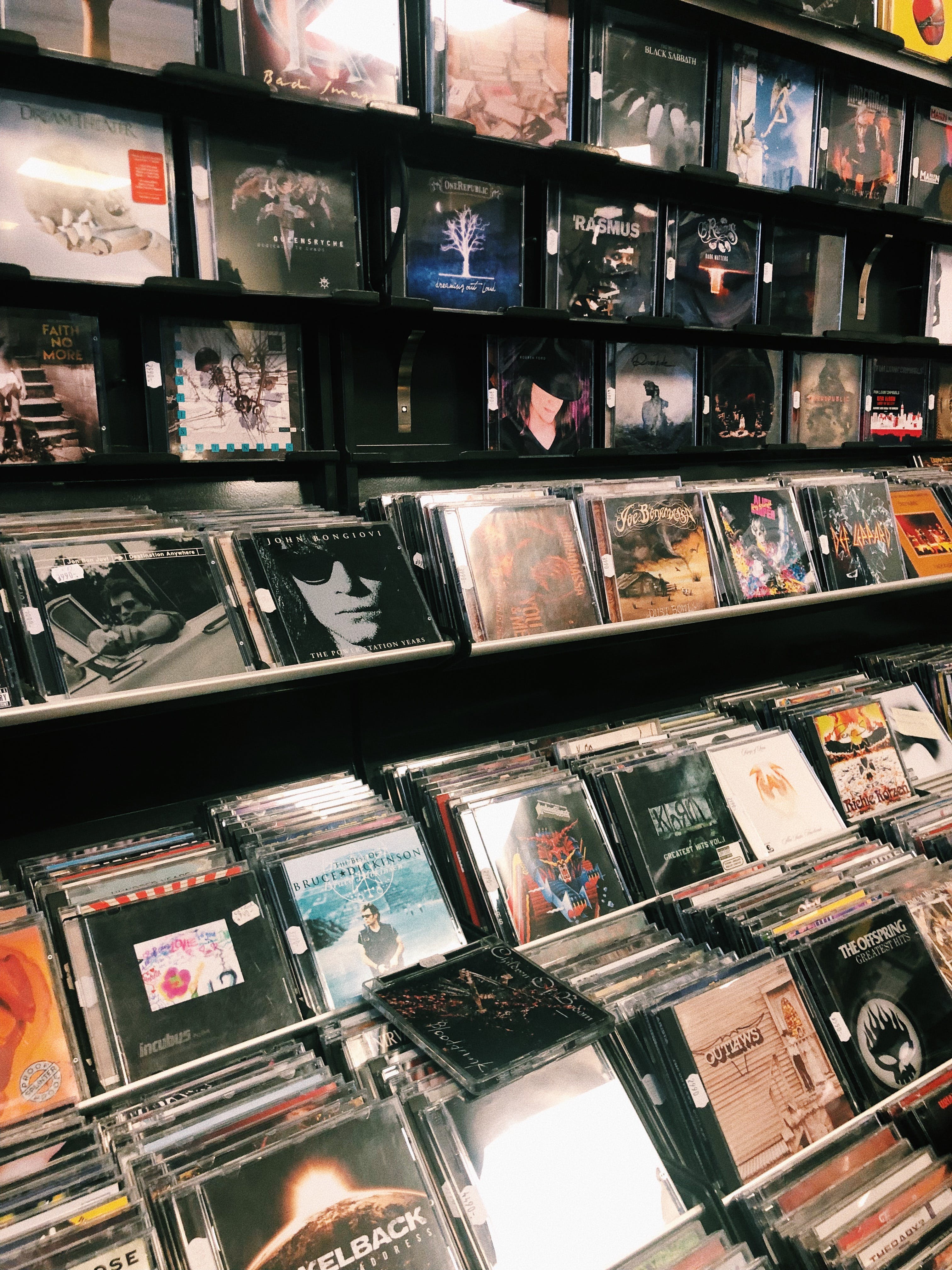
Once you've established the framework for your festival, the next step is to implement effective marketing strategies to promote your music festival. Attracting attendees and creating buzz around your event are crucial for its success.
Start by identifying your target audience. Understanding who your potential attendees are will help tailor your marketing efforts. Consider demographics such as age, interests, and music preferences, and use this information to craft messages that resonate with them.
Utilizing social media is an essential component of modern festival marketing. Platforms like Instagram, Facebook, and Twitter allow you to engage with your audience directly, share updates, and generate excitement. Here are some effective strategies:
- Engaging content: Post visually appealing photos and videos from past festivals, behind-the-scenes content, and artist interviews to build anticipation.
- Influencer partnerships: Collaborate with local influencers or musicians to expand your reach. Their followers may be interested in your festival, and their endorsement can lend credibility.
- Event pages: Create event pages on platforms like Facebook and Eventbrite, allowing users to RSVP and share the event with friends.
In addition to digital marketing, consider traditional methods such as flyers, posters, and local radio ads. Partnering with local businesses can also enhance visibility. For example, collaborate with cafes, bars, or stores to display promotional materials or offer ticket discounts to their customers.
Additionally, leveraging email marketing can be an effective way to reach potential attendees. Build an email list by offering exclusive content or early bird ticket access, and send regular updates about artist lineups, ticket sales, and festival highlights.
Finally, don't underestimate the power of word-of-mouth marketing. Encourage attendees to share their excitement with friends and family. Consider implementing referral incentives, like discounts on future tickets for every friend they bring.
Executing a Flawless Festival Day Experience
As the big day approaches, ensuring a seamless execution of your music festival is paramount. The festival day experience can make or break an event, and careful planning is essential to create an unforgettable atmosphere for attendees.
Begin by organizing a comprehensive schedule that outlines every aspect of the festival day, from artist performances to logistical details. Assign roles to your team members, ensuring that everyone knows their responsibilities. This will help avoid confusion and keep the event running smoothly.
One of the critical elements to focus on is guest services. Having well-trained staff on site to assist attendees with questions, directions, and any issues that arise is vital. Consider setting up information booths throughout the venue to guide festival-goers and provide essential information about set times, food vendors, and emergency services.
Another important factor is the stage management. Collaborate closely with artists and their teams to ensure that performance schedules are adhered to and that all technical requirements are met. This includes sound checks, lighting setups, and backline arrangements to avoid delays.
Don't forget to prioritize safety. Coordinate with local authorities and security personnel to create a safety plan that addresses potential risks. Make sure that emergency exits are clearly marked and that first aid stations are easily accessible.
Additionally, consider the overall atmosphere of the festival. Elements such as decorations, lighting, and interactive installations can elevate the experience and create a memorable environment for attendees. Engage your audience by incorporating unique experiences, such as art installations or wellness activities, to make the festival more than just about the music.
Finally, gather feedback from attendees during and after the festival. Use surveys or social media polls to understand what worked well and what can be improved for future events. This not only helps you grow as a festival organizer but also builds a loyal community that feels valued. Visit our website to learn more and get started today! Click here.