Ranked: The Best Music Festivals in the World
Discover the ultimate music festivals worldwide, ranked for their unique experiences, diverse lineups, and cultural impact.
Music festivals are vibrant celebrations of sound and creativity, drawing enthusiasts from around the globe. These events offer a unique blend of musical performances, cultural experiences, and social interactions, making them a cherished tradition for many. From the sun-soaked beaches of Rio to the lush fields of England, music festivals are not just about the tunes; they are a melting pot of cultures, ideas, and artistic expressions.
Each festival has its own distinct flavor, shaped by the artists, attendees, and the setting. The allure of these events lies in their ability to bring together diverse groups of people who share a common love for music. Whether you're a fan of rock, electronic, hip-hop, or folk, there's a festival out there that caters to your tastes.
In this article, we delve into the best music festivals in the world ranked, exploring what makes each one special. From legendary lineups to breathtaking landscapes, these festivals offer experiences that are nothing short of magical. As we guide you through this musical journey, you'll gain insights into the festivals that should be on your bucket list.
Visit our website to learn more and get started today! Click here.
Criteria for Ranking Music Festivals
When it comes to ranking the best music festivals in the world, there are several key criteria that must be considered. These elements are crucial in determining which festivals stand out among the myriad of options available to music lovers worldwide.
1. Lineup Diversity: A festival's lineup is its heart and soul. The inclusion of a wide range of musical genres and artists can attract a diverse audience and create an unforgettable experience. Festivals that feature both established legends and emerging talents tend to rank higher.
2. Cultural Impact: The ability of a festival to influence and reflect cultural trends is another important factor. Festivals that have become cultural landmarks, often transcending geographical boundaries, usually score higher in the rankings.
3. Venue and Location: The setting of a festival can greatly enhance its appeal. Whether it's a picturesque countryside, a bustling city, or a historic site, the venue plays a significant role in the overall experience. Accessibility and amenities also contribute to the festival's ranking.
4. Organization and Safety: A well-organized festival that prioritizes attendee safety and provides seamless logistics is more likely to receive positive feedback. Efficient transportation, security measures, and crowd management are critical components.
5. Unique Experiences: Festivals that offer unique experiences, such as art installations, workshops, and interactive activities, often stand out. These elements create a richer, more engaging experience for attendees, setting the festival apart from others.
By examining these criteria, we can better understand what makes a music festival truly exceptional, paving the way for our exploration of the world's top-ranked events.
Top Global Music Festivals to Attend
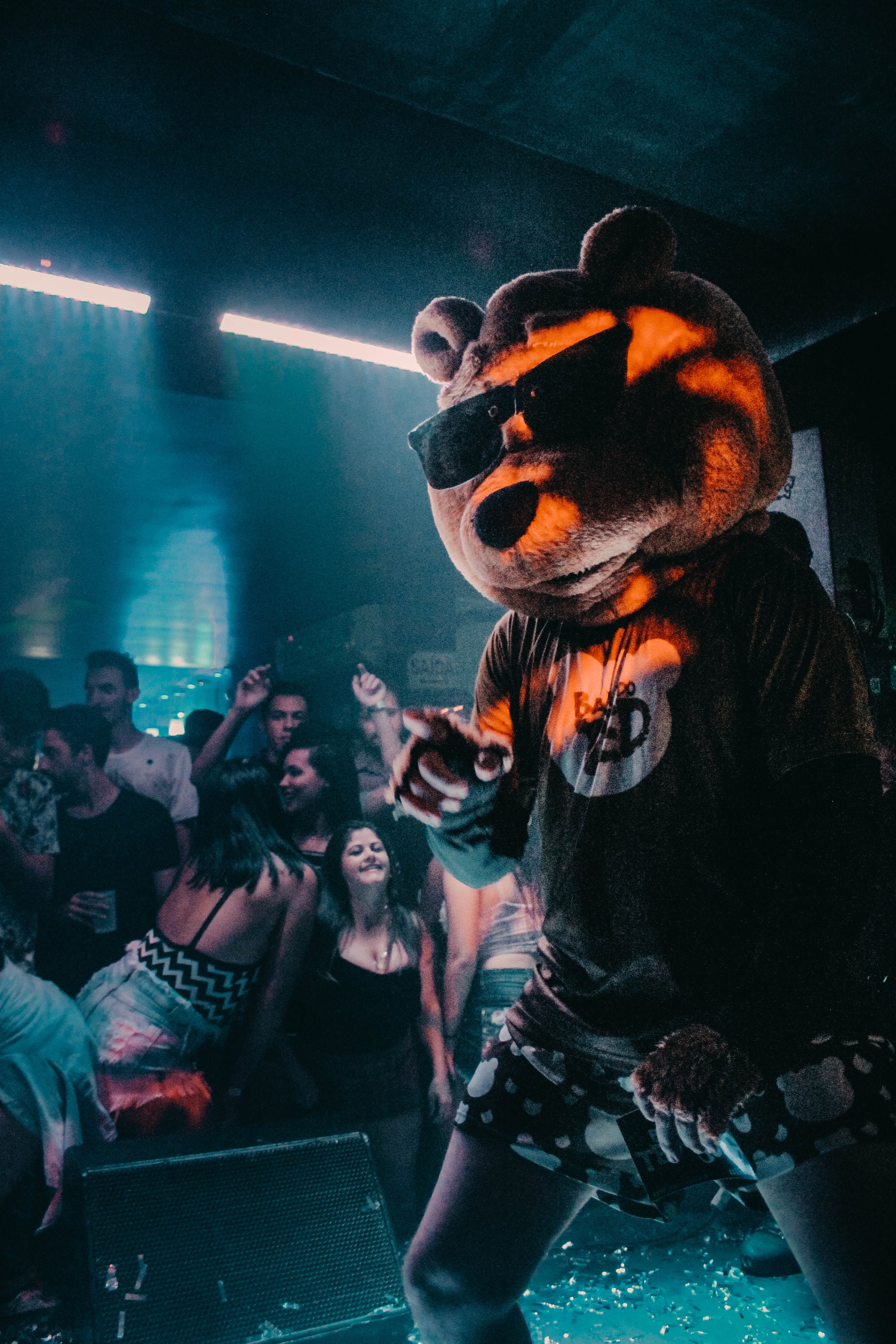
Embarking on a journey to discover the top global music festivals is an exhilarating experience that transcends borders and cultures. These festivals not only showcase a diverse array of musical talents but also offer a glimpse into the vibrant spirit of each host location.
- Glastonbury Festival, UK: Known for its eclectic lineup and cultural significance, Glastonbury is a must-visit for music enthusiasts. Held in the picturesque fields of Somerset, it draws crowds with its mix of rock, pop, indie, and electronic music, alongside mind-bending art installations.
- Coachella Valley Music and Arts Festival, USA: Nestled in the sun-drenched desert of California, Coachella is synonymous with celebrity sightings and trendsetting fashion. It features a wide range of performances from major headliners to indie acts, making it a global cultural phenomenon.
- Tomorrowland, Belgium: For electronic dance music fans, Tomorrowland is the ultimate festival experience. Known for its elaborate stage designs and immersive atmosphere, this festival transforms Boom, Belgium into a vibrant, magical wonderland.
- Rock am Ring and Rock im Park, Germany: These twin festivals offer rock and metal enthusiasts a thrilling experience with simultaneous events in Nürburgring and Nuremberg. Featuring world-class bands, they are among Europe's largest and most popular rock festivals.
- Fuji Rock Festival, Japan: Set against the stunning backdrop of Mount Fuji, this festival is Asia's largest outdoor event. It brings together a unique lineup of international and local artists, offering a cultural fusion of music and nature.
Each of these festivals offers a distinctive blend of music, culture, and creativity, making them unmissable events on the global festival calendar. Whether you're drawn by the allure of a legendary lineup or the promise of an unforgettable adventure, these festivals promise an experience like no other.
Cultural Significance of Music Festivals

Music festivals are more than just a gathering of artists and audiences; they are a celebration of cultural diversity and expression. The cultural significance of music festivals lies in their ability to bring people together, transcend language barriers, and create a shared experience that is uniquely human.
Many festivals, such as Glastonbury and Burning Man, are deeply rooted in cultural traditions and values. They provide a platform for artists to express their heritage and share their stories with the world. This exchange fosters a deeper understanding and appreciation of different cultures, promoting global harmony and unity.
Moreover, festivals like Montreux Jazz Festival in Switzerland and Rio Carnival in Brazil highlight the importance of cultural heritage through music and dance. These events not only preserve traditional arts but also incorporate modern influences, ensuring that cultures remain dynamic and relevant.
Music festivals also play a pivotal role in the local economy and community. They attract tourists from all over the world, boosting local businesses and providing employment opportunities. The influx of visitors allows host cities to showcase their unique culture, cuisine, and hospitality, further enhancing their global reputation.
In essence, music festivals are a testament to the power of music as a universal language. They offer a space where people from different backgrounds can come together to celebrate life, love, and the endless possibilities of human creativity. This cultural exchange not only enriches the lives of those who attend but also leaves a lasting impact on the global cultural landscape.
Unique Experiences at Music Festivals
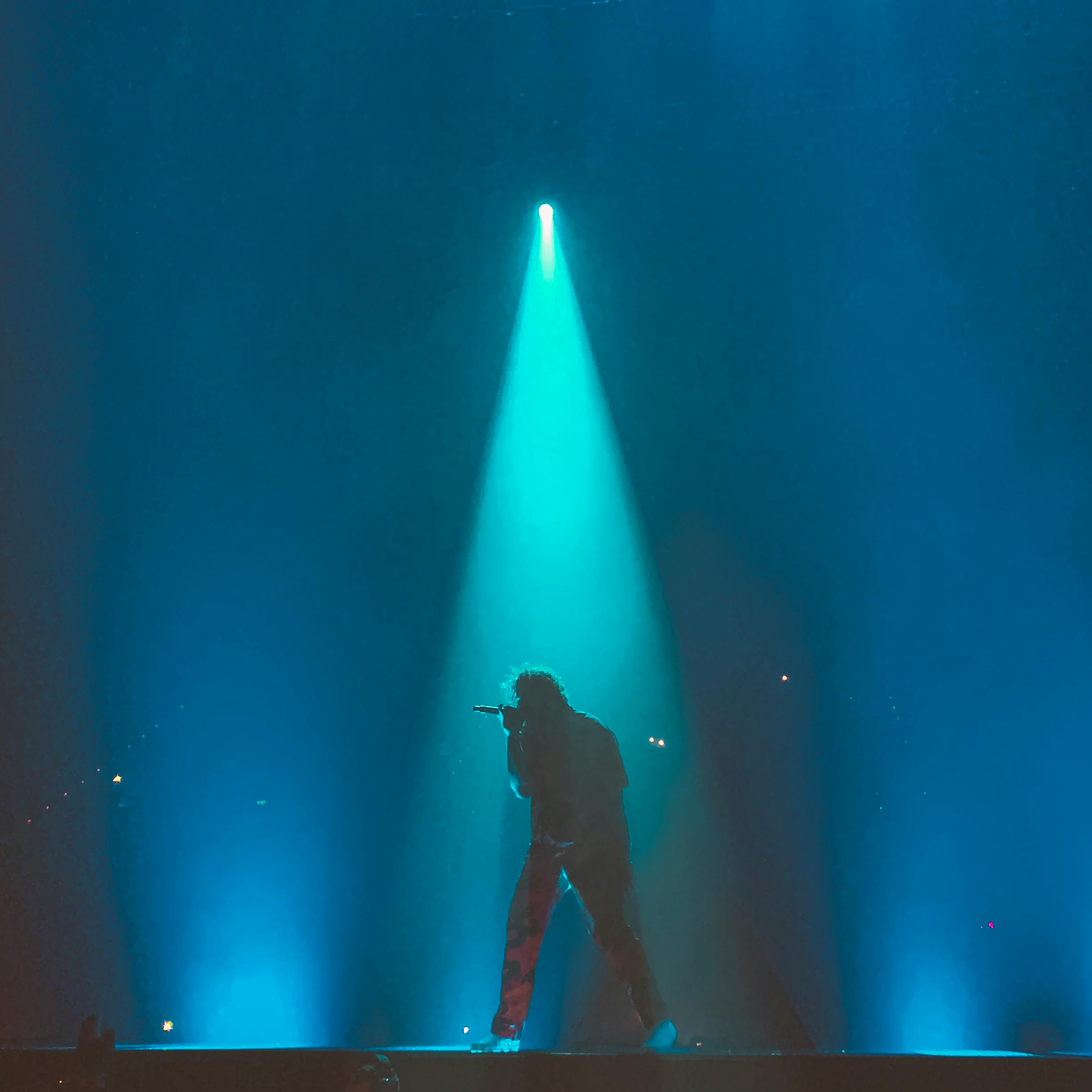
Music festivals offer an array of unique experiences that go beyond merely enjoying live performances. Each festival presents its own distinct flavor, characterized by its location, atmosphere, and lineup, making every event a memorable adventure.
One of the standout features of festivals like Coachella in California is the stunning desert backdrop, which enhances the visual appeal of performances. Attendees can also explore art installations and enjoy a range of culinary delights, adding to the sensory experience. Meanwhile, at Tomorrowland in Belgium, the elaborate stage designs and immersive themes transport festival-goers into a fantastical world, creating a truly otherworldly atmosphere.
For those seeking a more intimate experience, smaller festivals like The Secret Garden Party in the UK offer a whimsical escape with interactive performances and themed areas, encouraging community engagement and participation. This hands-on approach fosters a sense of connection among attendees, making it feel like a shared retreat rather than just a music event.
Environmental consciousness is also a growing aspect of music festivals. Events such as Shambhala in Canada emphasize sustainability, offering workshops and activities that promote eco-friendly practices. This not only enriches the festival experience but also raises awareness about important global issues.
Ultimately, the unique experiences at music festivals are marked by their ability to blend music, art, culture, and community into a cohesive celebration. They provide an escape from the mundane, offering a chance to connect with others, explore new perspectives, and create lasting memories in an environment that celebrates creativity and diversity.
Future Trends in Music Festival Industry
As the music festival industry continues to evolve, several future trends are emerging that promise to reshape the way we experience live music. These trends are driven by technological advancements, changing consumer preferences, and a heightened awareness of sustainability.
One significant trend is the integration of virtual reality (VR) and augmented reality (AR) technologies. These innovations offer festival-goers immersive experiences, allowing them to engage with performances in entirely new ways. Imagine watching your favorite band in VR, with interactive visuals enhancing the live show. This could revolutionize the festival experience, making it more accessible to global audiences who may not be able to attend in person.
Sustainability is also at the forefront of future festival planning. Organizers are focusing on reducing their environmental impact by implementing green initiatives such as waste reduction, renewable energy sources, and eco-friendly transportation options. Festivals like Glastonbury are leading the charge, setting an example for others to follow.
Another trend gaining momentum is the push for more inclusive and diverse lineups. Festival organizers are striving to ensure representation across different genres, cultures, and genders, offering a platform for a wider range of voices and talents. This shift not only enriches the festival experience but also reflects the evolving cultural landscape.
Lastly, as technology continues to advance, the trend of using data analytics to enhance the attendee experience is becoming more prevalent. From personalized recommendations to crowd management systems, data-driven insights are helping organizers tailor events to meet the needs and preferences of their audiences.
As we look to the future, it's clear that the music festival industry is poised for exciting changes that will transform the way we connect with music and each other. Visit our website to learn more and get started today! Click here.