Remembering Defunct Music Festivals: Where Did They Go?
Explore the legacy of defunct music festivals, their impact on culture, and reasons behind their disappearance in this nostalgic look back.
In the vibrant tapestry of the music industry, festivals have long served as a dynamic stage where artists and fans come together to celebrate the universal language of music. However, as with any cultural phenomenon, the landscape of music festivals is ever-evolving, and some once-iconic events have faded into the background. This article delves into the fascinating world of defunct music festivals, exploring their cultural impact, reasons for their disappearance, and the enduring legacy they leave behind.
From the legendary Woodstock that defined a generation to smaller, niche gatherings that brought together like-minded music lovers, each festival carried with it a unique vibe and atmosphere. Yet, despite their initial success, numerous factors such as financial constraints, changing audience preferences, and logistical challenges have led to the discontinuation of many beloved festivals.
As we embark on this nostalgic journey through the history of these festivals, we invite you to reflect on the memories they created and the void they left in the music scene. Whether you were a part of these experiences or are simply a curious onlooker, understanding the journey of these festivals offers deeper insights into the cultural shifts that continue to shape the music industry today.
Visit our website to learn more and get started today! Click here.
Cultural Impact of Lost Festivals

The cultural impact of defunct music festivals extends far beyond the music itself. These festivals were often more than just events; they were cultural landmarks that embodied the ethos and spirit of their times. Festivals like the Monterey Pop Festival and Altamont Free Concert were not only about the performances but also about the societal movements they represented. They became gathering places for youth to express freedom, challenge norms, and foster community through shared experiences.
Lost festivals have also played a crucial role in shaping the music industry. They provided platforms for emerging artists to showcase their talents and gain exposure, setting the stage for the careers of many legendary musicians. By creating a space where innovation thrived, they influenced musical trends and inspired new genres, leaving a lasting imprint on popular culture.
Moreover, these defunct festivals helped to cultivate a sense of identity and belonging among their attendees. The communal nature of festivals fostered connections and created memories that resonated long after the final note was played. As such, the cultural impact of these lost festivals is still felt today, as they continue to inspire new generations of music lovers to create and participate in similar gatherings.
In many ways, the legacy of these festivals lives on, not only in the music they promoted but also in the values and ideals they championed. They remind us of a time when music was a powerful force for change and unity, and they continue to serve as an inspiration for future festival organizers and attendees alike.
Memorable Moments from Past Festivals

Throughout the years, defunct music festivals have gifted us with unforgettable moments that have become a part of music lore. Take, for instance, the legendary 1967 Monterey Pop Festival, where Jimi Hendrix set his guitar ablaze: a spectacle that not only cemented his status as a rock icon but also symbolized the fiery spirit of the era. This moment is etched into the annals of rock history, illustrating how festivals served as stages for artists to push boundaries and redefine their art.
Another iconic moment occurred at the 1969 Woodstock Festival, where a rain-soaked audience joined together for an impromptu mudslide, transforming the grounds into a symbol of unity and peace. This spontaneous act of joy reflected the festival's ethos and left an indelible mark on the cultural consciousness of the 1960s. Woodstock's peaceful gathering amidst chaos became a beacon of hope and a testament to the power of music to bring people together.
Fast forward to the 1997 Lollapalooza, which saw a surprise reunion of legendary punk band The Ramones. Their energetic set reminded festival-goers of the enduring power of punk rock and highlighted Lollapalooza's commitment to showcasing a diverse range of musical genres. Moments like this kept audiences coming back year after year, eager to witness the unexpected and the extraordinary.
These memorable instances from past festivals continue to inspire artists and festival-goers alike, serving as a reminder of the transformative experiences that live music can offer. They capture the essence of what made these festivals so special and why they continue to hold a cherished place in our collective memory.
Reasons Behind Festival Closures
The closure of some of the most beloved music festivals often leaves fans wondering what went wrong. While each festival has its unique story, several common factors contribute to their untimely demise. A primary reason is the financial strain that comes with organizing large-scale events. The cost of securing top-tier artists, managing logistics, and ensuring safety can quickly escalate, leading to financial instability. Festivals like the Fyre Festival serve as cautionary tales, where inadequate planning and overambition led to catastrophic failures.
Additionally, evolving music tastes can leave some festivals struggling to stay relevant. As musical trends shift, festivals that fail to adapt may find themselves losing their audience. For instance, the once-popular Warped Tour faced dwindling attendance as its core punk and alternative genres gradually lost mainstream appeal. This decline forced the organizers to call it quits after more than two decades of operation.
Moreover, environmental and regulatory challenges have also played a role in the closure of certain festivals. Increasingly stringent regulations and the growing importance of sustainable practices mean that festivals must invest considerable resources in eco-friendly infrastructure and waste management. Those unable to meet these demands often find themselves unable to continue.
Lastly, competition within the festival market has intensified, with new events constantly emerging and vying for attention. Established festivals sometimes lose their edge, struggling to offer unique experiences that differentiate them from newcomers. As a result, only those able to innovate and evolve with the times manage to survive in this competitive landscape.
Legacy and Influence on Modern Events
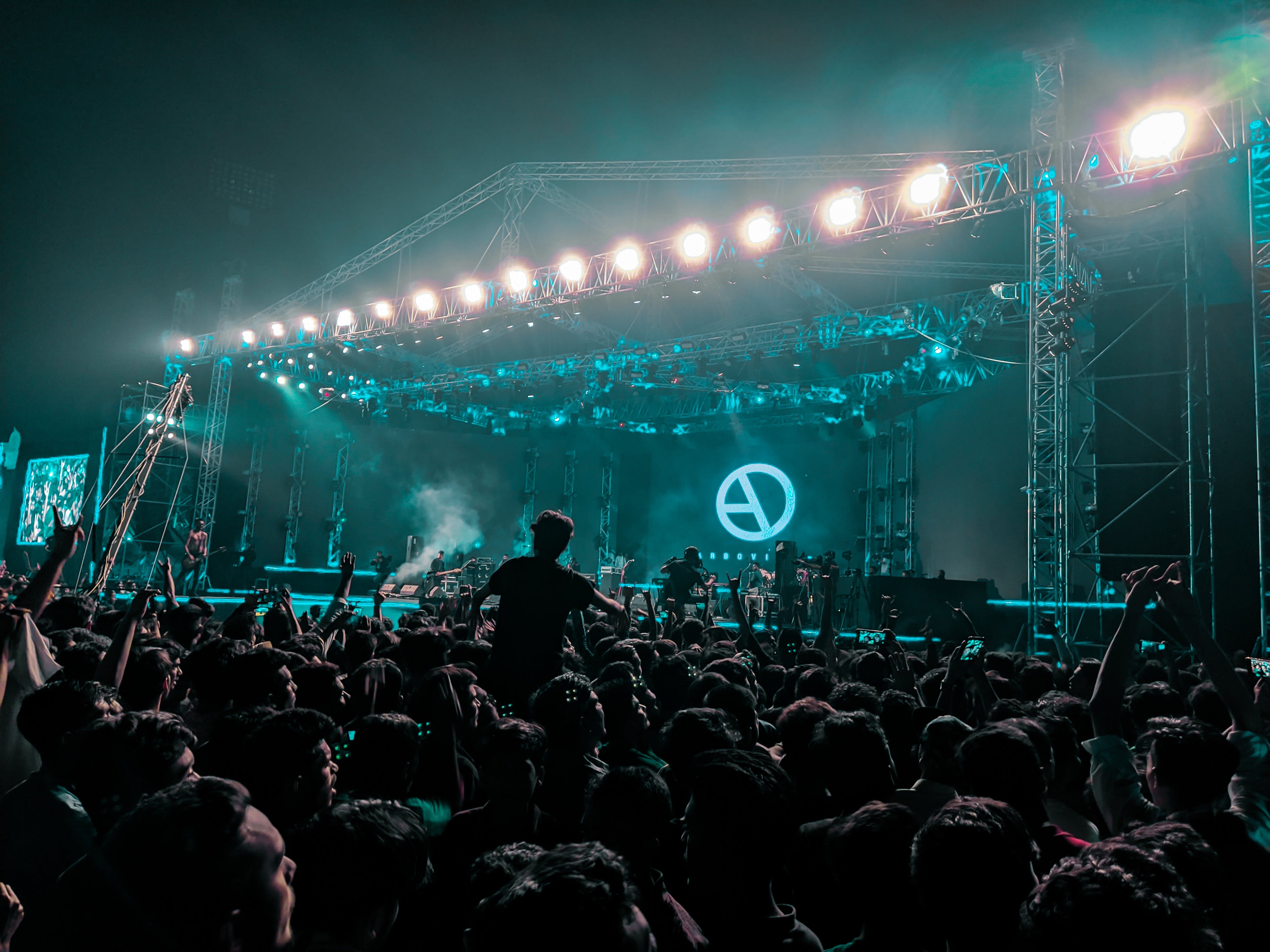
The legacy of defunct music festivals extends beyond mere nostalgia; it has left a lasting impact on how modern events are conceptualized and executed. Many of today's popular festivals borrow elements from their predecessors, ensuring that the spirit of these bygone events continues to resonate. For instance, the legendary Woodstock festival of 1969 set a precedent for communal and immersive experiences, influencing contemporary festivals like Coachella and Burning Man to create unique atmospheres that go beyond music.
Innovations in festival structure and programming can also be traced back to the experimentation of these now-defunct gatherings. Festivals such as the Monterey Pop Festival introduced the concept of multi-day events with diverse lineups, a format that has become the norm for today's large-scale music festivals. This approach allows attendees to experience a variety of genres and artists, catering to a broader audience and enhancing the festival's appeal.
Moreover, the incorporation of art installations and interactive experiences, seen at festivals like the Electric Daisy Carnival, owes its roots to the creative freedom and boundary-pushing ethos of earlier festivals. These elements have become integral to the festival experience, providing attendees with a sense of wonder and engagement that transcends the music itself.
The influence of defunct festivals is also evident in the emphasis on community and activism within modern events. Festivals like Rock Against Racism championed social and political causes, inspiring current festivals to adopt similar initiatives. This legacy encourages modern festivals to address pressing issues, fostering a sense of responsibility and awareness among attendees.
The Future of Music Festivals
As we look towards the future of music festivals, it is clear that the landscape is continuously evolving, driven by technological advancements and changing audience expectations. The integration of virtual reality (VR) and augmented reality (AR) is beginning to redefine the festival experience, offering immersive environments that were once the realm of science fiction. These technologies allow participants to enjoy concerts from the comfort of their homes, breaking geographical barriers and expanding accessibility.
Another trend shaping the future of festivals is the increasing focus on sustainability. Today's festival-goers are more environmentally conscious, pushing organizers to adopt eco-friendly practices such as reducing waste, promoting recycling, and utilizing renewable energy sources. This shift not only caters to the audience's preferences but also sets a new standard for event planning in a world grappling with climate change.
Moreover, the future will likely see a greater emphasis on diversity and inclusion. Festivals are becoming platforms for underrepresented voices, celebrating a wide array of cultures, genres, and identities. This broadens the scope of musical experiences available, enriching the cultural tapestry that festivals offer.
The future of music festivals, therefore, promises to be a blend of cutting-edge innovation, environmental stewardship, and cultural inclusivity. As these trends continue to develop, the festival experience will transform in exciting and unpredictable ways. If you're eager to stay updated on these developments and explore more about how defunct music festivals have paved the way, visit our website to learn more and get started today!