The Best Live Concerts in History: Unforgettable Moments
Explore the best live concerts in history, highlighting unforgettable performances and moments that defined musical eras.
From the electrifying performances to the unparalleled atmosphere, live concerts have always held a special place in the hearts of music lovers. These events not only bring fans closer to their favorite artists but also create moments that are remembered for a lifetime. Throughout the decades, countless concerts have left an indelible mark on the music industry, showcasing the very best of live music and stagecraft.
In this article, we delve into the best live concerts in history, exploring those unforgettable moments that have defined musical eras and set new standards for live performances. As we journey through these legendary events, you'll gain insights into what made each concert so unique, from groundbreaking stage designs to setlists that captured the zeitgeist of their times. These concerts have not only captivated audiences but have also inspired countless artists and music enthusiasts worldwide.
Whether you're a seasoned concertgoer or a newcomer eager to learn about the most iconic live performances, this exploration promises to enrich your understanding of the music world. The stories behind these concerts offer a glimpse into the passion and creativity that fuel the music industry and the artists who dare to push the boundaries of what's possible on stage.
Visit our website to learn more and get started today! Click here.
Unforgettable Moments in Music History
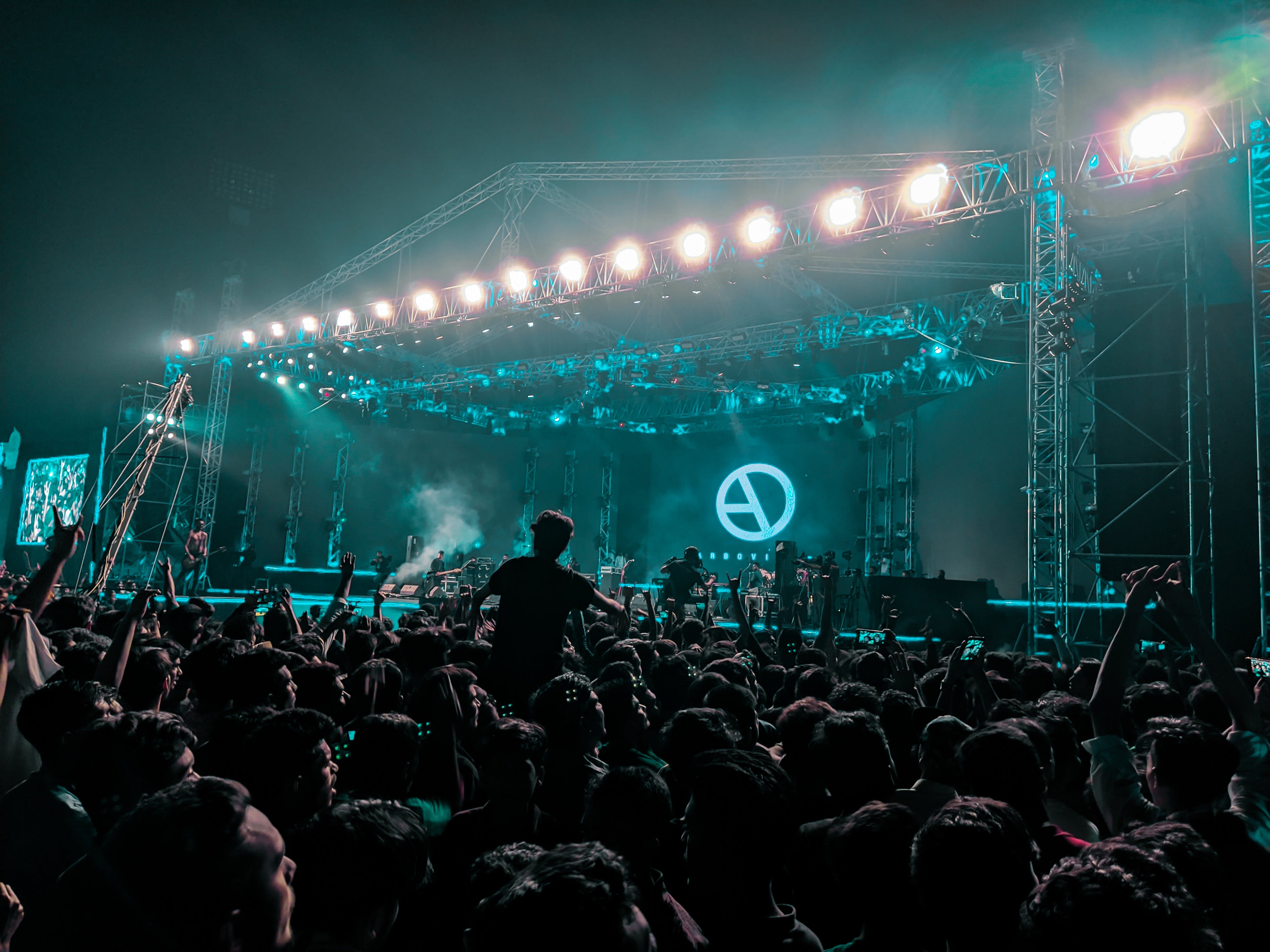
Throughout the annals of music history, there have been concerts that not only entertained but also transformed the landscape of live performances. These unforgettable moments have become benchmarks for excellence and creativity, leaving audiences in awe and setting the stage for future generations of musicians.
One such moment occurred at Woodstock in 1969, a festival that symbolized the counterculture movement of the era. The event drew hundreds of thousands of attendees and featured groundbreaking performances by artists like Jimi Hendrix, whose rendition of "The Star-Spangled Banner" became an anthem for peace and protest. Woodstock wasn't just a concert; it was a cultural phenomenon that encapsulated the spirit of the 1960s.
Another iconic moment in music history was Queen's performance at Live Aid in 1985. Freddie Mercury's commanding stage presence and the band's electrifying setlist captivated a global audience, redefining what a live concert could achieve. The concert raised millions for famine relief in Africa and demonstrated the power of music to unite and inspire change.
These memorable events highlight the magic of live performances, where music transcends mere entertainment to become a powerful force for social and cultural impact. They remind us of the moments when artists have harnessed their talent not just to delight but to make a lasting mark on history.
Legendary Performances That Shaped Music
When discussing the best live concerts in history, it is impossible to overlook the legendary performances that have profoundly shaped the course of music. These powerful displays of talent and showmanship have not only elevated the artists themselves but have also influenced countless musicians and fans alike.
A prime example is The Beatles' performance on "The Ed Sullivan Show" in 1964. This momentous occasion marked the beginning of the British Invasion in America and catapulted The Beatles to international superstardom. The band's energetic performance and catchy tunes captivated millions, solidifying their place in music history and setting a standard for pop culture.
Similarly, Michael Jackson's performance at the 1983 Motown 25th Anniversary Special showcased the debut of the now-iconic moonwalk. This single dance move, executed during "Billie Jean," left an indelible mark on pop music and dance, further cementing Jackson's status as the "King of Pop." His performance was a masterclass in innovation and artistry, forever altering the landscape of live entertainment.
These legendary performances serve as shining examples of how live concerts can transcend the ordinary to become defining moments in music history. They remind us of the power of creativity and innovation in shaping the music industry and inspiring future generations of artists.
Technological Advancements in Live Shows
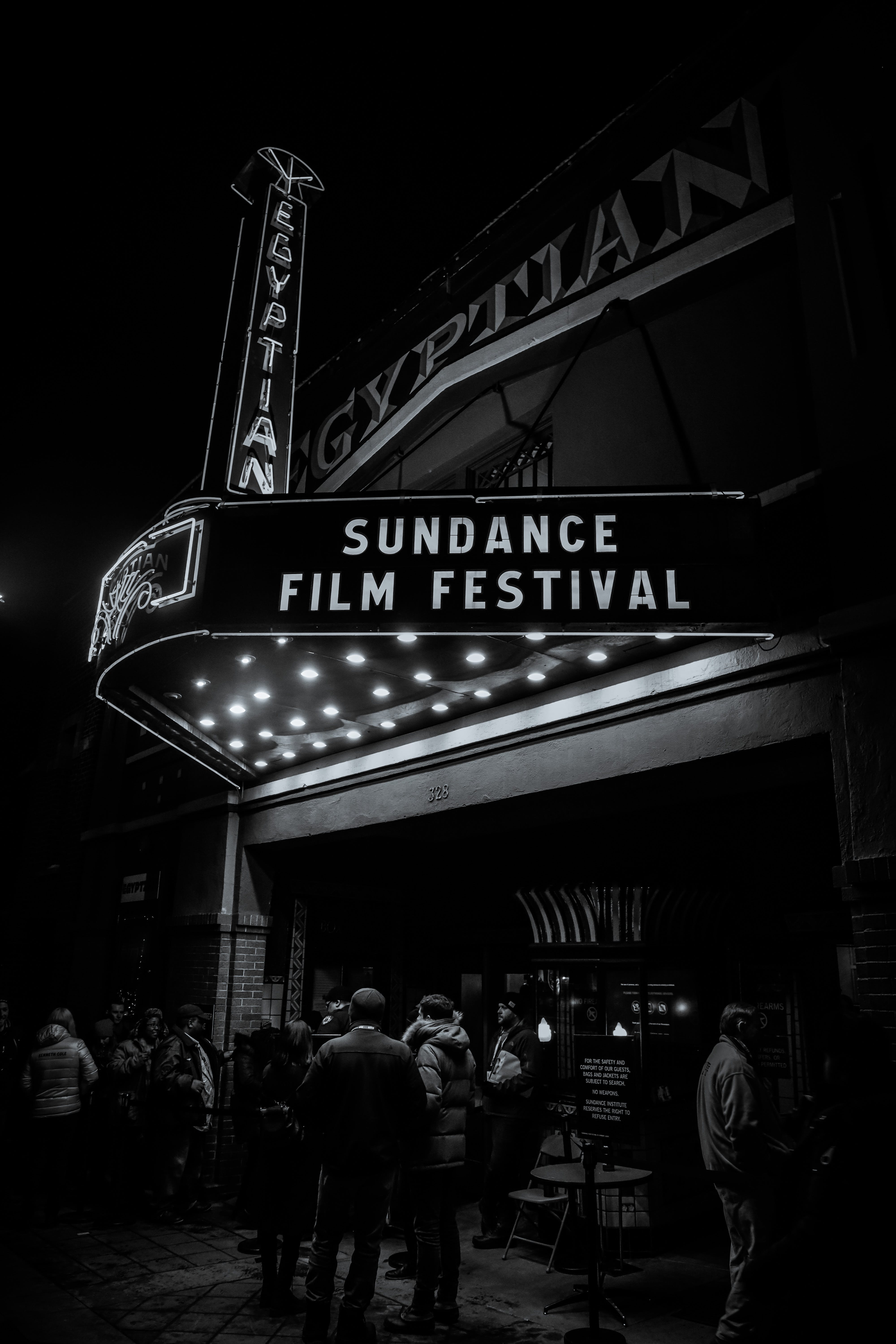
The evolution of live shows is intrinsically linked to the technological advancements that have revolutionized the concert experience. From the advent of electric amplification to the use of cutting-edge visual effects, technology has consistently pushed the boundaries of what is possible on stage, creating some of the best live concerts in history.
One pivotal advancement was the introduction of sophisticated sound systems, which allowed for larger venues and better audio quality. This was a game-changer in the 1960s, enabling bands like The Rolling Stones and The Who to fill stadiums and reach a wider audience. Enhanced audio technology ensured that every note was crystal clear, regardless of where one was seated.
The 1980s and 1990s saw the integration of computerized lighting and pyrotechnics, transforming concerts into multi-sensory spectacles. Artists like Pink Floyd and U2 utilized these technologies to create immersive experiences, with elaborate light shows and visual effects that captivated audiences worldwide. These innovations set new standards for live performances, proving that a concert could be both an auditory and visual feast.
Today, technology continues to shape live shows with advancements such as virtual reality (VR) and augmented reality (AR). These tools offer fans unique and interactive experiences, blurring the lines between the physical and digital realms. As technology progresses, the possibilities for live concerts are endless, promising even more unforgettable moments in the future.
Cultural Impact of Historic Concerts

The cultural impact of historic concerts extends far beyond the music itself, often becoming defining moments in the social and political landscapes. These events bring together diverse groups of people, fostering a sense of community and shared experience that can lead to significant cultural shifts. Some of the best live concerts in history are remembered not just for their musical excellence but for their profound influence on society.
Take, for instance, the legendary Woodstock festival in 1969, which became a symbol of the counterculture movement. It wasn't just about the iconic performances by artists like Jimi Hendrix and Janis Joplin; it was a gathering that epitomized the peace and love ethos of the era, challenging the status quo and promoting ideals of unity and non-violence.
Another example is Live Aid in 1985, a concert that demonstrated the power of music to mobilize collective action. Organized to raise funds for famine relief in Ethiopia, it was a global event that showcased the potential for concerts to bring about real-world change. The event's success illustrated how music could transcend entertainment, becoming a force for humanitarian aid and awareness.
Modern concerts continue to play a role in cultural discourse, often addressing contemporary issues such as climate change, social justice, and equality. As artists use their platforms to raise awareness and inspire action, concerts remain a vital medium for cultural expression and transformation. These events resonate with audiences globally, leaving an indelible mark on society and ensuring their place in history.
Why These Concerts Remain Unmatched
What truly sets *the best live concerts in history* apart is their enduring impact, both on fans and the music industry. These concerts offered *unprecedented experiences* that often set new standards for live performances. From innovative stage designs to groundbreaking sound technology, these events pushed the boundaries of what a live concert could be, leaving an indelible mark on those fortunate enough to witness them.
Consider Queen's 1985 Live Aid performance, frequently hailed as one of the greatest live shows ever. Freddie Mercury's charismatic stage presence and the band's electrifying energy captivated a global audience, showcasing the power of a live performance to connect people across nations and cultures. This concert remains unmatched because it wasn't just a show: it was a celebration of music's ability to unite and inspire.
The Beatles' rooftop concert in 1969 is another example that stands the test of time. As their last public performance, it became an iconic cultural moment, emphasizing the spontaneity and raw energy that only a live performance can deliver. The audacity of playing on a rooftop in the heart of London symbolized the band's innovative spirit and reinforced their legendary status.
These concerts remain unparalleled because they were more than just music events; they were experiences that resonated on a deeply emotional level with audiences. They continue to influence artists today, reminding us of the magic and transformative power of live performances. As we look back on these unforgettable moments, we are reminded of music's unique ability to transcend time and space.
Visit our website to learn more and get started today! Click here.