To What Extent Are Music Festivals Political? Find Out Now!
Explore the political aspects of music festivals and how they shape societal views and movements in our detailed analysis.
Music festivals have long been a platform for more than just entertainment. In recent years, they have become increasingly politicized, serving as a stage for activism and social change. From the iconic Woodstock Festival of 1969, which became a symbol of peace and counterculture, to modern-day events like Coachella and Burning Man, these gatherings often reflect the political climate of their times.
But to what extent are music festivals political? The answer lies in the very fabric of these events. Performers often use their sets to address pressing issues, while organizers collaborate with non-profits and advocacy groups to raise awareness about causes ranging from environmental sustainability to social justice. Attendees, too, become active participants in these movements, creating a communal space where ideas and values are shared and debated.
Moreover, the influence of political music festivals extends beyond the festival grounds. They inspire discussions, art, and even legislation, making them a powerful tool for societal transformation. With such a profound impact, it is essential to delve deeper into the intricate relationship between music festivals and politics.
Visit our website to learn more and get started today! Click here.
Historical Overview of Music Festivals

The history of music festivals is a rich tapestry that weaves together threads of cultural expression, social movements, and political activism. Early examples of music festivals can be traced back to ancient Greece, where large gatherings celebrated religious and civic occasions with music and dance. However, the modern concept of the music festival as we know it began to take shape in the mid-20th century.
One of the earliest and most influential music festivals was the Newport Folk Festival, first held in 1959. This festival played a pivotal role in the American folk music revival and became a platform for civil rights activism. Artists like Bob Dylan used the stage to address issues of social justice, setting a precedent for future festivals.
The 1960s and 1970s saw the emergence of iconic festivals like Woodstock and the Monterey Pop Festival, which became synonymous with the counterculture movement. Woodstock, in particular, is often remembered not just for its legendary performances but also for its message of peace and unity during a time of political turmoil in the United States.
As we moved into the late 20th and early 21st centuries, music festivals continued to evolve. Events like Glastonbury in the UK and Lollapalooza in the US expanded their lineups to include a diverse range of genres and artists, attracting increasingly larger and more varied audiences. These festivals also began to incorporate more explicit political and environmental messages, making activism a core component of their identities.
Today, music festivals are not just about the music; they are cultural events that reflect and influence the political and social landscapes of their times. Understanding their historical context helps us appreciate their impact and potential as catalysts for change.
Impact of Music Festivals on Society

Music festivals have a profound impact on society, serving as more than just platforms for entertainment. They are unique spaces where diverse groups of people come together, creating a sense of community and shared experience. This collective atmosphere often fosters a spirit of openness and dialogue, making festivals fertile ground for social change.
One significant impact of music festivals is their role in promoting cultural exchange. Festivals frequently showcase a variety of musical genres and artists from different backgrounds, encouraging attendees to explore new cultures and perspectives. This exposure can lead to greater cultural appreciation and understanding among festival-goers.
Economically, music festivals can provide substantial benefits to local communities. They attract thousands of visitors, generating revenue for local businesses and providing job opportunities. From food vendors to local artisans, festivals offer a marketplace for a wide range of goods and services, boosting the local economy.
Socially, festivals often address pressing issues through their programming and partnerships. Many festivals collaborate with non-profit organizations to raise awareness about causes such as environmental sustainability, mental health, and social justice. For example, Glastonbury Festival in the UK has a longstanding commitment to environmental activism, including initiatives to reduce waste and promote recycling.
Additionally, music festivals have a significant impact on the mental well-being of attendees. The immersive experience of live music, combined with the communal atmosphere, has been shown to reduce stress and increase feelings of happiness and connectedness. This mental health benefit is particularly important in today's fast-paced, often isolating world.
In summary, the impact of music festivals on society is multifaceted, influencing cultural appreciation, economic growth, social awareness, and mental well-being. These events serve as microcosms of society, reflecting and shaping the world in which we live.
Artists and Their Political Statements

Artists have long used music festivals as platforms to make political statements, leveraging their visibility to address issues close to their hearts. This trend has only grown in recent years, with many artists feeling a responsibility to use their influence for social and political change.
One of the most notable examples is the legendary performance by Beyoncé at Coachella in 2018, often referred to as 'Beychella'. Through her carefully curated set, she paid tribute to historically black colleges and universities (HBCUs) and the Black Lives Matter movement, making a powerful statement about racial pride and social justice. Her performance was not just a musical spectacle but a politically charged narrative that resonated with millions.
Similarly, artists like Kendrick Lamar and Childish Gambino have used their festival stages to address systemic issues such as police brutality and racial inequality. Lamar’s poignant lyrics in songs like 'Alright' and Gambino's visually striking performance of 'This Is America' have become anthems for social movements, amplifying the voices of marginalized communities.
Beyond individual performances, entire festivals have also embraced political activism. For instance, the Glastonbury Festival has a long history of political engagement, regularly featuring speakers and organizations advocating for causes such as environmental sustainability and human rights. By providing a platform for these voices, festivals help to educate and inspire their audiences.
Moreover, the rise of social media has amplified the reach of these political statements. Performances and speeches are often shared widely online, extending their impact far beyond the festival grounds. This digital amplification means that an artist’s message can reach a global audience, sparking conversations and inspiring action around the world.
The interplay between music and politics at festivals highlights the power of art as a tool for change. Artists who use their platforms to make political statements contribute to a broader dialogue, challenging the status quo and inspiring their fans to engage with critical social issues.
Case Studies of Political Music Festivals
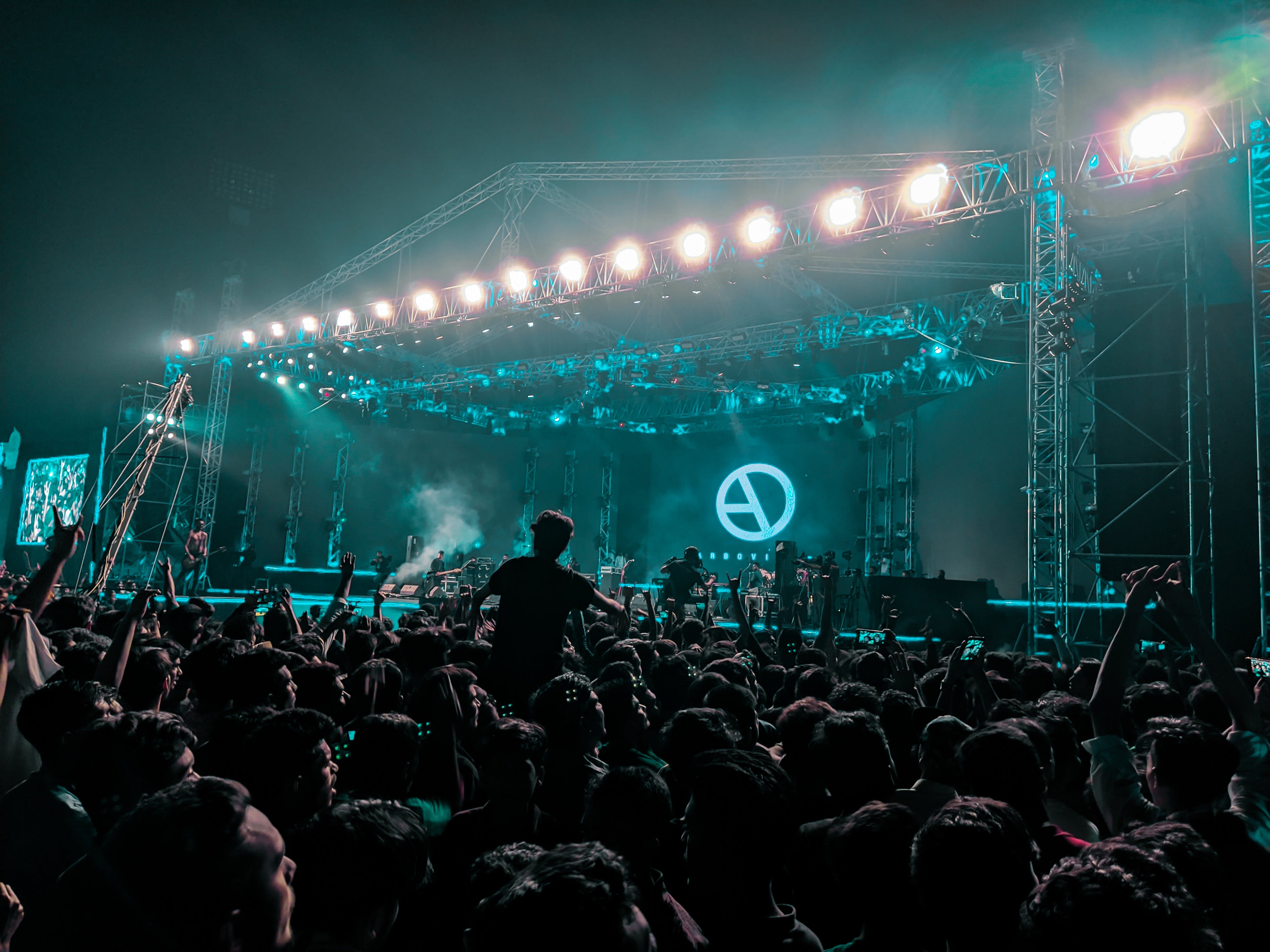
Examining specific case studies of political music festivals can provide a deeper understanding of how these events influence societal views and movements. Over the years, several festivals have not only entertained but also made significant political impacts.
One of the most prominent examples is the Woodstock Festival of 1969. Often hailed as the pinnacle of the counterculture movement, it was a gathering that promoted peace, love, and anti-war sentiments during a time of significant political upheaval in the United States. Musicians like Jimi Hendrix, with his rendition of the 'Star-Spangled Banner,' and Joan Baez, who dedicated her performance to political prisoners, used their platforms to voice opposition to the Vietnam War and support for civil rights.
Another significant case is the Rock Against Racism (RAR) movement in the late 1970s in the UK. Formed in response to rising racial tensions and the influence of far-right groups, RAR organized concerts that brought together diverse musical acts to promote unity and fight racism. The movement's flagship event, the 1978 concert in Victoria Park, London, featured bands like The Clash and Steel Pulse. It attracted tens of thousands of attendees and sent a powerful message against racial discrimination.
In more recent years, the Global Citizen Festival stands out as a modern example of a politically engaged music festival. Launched in 2012, this annual event aims to end extreme poverty by 2030. It gathers some of the biggest names in music, such as Coldplay, Beyoncé, and Ed Sheeran, to draw attention to global issues like climate change, gender equality, and access to education. The festival not only entertains but also encourages attendees and viewers to take specific actions, such as signing petitions and contacting their representatives to support policy changes.
Another noteworthy festival is Standing Rock Rising, which took place in 2016 to support the Standing Rock Sioux Tribe's protests against the Dakota Access Pipeline. Featuring artists like Jackson Browne and Bonnie Raitt, the festival aimed to raise awareness and funds for the protests, highlighting issues of indigenous rights and environmental justice.
These case studies illustrate that music festivals can be powerful vehicles for political expression and social change. By bringing together large, diverse audiences and combining entertainment with activism, these festivals demonstrate the unique ability of music to inspire, educate, and mobilize people around critical issues.
Future of Music Festivals and Politics
As we look towards the future, the intersection of music festivals and politics is poised to become even more significant. In an era where social media amplifies voices and movements across the globe, music festivals are uniquely positioned to serve as platforms for political discourse and action. The potential for these events to influence change is vast, given their ability to gather large, engaged audiences.
One emerging trend is the increasing integration of technology and virtual experiences. With the advent of live streaming and virtual reality, festivals are no longer confined to physical locations. This digital shift expands their reach, allowing political messages to resonate with a global audience. For instance, during the COVID-19 pandemic, many festivals went virtual, maintaining their commitment to social and political causes despite physical restrictions.
Moreover, the younger generation, particularly Gen Z, is known for its strong advocacy for social justice and environmental issues. Festivals that align with these values are likely to see increased participation and support. Organizers are becoming more mindful of sustainability practices and inclusivity, ensuring that their events not only entertain but also leave a positive impact on society and the environment.
Collaborations between musicians, activists, and non-profit organizations are expected to grow, creating more opportunities for meaningful engagement. These partnerships can help address pressing issues such as climate change, racial justice, and mental health, making music festivals important catalysts for change.
However, this evolving landscape also presents challenges. Balancing commercial interests with genuine activism requires careful navigation. Festival organizers must ensure that their political messages are authentic and not perceived as mere marketing tactics. The emphasis should remain on fostering genuine connections and inspiring real-world actions.
In conclusion, the future of music festivals and politics appears bright and full of potential. As these events continue to adapt and innovate, they will likely play an even more critical role in shaping societal views and movements. By harnessing the power of music and the passion of audiences, festivals can drive significant change and leave a lasting legacy.
Visit our website to learn more and get started today! Click here.