Top Questions About the Entertainment Industry Answered
Discover answers to the top questions about the entertainment industry, covering career paths, industry trends, and behind-the-scenes insights.
The entertainment industry is a vast and dynamic field that encompasses a wide range of sectors, from film and television to music, theater, and digital media. For those looking to break into this glamorous yet challenging world, it's natural to have many *questions about the entertainment industry*. What does it take to succeed? How can one navigate the complexities of this ever-evolving landscape? In this article, we aim to answer some of the most pressing questions aspiring professionals and curious fans have about this captivating industry.
Whether you're interested in the **nuances of film production**, the *secrets behind blockbuster hits*, or the emerging trends shaping the future of entertainment, this guide will provide you with valuable insights and practical advice. With contributions from industry insiders and seasoned professionals, we aim to demystify the entertainment industry and provide you with the knowledge you need to thrive.
Visit our website to learn more and get started today! Click here.
Popular Career Paths in Hollywood

When considering a career in Hollywood, it's essential to recognize the diverse range of *opportunities available*. While many people immediately think of actors and directors, the entertainment industry relies on a vast network of professionals in various roles to bring stories to life on screen.
One of the most popular career paths is that of an **actor**. Aspiring actors often start with training in drama schools or acting workshops, gaining experience through theater productions, commercials, and small roles in television and film. Persistence, talent, and networking are crucial for success in this highly competitive field.
Another significant career path is **directing**. Directors are responsible for bringing a script to life, guiding the artistic and dramatic aspects of a production. Many directors start as assistant directors or work in other capacities on film sets to learn the ropes before taking on their projects.
**Screenwriting** is another vital profession in Hollywood. Screenwriters craft the stories that become movies and television shows. Success in this field requires a deep understanding of storytelling, character development, and screenplay structure. Many screenwriters start by writing spec scripts and collaborating with others in the industry.
Behind the scenes, there are numerous other essential roles such as **producers**, who oversee the financial and logistical aspects of a production, and **cinematographers**, who are responsible for capturing the visual essence of a film. Additionally, **editors**, **sound designers**, and **costume designers** all play crucial roles in creating a polished final product.
The entertainment industry offers a myriad of career paths, each requiring its unique set of skills and dedication. By understanding the various roles and their functions, aspiring professionals can better navigate their journey in Hollywood.
Understanding Industry Trends and Changes

The entertainment industry is in a constant state of flux, with trends and changes shaping the landscape in profound ways. One of the most significant shifts in recent years has been the rise of *streaming platforms*. Services like Netflix, Hulu, and Disney+ have revolutionized how audiences consume content, leading to a decline in traditional cable subscriptions and a surge in on-demand viewing.
Another trend reshaping Hollywood is the emphasis on **diversity and inclusion**. There is a growing demand for stories that reflect a broader range of experiences and voices. This shift is evident in the increasing number of films and TV shows that feature diverse casts and tackle issues related to race, gender, and sexuality. Studios and production companies are also making concerted efforts to diversify their creative teams, ensuring that different perspectives are represented behind the camera as well.
**Technological advancements** are another major driver of change in the industry. The use of CGI, virtual reality (VR), and augmented reality (AR) has opened new avenues for storytelling, allowing filmmakers to create immersive and visually stunning experiences. Additionally, advancements in digital distribution have made it easier for independent filmmakers to reach global audiences without the backing of major studios.
The rise of **social media** has also had a profound impact on Hollywood. Platforms like Instagram, Twitter, and TikTok have become essential tools for marketing and audience engagement. They allow for real-time interaction with fans and provide valuable insights into viewer preferences and trends.
Lastly, the ongoing **COVID-19 pandemic** has accelerated some of these trends while introducing new challenges. With theaters closed or operating at limited capacity, studios have had to rethink traditional release strategies, opting for digital premieres and hybrid release models.
Understanding these industry trends and changes is crucial for anyone looking to navigate the entertainment landscape. By staying informed and adaptable, professionals can better position themselves for success in this ever-evolving field.
Behind-the-Scenes Insights and Realities
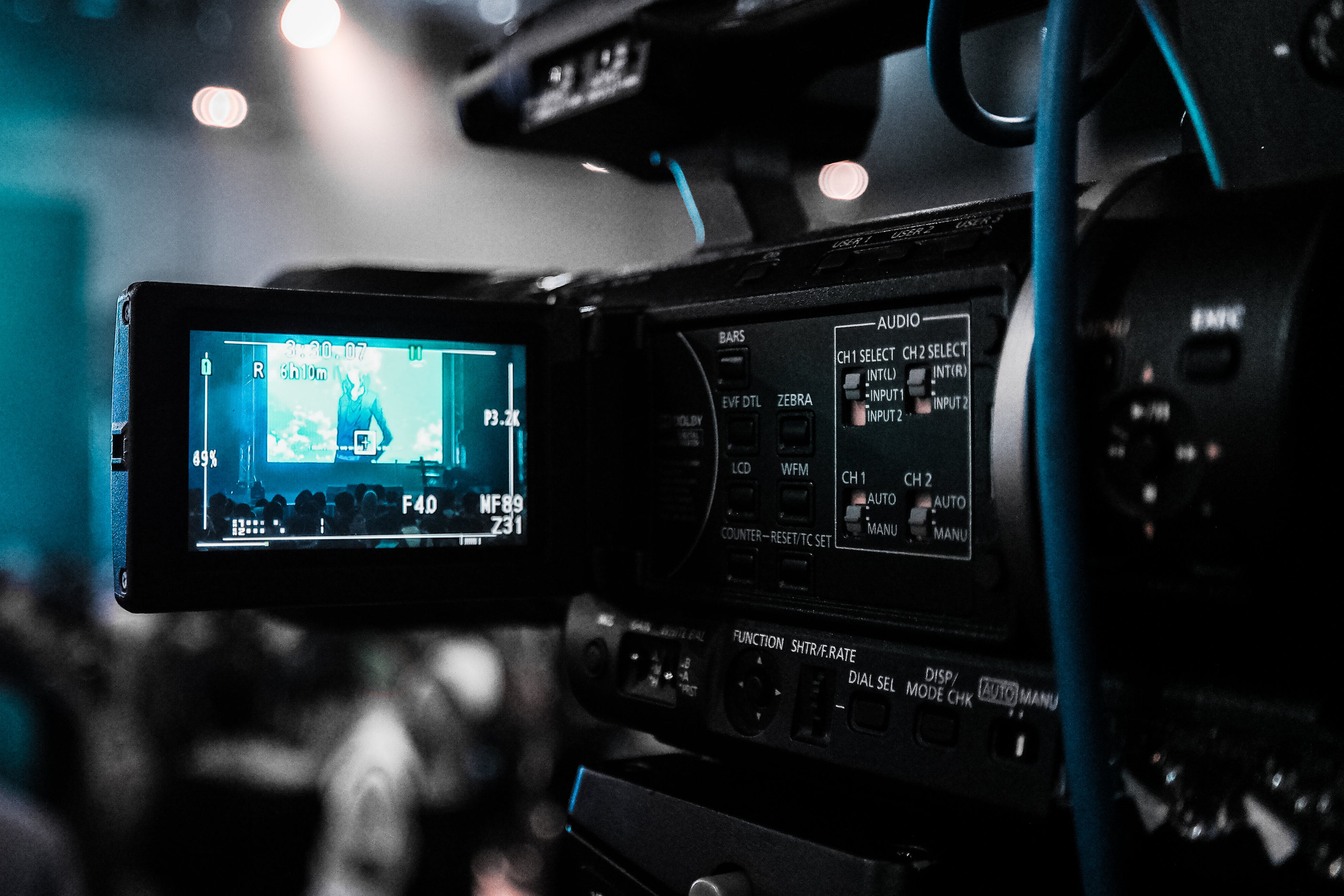
When it comes to the entertainment industry, what you see on screen is just the tip of the iceberg. **Behind the scenes**, a complex web of activities and roles come together to create the magic that captivates audiences worldwide. Understanding these behind-the-scenes insights and realities can provide a more comprehensive view of how Hollywood operates.
First and foremost, the **production process** is highly collaborative. From directors and producers to writers, set designers, and costume artists, a wide array of professionals contribute their expertise to bring a project to life. Each role is crucial, and the synergy among team members often determines the success of the final product.
**Casting** is another essential element. Casting directors often spend months finding the perfect actors for each role, balancing talent, chemistry, and marketability. The audition process can be grueling for actors, involving multiple rounds of callbacks and screen tests.
The **editing room** is where much of the magic happens. Editors work closely with directors to piece together scenes, add special effects, and fine-tune the pacing of the story. This stage can make or break a film, as the right cuts and transitions are vital for maintaining narrative flow and emotional impact.
**Budgeting and financing** are also critical behind-the-scenes aspects. Securing funding can be a complex process, often involving multiple investors and production companies. Budgets must be meticulously managed to ensure that resources are allocated efficiently, covering everything from actor salaries to special effects and marketing.
Moreover, the industry is known for its intense **work schedules**. Productions often involve long hours and tight deadlines, requiring a high level of dedication and resilience from everyone involved. It’s not uncommon for crew members to work 12-16 hour days, sometimes in challenging conditions.
Lastly, the **post-production stage** involves finalizing visual effects, sound design, and musical scores. This phase is crucial for enhancing the overall quality of the film and ensuring that it meets the high standards expected by audiences.
By understanding these behind-the-scenes realities, aspiring professionals can better prepare for the demands of the industry and appreciate the intricate craftsmanship that goes into creating every piece of entertainment.
Navigating Challenges in the Entertainment Industry

The **entertainment industry** is renowned for its glitz and glamour, but beneath the shiny surface lie numerous challenges that professionals must navigate. Understanding these obstacles can offer valuable insights into the resilience and adaptability required to succeed in this competitive field.
**Job security** is one of the foremost challenges. Unlike traditional careers, the entertainment industry is often project-based, meaning that employment can be temporary and unpredictable. Many actors, directors, and crew members work on a freelance basis, constantly on the lookout for the next opportunity. This uncertainty necessitates a strong network and the ability to consistently deliver high-quality work to secure future projects.
Another significant challenge is the **intense competition**. With countless aspiring talents vying for limited opportunities, breaking into the industry can be incredibly difficult. This competition extends beyond actors to include writers, directors, and even technical crew members. Building a unique brand and standing out in a crowded market requires exceptional skill, perseverance, and a bit of luck.
**Work-life balance** is also a pressing issue. The long hours and demanding schedules often lead to burnout, affecting both physical and mental health. Industry professionals must learn to manage their time effectively and prioritize self-care to sustain a long-term career. This balancing act can be particularly challenging for those with families or other personal commitments.
**Financial instability** is another hurdle. The variability of income in the entertainment industry can make financial planning difficult. During periods of unemployment, savings can dwindle quickly, and the lack of benefits like health insurance adds an extra layer of concern. Financial literacy and careful budgeting are essential skills for navigating these fluctuations.
**Networking and relationship-building** are crucial but can also be challenging. The adage “it’s not what you know, but who you know” often rings true in Hollywood. Building meaningful relationships with industry insiders takes time and effort but is vital for career advancement. Attending industry events, joining professional organizations, and leveraging social media can all aid in expanding one's network.
Lastly, the industry faces ongoing issues related to **diversity and inclusion**. While progress has been made, there are still significant gaps in representation both in front of and behind the camera. Advocating for equitable opportunities and fostering an inclusive environment remains an ongoing challenge that the industry must address to reflect the diverse society it serves.
By acknowledging and preparing for these challenges, aspiring professionals can develop the resilience and adaptability needed to thrive in the dynamic world of entertainment.
Future of the Entertainment Industry
The **future of the entertainment industry** is an exciting and rapidly evolving landscape, shaped by technological advancements, changing consumer preferences, and innovative storytelling methods. As we look ahead, several key trends are poised to redefine the way we create and consume entertainment.
**Streaming services** have already revolutionized the industry, and their influence is only expected to grow. Platforms like Netflix, Disney+, and Amazon Prime Video have shifted the focus from traditional cable TV to on-demand content. This shift has opened up new opportunities for diverse and niche content, giving voice to stories that might have been overlooked by mainstream media.
**Virtual reality (VR) and augmented reality (AR)** are also set to play a significant role in the future of entertainment. These immersive technologies offer new ways to experience movies, games, and live events, creating a more engaging and interactive experience for audiences. The potential for VR and AR extends beyond entertainment to educational and training applications, further broadening their impact.
**Artificial intelligence (AI)** is another game-changer. AI is being used to personalize content recommendations, streamline production processes, and even create new forms of entertainment. For example, AI-driven algorithms can analyze viewer preferences to suggest shows and movies, while AI-generated characters and scripts are beginning to emerge as experimental storytelling tools.
**Social media** continues to be a powerful force in the entertainment industry. Platforms like Instagram, TikTok, and YouTube have democratized content creation, allowing anyone with a smartphone to become a creator. This trend has led to the rise of influencers and content creators who command massive followings and wield significant cultural influence.
The industry is also seeing a push towards **sustainability and ethical practices**. As awareness of environmental and social issues grows, consumers are demanding more responsible production methods. This shift is encouraging studios and production companies to adopt greener practices and create content that promotes positive social change.
**Globalization** is another factor shaping the future of entertainment. Content from different parts of the world is now more accessible than ever, leading to a cross-pollination of cultures and ideas. International collaborations and the success of non-English language films and series are breaking down barriers and broadening the horizons of global audiences.
The future of the entertainment industry is bright, filled with endless possibilities and opportunities for innovation. Whether you are an aspiring actor, filmmaker, or behind-the-scenes professional, staying ahead of these trends will be crucial for success.
**Visit our website to learn more and get started today!** Click here.