What Are The Major Functions of Music in a Festival?
Explore the essential functions of music in festivals, from enhancing atmosphere to fostering community and driving emotional connections.
Music is more than just a backdrop at festivals; it serves as a dynamic force that shapes the entire experience. At its core, music plays a multifaceted role in festivals, enhancing the atmosphere and creating a sense of community among attendees. When we ask what are the major functions of music in a festival, we uncover several key elements that contribute to the overall success of these vibrant events.
Firstly, music sets the mood for the festival, influencing the emotions of the audience. From the first beat to the final encore, the selection of music can evoke a range of feelings, whether it’s excitement, nostalgia, or joy. The right musical choices can transform a simple gathering into a euphoric celebration.
Additionally, music fosters a sense of community among festival-goers. When people gather to enjoy their favorite artists, they share a common bond that transcends individual differences. This shared experience can lead to lasting friendships and a feeling of belonging, making the festival a memorable event.
Moreover, the cultural significance of music cannot be overlooked. Festivals often showcase various musical genres and traditions, promoting cultural exchange and appreciation. This aspect not only enriches the festival experience but also educates attendees about diverse musical heritages.
To explore the essential functions of music in festivals further, visit our website to learn more and get started today! Click here.
Creating an Inviting Atmosphere with Music

The atmosphere of a festival is crucial to its success, and music plays a pivotal role in crafting that inviting ambiance. When attendees arrive, the first thing they often notice is the soundscape around them. A carefully curated musical selection can instantly transport festival-goers into a different world, filled with excitement and anticipation.
One of the primary ways music creates an inviting atmosphere is through rhythm and tempo. Upbeat tracks can energize crowds, encouraging people to dance and engage with one another. This infectious energy can lead to an exhilarating experience, where the music becomes a catalyst for social interaction.
Furthermore, the variety of musical styles showcased can cater to diverse audiences, ensuring that there is something for everyone. From electronic beats to acoustic ballads, the eclectic mix can draw in a broader audience, making the festival feel inclusive and welcoming.
Lighting is another key element that works in harmony with music to enhance the atmosphere. Synchronizing visual displays with musical performances can create a sensory feast that captivates attendees. When the lights pulse with the beat or change colors in response to crescendos, it elevates the overall experience and makes it more memorable.
Ultimately, the goal is to create a space where people feel free to express themselves and connect with others. Through the power of music, festivals have the unique ability to forge lasting memories and encourage a sense of belonging among attendees.
Fostering Community and Social Connections

At the heart of every successful festival lies the concept of community, and music serves as one of the most powerful tools for fostering social connections. When people come together to enjoy live performances, they share not only the experience of the music but also the emotions that come with it. This collective engagement creates bonds that can be felt long after the last note has faded.
One significant aspect of how music fosters community is through the creation of shared memories. Festivals often feature performances that resonate deeply with attendees, and these moments become cherished recollections that people reminisce about for years to come. Whether singing along to a favorite track or dancing with strangers, these shared experiences reinforce a sense of belonging.
Moreover, music can bridge cultural divides, bringing together individuals from various backgrounds. Genres like world music or multicultural collaborations encourage festival-goers to explore sounds that may be unfamiliar, thereby enriching their appreciation for different cultures and lifestyles. This exposure fosters a spirit of acceptance and unity.
In addition to creating memories, music also serves as a medium for expression and storytelling. Artists often convey messages through their lyrics that resonate with audiences, prompting discussions and connections on deeper levels. This shared understanding can lead to new friendships formed around common interests and values.
Ultimately, festivals that prioritize music as a means of fostering community create environments where individuals feel seen, heard, and valued. Such connections can transform a simple gathering into a vibrant tapestry of relationships that enrich the lives of everyone involved.
Enhancing Emotional Experiences Through Music
Music has a profound ability to evoke emotions, a characteristic that is especially magnified in the festival setting. When we consider how music enhances emotional experiences, we delve into its unique power to connect listeners with their feelings, making festivals not just events, but emotional journeys.
One of the primary ways music affects emotion is through its melodic and lyrical content. Songs can encapsulate joy, nostalgia, sadness, or even anger, allowing attendees to resonate with the emotional undercurrents of the performances. For instance, a heartfelt ballad might evoke tears of joy or reflection, while an upbeat dance track can inspire feelings of exuberance, prompting audiences to let loose and celebrate.
Moreover, the setting of a festival amplifies these emotional responses. Surrounded by thousands of like-minded individuals, the atmosphere created by live music can heighten feelings of euphoria and unity. The collective energy of the crowd, combined with the power of live instrumentation, can create an almost transcendent experience. This phenomenon is often referred to as the “festival high,” where the emotional connection to the music is magnified by the shared experience with others.
Additionally, music can serve as a form of catharsis. Attendees often use festivals as an outlet for their emotions, whether they are seeking to celebrate life’s joys or to process deeper feelings of loss or heartache. The act of singing along or dancing can release pent-up emotions, making music not just a source of entertainment but a vital part of emotional healing.
In essence, festivals become a canvas for emotional exploration, where music plays the crucial role of both catalyst and companion. Through harmonies and rhythms, attendees embark on personal and collective journeys that resonate long after the final act has concluded.
Promoting Cultural Identity and Diversity

Festivals are vibrant celebrations that often showcase the rich tapestry of cultural identity and diversity, with music serving as a core element in expressing these themes. Through various genres and styles, music not only reflects cultural heritage but also promotes an understanding and appreciation of different backgrounds.
At many festivals, attendees are treated to a variety of musical performances that represent a wide range of cultural traditions. For example, folk music can provide insights into the history and customs of a community, while contemporary genres might merge traditional elements with modern influences, creating a fusion that appeals to diverse audiences. This blending of styles fosters a sense of inclusivity and encourages attendees to explore unfamiliar sounds and rhythms.
Moreover, music acts as a unifying force, bringing together people from different walks of life. When individuals gather to enjoy performances that celebrate different cultures, they are engaging in a shared experience that transcends language barriers. This interaction encourages dialogue, understanding, and respect for cultural differences, making music a powerful medium for promoting social cohesion.
Festivals also provide a platform for emerging artists from diverse backgrounds to showcase their talents. By highlighting underrepresented voices, festivals contribute to the preservation of cultural identities while simultaneously challenging mainstream narratives. This not only enriches the festival experience for attendees but also helps elevate the visibility of various cultural expressions.
In essence, the role of music in festivals extends beyond entertainment; it is a vital instrument for promoting cultural identity and fostering diversity. Through the rhythms and melodies that fill the air, festivals become spaces where communities come together to celebrate their uniqueness and shared humanity.
Driving Engagement and Participation at Festivals
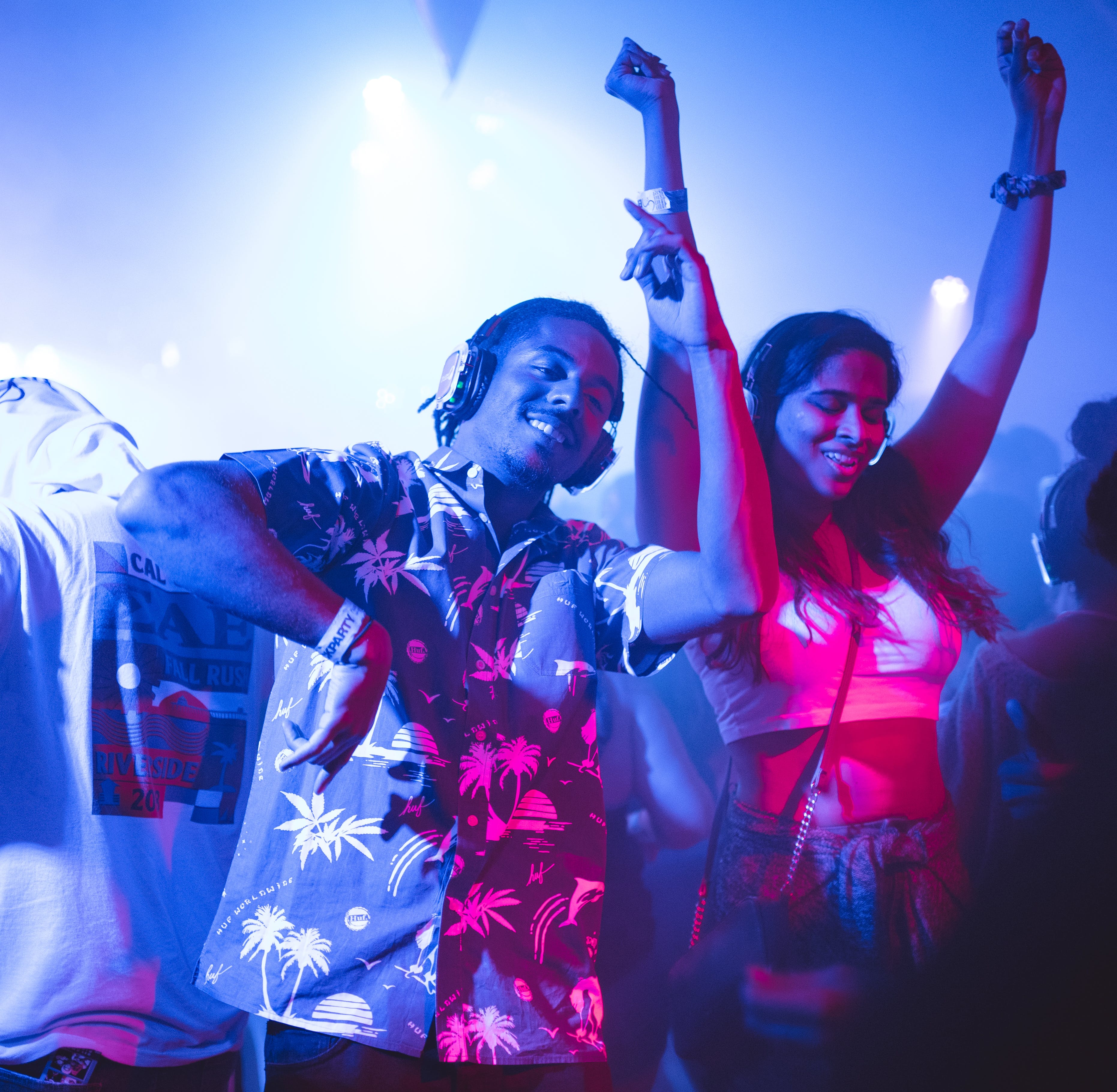
Music plays a pivotal role in driving engagement and participation at festivals, transforming mere spectators into active participants. The dynamic energy of live performances encourages attendees to immerse themselves in the experience, fostering a sense of connection not only to the music but also to the festival environment and community.
As artists take the stage, their music often invites audiences to join in through singing, dancing, and even clapping along. This interactive aspect creates a lively atmosphere that enhances the overall enjoyment of the event. Furthermore, many festivals incorporate audience participation elements, such as sing-alongs and dance-offs, which deepen the emotional connection between the performers and the audience.
In addition to live performances, music can also drive engagement through workshops and collaborative sessions. Festivals frequently offer opportunities for attendees to learn about different music styles, instruments, and even songwriting. These hands-on experiences empower individuals to explore their creativity, making the festival a space for personal expression and growth.
Moreover, the social media age has transformed how festivals utilize music to engage participants. By encouraging attendees to share their experiences online, festivals can create a sense of community that extends beyond the physical space. Hashtags, challenges, and live streaming of performances enhance the festival's reach, allowing people who cannot attend in person to engage with the event from afar.
Ultimately, music is the heartbeat of festivals, driving engagement and participation that enrich the experience for everyone involved. Visit our website to learn more and get started today! Click here.