What is Another Name for the Entertainment Industry?
Explore alternative names for the entertainment industry, uncover their significance, and understand the terminology used to describe Hollywood and beyond.
The entertainment industry, a vast and multifaceted domain, is often referred to by various names that reflect its diverse nature and cultural significance. Rooted in creativity and innovation, this industry encompasses everything from film and television to music, theater, and digital media. But what is another name for the entertainment industry?
Commonly, you'll hear terms like Hollywood, Showbiz, and Tinseltown. Each of these names carries its own connotations and history, painting a vivid picture of the glitz, glamour, and hard work that define this vibrant sector. Hollywood, for instance, has become synonymous with the film industry, representing a global hub of cinematic production. Meanwhile, Showbiz, short for show business, emphasizes the commercial and performance aspects of the industry, highlighting the spectacle and entertainment value that it delivers to audiences worldwide.
These alternative names not only enrich our understanding of the entertainment industry but also underscore its impact on culture and society. By exploring the terminology used to describe this field, we can gain deeper insights into its evolution and the myriad ways it continues to shape our world.
Visit our website to learn more and get started today! Click here.
Hollywood: The Heart of Entertainment

When people think of the entertainment industry, one of the first names that comes to mind is Hollywood. Located in Los Angeles, California, Hollywood is not just a neighborhood but a symbol of the global film and television industry. Its name has become synonymous with the glamour, creativity, and larger-than-life productions that define modern entertainment.
The origins of Hollywood as a filmmaking hub date back to the early 20th century. Visionaries like D.W. Griffith and Cecil B. DeMille saw the potential of this sunny Californian locale, transforming it into the epicenter of American cinema. The iconic Hollywood Sign, originally created as an advertisement for a real estate development, now stands as a beacon for aspiring actors, directors, and producers from around the world.
Hollywood's impact is not limited to film. It is a melting pot of various entertainment forms, including television, music, and digital content. Major studios like Warner Bros., Paramount Pictures, and Universal Pictures have their roots in Hollywood, contributing to its reputation as the heart of the entertainment industry. The annual Academy Awards, held at the Dolby Theatre, further reinforce Hollywood's status as the pinnacle of cinematic achievement.
Despite the rise of other entertainment hubs around the world, Hollywood remains an enduring symbol of the industry's rich history and ongoing innovation. Its name evokes a sense of magic and possibility, a place where dreams are made and global phenomena are born.
Showbiz: The Glamorous Term
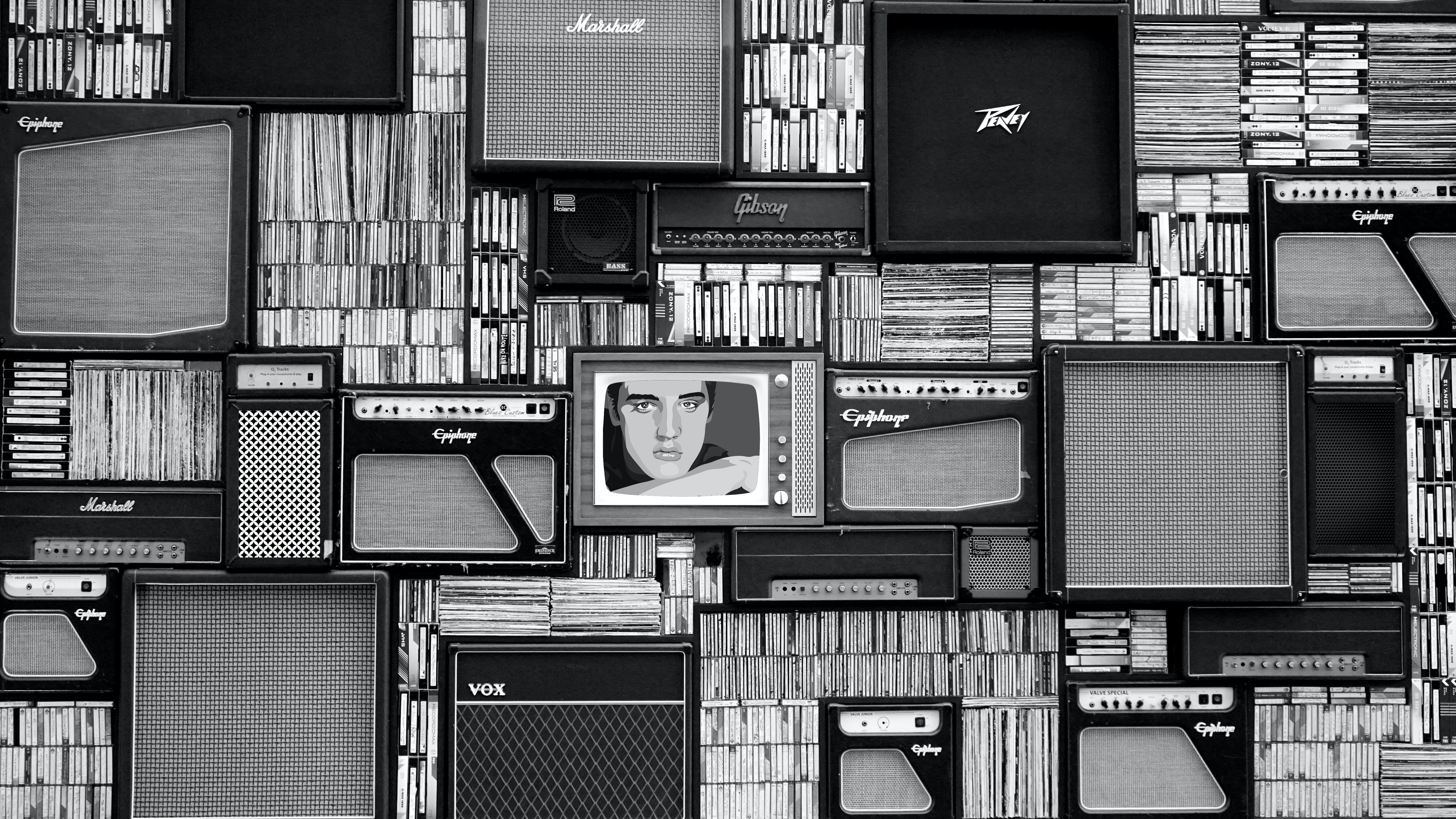
Another captivating term often used interchangeably with the entertainment industry is Showbiz. Short for 'show business,' this term encapsulates the glitz, glamour, and extravagance that are hallmarks of the industry. When someone mentions Showbiz, it immediately conjures images of red carpets, dazzling lights, and star-studded events.
The term Showbiz is not just about the final product that reaches audiences but also the intricate network of activities behind the scenes. It encompasses everything from casting and rehearsals to marketing and distribution. This term paints a picture of an industry that is as much about spectacle as it is about artistry and hard work.
Throughout the decades, Showbiz has become synonymous with a lifestyle that many aspire to but few achieve. It's a world where talent meets opportunity, and where luck often plays as crucial a role as skill. Icons like Marilyn Monroe, Frank Sinatra, and more recently, Beyonce and Brad Pitt, have become the faces of Showbiz, embodying its allure and complexity.
Showbiz is also a reflection of cultural trends and societal changes. From the golden age of Hollywood musicals to today's digital influencers, the term has evolved while maintaining its core essence of entertainment and glamour. Whether it's Broadway in New York or the glitzy premieres in Los Angeles, Showbiz is a term that continues to captivate and inspire.
Media Industry: A Broader Perspective

While terms like Hollywood and Showbiz often steal the spotlight, the Media Industry offers a broader perspective on the entertainment world. This term encompasses not only film and television but also radio, print, and digital media. The media industry is a vast ecosystem where various forms of communication and entertainment intersect to inform, educate, and entertain the public.
The media industry's reach is extensive, covering news organizations, publishing houses, broadcasting networks, and online platforms. It plays a crucial role in shaping public opinion, influencing culture, and driving societal trends. From the latest blockbuster movies to breaking news stories, the media industry serves as the backbone of modern communication.
In recent years, the rise of digital media has transformed the landscape dramatically. Streaming services like Netflix, Hulu, and Amazon Prime have revolutionized how content is consumed, offering on-demand access to a plethora of entertainment options. Social media platforms like Instagram, YouTube, and TikTok have given rise to a new generation of content creators, blurring the lines between traditional media and user-generated content.
Moreover, the media industry is integral to the advertising world. Brands leverage various media channels to reach their target audiences, making strategic use of TV commercials, online ads, and sponsored content. This symbiotic relationship between media and advertising fuels the industry's growth and innovation.
Understanding the media industry requires recognizing its multifaceted nature. It's not just about the glitzy premieres or high-profile celebrities; it's about the intricate web of content creation, distribution, and consumption that keeps the world informed and entertained. As technology continues to evolve, the media industry will undoubtedly remain a dynamic and influential force.
Film and Television Industry

The Film and Television Industry stands as a cornerstone of the entertainment world, often synonymous with Hollywood itself. This sector is a powerhouse of creativity, storytelling, and visual artistry, producing content that captivates audiences globally. From blockbuster movies to binge-worthy TV series, the film and television industry is a diverse and dynamic field.
At its core, the film and television industry involves a complex process of scriptwriting, casting, directing, filming, and post-production. Each stage requires a unique set of skills and expertise, bringing together a multitude of professionals including writers, actors, directors, producers, cinematographers, and editors. This collaborative effort results in the high-quality content that we enjoy on the big screen and our televisions.
In recent years, technological advancements have significantly impacted the film and television industry. High-definition and 4K resolution, CGI, and special effects have raised the bar for visual storytelling. Streaming platforms have also reshaped the industry, providing new avenues for content distribution and consumption. Services like Netflix, Disney+, and HBO Max have made it possible for viewers to access a vast library of films and TV shows at their convenience, leading to a surge in demand for original content.
Additionally, the rise of independent filmmaking has democratized the industry, enabling aspiring filmmakers to create and distribute their work outside the traditional studio system. Film festivals such as Sundance and Cannes have become crucial platforms for these indie projects, often serving as launchpads for critical and commercial success.
The film and television industry is not just about entertainment; it also has a profound cultural and economic impact. It generates billions in revenue, creates jobs, and influences global popular culture. From timeless classics to contemporary hits, the stories told through film and television continue to resonate with audiences, making this industry an enduring and essential part of our lives.
The Performing Arts Sector
The Performing Arts Sector is a vibrant and essential component of the entertainment industry, encompassing a wide range of artistic expressions such as theater, dance, opera, and live music. This sector is characterized by live performances, where artists connect directly with audiences, creating an immediate and often profound impact.
Unlike film and television, the performing arts depend heavily on the presence of an audience to bring the art to life. The energy, emotion, and spontaneity of live performances make each show a unique experience. Whether it's a Broadway musical, a ballet recital, or a rock concert, the performing arts bring communities together, celebrating human creativity and expression.
The performing arts sector includes a diverse array of disciplines:
- Theater: From Shakespearean plays to modern drama, theater has a long-standing tradition of storytelling through dialogue, movement, and stagecraft.
- Dance: Ballet, contemporary dance, and other styles use movement to convey emotion and tell stories, captivating audiences with their grace and athleticism.
- Opera: Combining music, drama, and visual arts, opera offers a rich, immersive experience that showcases the talents of singers, musicians, and stage designers.
- Live Music: Concerts and musical performances, whether by solo artists, bands, or orchestras, provide a direct and powerful connection between musicians and their audiences.
The performing arts sector also plays a crucial role in education and cultural preservation. Many institutions, such as the Julliard School and the Royal Academy of Dramatic Art, are dedicated to training the next generation of performers, ensuring that these art forms continue to thrive. Additionally, community theaters, dance studios, and music schools provide valuable opportunities for local talent to develop and showcase their skills.
Despite challenges such as funding and the impact of the COVID-19 pandemic, the performing arts sector has shown remarkable resilience. Innovators have embraced virtual performances and hybrid models to reach audiences worldwide, demonstrating the adaptability and enduring appeal of live art.
The performing arts sector is more than just entertainment; it is a celebration of the human spirit and creativity. It enriches our lives, fosters a sense of community, and preserves cultural heritage. To dive deeper into the world of performing arts and discover more unique LA stories and talent, visit our website to learn more and get started today! Click here.