What Is The Cinematography Of A Film
When talking about cinematography, what kind of film you look at makes a big difference in how it is conceptualized. Some people only consider it as the use of light to create moods or convey emotions, which is definitely an important part of any good shot, but there’t just one way to do it!
The way most people think about cinematic photography is probably influenced by Hollywood blockbuster films that have very elaborate camera setups and impressive lighting techniques.
These types of shots are very aesthetically pleasing to watch because they are very artistically done. But these takes too much time and cost money to pull off, making them the exception rather than the norm.
Most movies you see now have simple, informal photographic styles that were not heavily involved with lights and shadows. This is due to budget constraints and movie studios no longer investing in large-scale production designs.
It is very common to find low-key, natural looking photographs in indie features, TV shows, and documentaries. These types of photos make their stories more believable and authentic. They also cost less to produce, making them possible for wider audiences to access.
Equipment of a film set
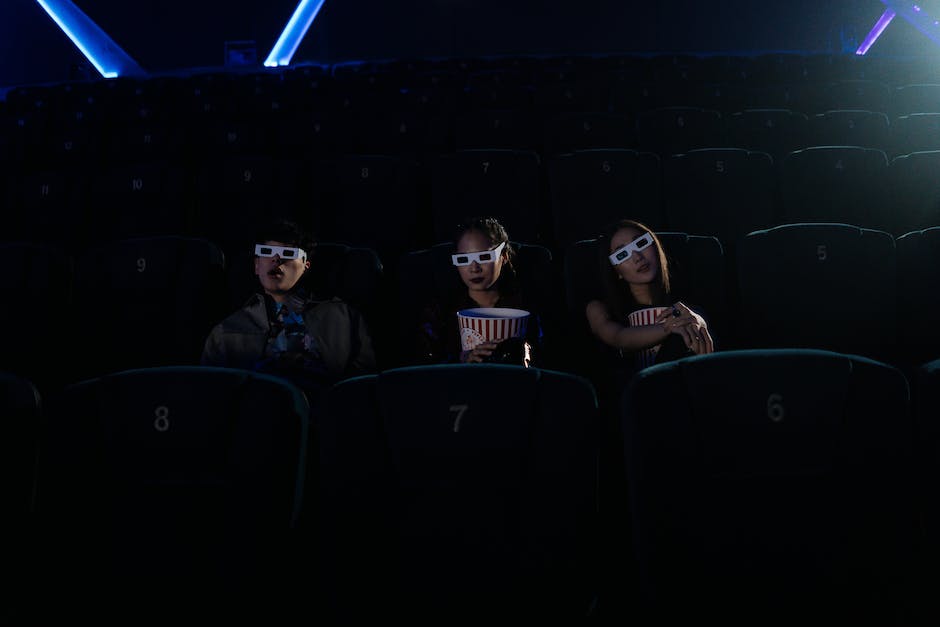
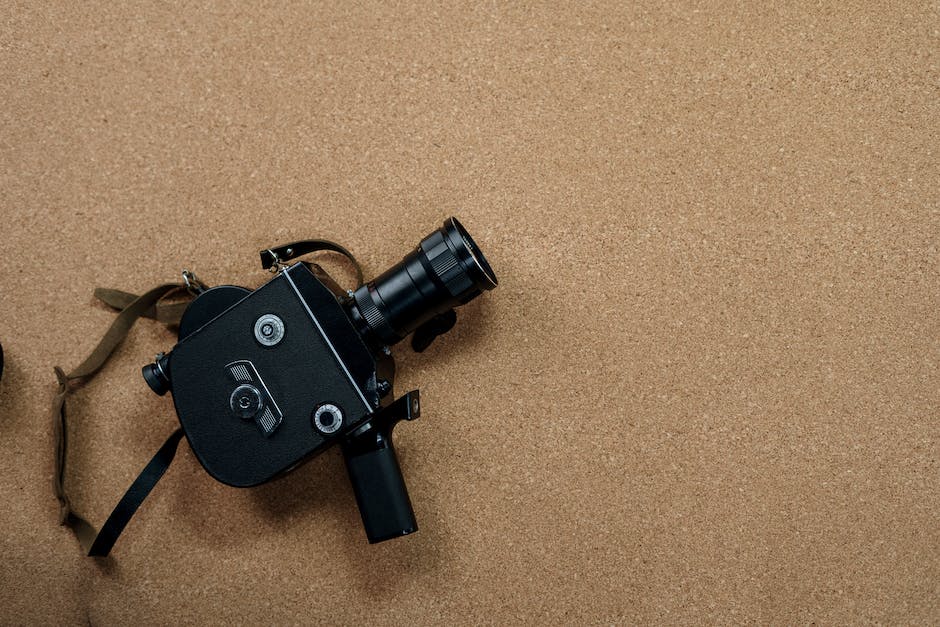
As we have discussed before, filming is a medium that requires many different tools to be successful. These include things like cameras, lighting, gels, filters, and more. Each tool has their own special function so they are all needed for the film to succeed.
The best way to learn about these tools and how to use them effectively is by studying the cinematographic art form. This can be done by watching documentaries, reading books, or even looking at old films!
Films from years ago may not look very professional due to technology now being better than what was used back then, but they give you an idea of how some of the more important equipment functions. You also get a sense of the filmmaker’s personal style which can help you develop your own.
There are several types of camera settings and ways to use each one, depending on the genre of movie you want to make. By knowing this, you will know how to create your dream film.
The set

As we have seen, setting is an integral part to successful storytelling through film. This includes choosing where the story takes place, what genre the movie fits into, and how the scenes fit together.
The way that settings are used in films varies quite a bit, but there are some fundamental rules about them. For example, every narrative feature film has a beginning, middle, and end. These three parts make up the structure of the movie, and everything else belongs to one of these categories.
This means that before filming even begins, the director must decide when each section will occur and what the timing should be like for each one. He or she can use this information to create his or her own version of the movie or draw inspiration from existing movies.
After deciding when each section would happen, the next important step is finding a location for it. This is called establishing a motif or creating your initial environment. Some of the most well-known stories start with something familiar to people so they are more readily invested in the plot.
It is also common to add some kind of conflict by having different characters interact with each other or perform actions against or for another person or thing. All of these things contribute towards making the audience feel involved in the storyline.
When developing a script, writers must always try their best to include strong storylines and engaging dialogue. While shooting a movie, directors must find ways to shift away from this if necessary.
The cast
As discussed earlier, the acting is one of the most important parts of any film. But what people often forget about is the importance of having good actors in your movie. Having great performances can make or break a movie, especially if they are not very extended.
A small amount of well-executed character work will go a long way towards helping an audience connect with the film. This could be something like showing a few scenes where someone works hard, or experiences a change of emotion, or sees a glimpse into their true self.
The more characters there are, the greater the chances that some will get lost in the shuffle, which would weaken the story. So it is crucial to have strong writing, and solid directing, but also making sure everyone has enough time to shine.
And yes, even though this may sound obvious, having at least one really funny scene is always helpful! A little laughter goes a long way.
The crew
As we have discussed before, there are many different members of the film production team that play an integral part in bringing your favorite movies to the screen. These individuals work together to create the movie you experience as a viewer. They include those who take still photos or videos of the scenes being filmed; people who handle sound recording and editing; directors; producers, who oversee the filming process; and writers, who put the pieces of the story together into a cohesive whole.
The role of cinematographer is quite unique. He/she is typically not involved with writing the script, nor do they direct the show. However, their responsibility does go beyond just capturing beautiful shots of the set and the surrounding area.
As such, their contribution to the final product can be difficult to identify. While some may call them editors, others refer to them as photographers, and both are correct!
However, what all cinematographers share in common is their passion for telling stories through the use of light and camera. This relationship between the two creates an atmosphere that encourages other artists in the filmmaking process to contribute their own special touches.
It also raises the stakes for the individual artist, because every shot they capture now has more weight than ever. If something isn’t right, then the storyline will suffer, potentially ruining our perception of the movie.
The production team
As we have discussed before, the term cinematographer does not describe just one job! A production designer designs sets and environments for the movie, art directors create those beautiful backgrounds and vignettes that add to the storytelling of the film, and then the director usually has final say on what goes in their shot.
But there is also someone who helps tell this story through editing! This person is called the cinematic editor or colorist. They take all of the raw footage of each scene and work with it to make sure that everything looks good and flows well together.
Then these editors combine all of the scenes into finished shots so that the audience can enjoy the filmed version of the screenplay.
The best way to identify if your significant other’s attention wanders during cinema night is to see a movie and watch how they react to what you are showing them.
Visual effects
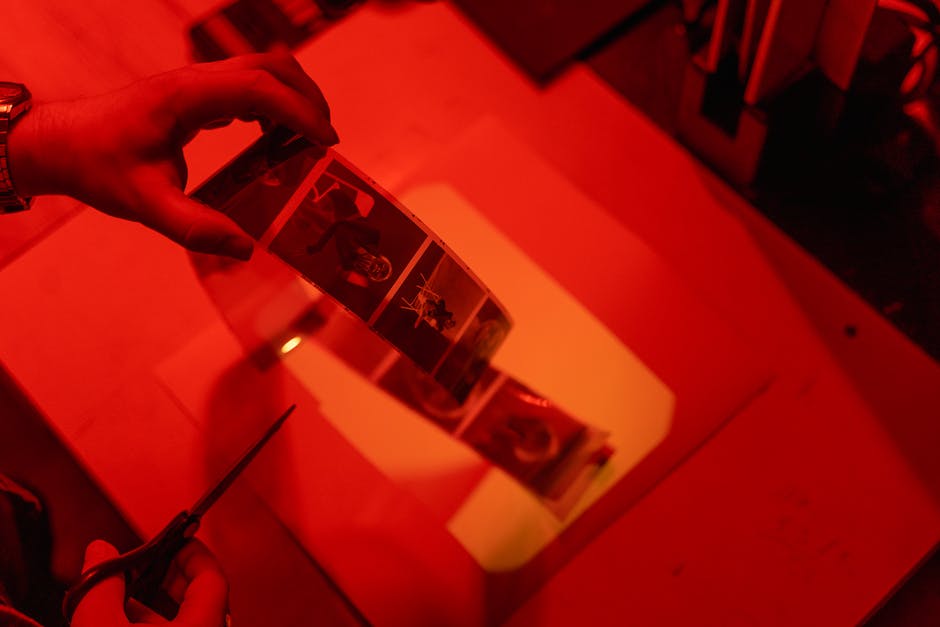
Another major part of film photography is visual effect or as some call it, cinematography. This is when the camera does not capture real life images, but instead uses special filming techniques to create new imagery.
Visual effects are very popular these days due to the availability of technology and their use in films. Some examples include using green screens to replace actors with CGI characters, adding fake windows, doors, or roofs into sets, and even fully computer-generated (or CG) scenery and environments.
These types of shots are expensive since they require advanced cameras, digital editing software, and talented artists to put together! But once done, they make your movie look much more professional than if there were no VFX.
Art direction
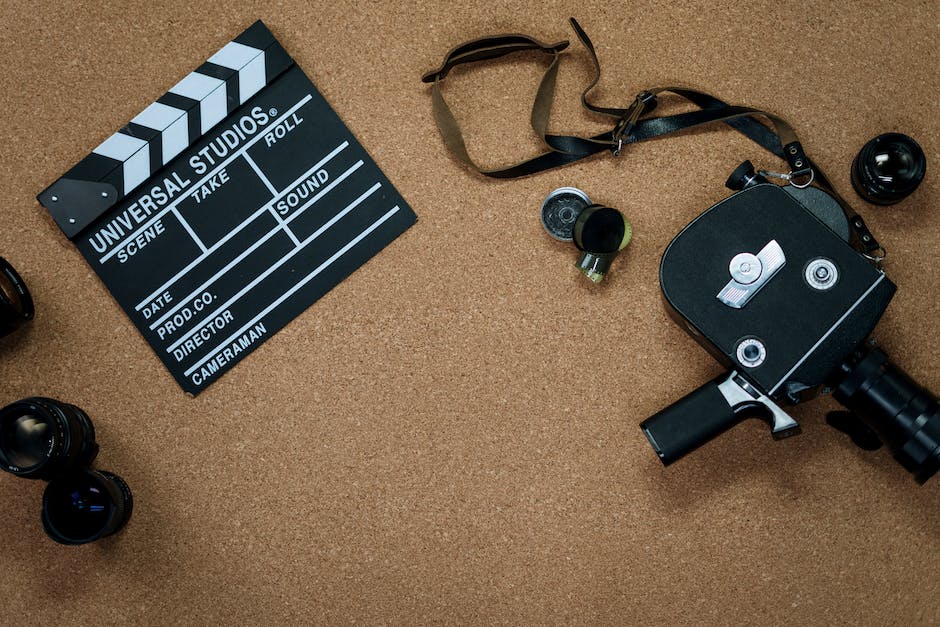
When talking about cinematography, one important term to define is art direction. This is when the director and/or photographer choose how they want the audience to perceive a certain part or aspect of the film. For example, if the narrative of the movie requires an extended amount of time in space, then the art directors may decide to use very close-up shots to create a sense of intimacy with the character.
If the story calls for something large and spectacular, then the art department will usually use lusciously bright lighting and expansive camera angles to convey that feeling. All of these decisions are made to enhance the storytelling by creating emphasis on certain parts of the picture.
These artistic choices also contribute heavily to the overall feel of the movie. Some people call it “theme” of the film, but it is more accurate to say it is just plain mood. The filmmaker has designed the shot to make you feel xxx.
Costume design
Another integral part to filming a movie is its costume design. While some may consider costuming to be more formal, like fashion, it is much deeper than that. Costumes can tell us a lot about a person or character’s state of mind, they can add depth to a scene, and they are a form of art.
Costume designers create costumes for actors to wear in films. These designs are usually inspired by or reference clothes from real life or fiction. Some examples include: superhero outfits, casual clothing, etc.
The actor will typically try out several different versions of their wardrobe before choosing which one they feel most comfortable in. They also must look similar to each other, which can be difficult as an artist.
Overall, costume designers have a wide range of materials and tools they use to make looks. These include sewing machines, dyeing fabrics, mixing paint, and taking time to find inspiration for styles and themes.