What is the Entertainment Industry in Nigeria's Perspective?
Explore the dynamics of the entertainment industry from Nigeria's perspective, including its growth, key players, challenges, and future potential.
The entertainment industry in Nigeria, often referred to as Nollywood for its film sector, is a vibrant and rapidly growing segment that has captured the attention of global audiences. From movies and music to fashion and comedy, Nigeria's entertainment landscape is a melting pot of creativity and cultural expression. In recent years, this industry has not only showcased the rich heritage of Nigeria but also contributed significantly to the country's economy.
Understanding what is the entertainment industry in the perspective sector of Nigeria involves examining its multifaceted nature. The industry encompasses various elements such as film production, music, theater, and digital content creation. The film industry, in particular, is celebrated as the second-largest film producer globally, trailing only behind India's Bollywood. Nollywood's films are known for their compelling stories, often reflecting societal issues, family dynamics, and traditional values.
Moreover, Nigerian music, with its Afrobeat and highlife genres, has transcended borders, influencing artists and audiences worldwide. The fusion of traditional rhythms with contemporary sounds has created a unique musical tapestry that resonates with both local and international listeners.
As you delve deeper into the intricate tapestry of Nigeria's entertainment industry, you'll discover a realm filled with dynamic talents, innovative content, and a resilient spirit that continues to break barriers. Visit our website to learn more and get started today! Click here.
Historical Development of Nigerian Entertainment
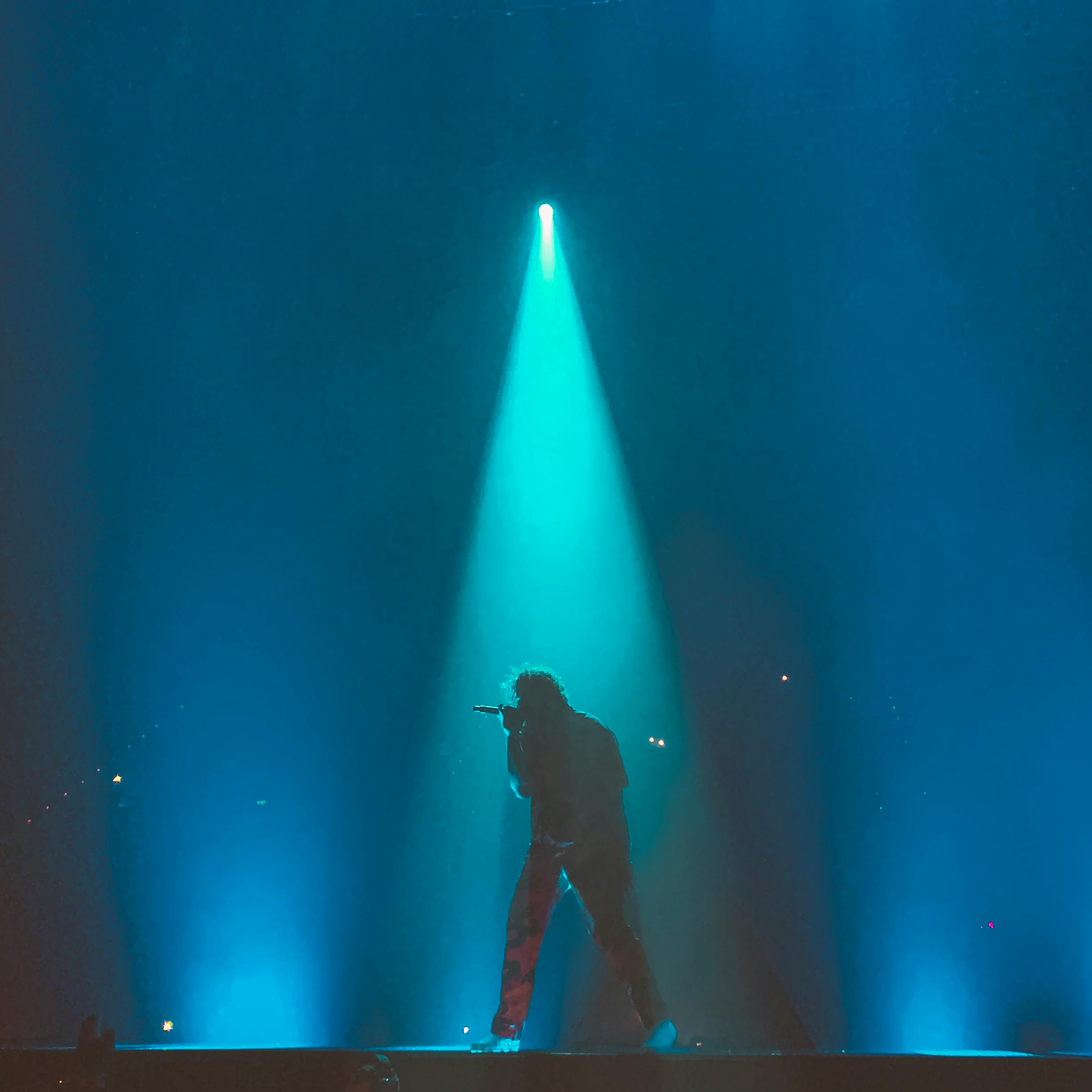
The historical development of Nigerian entertainment is a tale of evolution, resilience, and cultural pride. The roots of this industry can be traced back to the early 20th century, where traditional performances such as folk music and drama played a central role in community life. These early forms of entertainment were deeply intertwined with cultural rituals and storytelling, serving as a means of preserving history and imparting moral lessons.
The advent of colonialism introduced new forms of entertainment, including Western-style theater and cinema. In the 1940s and 1950s, Nigerian theater began to flourish, with pioneers like Hubert Ogunde leading the charge. Ogunde, often referred to as the father of Nigerian theater, used his plays to address social and political issues, laying the groundwork for future generations of dramatists.
The 1960s and 1970s marked a significant turning point with the emergence of Nigerian cinema. Filmmakers like Ola Balogun and Eddie Ugbomah began producing movies that resonated with local audiences, reflecting the complexities of post-colonial Nigeria. This era also saw the rise of indigenous music genres such as highlife and juju, with legendary artists like Fela Kuti and King Sunny Adé gaining international acclaim.
Nollywood, as we know it today, began to take shape in the 1990s. The introduction of affordable video technology democratized film production, allowing a new wave of filmmakers to enter the scene. This period saw a boom in the production of direct-to-video films, which were quickly embraced by Nigerian audiences. Nollywood's unique storytelling style, often characterized by its rapid production and relatable narratives, set it apart from other film industries.
Today, Nigeria's entertainment industry continues to evolve, drawing from its rich history while embracing modern trends and technologies. From its humble beginnings to its current status as a global powerhouse, the journey of Nigerian entertainment is a testament to the creativity and resilience of its people.
Key Players in Nigeria's Entertainment Sector
Nigeria's entertainment industry is teeming with talented individuals and influential organizations that have propelled it to international prominence. These key players span across various sectors including film, music, and comedy, each contributing to the vibrant tapestry that defines Nigerian entertainment.
Nollywood, the country's film industry, boasts a plethora of actors, directors, and producers who have become household names. Genevieve Nnaji, often hailed as 'Africa's Sweetheart', has not only graced the screen with her captivating performances but also made her mark as a director with her critically acclaimed film, Lionheart. Another notable figure is Kunle Afolayan, a filmmaker known for his compelling storytelling and cinematic excellence in movies like October 1 and The Figurine. Their contributions have significantly elevated Nollywood's global standing.
The Nigerian music scene is equally dynamic, with artists who have achieved unprecedented success both locally and internationally. Wizkid, Burna Boy, and Davido are just a few names that have taken the world by storm. Wizkid's collaboration with Drake on the hit single One Dance and Burna Boy's Grammy-winning album Twice as Tall are milestones that underscore the global influence of Nigerian music. These artists not only dominate the charts but also serve as cultural ambassadors, introducing the world to Afrobeat and other Nigerian music genres.
Comedy in Nigeria has also seen a meteoric rise, with comedians leveraging social media platforms to reach wider audiences. Basketmouth and AY Makun are among the leading figures in this space. Their comedic prowess and ability to adapt to changing trends have made them enduring figures in Nigerian entertainment.
In addition to individual talents, several organizations play crucial roles in the industry's ecosystem. The Nigerian Film Corporation (NFC) and the National Broadcasting Commission (NBC) are instrumental in regulating and promoting content that adheres to national standards. Moreover, companies like Mavin Records and Chocolate City have been pivotal in nurturing musical talents and producing chart-topping hits.
These key players, through their creativity and dedication, continue to shape and define the entertainment landscape in Nigeria, ensuring its growth and sustainability on the global stage.
Economic Impact of Nigerian Entertainment

The economic impact of Nigeria's entertainment industry cannot be overstated. As one of the country's most vibrant sectors, it significantly contributes to the national GDP and provides employment opportunities for millions of Nigerians. This economic influence is felt across various segments including film, music, and live performances.
According to recent reports, Nollywood, Nigeria's film industry, is the second largest film industry in the world by volume, producing over 2,500 films annually. The industry generates an estimated $600 million annually, making it a critical component of the nation's economy. The ripple effect of this success is evident in the creation of jobs ranging from actors and directors to set designers and marketing professionals. Moreover, Nollywood's international reach has opened doors for cross-border collaborations and increased foreign direct investment in the sector.
The music industry also plays a crucial role in economic development. Nigerian artists such as Wizkid, Davido, and Burna Boy have carved out lucrative careers, attracting international record deals and endorsements. The global popularity of Afrobeat has led to an upsurge in streaming revenues, concert ticket sales, and merchandise. In 2018, the music industry was estimated to be worth approximately $73 million, a figure that continues to grow as more Nigerian artists gain international acclaim.
Live performances and entertainment events are another significant contributor to Nigeria's economy. Festivals like the Lagos International Jazz Festival and Felabration draw thousands of tourists annually, boosting the hospitality and tourism sectors. These events not only generate substantial revenue but also create a multitude of job opportunities, from event planning and security to catering and transportation.
Furthermore, the rise of digital platforms has revolutionized content distribution and monetization. Streaming services like Netflix and Spotify have provided Nigerian content creators with new avenues to reach global audiences. This digital transformation has democratized access to entertainment, enabling independent artists and filmmakers to monetize their works without traditional gatekeepers.
In summary, the economic impact of the Nigerian entertainment industry is multifaceted and far-reaching. By driving GDP growth, creating jobs, and fostering international collaborations, the industry continues to be a cornerstone of Nigeria's economic landscape.
Challenges Facing Nigeria's Entertainment Industry

Despite its impressive growth and global recognition, Nigeria's entertainment industry faces a multitude of challenges that hinder its full potential. These obstacles range from infrastructural deficiencies to financial constraints and regulatory bottlenecks.
One of the primary challenges is the lack of adequate infrastructure. Many Nigerian filmmakers and musicians struggle with limited access to high-quality production facilities and equipment. This inadequacy often results in subpar production quality, which can affect the marketability and international competitiveness of Nigerian content. Additionally, unreliable power supply and poor internet connectivity further exacerbate these issues, making it difficult for creators to produce and distribute their work efficiently.
Financial constraints pose another significant hurdle. The high cost of production and limited access to funding sources make it challenging for many creators to bring their projects to fruition. While some high-profile artists and filmmakers may secure sponsorships and investments, smaller, independent creators often find it difficult to obtain the necessary financial backing. This disparity stifles innovation and limits the diversity of content emerging from the industry.
Regulatory challenges also impede the growth of Nigeria's entertainment sector. Complex and often opaque regulatory frameworks can create barriers to entry and hinder the smooth operation of businesses within the industry. Intellectual property rights enforcement is another critical issue. Piracy remains rampant, with illegal distribution of films and music causing substantial revenue losses for creators. The lack of robust legal mechanisms to protect intellectual property rights further dissuades investors and undermines the industry's profitability.
Moreover, the entertainment industry often grapples with issues related to talent management and professional development. Many creators lack access to structured training programs and mentorship opportunities, which are essential for honing their skills and advancing their careers. The absence of industry standards and professional bodies also contributes to inconsistencies in quality and professionalism across the sector.
Finally, socio-political factors and economic instability can affect the industry's growth. Political unrest, economic downturns, and fluctuating exchange rates can create an unpredictable environment that is not conducive to long-term planning and investment. These external factors can disrupt production schedules, inflate costs, and reduce consumer spending on entertainment.
Addressing these challenges requires a concerted effort from both the public and private sectors. Investment in infrastructure, streamlined regulatory frameworks, enhanced intellectual property protection, and greater access to funding are crucial steps toward unlocking the full potential of Nigeria's entertainment industry. By overcoming these obstacles, the industry can continue to thrive and make an even greater impact on the national and global stage.
Future Prospects of Nigerian Entertainment Industry
The future of Nigeria's entertainment industry holds immense promise, driven by a combination of evolving technologies, increasing global recognition, and a growing domestic market. As we look ahead, several key trends and opportunities are poised to shape the industry's trajectory.
One of the most significant developments is the rapid advancement of digital technology. With the rise of streaming platforms, Nigerian content is now more accessible to global audiences than ever before. Platforms like Netflix, Amazon Prime, and local services such as IrokoTV have created new distribution channels for Nollywood films and Nigerian music, allowing creators to reach a diverse and expansive audience. This digital shift not only enhances visibility but also opens up new revenue streams through subscription and advertising models.
Additionally, the integration of cutting-edge technologies such as virtual reality (VR) and augmented reality (AR) promises to revolutionize how content is produced and consumed. These technologies offer immersive experiences that can captivate audiences and create new forms of storytelling. Nigerian creators who embrace these innovations have the potential to set new industry standards and attract international collaborations and investments.
The growing influence of social media cannot be overlooked. Platforms like Instagram, TikTok, and YouTube have become essential tools for artists to build their brands, engage with fans, and promote their work. Social media's viral nature enables Nigerian entertainers to gain widespread recognition quickly, transcending geographical boundaries and cultural barriers. This democratization of publicity allows emerging talents to gain visibility and establish themselves in the industry.
Furthermore, the expansion of Nigeria's middle class and the increasing disposable income of younger demographics are fueling demand for diverse and high-quality entertainment. This burgeoning domestic market presents a lucrative opportunity for creators and investors. Events such as music festivals, film premieres, and cultural exhibitions are becoming more popular, contributing to the industry's growth and sustainability.
International collaborations and partnerships are also set to play a pivotal role in the industry's future. By working with global production houses, record labels, and streaming platforms, Nigerian creators can gain access to resources, expertise, and markets that can elevate their work to new heights. These collaborations can facilitate knowledge transfer, enhance production quality, and open doors to global distribution networks.
However, realizing these prospects requires continued investment in talent development, infrastructure, and policy reforms. By addressing the existing challenges and leveraging the emerging opportunities, Nigeria's entertainment industry can achieve unprecedented growth and global impact.
**Visit our website to learn more and get started today!** Click here.