What is the Entertainment Industry? Meaning Explained
Explore the meaning of the entertainment industry, its various sectors, historical evolution, and its impact on society and the economy.
The entertainment industry is a dynamic and multifaceted sector that encompasses a wide range of activities and businesses aimed at providing amusement, enjoyment, and diversion to audiences. From the glitz and glamour of Hollywood movies to the electrifying world of live music concerts, the entertainment industry has a profound impact on our daily lives. But what is the entertainment industry meaning exactly?
At its core, the entertainment industry involves creating and distributing various forms of entertainment content. This includes, but is not limited to, film, television, music, theater, gaming, and digital media. Each of these sectors plays a crucial role in shaping the cultural landscape and influencing societal trends.
The origins of the entertainment industry can be traced back to ancient civilizations, where storytelling, music, and theatrical performances were integral parts of community life. Over the centuries, technological advancements have revolutionized the way entertainment is produced and consumed, leading to the diverse and expansive industry we see today.
Modern entertainment companies are constantly evolving, adapting to new technologies and shifting audience preferences. The rise of streaming services, virtual reality, and social media platforms has transformed how we access and engage with entertainment, creating new opportunities and challenges for industry professionals.
For those looking to delve deeper into the fascinating world of entertainment, understanding its historical context, key players, and current trends is essential. Visit our website to learn more and get started today! Click here.
Defining the Entertainment Industry

Defining the entertainment industry can be a complex task due to its vast and varied nature. At its essence, the industry encompasses all forms of media and content created for the primary purpose of entertaining an audience. This can include a broad spectrum of activities and services designed to captivate, amuse, and engage people across different platforms and mediums.
The entertainment industry is typically divided into several key sectors:
- Film and Television: This sector includes the production, distribution, and exhibition of movies and TV shows, ranging from blockbuster hits to independent films and series.
- Music: Encompassing live performances, studio recordings, music videos, and streaming services, the music industry is a cornerstone of entertainment culture.
- Theater and Performing Arts: Live performances such as plays, musicals, dance, and opera fall under this category, offering audiences immersive and often interactive experiences.
- Gaming: Video games, eSports, and interactive entertainment have grown exponentially, becoming a dominant force in the industry.
- Digital Media: This includes content distributed via the internet, such as web series, podcasts, online videos, and social media channels.
Each of these sectors contributes uniquely to the overall landscape of the entertainment industry, providing diverse forms of content that cater to different tastes and preferences. Understanding the roles and interactions of these various sectors is essential for anyone looking to grasp what is the entertainment industry meaning in its entirety.
Key Sectors in Entertainment
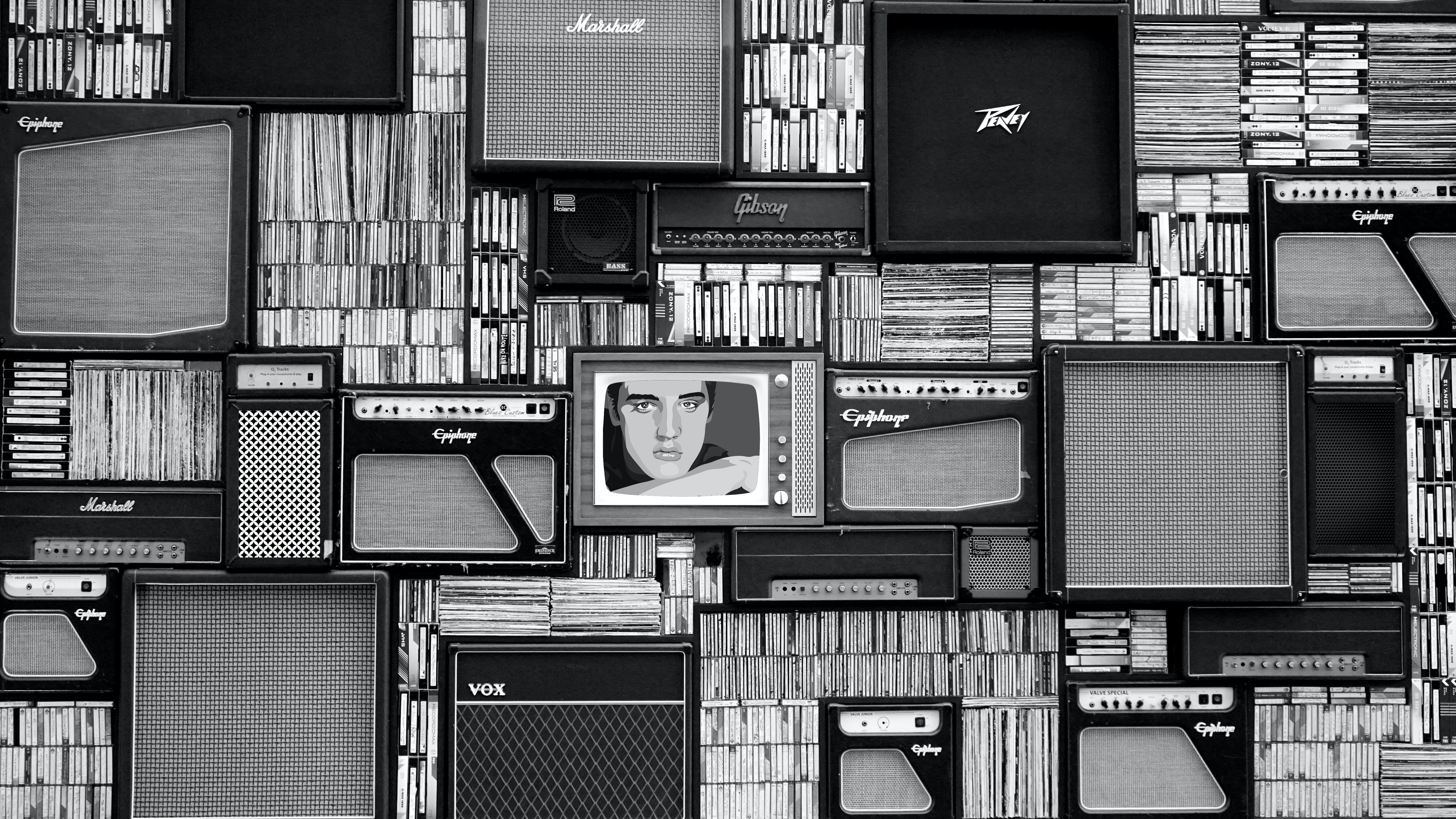
When delving into the entertainment industry, it is crucial to explore its key sectors, each of which plays a vital role in shaping the landscape of modern entertainment. Here is a closer look at some of the primary sectors:
- Film and Television: This sector remains a dominant force, producing a wide array of content from blockbuster movies to critically acclaimed TV series. Studios, production companies, and streaming platforms like Netflix and Hulu have revolutionized how we consume visual content.
- Music: The music industry has evolved significantly with the advent of digital streaming services such as Spotify and Apple Music. It encompasses a variety of activities, including live concerts, album production, and music videos, catering to diverse musical tastes.
- Theater and Performing Arts: Live performances have a unique appeal, offering experiences that can't be replicated through screens. This sector includes Broadway shows, local theater productions, ballet, and opera, each providing a distinct cultural experience.
- Gaming: The gaming industry has grown into a multi-billion dollar sector, encompassing video games, virtual reality experiences, and eSports. Platforms like Twitch and YouTube Gaming have created new avenues for gamers to connect and engage with audiences.
- Publishing: Books, magazines, and digital publications continue to be a significant part of the entertainment industry. The rise of e-books and audiobooks has made literature more accessible than ever.
- Digital and Social Media: The internet has transformed how we consume entertainment, with platforms like YouTube, TikTok, and Instagram becoming essential outlets for content creators and influencers. These platforms enable real-time interaction and engagement with audiences worldwide.
- Events and Live Entertainment: From music festivals and comedy shows to sports events and conventions, live entertainment offers immersive experiences that attract massive audiences. The sector also includes corporate events, trade shows, and exhibitions.
These key sectors highlight the diversity and dynamism of the entertainment industry. Each sector not only provides unique forms of content but also intersects with others, creating a rich tapestry of entertainment options for global audiences. By understanding these sectors, one can better appreciate the multifaceted nature of what is the entertainment industry meaning in today's world.
Historical Evolution of Entertainment

The entertainment industry has undergone a remarkable transformation over the centuries, evolving to meet the changing tastes and technologies of society. Understanding its historical evolution is key to grasping what is the entertainment industry meaning today.
Ancient Times: The roots of entertainment can be traced back to ancient civilizations. The Greeks and Romans were known for their theatrical performances, gladiatorial games, and public festivals. Storytelling, music, and dance were integral parts of cultural and religious ceremonies.
Middle Ages: During this period, entertainment was heavily influenced by the church and feudal societies. Traveling minstrels, jesters, and troubadours provided music and storytelling, while religious plays and morality tales conveyed spiritual lessons.
Renaissance and Baroque Periods: The Renaissance brought a renewed interest in the arts, leading to the flourishing of theater, music, and literature. The invention of the printing press in the 15th century revolutionized the dissemination of written works, making literature more accessible to the masses.
18th and 19th Centuries: The Industrial Revolution had a profound impact on entertainment. The rise of the middle class created a demand for new forms of leisure. Theaters, opera houses, and concert halls became popular, while the advent of photography and early motion pictures laid the groundwork for modern cinema.
20th Century: The 20th century saw the birth of the modern entertainment industry as we know it. The invention of radio, television, and, later, the internet transformed how people consumed entertainment. Hollywood emerged as the epicenter of the film industry, producing iconic movies and stars. The music industry also saw the rise of various genres, from jazz and rock 'n' roll to hip-hop and electronic music.
21st Century: Today, the entertainment industry is marked by rapid technological advancements and globalization. Streaming services, social media, and mobile devices have changed the way we access and share content. Virtual reality and artificial intelligence are pushing the boundaries of what is possible, creating immersive and interactive experiences.
The historical evolution of entertainment reflects humanity's enduring desire for storytelling, creativity, and connection. As technology continues to advance, the industry will undoubtedly keep evolving, offering new and exciting ways to entertain and engage audiences worldwide.
Economic Impact of Entertainment
The entertainment industry is not just a source of joy and escapism; it is also a powerful economic engine. From movies and music to sports and gaming, the various sectors of the entertainment world contribute significantly to the global economy.
Revenue Generation: The entertainment industry generates billions of dollars in revenue each year. Hollywood alone is a multi-billion dollar industry, with blockbuster films earning hundreds of millions worldwide. Similarly, the music industry sees substantial revenue from album sales, streaming services, and live performances. Sporting events, both local and international, attract massive audiences and sponsorship deals, further boosting economic gains.
Job Creation: One of the most significant economic impacts of the entertainment industry is job creation. From actors, directors, and musicians to behind-the-scenes roles such as set designers, sound engineers, and marketing professionals, the industry provides employment opportunities for millions of people. Additionally, ancillary sectors such as hospitality, tourism, and merchandising also benefit from the influx of entertainment-related activities.
Tourism and Hospitality: Major entertainment hubs like Los Angeles, New York, and Las Vegas draw millions of tourists each year. People flock to these cities to visit iconic landmarks, attend film premieres, concerts, and sporting events. This influx of visitors boosts local economies, benefiting hotels, restaurants, and retail businesses.
Technological Innovation: The demand for high-quality entertainment content drives technological advancements. Innovations in special effects, sound engineering, and digital streaming have not only enhanced the consumer experience but have also created new markets and business opportunities. Companies investing in these technologies often see significant returns, further stimulating economic growth.
Global Trade: Entertainment is a major export for many countries. Films, television shows, music albums, and video games produced in one country often find audiences worldwide. This global trade not only brings in revenue but also fosters cultural exchange and promotes a country's soft power on the international stage.
The economic impact of the entertainment industry is multifaceted, influencing various aspects of both local and global economies. Its ability to generate revenue, create jobs, and drive technological innovation underscores its importance as a vital economic sector.
Cultural Influence of Entertainment

Entertainment is a powerful force that shapes and reflects cultural values, beliefs, and practices. Its influence extends beyond mere amusement, playing a crucial role in both preserving and evolving cultural identities.
Representation and Diversity: One of the most significant cultural impacts of the entertainment industry is its ability to represent diverse stories and voices. Films, television shows, and music can highlight the experiences of different communities, promoting understanding and empathy. From groundbreaking movies like Black Panther to inclusive TV series like Pose, the entertainment industry has the power to challenge stereotypes and encourage social change.
Fashion and Trends: Entertainment often sets the stage for cultural trends, influencing everything from fashion to language. Iconic films, music videos, and celebrity styles can spark global trends, shaping the way people dress, talk, and even think. For example, the rise of K-pop has not only popularized Korean music but also influenced global fashion and beauty standards.
Social Movements: Entertainment can also amplify social movements, providing a platform for activism and advocacy. Documentaries, songs, and films have been instrumental in raising awareness about critical issues such as climate change, racial injustice, and gender equality. Artists and entertainers often use their platforms to advocate for causes, mobilizing their fanbase to contribute to social change.
Education and Awareness: Through storytelling, entertainment can educate audiences about different cultures, histories, and social issues. Historical dramas, biopics, and culturally rich narratives provide valuable insights, helping to bridge cultural gaps and foster mutual respect. Educational content, whether in the form of engaging documentaries or thought-provoking films, can have a lasting impact on viewers.
Global Connectivity: In an increasingly interconnected world, entertainment serves as a universal language that can bridge cultural divides. International collaborations, film festivals, and global streaming platforms enable people from different backgrounds to share and enjoy diverse cultural products. This global exchange enriches cultural understanding and fosters a sense of global community.
The cultural influence of entertainment is profound, shaping societal norms, sparking conversations, and promoting inclusivity. Through the stories it tells and the issues it highlights, entertainment continues to play a pivotal role in defining and reflecting the cultural landscape.
Visit our website to learn more and get started today! Click here.