What is the Point of Music Festivals? Discover the Magic!
Explore the magic and purpose of music festivals. Discover their impact on culture, community, and personal experience.
When we think of music festivals, images of vibrant crowds, pulsating lights, and heart-thumping beats often come to mind. But what is the point of music festivals, really? At their core, music festivals are more than just grandiose events featuring popular artists. They are a celebration of culture, community, and the human connection to music. Whether you are a fan of rock, pop, electronic, or folk, there is a festival tailored to your taste, creating an inclusive environment where everyone can share their love for music.
Music festivals have evolved over the decades from small gatherings to massive, multi-day events. These festivals often feature a diverse lineup of artists, offering attendees the chance to discover new music and enjoy live performances from their favorite bands. Beyond the music, festivals are also known for their immersive experiences, including art installations, food vendors, and interactive activities that create a holistic cultural experience.
As we delve deeper into the world of music festivals, we will explore their impact on culture, community, and personal experiences. So, get ready to embark on this journey and uncover the magic that makes music festivals an integral part of our lives. Visit our website to learn more and get started today! Click here.
Cultural Significance and Impact
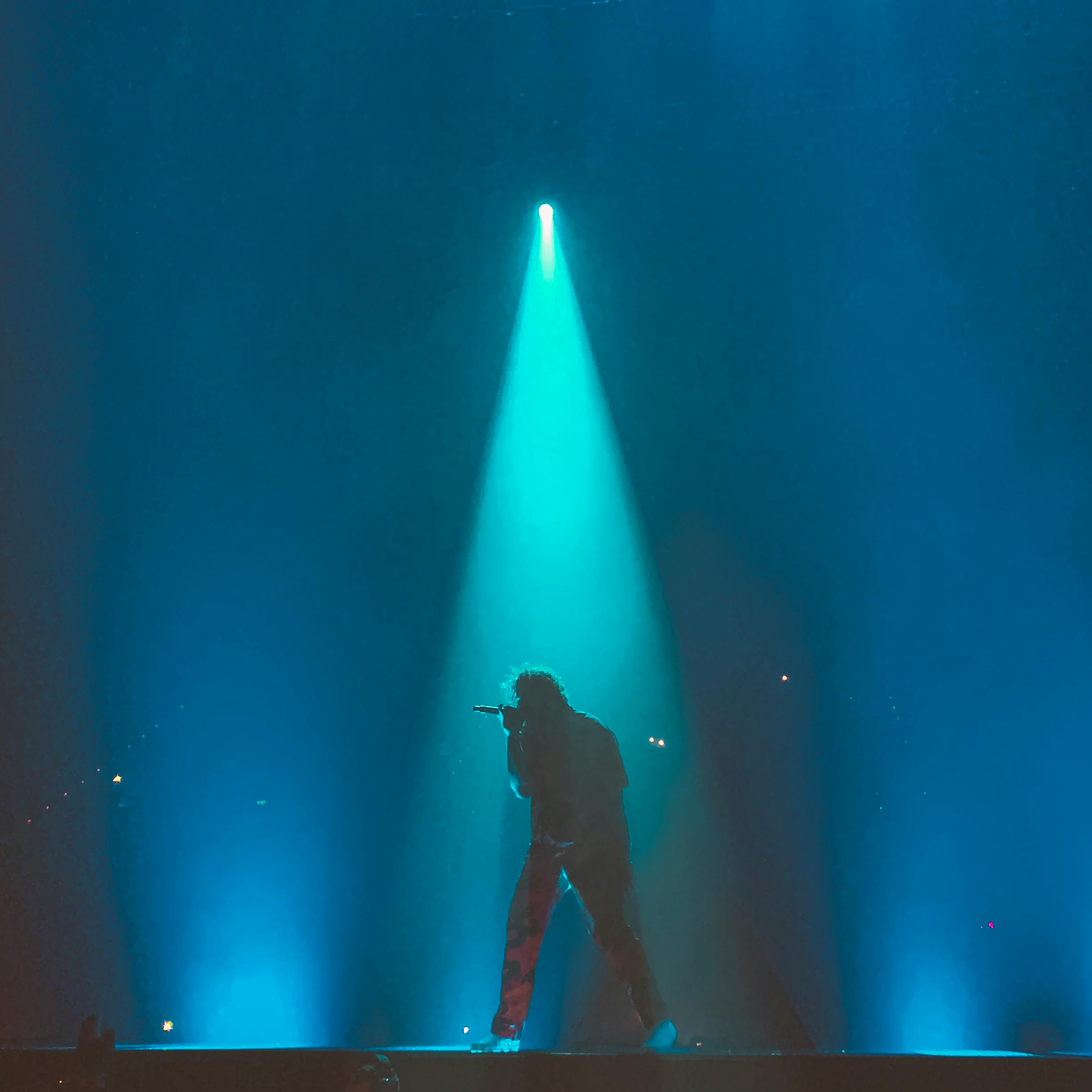
The cultural significance of music festivals cannot be overstated. These events serve as melting pots of diverse artistic expressions, bringing together people from various backgrounds to celebrate a shared love for music. One of the most profound impacts of music festivals is their ability to preserve and promote cultural heritage. Festivals like Glastonbury in the UK or Coachella in the US have become cultural landmarks, showcasing not just contemporary music but also traditional and emerging art forms.
Music festivals also act as platforms for social change. They often highlight important issues such as environmental sustainability, social justice, and mental health awareness. For example, many festivals now implement eco-friendly practices, such as waste reduction and recycling programs, to minimize their environmental footprint. Additionally, some festivals collaborate with non-profit organizations to raise awareness and funds for various causes, turning entertainment into a vehicle for positive change.
Moreover, music festivals foster a sense of community. They create spaces where individuals can connect over their shared interests, forming bonds that extend beyond the festival grounds. This sense of belonging is particularly important in today's digital age, where face-to-face interactions are becoming increasingly rare. By bringing people together, music festivals help build stronger, more cohesive communities.
In essence, the cultural significance and impact of music festivals extend far beyond the music itself. They are celebrations of human creativity, unity, and the power of collective experiences. As we continue to explore the various facets of music festivals, it becomes clear that their role in shaping culture and society is both profound and enduring.
Community Building at Festivals

One of the most remarkable aspects of music festivals is their unparalleled ability to foster community building. These events create an environment where people can come together, share experiences, and form lasting connections. At their core, music festivals are social gatherings that transcend the barriers of everyday life, offering a unique sense of camaraderie and belonging.
At festivals, attendees often experience a strong sense of unity. Whether it's dancing to the same beat, singing along to favorite songs, or simply sharing a meal with a stranger, these shared activities help forge bonds between individuals. The communal atmosphere is enriched by the diversity of the crowd, allowing people from different walks of life to interact and learn from one another.
Moreover, many festivals encourage participation and collaboration among attendees through various interactive activities. Workshops, group art projects, and community games are just a few examples of how festivals engage their audiences beyond the music. These activities not only entertain but also empower individuals to contribute to the festival's overall experience, fostering a sense of ownership and collective responsibility.
Volunteering is another significant aspect of community building at music festivals. Volunteers play crucial roles in ensuring the smooth operation of the event, from setting up stages to managing waste. This collaborative effort not only enhances the festival experience but also creates a sense of pride and accomplishment among volunteers. The relationships formed through volunteering often extend beyond the festival, contributing to a more connected and supportive community.
In conclusion, community building is a fundamental element of music festivals. By providing a space for shared experiences, collaboration, and volunteerism, festivals help cultivate a sense of unity and belonging that resonates long after the music has stopped.
Economic Benefits of Music Festivals
Music festivals are not just cultural phenomena; they also serve as significant economic catalysts for the hosting locations. These events can attract thousands, if not hundreds of thousands, of attendees, creating a ripple effect that benefits local economies in numerous ways.
Firstly, music festivals generate substantial revenue through ticket sales. This influx of money often helps fund local projects and services, providing a financial boon to the community. Event organizers frequently collaborate with local vendors, artisans, and food trucks, offering them a platform to showcase their products and services to a large, diverse audience. This not only boosts sales for these small businesses but also enhances the overall festival experience.
Additionally, the hospitality industry sees a significant uptick during festival seasons. Hotels, motels, and Airbnb hosts often enjoy full bookings, while restaurants and cafes experience increased foot traffic. This surge in visitors leads to higher sales and, subsequently, more job opportunities for local residents. The economic benefits extend to transportation services as well, with taxis, rideshares, and public transit systems seeing increased usage.
Moreover, music festivals often require extensive logistical support, creating temporary job opportunities for locals. From security personnel to stagehands, the demand for labor during these events can provide short-term employment for many. This not only injects money into the local economy but also offers valuable work experience for individuals, particularly those in the events and entertainment sectors.
Beyond immediate financial gains, music festivals can also have long-term economic benefits. They enhance the host city's reputation as a cultural hub, attracting future tourists and events. This increased visibility can lead to sustained economic growth, as more people visit the area to experience its unique cultural offerings.
In essence, the economic benefits of music festivals are far-reaching, impacting local businesses, hospitality, transportation, and employment. These events not only provide unforgettable experiences but also serve as vital economic engines for their host communities.
Personal Experiences and Memories

One of the most compelling reasons people flock to music festivals is the creation of *personal experiences* and *memories* that last a lifetime. These events offer a unique environment where attendees can immerse themselves in music, art, and community, forging connections that go beyond the ordinary.
At the heart of every music festival is the music itself. Whether it's discovering a new favorite band or experiencing a live performance from a beloved artist, the emotional impact of music is undeniable. The shared euphoria of singing along to an anthem with thousands of other fans creates a collective memory that resonates long after the festival ends.
Beyond the music, festivals often feature a myriad of activities and attractions that add layers to the overall experience. From interactive art installations to wellness workshops, there are countless opportunities for attendees to engage and explore. These activities not only provide entertainment but also allow individuals to step out of their comfort zones and try something new, adding to the richness of their memories.
Friendships forged at music festivals often stand the test of time. The communal atmosphere fosters a sense of belonging and unity, making it easy to strike up conversations and bond over shared interests. Many festival-goers recount stories of meeting life-long friends or even partners at these events, highlighting the powerful social aspect of music festivals.
Moreover, the unique setting of each festival: often held in picturesque locations, from sprawling fields to scenic beaches: contributes to the overall sense of escapism and adventure. The combination of stunning visuals and auditory pleasures creates a sensory experience that is both enchanting and unforgettable.
In essence, music festivals offer a sanctuary where people can express themselves freely, connect with others, and create lasting memories. These personal experiences are what make music festivals more than just a series of performances; they become a cherished part of one's life story.
Future Trends in Music Festivals

As we look ahead, the landscape of music festivals is poised for exciting transformations. *Technological advancements*, *sustainability initiatives*, and *diversified programming* are just a few of the trends shaping the future of these beloved events.
One of the most significant developments is the integration of advanced technology. Virtual reality (VR) and augmented reality (AR) are beginning to make their mark, offering immersive experiences that enhance the way audiences engage with music and performances. Imagine being able to attend a festival from the comfort of your home, yet feel as if you're right in the middle of the crowd. These innovations are set to revolutionize the festival experience, making it accessible to a broader audience.
Sustainability is another crucial trend. As awareness of environmental issues grows, festivals are adopting greener practices to reduce their ecological footprint. From using renewable energy sources to implementing comprehensive recycling programs, organizers are increasingly committed to making their events eco-friendly. This shift not only helps protect the planet but also appeals to the conscientious festival-goer who values sustainability.
Diversification of festival lineups is also becoming more prominent. Festivals are expanding their offerings to include a wider range of genres, cultures, and artistic expressions. This inclusivity ensures that there's something for everyone, attracting a more diverse audience and fostering a rich, multifaceted cultural experience. Additionally, the focus on wellness and mental health is gaining traction, with many festivals incorporating activities such as yoga sessions, meditation workshops, and wellness seminars.
The rise of boutique festivals is another emerging trend. These smaller, more intimate events offer a contrast to the massive, mainstream festivals, providing a personalized and often more curated experience. These festivals are typically set in unique locations and focus on niche genres or themes, appealing to those seeking a more tailored festival experience.
In conclusion, the future of music festivals is bright and full of potential. As they continue to evolve, these events will undoubtedly offer new and innovative ways to celebrate music, art, and community. For those eager to stay ahead of the curve and explore these upcoming trends, now is the perfect time to dive deeper into the world of music festivals.
Visit our website to learn more and get started today! Click here.