What Kind of Locations Host Music Festivals? Find Out!
Explore diverse locations hosting music festivals, from urban parks to remote islands, and discover what makes each unique.
Music festivals are a vibrant showcase of artistic expression, drawing crowds from all over the world to experience live performances in unique settings. But have you ever wondered what kind of locations host music festivals? From urban landscapes to secluded natural havens, each festival location offers a distinct ambiance that contributes to the overall experience. This article aims to delve into the diverse array of settings that host these magnificent events, exploring the characteristics that make each site special.
Whether it's the pulsating energy of a city park amidst the urban hustle or the serene tranquility of a remote island, festival locations are as varied as the music genres they celebrate. These venues are carefully selected to enhance the sensory experience, often becoming an integral part of the festival's identity.
Join us as we take a closer look at some of the most popular venues, from the sprawling fields of Coachella to the intimate, forested corners of smaller indie festivals. Discover how these sites not only accommodate vast audiences but also create unforgettable atmospheres that resonate with festival-goers long after the music fades. Visit our website to learn more and get started today! Click here.
Urban Centers as Festival Hosts
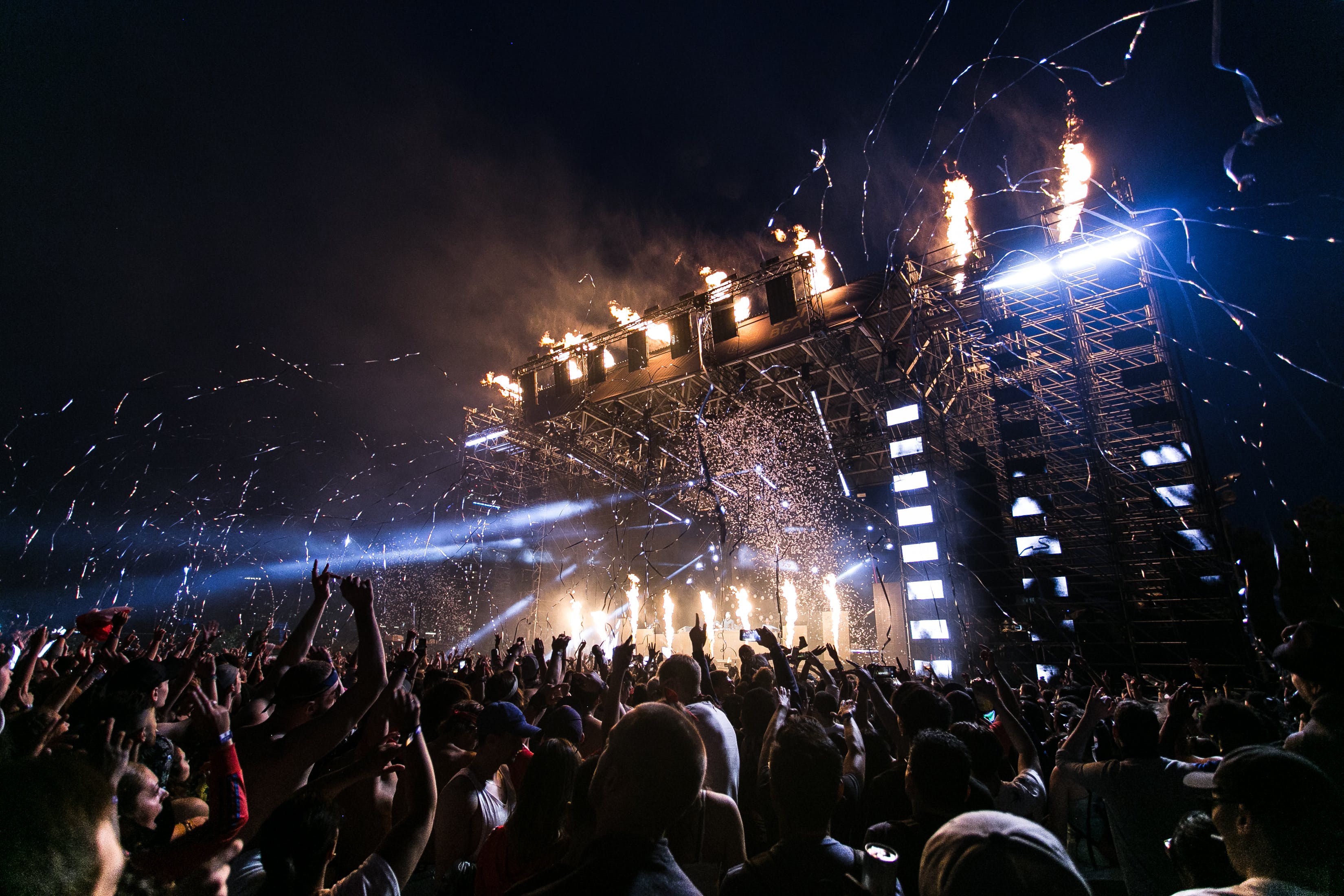
Urban centers are among the most popular locations for hosting music festivals, offering a unique blend of accessibility, infrastructure, and cultural vibrancy. Cities like Los Angeles, New York, and London are not just bustling metropolises but also serve as dynamic backdrops for a myriad of music festivals that cater to diverse tastes and genres. These urban settings provide an unparalleled convenience, with transportation networks, accommodations, and a plethora of dining and entertainment options readily available.
One of the key advantages of hosting music festivals in urban centers is the accessibility they provide. With well-developed public transport systems, attendees can easily navigate their way to and from the festival grounds. This ease of access not only attracts a larger audience but also encourages local residents to participate, enhancing the community feel of such events.
Moreover, these cities often boast iconic landmarks and skyline views that add an extra layer of excitement to the festival experience. Events like Lollapalooza in Chicago and Governors Ball in New York transform city parks into vibrant music arenas, where the energy of the urban environment melds seamlessly with the pulsating beats of live performances. Additionally, urban centers often have a rich cultural tapestry, allowing festival organizers to infuse local art and culinary delights into the festival lineup, creating a truly immersive experience for attendees.
In essence, urban centers not only provide the logistical framework necessary for large-scale events but also offer a unique cultural landscape that enhances the overall allure of music festivals hosted within city limits.
Natural Landscapes Offering Unique Experiences
Music festivals held amidst breathtaking natural landscapes offer attendees an experience like no other. These locations, ranging from lush forests and expansive deserts to serene lakesides and picturesque mountains, provide a stunning backdrop that enhances the sensory experience of the festival. Imagine dancing to your favorite tunes under a canopy of stars or feeling the cool breeze of a nearby lake as the sun sets over the horizon. This is the allure of festivals set in natural settings.
One of the most famous examples of such a festival is the Bonnaroo Music and Arts Festival in Tennessee, where the expansive farmland transforms into a vibrant community of music lovers. Here, the rolling fields not only accommodate large crowds but also create an open space that allows for a connection with nature. Similarly, the Electric Forest Festival in Michigan is set within a lush woodland, where the towering trees become part of the festival's immersive art installations.
The appeal of these natural settings is further amplified by the sense of escapism they provide. Attendees often relish the opportunity to disconnect from their daily routines and reconnect with nature, all while enjoying live music performances. These festivals often incorporate elements of outdoor adventure, such as hiking or swimming, into their itinerary, offering a holistic experience that goes beyond just music.
In these natural landscapes, the emphasis is on creating a harmonious balance between music, art, and the environment, providing festival-goers with memories that are not only sonically delightful but also visually and spiritually enriching. These unique settings remind us of the beauty that exists outside urban confines, offering a refreshing take on the traditional music festival experience.
Remote and Exotic Locations for Festivals

In recent years, music festivals have ventured beyond the conventional, seeking out remote and exotic locations that offer a truly unique experience. These festivals are often set in places that are off the beaten path, providing attendees with an adventure that extends beyond music. From secluded islands to barren deserts, these settings are designed to captivate the imagination and offer a sense of wonderment.
One such example is the Envision Festival in Costa Rica, which takes place in the midst of lush rainforests and pristine beaches. Here, festival-goers are encouraged to immerse themselves in the natural beauty of the surroundings, with opportunities for surfing, yoga, and exploring the local wildlife. This festival promotes an ethos of sustainability and community, aligning perfectly with its exotic setting.
Another captivating festival location is the Sahara Desert in Morocco, home to the annual Festival of the Desert. This festival is a celebration of Tuareg culture, bringing together musicians from across the Sahel to perform in one of the most mesmerizing landscapes on earth. The vast, open desert provides a dramatic stage for music and dance, creating an experience that is as much about cultural exchange as it is about the music itself.
These remote and exotic locations often require more effort to reach, but the journey is part of the appeal. Attendees are rewarded with an experience that is intimate and immersive, often far removed from the distractions of modern life. The unique settings allow for a deeper connection with the music, the people, and the surrounding environment, making these festivals a treasured escape for those seeking something truly out of the ordinary.
Historical Sites as Music Festival Venues

There's something profoundly magical about attending a music festival set against the backdrop of a historical site. These venues offer a rich tapestry of history and culture, adding layers of depth to the festival experience. **Historical sites** not only serve as a stunning visual element but also connect attendees to the stories and heritage of the location.
Take, for instance, the Festival Internacional de Benicàssim in Spain, which is held near ancient Roman ruins. This festival beautifully blends contemporary music with the remnants of a bygone era, providing a unique setting that elevates the experience beyond the ordinary. As festival-goers dance and celebrate, they are enveloped by the whispers of history that linger in the air.
Similarly, the Edinburgh International Festival in Scotland utilizes the historic grandeur of venues like the Edinburgh Castle and the Palace of Holyroodhouse. Here, the music reverberates through the halls where kings and queens once walked, offering a sense of grandeur and majesty that few other venues can match. This setting not only enhances the auditory experience but also creates a visual spectacle that is truly unforgettable.
These historical sites are carefully chosen to complement the festival's ethos, often featuring genres that resonate with the cultural significance of the location. Moreover, hosting festivals at these venues helps in preserving and promoting heritage, inviting a new generation to appreciate the past while enjoying the present. The juxtaposition of music and history creates a compelling narrative that draws in festival-goers, offering them a chance to engage with history in a vibrant and dynamic way.
Factors Influencing Location Choice for Festivals
Choosing the right location for a music festival is a multifaceted decision that involves an array of **factors**. One of the primary considerations is accessibility. Festival organizers often look for venues that are easily reachable by public transport or major highways, ensuring that attendees can arrive without hassle. Proximity to airports or train stations can also be a major advantage, especially for festivals with a significant international audience.
Another crucial factor is the **acoustic environment** of the location. Venues need to have the right acoustics to deliver an optimal sound experience for performers and audiences alike. This is why some festivals opt for open fields or natural amphitheaters, which can enhance the sound quality and create an immersive experience.
Furthermore, the **capacity and amenities** of the venue play a significant role. Organizers must ensure that the location can accommodate the expected number of attendees comfortably, with adequate facilities such as restrooms, food stalls, and emergency services. The safety of the location, including evacuation routes and security measures, is also paramount.
Another growing consideration is the ecological impact of the festival. Many festivals are now prioritizing sustainability, choosing locations that allow for environmentally friendly practices. This includes sites that can support waste management systems, energy-efficient lighting, and water conservation measures.
Lastly, the ambiance and **cultural significance** of the location can greatly influence the festival's vibe. A site with historical or cultural relevance can add a unique character to the festival, attracting attendees who are interested in more than just the music.
Visit our website to learn more and get started today! Click here.