What Led to Higher Interest in the Entertainment Industry?
Explore the key factors that led to an increased and higher interest in the entertainment industry, from digital innovation to global reach.
The entertainment industry has seen a remarkable surge in interest over the last decade. This isn't merely a coincidence but a result of a variety of factors that have converged to elevate the industry to new heights. From technological advancements to a globalized audience, numerous elements have played a pivotal role in this transformation. Understanding what led to an increase and a higher interest in the entertainment industry requires a deep dive into these contributing factors.
One of the most significant drivers has been the advent of digital innovation. Streaming platforms like Netflix, Amazon Prime, and Disney+ have revolutionized how we consume media, making entertainment more accessible and personalized than ever before. These platforms offer a vast array of content that caters to diverse tastes and preferences, thereby attracting a broader audience. Furthermore, the rise of social media has provided an unprecedented level of engagement between celebrities and their fans, creating a more interactive and immersive entertainment experience.
Another contributing factor is the global reach of Hollywood and other entertainment hubs. With the advent of the internet and social media, content from around the world is now easily accessible to anyone with an internet connection. This global reach has helped diversify the types of content available and broadened the industry's appeal. As a result, the entertainment industry has been able to attract a more varied and extensive audience, further driving up interest and engagement.
Visit our website to learn more and get started today! Click here.
Impact of Digital Streaming Platforms
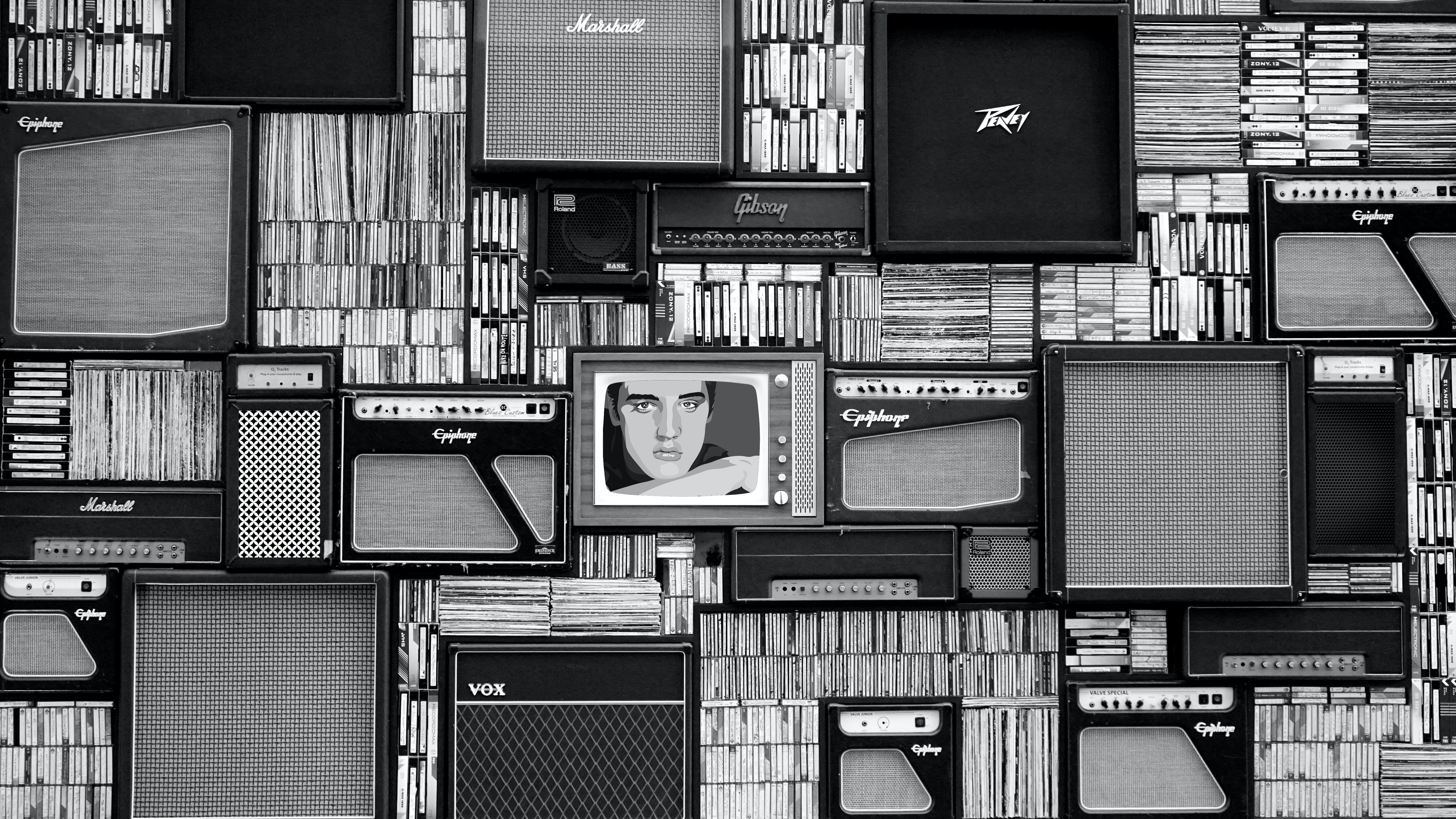
The rise of digital streaming platforms has fundamentally reshaped the entertainment landscape, leading to a significant increase in interest and engagement. Unlike traditional cable TV, streaming platforms like Netflix, Amazon Prime, and Disney+ offer on-demand content that caters to a wide range of preferences. This flexibility allows viewers to watch what they want, when they want, and how they want, making the consumption of entertainment more convenient and personalized.
One of the most remarkable impacts of these platforms is their ability to deliver a vast library of content across various genres and languages. This not only satisfies diverse tastes but also introduces viewers to new kinds of programming they might not have encountered otherwise. For instance, the popularity of international shows like "Money Heist" and "Squid Game" highlights how streaming platforms have broken down geographical barriers, making global content more accessible than ever.
Additionally, digital streaming platforms have democratized content creation. Independent filmmakers and smaller production houses now have a viable avenue to distribute their work, reaching audiences that were previously out of reach. This has resulted in a more diverse array of content, giving rise to unique voices and stories that traditional networks might have overlooked.
Finally, the data-driven approach of these platforms cannot be understated. Streaming services utilize advanced algorithms to recommend shows and movies based on user behavior, creating a more engaging and satisfying viewing experience. This personalization not only boosts viewer retention but also keeps the audience coming back for more, thus driving higher interest in the entertainment industry.
Role of Social Media and Influencers
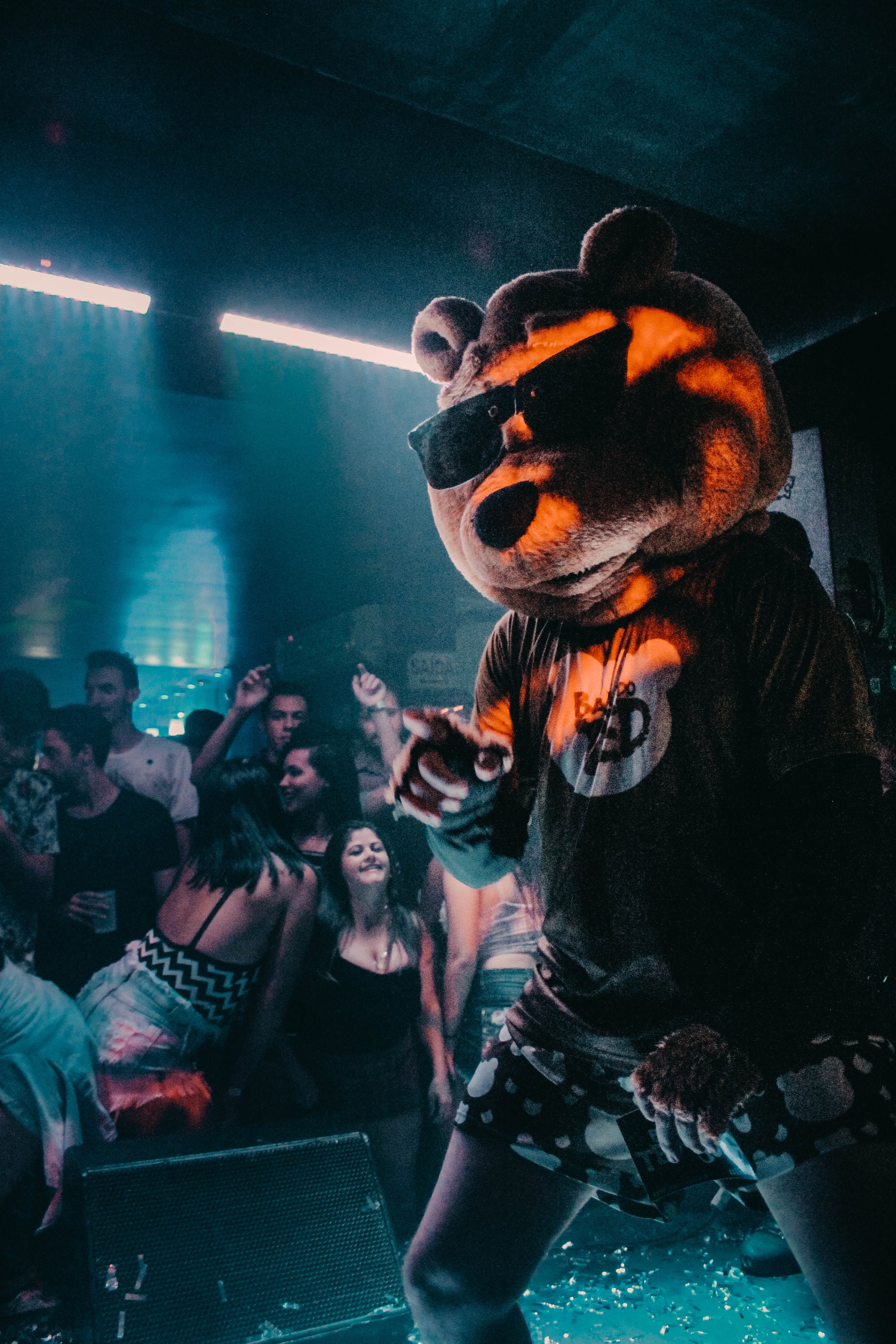
Social media and influencers have played a pivotal role in boosting interest in the entertainment industry. Platforms like Instagram, Twitter, and TikTok have become indispensable tools for promoting new releases, sharing behind-the-scenes content, and engaging with fans in real-time. The direct interaction between celebrities and their followers fosters a sense of community and loyalty that traditional forms of media couldn't achieve.
Influencers, in particular, have become modern-day trendsetters, wielding significant power over their followers' entertainment choices. Whether it's a movie review, a game stream, or a sneak peek of an upcoming album, influencers can generate buzz and drive traffic to various entertainment platforms. Their endorsements often carry more weight than traditional advertising because they come from a trusted source within a familiar social context.
Moreover, social media campaigns often go viral, creating organic, user-generated content that further amplifies interest. Hashtags, challenges, and memes can turn a relatively unknown piece of content into a global phenomenon overnight. For example, the "#InMyFeelingsChallenge" not only promoted Drake's song but also created a cultural moment that transcended the music itself.
The accessibility and immediacy of social media also allow for real-time feedback and interaction. Entertainment companies can gauge public reaction quickly and adjust their strategies accordingly. This dynamic interaction ensures that the content remains relevant and appealing, thereby sustaining interest over longer periods.
Additionally, social media provides a platform for diverse voices and stories to be heard. Independent artists and creators can build their own followings and bypass traditional gatekeepers, contributing to a richer, more varied entertainment landscape.
Globalization of Entertainment Content
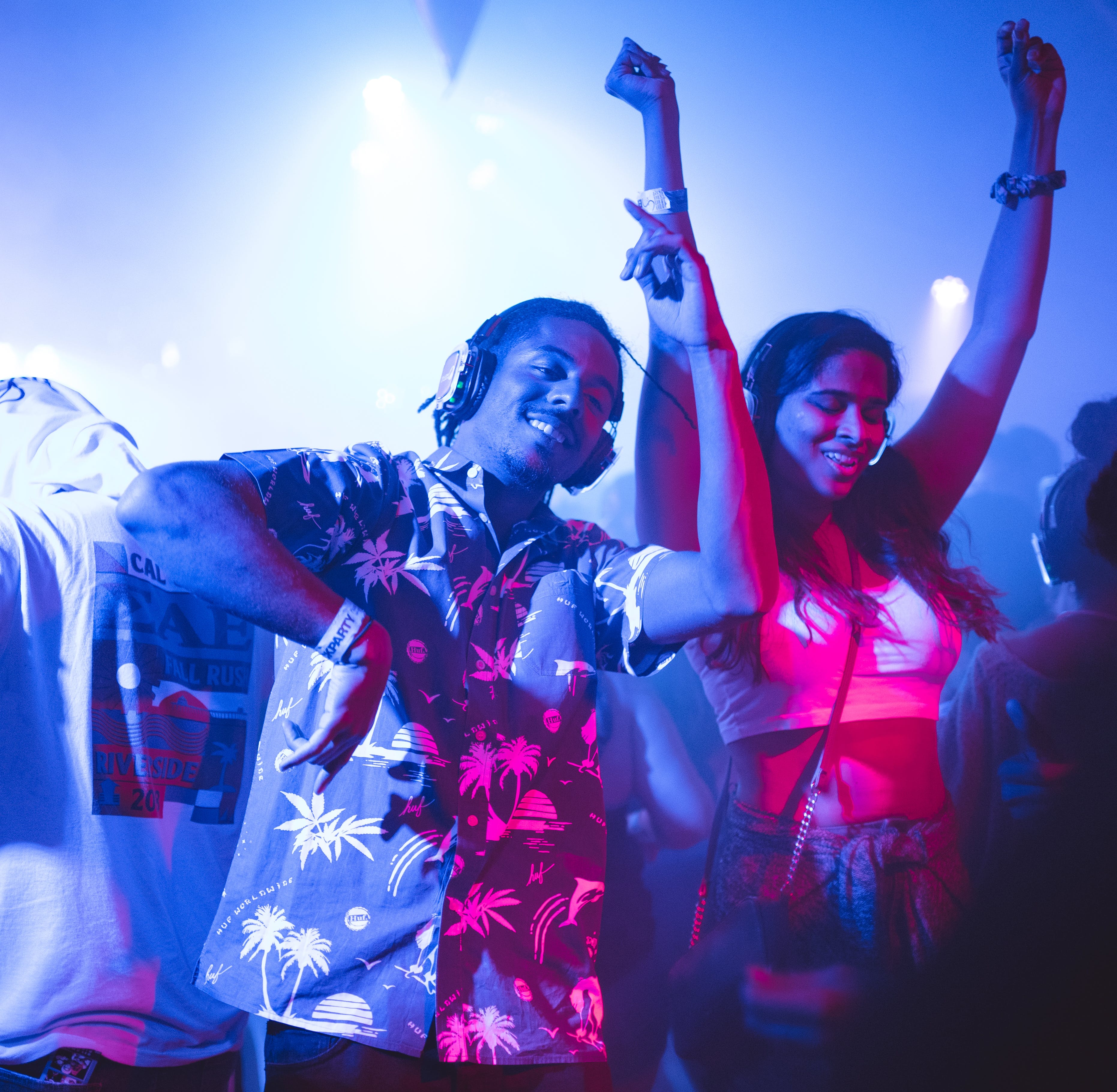
The globalization of entertainment content has significantly contributed to the increased and higher interest in the entertainment industry. With the advent of streaming services like Netflix, Amazon Prime, and Disney+, viewers around the world now have access to a vast array of content from different cultures and languages. This unprecedented access has expanded the audience base, making it possible for a Spanish-language series or a Korean drama to gain international acclaim.
One of the key factors driving this trend is the ease of distribution. Digital platforms can release content simultaneously in multiple countries, eliminating the traditional barriers of time and geography. This has led to a more interconnected world where cultural exchange is facilitated through entertainment. Consequently, the appetite for diverse storytelling has grown, encouraging producers to create content that appeals to a global audience.
Moreover, the rise of subtitles and dubbing has made it easier for audiences to enjoy foreign content without language being a barrier. Shows like Money Heist from Spain and Squid Game from South Korea have become global sensations, proving that compelling storytelling transcends linguistic boundaries. These successes have prompted more international collaborations, leading to a richer and more varied entertainment landscape.
Social media also plays a crucial role in the globalization of entertainment. Fans from different parts of the world can connect, share their favorite moments, and create a community around a particular show or movie. This global fanbase generates buzz and keeps the conversation going, further fueling interest and viewership.
Additionally, international film festivals and award shows have become platforms for showcasing global talent. Winning an award at Cannes, Sundance, or the Oscars can catapult a film or series into the global spotlight, attracting viewers who might not have discovered it otherwise.
Technological Advancements and Innovation
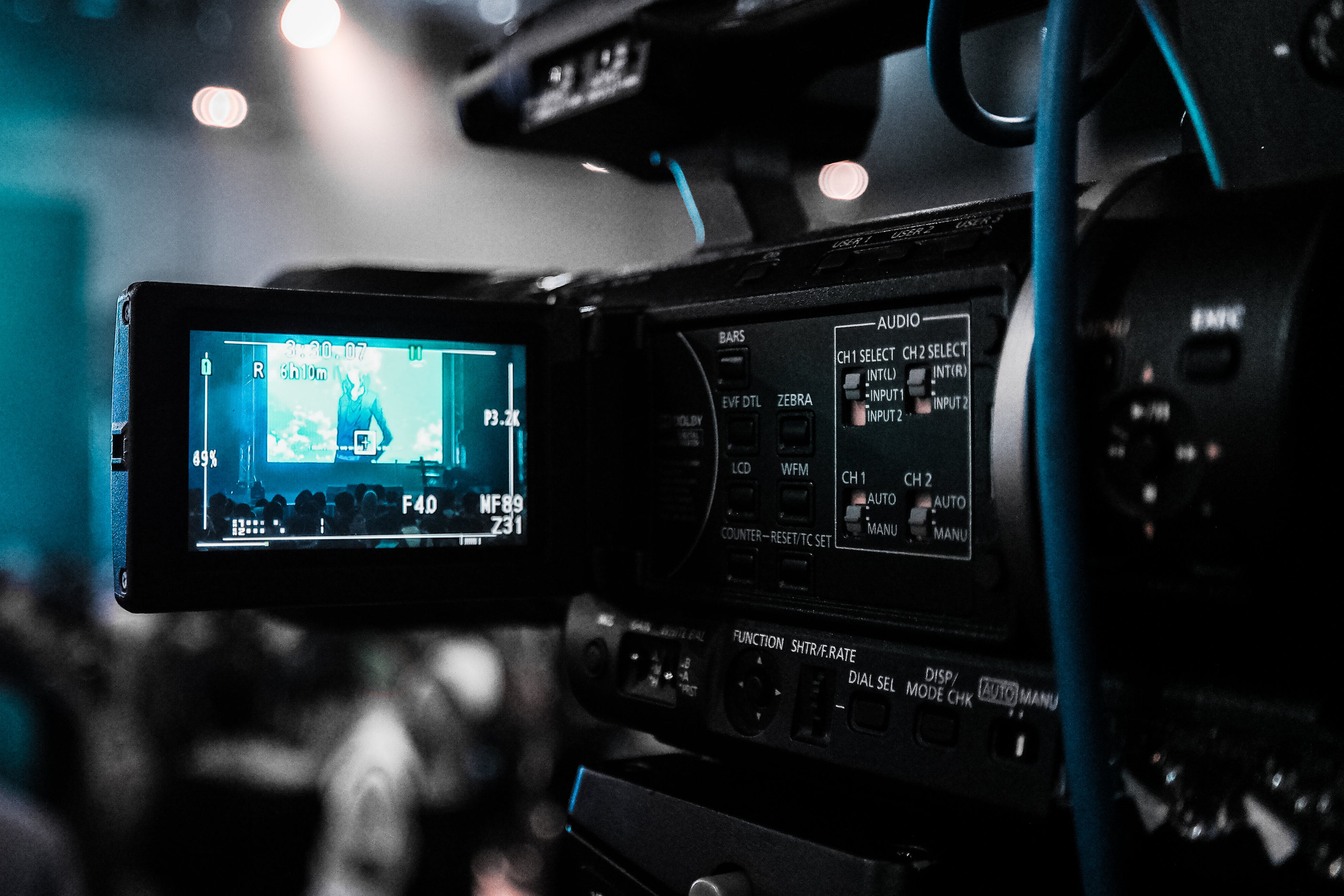
Technological advancements and innovation have been pivotal in driving the increased and higher interest in the entertainment industry. The integration of cutting-edge technology has not only transformed how content is produced but also how it is consumed, making entertainment more accessible and engaging than ever before.
One of the most significant innovations is the advent of high-definition (HD) and 4K resolution. These technologies have revolutionized the visual experience, providing viewers with stunningly clear and detailed images. Coupled with advancements in sound technology like Dolby Atmos, the overall viewing experience has become more immersive, drawing audiences further into the world of the content they are watching.
Virtual Reality (VR) and Augmented Reality (AR) have also made their mark in the entertainment sector. These technologies offer interactive experiences that allow viewers to become a part of the story. From VR concerts where fans can feel like they are front-row at a live performance, to AR apps that bring movie characters into your living room, the possibilities are endless and continually evolving.
Artificial Intelligence (AI) and Machine Learning (ML) are other game-changers. These technologies are employed to enhance content recommendation systems, making it easier for viewers to discover shows and films that match their preferences. Platforms like Netflix and Spotify use complex algorithms to analyze user behavior and suggest content, thereby increasing viewer engagement and satisfaction.
Additionally, the rise of social media platforms has democratized content creation. Tools for video editing, live streaming, and social sharing have empowered individuals to produce and distribute their own content, blurring the lines between professional and amateur creators. This has led to a surge in user-generated content, making the entertainment landscape more diverse and inclusive.
Cloud computing and big data analytics have further streamlined production processes. Studios can now access vast amounts of data to inform decisions, from casting to marketing strategies. This data-driven approach ensures that content is tailored to meet audience demands, enhancing its appeal and success.
Cultural Shifts and Changing Consumer Preferences
Cultural shifts and changing consumer preferences have profoundly influenced the entertainment industry's landscape. As society evolves, so do the tastes and expectations of its audience, driving an increased and higher interest in diverse and inclusive content.
One major cultural shift is the growing demand for representation and diversity in media. Audiences today expect to see themselves reflected on screen, leading to a surge in content that features diverse casts and explores a wide range of cultural narratives. This shift has opened doors for stories from underrepresented communities, making the industry more vibrant and inclusive.
Additionally, there has been a significant move towards authentic storytelling. Viewers crave genuine narratives that resonate with their experiences and emotions. This has led to a rise in biopics, documentaries, and reality-based series that offer a more relatable and unfiltered glimpse into real lives and issues.
The shift towards on-demand content is another pivotal change driven by consumer preferences. The popularity of streaming services like Netflix, Hulu, and Disney+ highlights the audience's desire for flexibility in how and when they consume content. Binge-watching has become a cultural phenomenon, with entire seasons of shows being released at once to cater to this demand. This trend is reshaping traditional broadcasting models and pushing networks to innovate.
Moreover, the influence of social media cannot be overlooked. Platforms like Instagram, TikTok, and Twitter have become crucial in shaping consumer preferences and trends. They provide a space for fans to engage with their favorite content and creators, offering immediate feedback that can influence future productions. Social media also plays a significant role in marketing, with viral trends and challenges amplifying the reach and impact of new releases.
Lastly, there is a growing emphasis on interactive and participatory experiences. Audiences no longer want to be passive viewers; they seek to engage and interact with the content. This has led to the popularity of live-streaming events, interactive movies, and gaming crossovers, where viewers can influence the storyline and outcomes.
These cultural shifts and evolving consumer preferences are continuously shaping the entertainment industry, making it more dynamic and responsive to audience demands. As the industry adapts to these changes, it promises an exciting future filled with endless possibilities.
Visit our website to learn more and get started today! Click here.