What's Cinematography All About?
Cinema is a beautiful art form that has influenced many other artistic mediums, such as painting, sculpture, and fashion. Films have advanced the use of camera equipment and techniques to tell stories, influence perceptions, increase audience engagement, and enhance the experience for viewers.
The term cinematographer comes from the word cinema, which was originally referred to people who operated large, heavy cameras. Since then, this job title has evolved to include filming with light and handheld lenses, using natural or artificial lighting, and incorporating special effects and graphics.
However, despite these additions, the main goal of every cinematographer is still to create an immersive story that audiences can connect to. Many times, cameramen are not given credit for their craft because of how much control director and producers ask them to have during production.
It is important to know what makes up the field of cinematography so you can take your career more seriously and learn about it. This article will go into greater detail on the different parts of the film industry including directors, writers, editors, and others.
Once you understand the basics of each position, then you can begin educating yourself about the role of cinematographers in filmmaking.
Equipment of a cinematographer
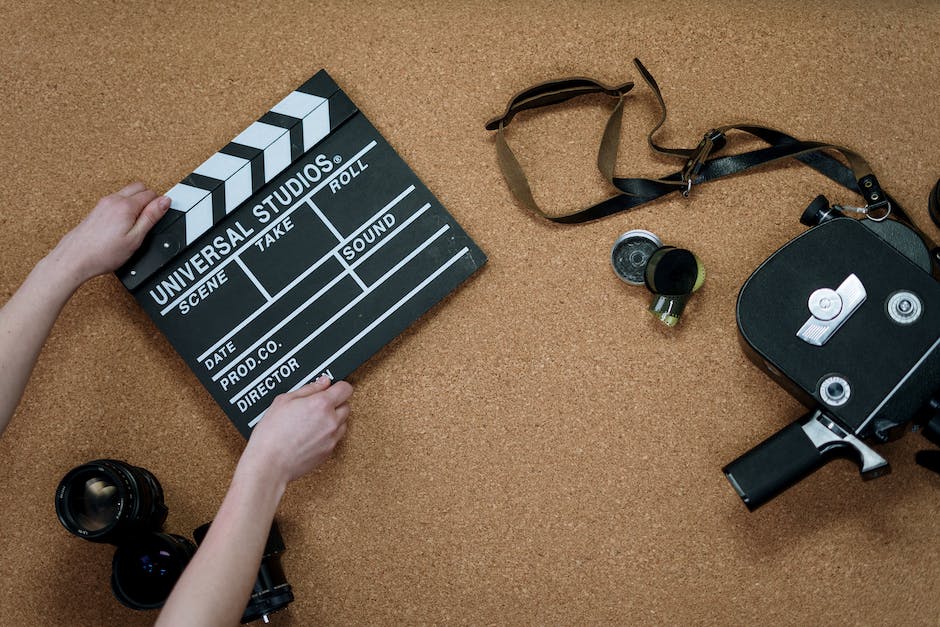
A lot of people assume that being a professional cameraman is just about having a big camera. While this is certainly an important part of what makes someone call themselves a cinematographer, it is not the only thing!
In fact, some of the most famous cinematographers in the world don’t use large cameras at all! Some instead use small ones, sometimes even handheld!
A good way to determine if you are already a successful cinematographer is to look at the work of other professionals. You can watch many films online or read their reviews to see how they describe things like lighting, staging, coverage, etc.
It is very common for advanced filmmakers to develop their own unique style. Many pursue education opportunities related to filmmaking so that they can learn more about the craft.
Shooting locations
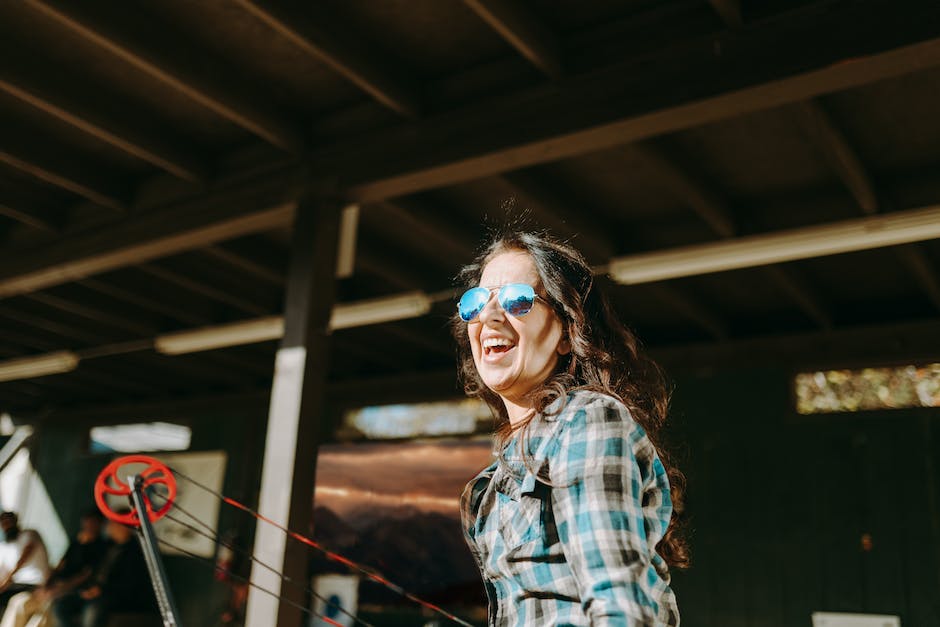
A good cinematographer will spend a lot of time scouting potential shooting sites. They'll look for natural light, interesting backgrounds, and various camera angles to determine which ones are best for your story.
It is important to consider cost when choosing these settings. Some can be expensive to use, so make sure you have enough money set aside to hire one!
The more advanced the better
There are many types of lighting used by cinematographers, but typically they're grouped into three categories according to what effect they create.
Indoor lights are usually very strong and feature rich, like using large soft boxes or bare bulbs as sources. These work well in creating smooth, realistic looking images.
Outdoor lights such as sunsets or direct sunlight are also great modes to use when photographing during warm seasons. The intensity and direction of each light source must be adjusted properly to achieve desirable results.
Interior lights are another common type, and just about any room can produce some form of light. This includes reading lamps, table lamps, and even outside windows if there’s no other choice!
Any of these types of lighting can help convey mood, emphasize shapes, and expose darker areas, making them all valuable tools for the artist behind the camera.
Exterior and interior settings
As we've discussed before, cinematographers typically work with a camera lens that has an adjustable aperture or size. A large lens allows more of the scene to be in focus, which makes it easier to see all the elements beautifully!
The term for this is depth of field. The wider your lens is, the longer you can make everything in front of and behind the focal length go out of focus. This creates a blurry effect, like what you would get by holding something very close to and far away from a window.
This also gives people outside the frame some sense of intimacy while at the same time emphasizing their place in the story.
Interior spaces are not as easily accomplished because most rooms do not have enough empty wall space to create that feeling of infinity. Therefore, cameramen often use lighting to help convey the feel of infinite space, but there’s no way to take full advantage of it without having something beyond the walls.
That’s where the floor comes into play! Most floors have a low-hanging beam that acts as a natural backdrop, creating a nice, soft edge. By putting someone next to that roomy area, it becomes easy to include them within the setting.
Camera movements
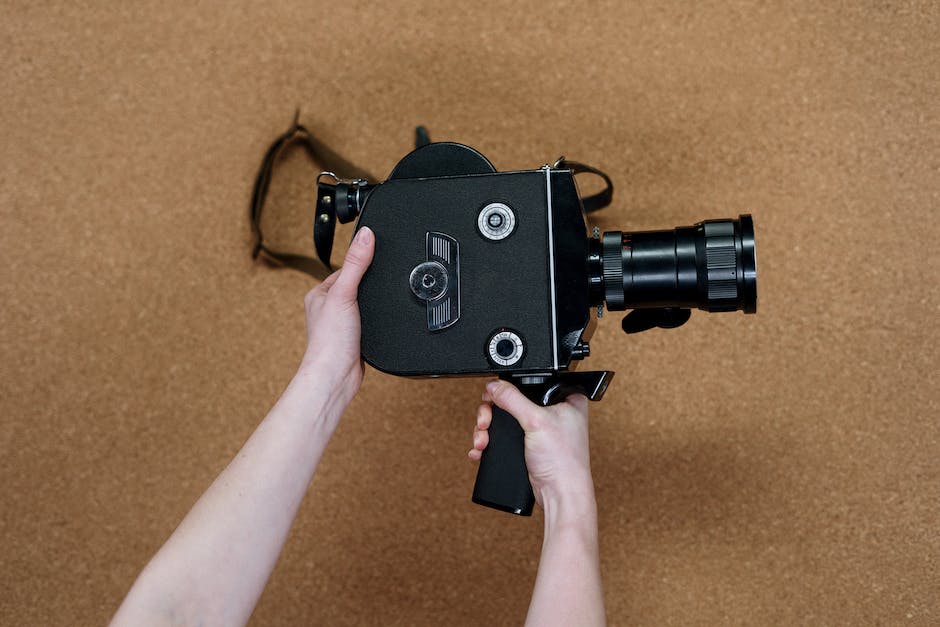
A camera movement is when the photographer or cinematographer uses different angles to tell your viewer more about the subject or give an additional emphasis on the shot. There are many ways to do this, but one of the most popular is a vertical pan. This is when the lens moves up or down quickly to create the effect that the scene is moving faster than what the eye can perceive.
A common use of a vertical pan is in establishing shots where the whole frame is used to show off the setting or context of the scene being filmed. For example, if you were filming a movie with the hero at his desk looking through his phone, then a good way to emphasize that this is his office would be to have only his desk filling up the screen for several minutes. Then, while he is still looking at his device, a slow pan upward would make the audience realize how high his position was in relation to the floor.
Another very common use of a vertical pan is when someone wants to draw attention to themselves or their actions. If there’s a key moment in a conversation, like when one person says something significant, a fast vertical pan could highlight that important part. It also makes it seem as though you are watching the conversation unfold instead of having it happen naturally.
Kinojections are another type of vertical pan. These are when the actress/person holding the object covers it, creating an intimacy level between viewer and character.
Trends in cinematography
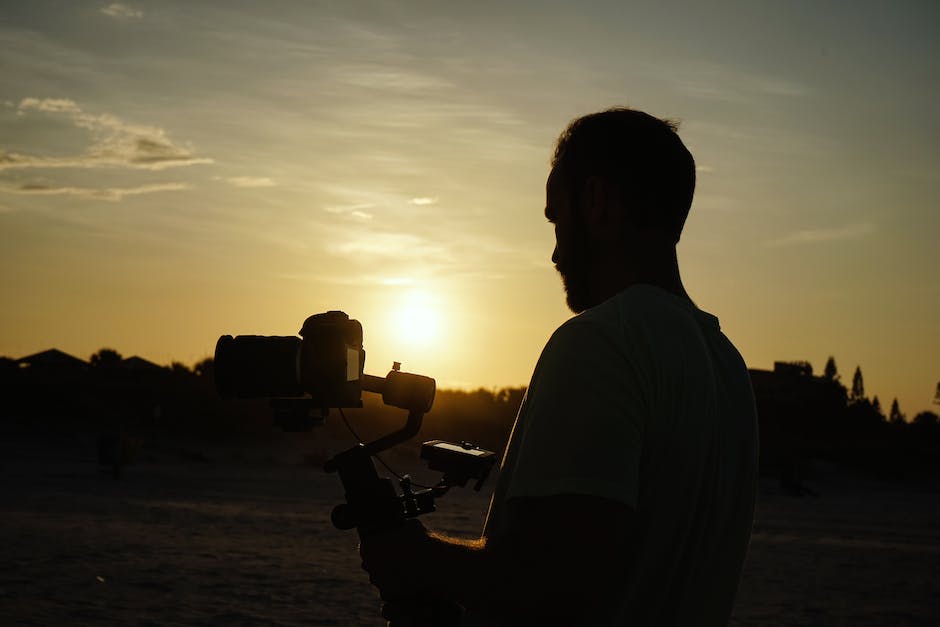
Certain styles of filming have become popular trends for movie makers to use. These are sometimes referred to as genre styles, or technique styles. Some examples of these are very bright lights with strong shadows, low-angle shots that make you feel like you're moving closer to the subject, close ups, long takes, and more.
There are many reasons why these techniques are loved by filmmakers. They all contribute to making your viewing experience a lot of fun.
The most important reason is they add interest to the film. A good example is a style called wide angle shooting. This gives us an expansive view of the setting and scene being filmed. It also makes it look bigger than life, creating an almost comic book feeling.
A second reason is their ability to focus attention onto one element in the story. A classic example of this is when Martin Scorsese uses long takes to tell a story. He will only shoot a few seconds of content at a time, but the audience has to wait while he gets the shot.
This creates suspense because we don't know what happened yet! The rest of the time was spent waiting and building up anticipation until the next interesting shot came along.
Examples of great cinematography
Many people consider camera angle, movement, and focus to be part of what makes up good cinematic photography. While that is definitely true, looking at only those components leaves out an integral piece of the puzzle: lighting.
Lighting is very important in creating beautiful photographs. Too often, however, it gets overlooked or even ignored when photographers take pictures. Lighting should not be thought of as something you turn on once for a few seconds and then quickly switch off; instead, look into natural lightings modes and how to use them to achieve lasting effects.
Camera angles, moving cameras, and tight shots are all interesting photographic tools, but they will always be empty gimmicks unless lit well. When taking photos, think about how you can add more depth to the image by introducing light. Or, conversely, create darkness with no light source to emphasize the mood or setting of the picture.