Where Did Music Festivals Originate? Discover the History!
Uncover the origins of music festivals, tracing their roots from ancient times to modern-day celebrations across the globe.
Music festivals have become a global phenomenon, attracting millions of attendees each year. These vibrant gatherings celebrate a diverse range of genres, from rock and pop to electronic dance music and jazz. But where did music festivals originate? To uncover the roots of these dynamic events, we need to travel back in time and explore how they evolved from ancient traditions to the massive spectacles we see today.
The concept of a music festival is not a modern invention. In fact, it has ancient origins. The earliest forms of music festivals can be traced back to ancient Greece, where festivals such as the Panathenaia and the Dionysia featured musical competitions and performances as part of their religious celebrations. These events were not only a form of entertainment but also a crucial aspect of cultural and religious life.
As we move forward in history, we see the continuation of this tradition in the medieval and Renaissance periods with events like the Florentine Camerata in Italy, where music and arts flourished under the patronage of wealthy families and the church. These early festivals laid the groundwork for the modern music festivals we know and love today.
Curious to learn more about the fascinating history of music festivals and how they've evolved over centuries? Visit our website to learn more and get started today! Click here.
Ancient Roots of Music Festivals
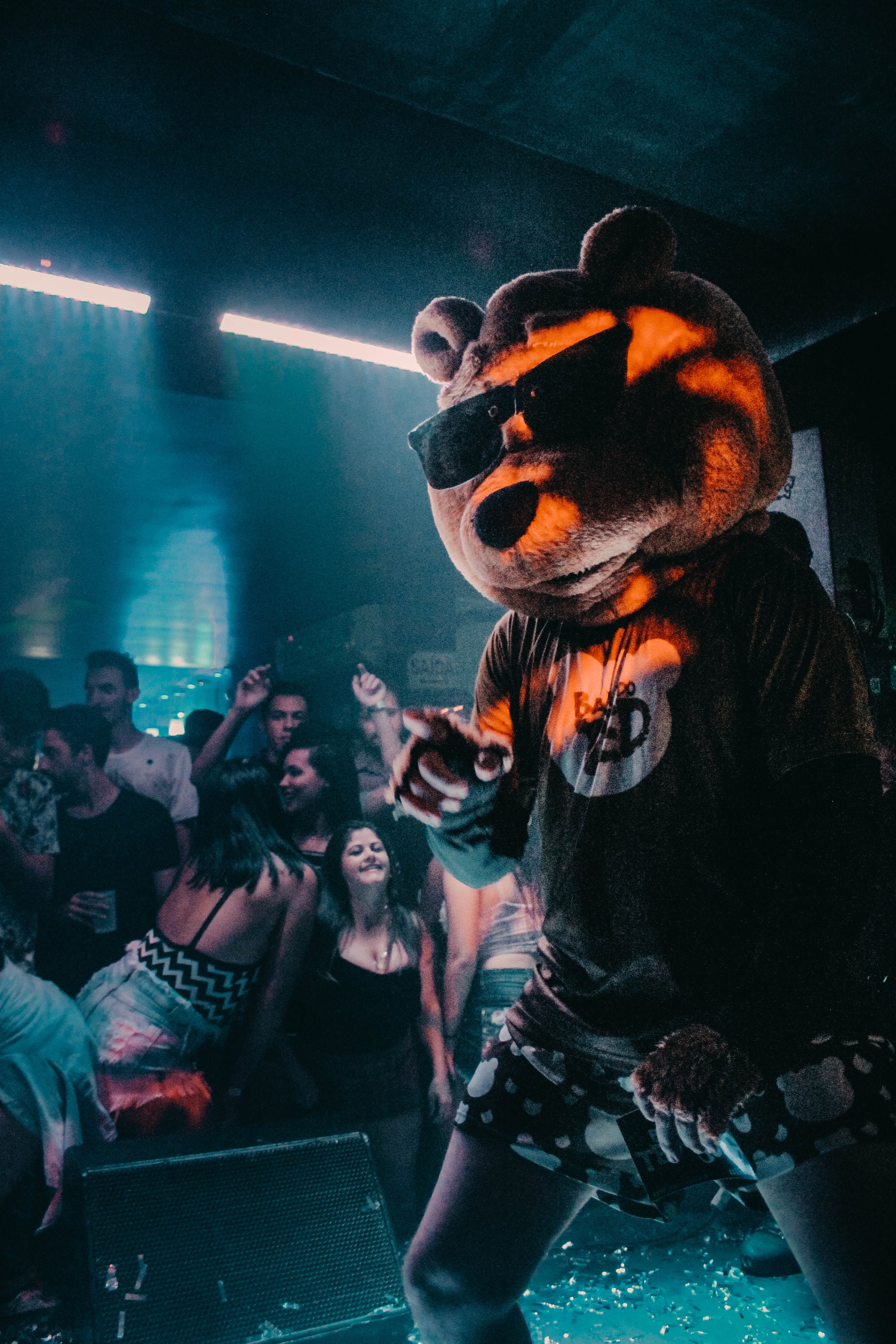
The origins of music festivals can be traced back to some of the earliest human civilizations. In ancient Greece, music was an integral part of religious and cultural life. One of the most notable early festivals was the Panathenaia, held in Athens to honor the goddess Athena. This event featured musical competitions, where participants would perform hymns and other compositions. Similarly, the Dionysia festival celebrated the god Dionysus with theatrical performances, which included music and dance.
Music festivals were not limited to Greece. In ancient Egypt, the Festival of Opet was an annual event that celebrated the journey of the god Amun from Karnak to Luxor. This festival included music, dancing, and processions, showcasing the Egyptians' devotion to their gods through artistic expression. The ancient Mesopotamians also held large-scale religious ceremonies that incorporated music, especially in the temples of gods like Ishtar and Marduk.
In the Far East, music festivals had a long-standing tradition in China and India. The Chinese held festivals during the Tang Dynasty that featured elaborate musical performances, while in India, the tradition of musical gatherings can be traced back to the Vedic period. These ancient roots highlight the universal appeal and significance of music in human culture.
These early festivals were more than mere entertainment; they were deeply woven into the social, religious, and cultural fabric of their respective societies. They laid the foundation for the rich tapestry of music festivals that we experience today, proving that the desire to celebrate through music is a timeless human instinct.
Medieval European Festivals

As we move from ancient times into the medieval era, the tradition of music festivals continued to evolve, particularly in Europe. During the Middle Ages, music festivals became integral to the fabric of European society, often tied to religious celebrations and courtly life. One of the most significant types of medieval music festivals were the church festivals, which revolved around the Christian liturgical calendar. These included Easter, Christmas, and various saint's feast days, where hymns, chants, and other forms of sacred music were performed.
Another prominent medieval music festival was the Feast of Fools, a popular event during the 12th and 13th centuries. This festival, often held in cathedrals, allowed subdeacons and other lower clergy to mock higher officials, and it featured lively musical performances that broke from the solemnity of typical church services. Although controversial, it showcased the communal spirit and the role of music in bringing people together.
The courts of medieval Europe also hosted elaborate music festivals. The troubadours and minstrels played a significant role in these gatherings, performing songs that celebrated chivalry, romance, and heroic deeds. These events often took place in the grand halls of castles and were attended by nobility who reveled in the artistry of these musicians.
Medieval fairs and markets were another setting for music festivals. These events, held in towns and villages, featured traveling musicians and performers who entertained the crowds with their songs and instrumental music. These gatherings were not only an opportunity for trade but also for cultural exchange, making them vibrant centers of medieval life.
In summary, medieval European festivals were diverse and multifaceted, reflecting the complex social and cultural landscapes of the time. Whether tied to religious observances, courtly life, or local fairs, these festivals played a pivotal role in the development of music as a communal and celebratory art form.
Impact of the 20th Century
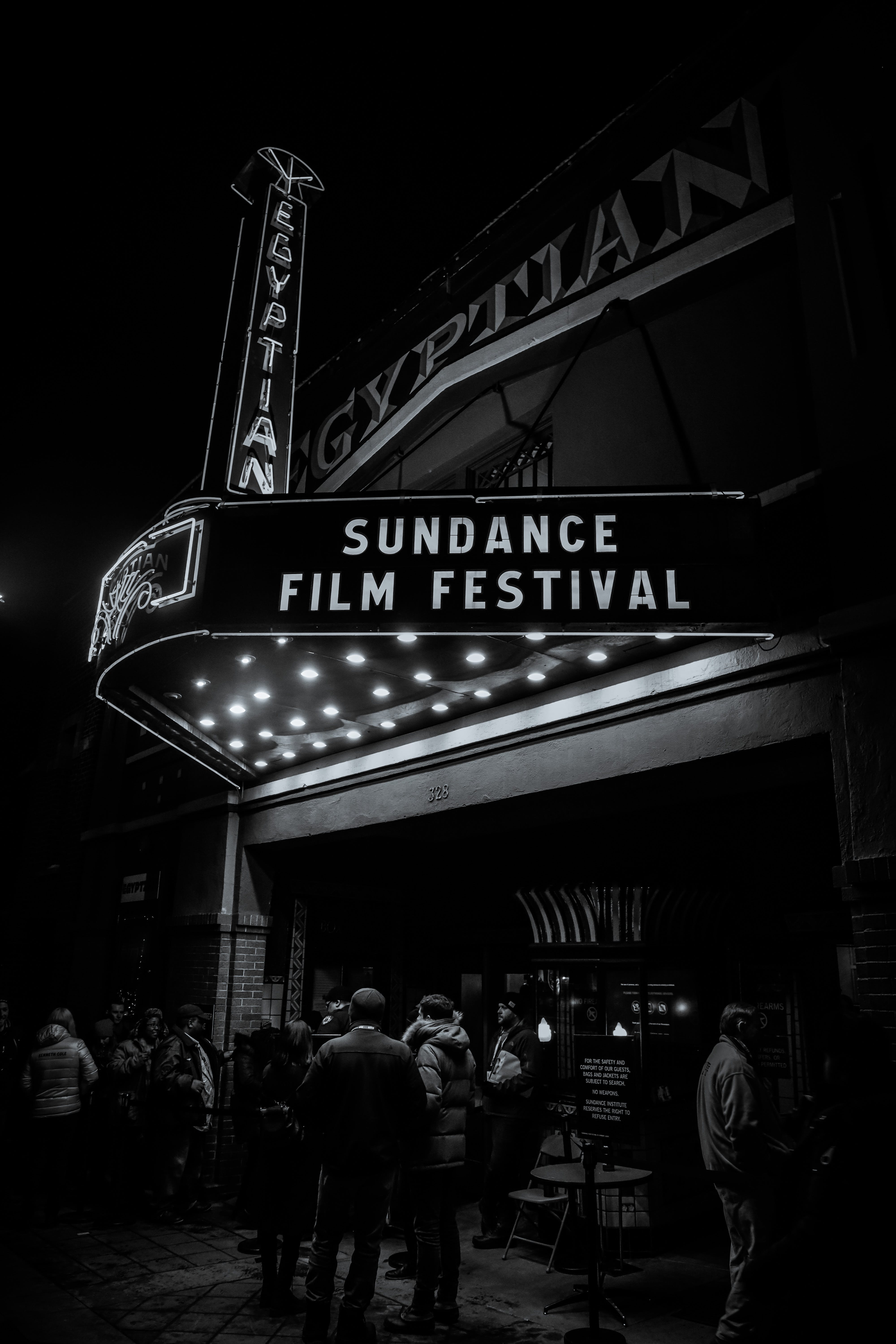
The 20th century marked a revolutionary period for music festivals, reshaping them into the large-scale events we recognize today. This era witnessed the birth of some of the most iconic music festivals that have left a lasting imprint on popular culture. One of the earliest examples is the Newport Jazz Festival, established in 1954 in Rhode Island. It was one of the first modern music festivals to bring together diverse artists and large audiences, setting a precedent for future events.
As the 1960s unfolded, music festivals became synonymous with the counterculture movement. The Monterey Pop Festival in 1967 showcased legendary performances by artists like Jimi Hendrix and Janis Joplin, highlighting the power of music to unite people. However, it was the Woodstock Festival in 1969 that truly epitomized the spirit of the era. Held on a farm in Bethel, New York, Woodstock drew an audience of over 400,000 people and featured performances from some of the most influential musicians of the time, creating an enduring symbol of peace and music.
The 1970s and 1980s saw the proliferation of various genre-specific festivals, catering to different musical tastes. The Glastonbury Festival in the UK, which began in 1970, evolved into one of the world's largest and most renowned music festivals, known for its eclectic line-up and commitment to social and environmental causes. Similarly, the Isle of Wight Festival became a landmark in the UK music scene, drawing massive crowds and featuring prominent rock acts.
In the United States, the Lollapalooza Festival, founded in 1991 by Perry Farrell of Jane's Addiction, became a traveling festival that celebrated alternative music and culture. This innovative format paved the way for other multi-genre festivals, emphasizing the importance of diversity and inclusion within the music festival landscape.
The impact of the 20th century on music festivals is undeniable. These events not only showcased groundbreaking musical talent but also reflected the social and cultural shifts of their times. They fostered a sense of community and belonging, creating spaces where people could come together to celebrate music, art, and life.
Modern Music Festival Evolution
As we moved into the 21st century, music festivals continued to evolve, adapting to new technologies and the changing tastes of audiences. The rise of the internet and social media has had a profound impact on the way music festivals are organized, promoted, and experienced. This digital revolution has made festivals more accessible and has allowed them to reach a global audience.
One of the most notable examples of modern music festival evolution is Coachella Valley Music and Arts Festival. Launched in 1999 in Indio, California, Coachella has become a cultural phenomenon, known for its star-studded line-ups, art installations, and fashion-forward attendees. The festival's success can be attributed to its ability to blend music, art, and technology, creating an immersive experience for festival-goers.
Another significant development in the modern festival scene is the rise of electronic dance music (EDM) festivals. Events like Tomorrowland in Belgium and Ultra Music Festival in Miami have attracted millions of fans from around the world. These festivals are known for their elaborate stage designs, cutting-edge light shows, and the world's best DJs, offering an unparalleled sensory experience.
The concept of the multi-genre festival has also gained popularity in recent years. Festivals like Glastonbury in the UK, Rock in Rio in Brazil, and South by Southwest (SXSW) in Austin, Texas, feature diverse line-ups that include rock, pop, hip-hop, electronic, and more. This diversity allows these festivals to appeal to a wider audience and reflects the eclectic tastes of modern music fans.
In addition to music, modern festivals have increasingly incorporated other forms of entertainment and culture. Food and drink, wellness activities, and sustainability initiatives are now integral parts of the festival experience. Events like Burning Man in Nevada have taken this to the next level, creating temporary communities that focus on self-expression, art, and radical self-reliance.
The evolution of music festivals in the modern era showcases their ability to innovate and adapt, ensuring their relevance in an ever-changing world. These events continue to bring people together, celebrating the power of music and culture in new and exciting ways.
Global Influence and Cultural Significance
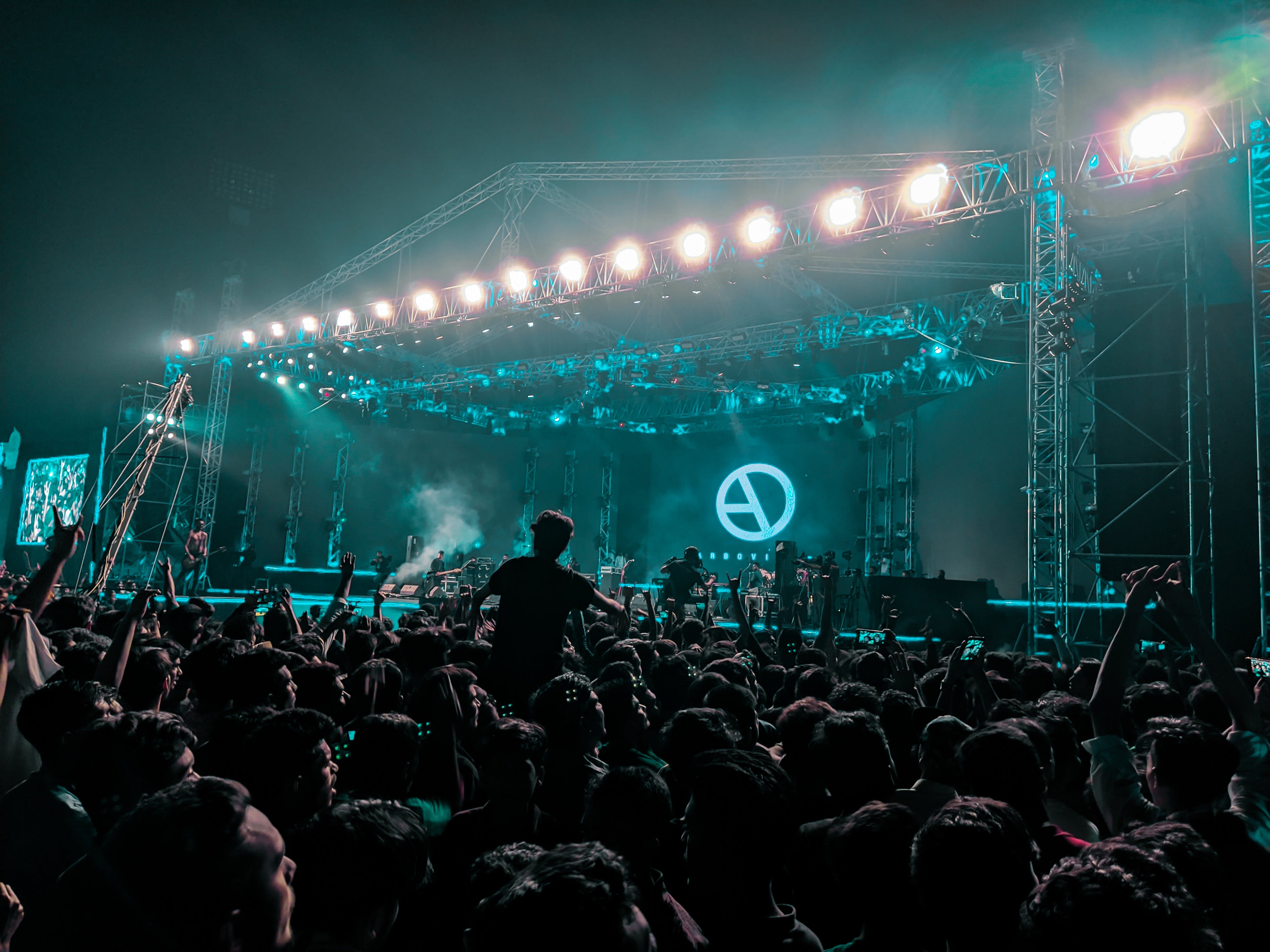
The global influence and cultural significance of music festivals cannot be overstated. These events have transcended borders, bringing together people from different backgrounds and cultures to celebrate a shared love of music. From the deserts of Nevada to the beaches of Rio, music festivals have become a universal language that unites us all.
One of the most profound impacts of music festivals is their ability to foster cultural exchange. Festivals like WOMAD (World of Music, Arts and Dance), founded by Peter Gabriel in 1982, are dedicated to promoting world music and cultural diversity. By featuring artists from across the globe, WOMAD and similar festivals offer attendees the opportunity to experience a wide array of musical traditions and cultural practices, broadening their horizons and fostering a greater understanding of the world.
Additionally, music festivals often serve as platforms for social and political movements. Events like Woodstock in 1969 and Live Aid in 1985 were not just about music; they were also about promoting peace, love, and humanitarian efforts. Modern festivals continue this legacy by addressing contemporary issues such as climate change, social justice, and mental health awareness. For instance, Glastonbury has been a strong advocate for environmental sustainability, implementing eco-friendly practices and raising awareness about climate issues.
The economic impact of music festivals is also significant. These events generate substantial revenue for local economies through tourism, hospitality, and commerce. For example, Coachella contributes millions of dollars to the economy of the Coachella Valley each year, supporting local businesses and creating job opportunities.
Moreover, music festivals have become integral to the identity of many cities and regions. They help shape the cultural landscape and attract visitors from all over the world. Cities like Austin, Texas, have even branded themselves as live music capitals, thanks in part to festivals like South by Southwest (SXSW) and Austin City Limits.
In conclusion, the global influence and cultural significance of music festivals highlight their enduring appeal and importance. These events are more than just gatherings for music lovers; they are powerful forces for cultural exchange, social change, and economic growth. As we continue to celebrate music and culture through these festivals, their impact will undoubtedly resonate for generations to come.
Visit our website to learn more and get started today! Click here.