Where Do Event Planners Work? Unveiling Their Workspaces!
Explore the dynamic workspaces of event planners. From glamorous event venues to bustling corporate offices, uncover where these professionals bring events to life.
Event planners are the maestros behind the curtain, orchestrating every detail to create memorable experiences. Their workspaces are as varied as the events they plan, reflecting the dynamic nature of their profession. Where do event planners work? The answer is not confined to a single location. These creative professionals often find themselves working in a myriad of environments, each with its own unique set of challenges and opportunities.
Some event planners operate from the comfort of their own homes, crafting concepts and coordinating vendors through a myriad of digital platforms. Others are entrenched within the hustle and bustle of corporate offices, working alongside marketing and public relations teams to execute company events. There are also those who spend their days in the field, visiting potential venues, meeting with clients, and overseeing the setup of their carefully planned events.
Moreover, event planners may frequent luxurious hotels and resorts, navigating the grand ballrooms and conference centers where many events take place. They liaise with chefs, hotel managers, and technical crews to ensure every aspect of an event is polished to perfection. Cultural centers, museums, and outdoor spaces also serve as canvases for these professionals, allowing them to design unique experiences that resonate with attendees.
Their work requires adaptability, a keen eye for detail, and the ability to thrive in fast-paced and often unpredictable conditions. If you're curious about the dynamic world of event planning or looking to embark on a career in this vibrant field, Visit our website to learn more and get started today! Click here.
The Glamorous World of On-Site Event Planning

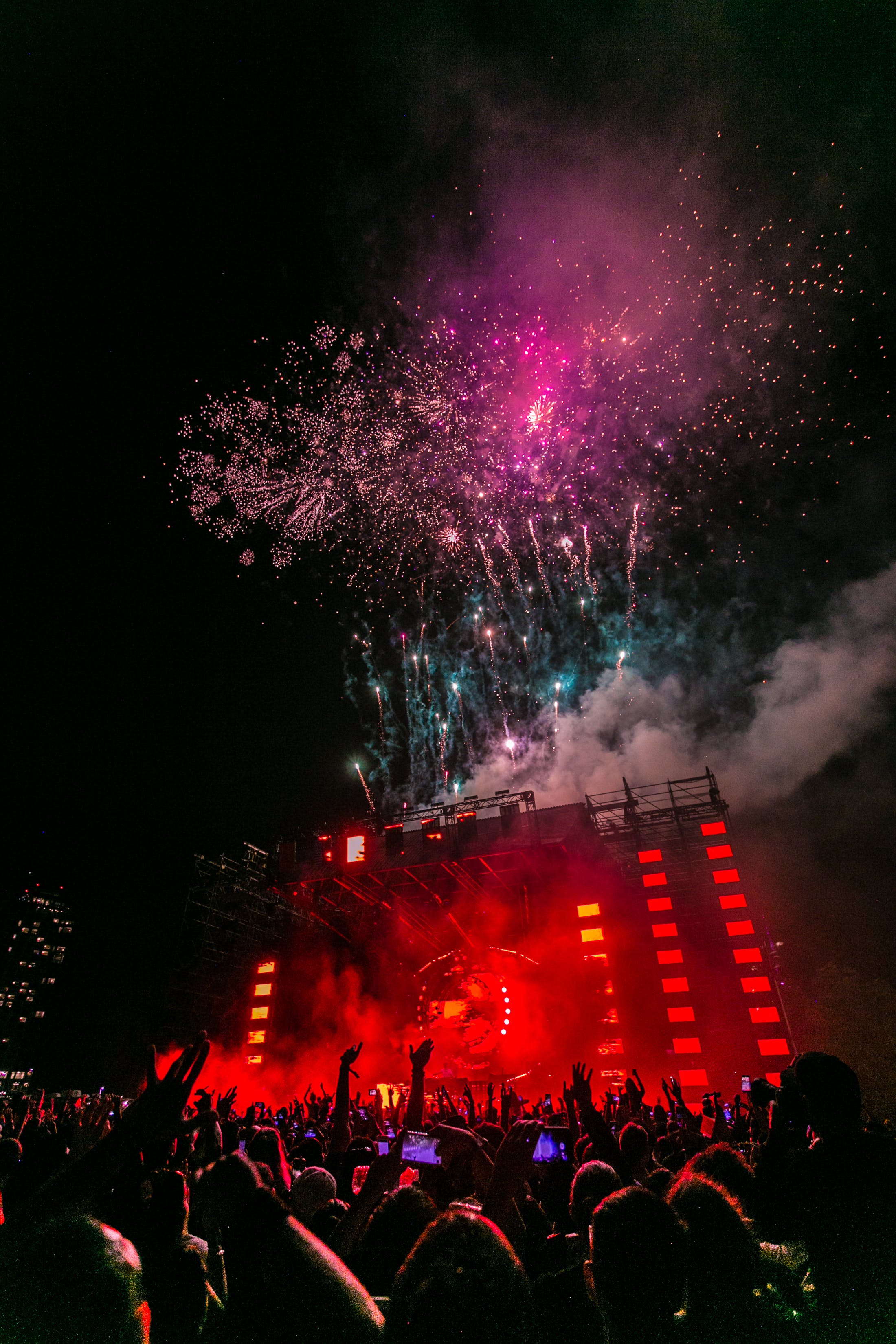
Delving deeper into the environments where event planners shine, on-site event planning stands out for its sheer dynamism and glamor. In this realm, planners are often seen navigating through elegant ballrooms, arranging exquisite table settings, and coordinating with high-profile vendors. Their presence is essential in ensuring that the event's vision comes to life, with each element reflecting the desired theme and exceeding client expectations. It's a world where precision meets panache.
On-site event planning requires a seamless blend of aesthetic sensibility and practical logistics. Event planners need to harmonize the visual components: like lighting, decor, and floral arrangements: with the functional aspects, such as crowd flow, acoustics, and catering services. Whether it's a star-studded Hollywood premiere, a sumptuous wedding, or a corporate gala, these professionals are the key to transforming spaces into scenes from a dream.
Behind the scenes, the glamorous facade is supported by tireless efforts. Event planners check and double-check each vendor delivery, ensure that the technical equipment functions flawlessly, and manage staff members who bring the event to fruition. They are the first to arrive and the last to leave, dedicated to perfecting the experience for guests and hosts alike. The on-site planner's role is multifaceted, requiring a balance of creative flair and meticulous attention to detail, proving that the glamor of an event is a product of hard work and passion.
Corporate Offices and Event Planning Firms

Stepping into the corporate sphere, the question of 'where do event planners work' reveals a more structured yet equally dynamic setting. Corporate offices and specialized event planning firms serve as nerve centers for orchestrating an array of business-related events. From within these professional confines, event planners strategize and execute conferences, seminars, product launches, and company celebrations.
These spaces are equipped with the tools and technology needed to manage events of varying scales and complexities. Desks are adorned with multiple monitors displaying floor plans, guest lists, and digital timelines. The hum of collaborative meetings fills the air as planners, marketing teams, and executives converge to align their visions and set objectives for each event. It's a place where logistics and creativity are married to produce seamless corporate functions that enhance brand reputation and facilitate networking.
In these offices, event planners also handle the intricate details of vendor contracts, budgeting, and compliance with industry standards. They are responsible for the entire lifecycle of an event, from the initial concept to post-event analysis. The work environment is fast-paced, with a focus on efficiency and excellence, reflecting the corporate world's demands. Planners in this setting must be adept at wearing multiple hats, capable of shifting from negotiators to designers, from budget managers to client liaisons, all within the course of a single project.
Navigating the Freelance Event Planner Lifestyle
For those who wonder 'where do event planners work' when it comes to the freelancing realm, the answer is as diverse as the planners themselves. Freelance event planners often embody the entrepreneurial spirit, carving out their personalized workspaces in various environments. They might plot out their next big event from the comfort of a home office, surrounded by fabric swatches and color palettes, or from a local coffee shop, where the buzz of activity fuels their creativity.
Freelance planners thrive on flexibility and often work on-the-go, utilizing technology to stay connected with clients, vendors, and venues. They may not have a fixed office location, but they create temporary workspaces at event sites, where they oversee everything from setup to takedown. Their car often doubles as a mobile office, stocked with emergency supplies, portable printers, and a well-worn laptop. This lifestyle demands exceptional organizational skills and a knack for adapting to various working conditions.
The freelance event planner lifestyle is characterized by a blend of independence and collaboration. Networking is crucial, as it opens doors to new opportunities and partnerships. Freelancers are their own bosses, setting their schedules, choosing their clients, and often juggling multiple projects simultaneously. They must be proactive in marketing their services, seeking out new leads, and maintaining a robust portfolio to showcase their work. This level of autonomy allows them to craft unique experiences for each client, tailoring their approach to meet specific event goals and themes.
The Rise of Co-Working Spaces for Event Professionals

The landscape of 'where do event planners work' is evolving with the rise of co-working spaces, which have become a hotbed for event professionals seeking collaboration and community. These shared spaces offer a dynamic and flexible work environment, ideal for event planners who require adaptability in their day-to-day activities. With amenities like high-speed internet, meeting rooms, and event spaces, co-working hubs are designed to cater to the diverse needs of those in the event planning industry.
Co-working spaces encourage networking and idea-sharing among like-minded professionals, which can be particularly beneficial for solo practitioners looking to expand their contact lists. The opportunity to bounce ideas off fellow event planners or to find potential collaborators for larger projects can be invaluable. Moreover, these spaces often host workshops, seminars, and social events, providing further learning and networking opportunities that are essential for staying current in a fast-paced field.
Another advantage of co-working spaces is the professional atmosphere they provide. Event planners can meet with clients in conference rooms that project a polished image, without the overhead of maintaining a private office. This setting can also stimulate productivity and creativity, as planners are surrounded by other professionals who are equally passionate about their work. For freelancers and small event planning firms, co-working spaces offer a cost-effective solution to the challenge of finding a suitable workspace that supports the diverse and mobile nature of their work.
Home Offices: The Event Planner's Personal Haven
For many event planners, their personal haven for productivity is none other than their home office. This workspace option caters to individuals who prefer a highly personalized work environment. Home offices allow event planners to design their space precisely to their work habits and aesthetic preferences, ensuring that creativity and efficiency are always at their peak. The comfort of working from home can often lead to increased productivity, as planners can work flexible hours without the need to commute.
Equipped with all the necessary technology and tools, from planning software to communication devices, the home office is a testament to the convenience and flexibility that modern event planners require. It also provides a secluded atmosphere for deep concentration, away from the hustle and bustle of external workspaces. This level of privacy is ideal for planners who handle sensitive client information or who simply need to work without interruptions.
Furthermore, a home office can be a cost-saving strategy for event professionals, especially those starting out or operating on a tight budget. Without the expenses associated with renting commercial space, planners can allocate more resources towards growing their business and enhancing their services. However, it is essential for those working from home to create a clear boundary between work and personal life to maintain a healthy work-life balance.
If you're an event planner looking to create your perfect workspace or seeking insights into the dynamic world of event planning, visit our website to learn more and get started today! Click here.