Which City is World-Famous for Its Film Festival?
Explore the city synonymous with cinema's most illustrious film festival. Discover the glamour, history, and cultural impact of the world-famous film festival of Cannes.
When one asks which city is famous for film festivals, the answer often leads to the sun-drenched shores of the French Riviera, where the city of Cannes has become synonymous with cinematic excellence. Each year, the Cannes Film Festival transforms this Mediterranean haven into a bustling epicenter of global film culture. A-list celebrities, filmmakers, and industry professionals converge, bringing an air of glamour and prestige that few other festivals can match.
The festival's origins date back to 1946, and over the decades, it has championed artistic expression, providing a platform for groundbreaking cinema. Here, prestigious awards like the Palme d'Or have launched careers and etched movies into the annals of film history. The festival's strict invitation-only policy ensures an exclusive showcase, elevating the profile of each film selected for the competition.
For anyone looking to immerse themselves in the heart of film festival culture, Cannes offers an experience unlike any other. Its impact on the industry and the city itself is palpable, with every hotel, café, and street corner buzzing with cinema talk during the festival season. Visit our website to learn more and get started today! Click here.
The Glamour and Prestige of Cannes Film Festival

The Cannes Film Festival is not just a showcase of cinematic genius but also an embodiment of the luxury and allure that many associate with the film industry. The festival's red carpet is a global spectacle, famed for its parade of haute couture and star-studded attendance. It's a place where fashion statements are made and the world's most renowned actors, directors, and producers exhibit the height of their elegance.
Every screening at the Palais des Festivals et des Congrès is an event in itself. As the stars ascend the iconic steps, cameras flash, capturing moments that will be immortalized in the annals of pop culture. Behind the scenes, exclusive parties and yacht gatherings contribute to the festival's reputation as a playground for the wealthy and famous, where deals are struck and collaborations are born.
Yet, the glamour and prestige of the Cannes Film Festival go beyond the surface glitz. It's about celebrating artistic achievement and recognizing the transformative power of storytelling. The festival's commitment to excellence is evident in its meticulous selection process, which honors films that push boundaries and spark global conversations. Cannes not only dazzles with its opulence but also commands respect for its role in shaping the cinematic landscape.
Historical Journey through Cannes Film Festival

Since its inception in 1946, the Cannes Film Festival has evolved considerably, transforming from a modest event into an international beacon of film culture. Conceived as a counter-event to the Venice Film Festival, which was perceived to be influenced by fascist governments at the time, Cannes sought to celebrate freedom of expression and the art of filmmaking without political interference.
Over the decades, the festival has borne witness to the debut of films that are now considered masterpieces. Classics such as La Dolce Vita by Federico Fellini and Pulp Fiction by Quentin Tarantino were first unveiled to the world on the screens of Cannes. These screenings not only launched the careers of many filmmakers but also shaped the tastes and trends of global cinema.
The festival's history is also marked by controversies and trailblazing moments. It was at Cannes where the world first grappled with the bold themes presented in films such as L'Avventura by Michelangelo Antonioni. The event has been postponed or cancelled only a few times in its history, notably during the events of 1968 when filmmakers led by Jean-Luc Godard and François Truffaut stood in solidarity with political protests, leading to the festival's premature closure that year.
As Cannes grew, so did its role in the industry. The festival became a hub for international co-productions, with its market, the Marché du Film, serving as a critical meeting point for the global film community. The historical journey of the Cannes Film Festival reflects the ever-changing landscape of cinema and continues to be a testament to the enduring allure of the silver screen.
Cultural Impact and Significance of Cannes

The Cannes Film Festival is not just a celebration of cinematic artistry; it is a symbol of cultural prestige and a barometer of global film trends. Its impact extends far beyond the screening rooms, influencing fashion, business, and even politics. The festival's red carpet is a global stage for haute couture, where designers showcase their most exquisite creations, and celebrities become the face of these fashion statements, setting trends that resonate worldwide.
Moreover, Cannes has historically been a platform for political and social commentary through film. It has screened works that provoke thought and inspire change, often triggering conversations on pressing issues like human rights, environmental concerns, and social justice. The festival's ability to spotlight such films amplifies their message, making Cannes a beacon for raising awareness and prompting action.
The significance of Cannes also lies in its role as an economic stimulant. The festival boosts the local economy, attracting thousands of visitors, including industry professionals, journalists, and enthusiasts. It also serves as a marketplace where deals are made, scripts are sold, and partnerships are forged, shaping the future of film production and distribution.
On a broader scale, Cannes represents the internationalization of film. It brings together artists from all corners of the globe, facilitating cross-cultural exchange and collaboration. This melting pot of creativity fosters a unique environment where diverse storytelling thrives, enriching the cinematic experience for audiences everywhere.
Exploring the Cannes Film Festival Experience
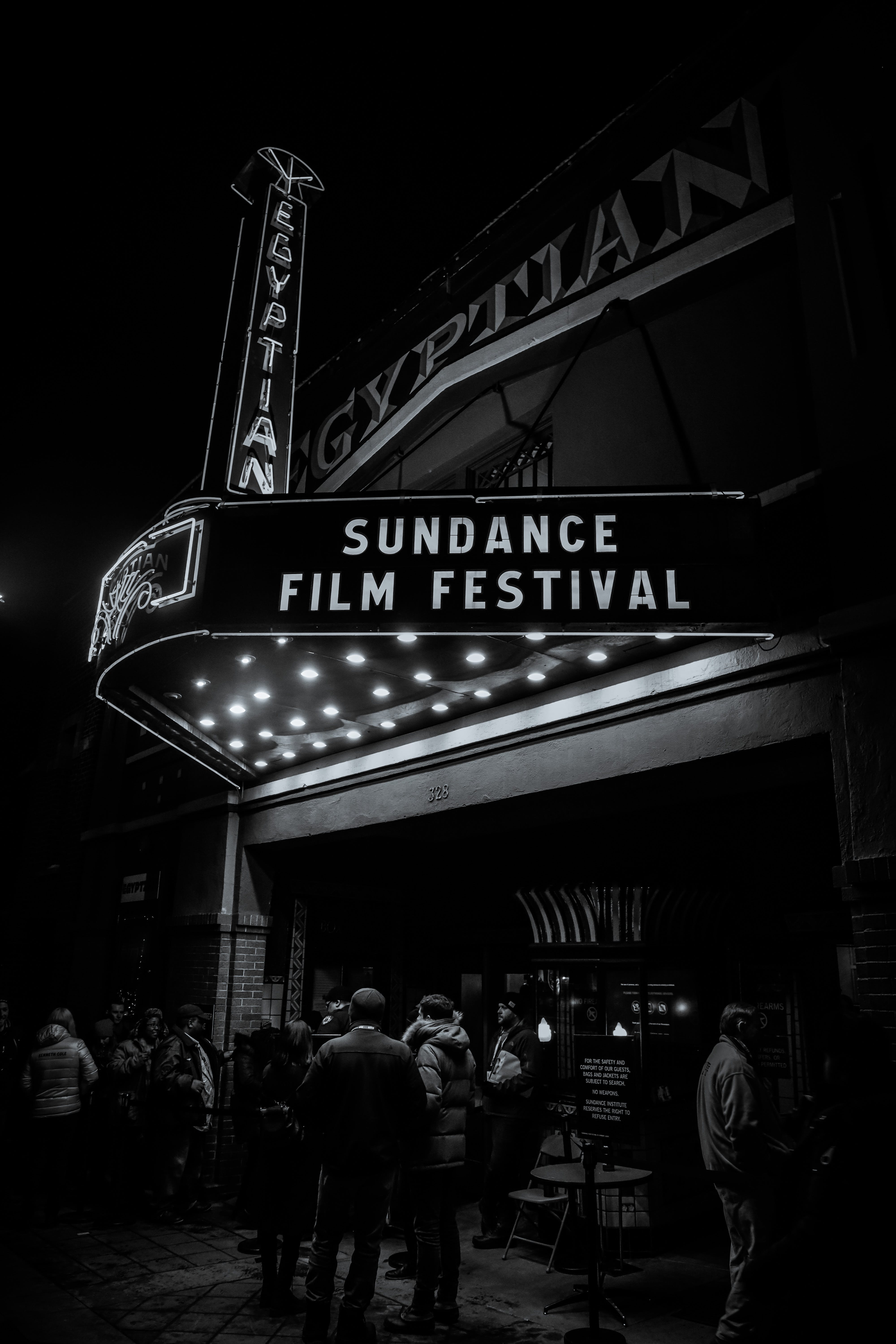
Attending the Cannes Film Festival is an experience like no other, combining the allure of the French Riviera with the glamour of the silver screen. For filmmakers and film enthusiasts alike, it is an opportunity to immerse themselves in a world of premieres, parties, and unparalleled networking opportunities. The festival's atmosphere is electric, with the buzz of deal-making, the anticipation of awards, and the excitement of discovering groundbreaking works of cinema.
Every year, the festival's program presents a carefully curated selection of films competing for the prestigious Palme d'Or. Attendees have the chance to witness first-hand the latest and greatest in international cinema, often including films that challenge conventions and push the boundaries of storytelling. Beyond the competition, the festival offers a diverse array of screenings, including out-of-competition features, special screenings, and retrospectives celebrating the history of film.
The experience extends beyond the theaters, as the city of Cannes transforms into a hub for industry events. Workshops, panels, and roundtable discussions provide insights into the filmmaking process, while the Marché du Film, one of the world's biggest film markets, is a hotspot for industry professionals looking to buy, sell, and discover new talent.
For those seeking the social side of Cannes, the festival is renowned for its lavish parties and galas, many hosted by major studios and fashion houses. These exclusive events are often set against the stunning backdrop of the Mediterranean, offering a taste of luxury and a chance to rub shoulders with the who's who of the film world.
Future of Film Festivals: Cannes' Continuing Legacy
As the cinematic landscape evolves, so too does the role of film festivals, with the Cannes Film Festival leading the charge in shaping the future of global cinema. Cannes has continually adapted to industry changes while maintaining its prestigious status, setting trends in film curation, distribution, and consumption. The festival's commitment to innovation is evident in its embrace of new technologies and storytelling mediums, including virtual reality and streaming platforms, ensuring it remains relevant in an ever-changing digital age.
The festival's ability to attract top talent and premieres signals that even as distribution models shift, the allure of a Cannes debut remains undeniable. Moreover, the festival's proactive stance on issues such as diversity and inclusion heralds a more equitable future for the film industry, making it a pacesetter for other festivals around the world.
With its rich history and ongoing influence, the Cannes Film Festival stands as a testament to the enduring power of cinematic art. It's a beacon for film lovers and professionals, a place where the past and future of film converge, and where the art of cinema is celebrated in all its forms.
For those inspired by Cannes' illustrious heritage and excited about its future, Hollywood Dynamics is the ideal platform to explore more stories and talents shaping this vibrant city. Visit our website to learn more and get started today! Click here.