Why Music Festivals Are Terrible: A Candid Take
Explore the controversial perspective on why music festivals might not be the utopian experiences they're touted as, and the downsides that attendees often overlook.
While the allure of music festivals is undeniable, the reality for many can be a far cry from the idyllic escapades often advertised. The excitement of seeing favorite bands and discovering new music is frequently overshadowed by a myriad of less-than-glamorous experiences. The notion that music festivals are terrible stems from the harsh conditions many attendees face, such as overcrowded venues leading to long waits for everything from entry to restrooms. Additionally, the physical discomforts of extreme weather conditions, insufficient hydration, and inadequate food options can turn what should be a musical paradise into a survival challenge.
Beyond the physical toll, there's the financial burden. High ticket prices, along with the costs of travel, accommodation, and festival amenities, can make these events prohibitively expensive. This commercialization has led some to question the true spirit and inclusivity of these gatherings. For those deeply invested in the festival scene, disillusionment can set in as the pursuit of profit seems to overshadow the communal and artistic values that once defined the festival ethos.
For a deeper exploration of the complexities surrounding festival culture and the candid stories that often go untold, Visit our website to learn more and get started today! Click here.
Navigating the Crowds: The Overwhelming Festival Experience

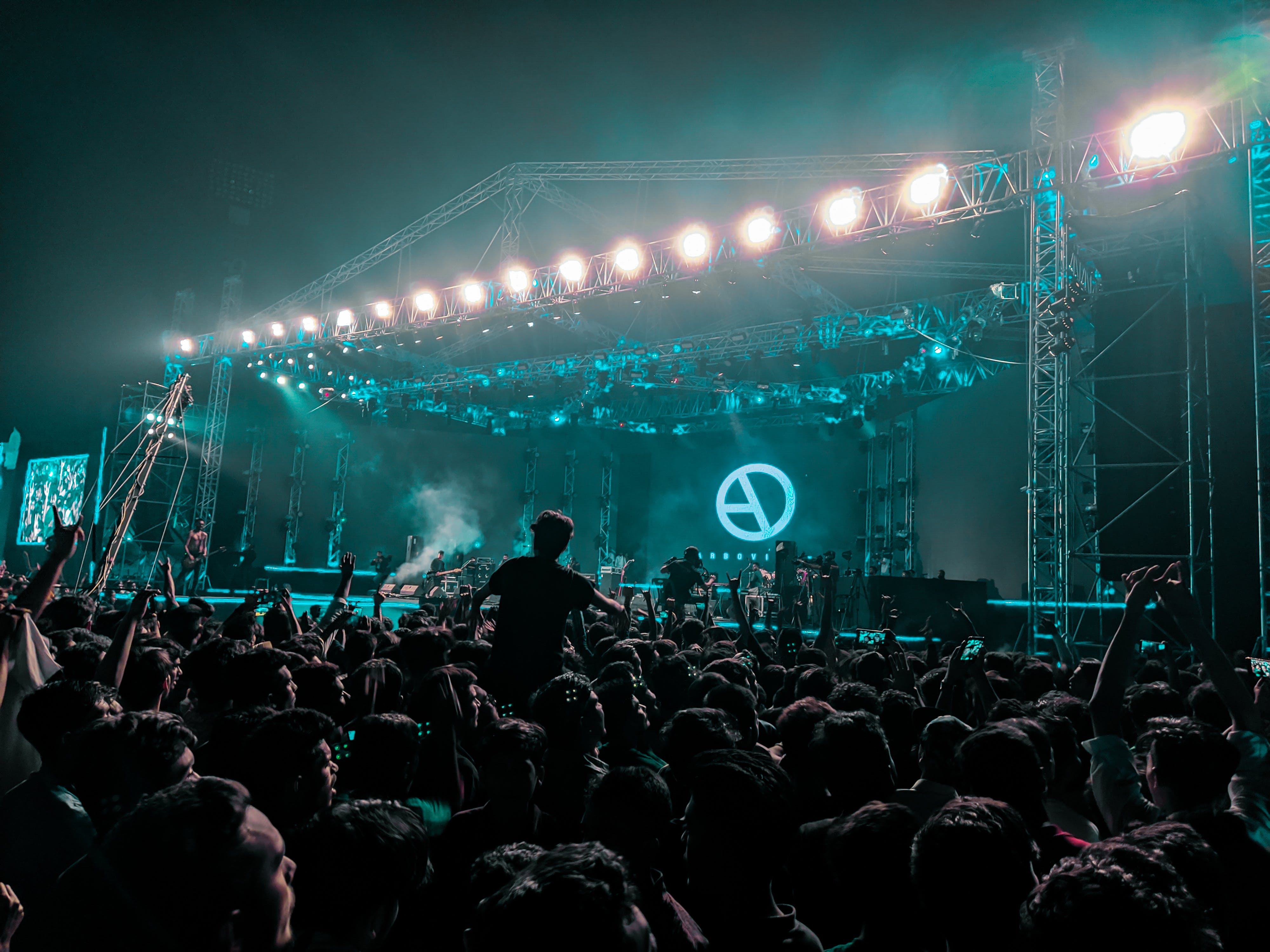
One of the most daunting aspects of attending a music festival is the sheer number of people. The vision of dancing freely to live music is often replaced with the reality of being squeezed into tight spaces, where personal space is a luxury. Overcrowding not only detracts from the enjoyment of the music but also raises serious safety concerns. The masses can make it difficult to navigate to different stages, find friends, or even get a clear view of the performers.
The pressure of overcrowding is exacerbated during peak performances, where festival-goers can find themselves trapped in a sea of bodies for hours. This congestion can lead to heightened anxiety and stress, leaving attendees feeling exhausted rather than exhilarated. The strain of being amidst a large, tightly packed crowd can also hinder the ability to appreciate the nuances of the music, as the acoustics are often compromised by the chatter and noise of the surrounding throng.
Moreover, the overcrowding issue doesn't end with the performances. It extends to basic amenities as well, with long lines for food, drinks, and even bathrooms becoming a source of frustration. In extreme cases, the overwhelming number of attendees can lead to logistical nightmares, causing delays, cancellations, and in some instances, dangerous situations due to crowd surges or bottlenecks. It's a stark contrast to the carefree festival image that promoters often sell, and a major reason why some argue that music festivals are terrible.
The High Cost of Good Vibes: Music Festivals Financial Burden
Attending a music festival comes with a hefty price tag, a reality that often gets glossed over amidst the excitement of live performances and the promise of an unforgettable experience. The financial burden begins with the cost of tickets, which can run into hundreds, if not thousands of dollars, especially for high-profile events. But the expenses don't stop at the admission fee. Travel costs, accommodation, and parking can quickly add up, making the trip to the festival grounds a significant investment.
Once inside the festival, attendees are met with inflated prices for food, drinks, and merchandise. A basic meal or a bottle of water can be exorbitantly priced, compelling festival-goers to either shell out more cash or endure long periods without proper hydration or nourishment. This aspect of the festival experience is not only a financial strain but can also impact the overall well-being of attendees.
For many, the allure of music festivals is also tied to the fashion and culture, which comes with its own costs. The desire to fit in with the festival aesthetic often leads to additional spending on clothing and accessories. When tallied up, the cost of embodying the 'festival look' and participating in the event can make attending a music festival a privilege that is inaccessible to many. This exclusivity stands in stark contrast to the inclusive and communal spirit that these festivals purport to promote, further fueling the argument that music festivals are terrible in terms of financial inclusivity.
Festival Follies: The Environmental Impact and Waste
While music festivals are often celebrated for their vibrant atmosphere and cultural significance, they cast a long shadow on the environment. The aftermath of such events is usually marked by a sea of trash, with plastic bottles, food waste, and abandoned camping gear littering the grounds. The environmental impact extends beyond just the visible waste; the carbon footprint of festivals is monumental. This includes emissions from travel to and from the event, energy consumption for stage production and lighting, and the use of generators that often run on fossil fuels.
Moreover, the strain on local ecosystems can be severe. The influx of festival-goers can lead to soil compaction, vegetation damage, and disruption to local wildlife. Waste management at these large-scale events is often inadequate, resulting in improper disposal and potential pollution of nearby land and water bodies.
Despite efforts by some organizers to mitigate these issues through recycling programs, use of renewable energy, and water conservation measures, the reality remains that a significant environmental cost is associated with these gatherings. The temporary nature of festivals means that such measures can only go so far in addressing the long-term impact. Consequently, the narrative that music festivals are terrible for the environment gains substantial credence, challenging the industry to reconsider its practices and for attendees to question the true price of their revelry.
Beyond the Lineup: The Diminished Music Appreciation
At the heart of any music festival is the promise of immersing oneself in a sonic journey, surrounded by fellow aficionados. However, the reality often deviates from this idealized picture. Packed schedules and overlapping sets force attendees to shuffle between stages, experiencing only fragments of performances. The result is a superficial engagement with the music, where quantity trumps quality, and the depth of appreciation is compromised.
The festival environment itself can also detract from the musical experience. Crowded fields, long lines for amenities, and the distractions of socializing can all diminish one's focus on the music. The prevalence of smartphone usage, with the incessant need to document every moment, means that many are viewing performances through their screens rather than being present in the moment. This behavior not only affects individual experience but also the collective atmosphere, creating a ripple effect of disengagement.
An unsettling trend seen at these festivals is the commodification of music. Headliners and big-name artists draw the crowds, while up-and-coming or less mainstream acts are relegated to the periphery, sometimes playing to sparse audiences. This hierarchy within the lineup often reflects a broader cultural shift away from music as an art form to be deeply appreciated, to music as a mere backdrop to the overall festival 'experience'. It is in this context that critics argue why music festivals are terrible for fostering a genuine connection with music, urging true lovers of the art to seek more intimate and focused settings where the music takes center stage.
A Call for Change: Rethinking the Music Festival Culture
The crescendo of voices lamenting why music festivals are terrible is not just a passing critique but a call for a fundamental change in the festival culture. As the chorus grows louder, it beckons festival organizers, artists, and attendees to reevaluate what is truly valuable in these gatherings. It's a push towards a culture that prioritizes the art and the communal experience of music over commercial success and social media clout.
To initiate this shift, festivals could limit ticket sales to ensure a more intimate setting, allowing for a better connection between the artist and audience. Sound quality and acoustics, often compromised in outdoor settings, must be given due attention to enhance the auditory experience. Furthermore, scheduling should be designed to minimize overlaps and give each performance its due time and space. This would encourage a deeper engagement with the music, rather than the current trend of hopping from one act to another.
For those who resonate with these sentiments, the power of choice remains the strongest tool. Opting for smaller, more music-centric festivals, or supporting local venues hosting independent artists, can make a significant statement. As consumers, festival-goers have the capacity to shift the landscape by supporting events that align with these values.
If you share this vision for a transformed music festival experience, where appreciation and artistry reign supreme, join our discourse at Hollywood Dynamics. Visit our website to learn more and get started today! Be part of the movement that champions quality over quantity, and experience over exposure. Click here to dive deeper into the unique LA stories and talent that echo this call for change.