Basics Of Sound Design For Film
This article will discuss the basics of sound design for film, from what to listen for to where to get equipment and how to work the audio mixer on a film set. It’s helpful, but not comprehensive.
For more information on sound design, I recommend you read the movie sound mixer Sam Lea, who explains how the job is really done in his book Sound Effect, which also includes details on setting up a sound mixer, working with actors, a tour of the work, and more.
I highly recommend reading it.
To me, sound design is so much more than creating sounds. It’s about the experience of listening to something: the feeling of wonder, the emotion, the heartbreak.
It’s the difference between silence and music. It’s the first line of dialogue from Alfred Hitchcock’s Spellbound. It’s the history of silent movies, right down to the way the talkies were made, or the story behind choosing the highest quality sound on a movie set for the finished film.
It’s the difference between theme music that’s unpretentious and emotional and themes that are designed to have a specific emotional impact. Sound design is an art. It’s unique to every story, every moment, and it impacts every viewer in a way that nothing else can.
I’ll cover some basics in this article and take you on a journey of understanding. It’s an exciting and not-so-exciting one, since it will take you from normal movies to the world of movie-making, sound design, editing, and mixing, but I believe you’ll find it a useful journey.
Background

Most of us know a basic “aural palette”: we know what sounds we like and what sounds we don’t. But we’re usually more curious to know why we like the sound that we do and not the other ones.
We might like a voice with a velvety accent, but dislike a voice with a buzzing or cracking sound. But what’s the difference? Or do they both sound the same? What does it take to make a “beautiful” sound, or a “nasty” one?
We have a different sort of palette for music. First, it’s relatively easy to understand: you hear it and think of a particular instrument (or instruments) that you associate with it.
You can assign each note a color: just imagine that a “Key of C” corresponds to A4, D4 is D3, etc.-and that helps us associate them with certain chords or notes on a particular keyboard.
It’s the kind of palette that we might use to create a melody for a song.
But to create an Aural Palette for a film, it’s not so straightforward. You can think of the movie soundtrack as a song.
And like music, the sound can be composed or simulated, or it can just be the dialogue. But the one thing that a good movie soundtrack will have in common is that the sound design can be more like an interesting instrument: a sound that goes well with the movie, but won’t take over the movie.
In other words, the movie soundtrack needs to provide an Aural Palette to a movie, but the sound needs to play a role in the overall sound design, but not be the main focus.
Sound is what makes a movie a movie. Sound needs to make you wonder and feel, but it shouldn’t overplay its hand.
How sound designers create an aural palette

As I mentioned before, most of us know that movie sound is made up of a few “ingredients,” the most important being dialogue.
It’s been said that people say “talkies” instead of “silent movies” because there’s more to talk than silence: there’s intonation, expression, and emotion.
Dialogue is not only what we hear in the movie. It’s what we feel.
So it’s a good thing that sound designers do a good job at making the dialogue sound like a voice, like a person, and not a computer. You can make the voice more masculine, more feminine, more menacing, more excited, or any other kind of voice, but the end result has to sound like a person.
A good example of that was the voice of Samuel L. Jackson in Pulp Fiction.
But the dialogue isn’t the only ingredient to a sound. There are other sound elements that make up the atmosphere, and in turn, affect the emotional impact of the sound.
To explain how, let’s look at the famous “chestburster” scene from Alien.
When the monster bursts out of the chest of the young David (Tom Skerritt) during the film’s climactic scene, we hear a special sound: the mother being eaten by the monster creates a sickening, squishy sound.
So that moment is a combination of a special sound effect and the way the sound design combines with the special sound effect to create a visual impression that would otherwise be tough to achieve with other sounds.
Two recent examples of that would be in Wolf of Wall Street and American Hustle.
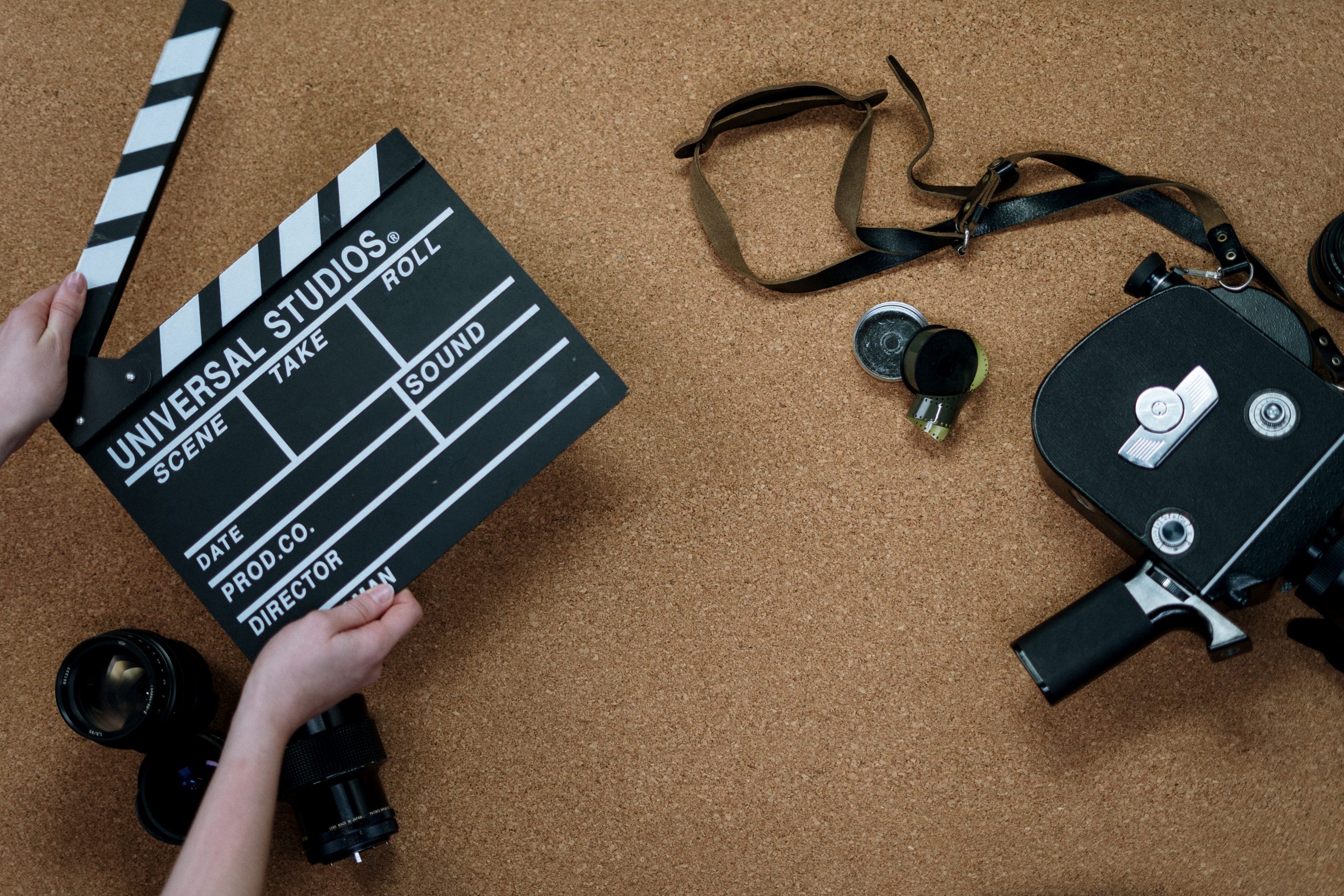
In both of those films, we hear Vince Vaughn saying some pretty nasty things: usually while rambling about women, sex, or power: and then, after a few minutes, a more appropriate sound would have been needed to soften the tone.
What’s going on with that sound change? Well, there’s a phrase that goes: “the silence is the sound.” In the scene above, Vaughn’s “mother” could have been, say, a piece of music, played at a loud volume, or perhaps some authentic screeching from a broken flute or a cobblestone, or the shriek of a banana peel left in the snow.
Instead, that is not the sound that we hear. What we hear is Vaughn being degraded.
That’s what a lot of people heard: and, really, it is a soft, gut-wrenching experience. But when you look at it like that, it’s a sound designer’s job to create an atmosphere and then manipulate that atmosphere so that it becomes an interesting audio palate.