Discover the African Country with the Best Entertainment Industry!
Explore which African country leads the entertainment industry, highlighting key trends, talents, and cultural impacts on the global stage.
The African entertainment industry is a vibrant tapestry of culture, creativity, and innovation that is rapidly gaining global recognition. From music to film and beyond, Africa showcases a diverse array of talents that reflect its rich heritage and contemporary influences. In recent years, several trends have emerged, shaping the landscape of entertainment across the continent. These trends not only highlight the local narratives but also resonate with international audiences.
One of the most significant trends is the rise of streaming platforms, which have transformed how content is consumed. With increased access to the internet, Africans are now able to produce and distribute films and music independently, reaching audiences far beyond their borders. This shift has empowered local artists, allowing them to maintain creative control while also tapping into lucrative global markets.
Additionally, the integration of traditional African elements into modern storytelling is gaining traction. Filmmakers and musicians are increasingly using indigenous languages, folklore, and cultural motifs, which not only enrich their work but also promote cultural preservation. This blend of the old and new has captured the interest of a worldwide audience, making African entertainment a powerful force on the global stage.
As we delve deeper into the various sectors of this dynamic industry, it's essential to recognize the pivotal role that these trends play in shaping the future of African entertainment. Visit our website to learn more and get started today! Click here.
Top African Countries Dominating Entertainment Scene
African countries are making remarkable strides in the entertainment sector, each contributing its unique flair and creativity. Among these nations, a few stand out as powerhouses that are significantly shaping the continent's entertainment landscape.
- Nigeria: Often celebrated as the heart of Africa's entertainment industry, Nigeria is home to Nollywood, one of the largest film industries in the world. With its prolific output, Nollywood films are characterized by their engaging storytelling and relatable themes, often reflecting the lives and challenges of everyday Nigerians. The music scene, led by Afrobeats, has also gained immense popularity, with artists like Burna Boy and Wizkid making waves internationally.
- South Africa: Known for its rich cultural diversity, South Africa boasts a thriving entertainment sector that includes film, music, and live performances. The country has produced critically acclaimed films such as “Tsotsi” and “The Wound,” and its music scene ranges from traditional genres to contemporary styles like Kwaito and House music. Events like the Cape Town International Jazz Festival further highlight the country's vibrant arts culture.
- Kenya: With a burgeoning film industry, Kenya is emerging as a significant player in African entertainment. The country is known for its unique storytelling style, which often incorporates local languages and dialects. The annual Kalasha International Film and Television Awards celebrates local talent, while artists like Sauti Sol and Nyashinski are gaining recognition across the continent.
- Ghana: Ghana's entertainment industry, particularly in music and film, has seen a resurgence in recent years. The Ghanaian film industry is known for its engaging narratives and has produced numerous popular series and films. Meanwhile, the Hiplife genre of music, which fuses traditional Ghanaian sounds with hip-hop, has gained traction both locally and internationally.
These countries are not just leading the way in entertainment; they are also setting trends and establishing cultural dialogues that resonate with audiences worldwide. The rise of local content production in these nations signifies a growing confidence in African narratives, which are now being celebrated on global platforms.
Key Elements Defining a Successful Entertainment Industry

The success of an entertainment industry within an African country hinges on several critical elements that together create a thriving ecosystem. Understanding these key components can illuminate why certain nations excel while others face challenges in scaling their entertainment sectors.
- Diverse Talent Pool: A successful entertainment industry is often characterized by a rich diversity of talent. This includes not only actors and musicians but also writers, directors, producers, and behind-the-scenes professionals. Countries that nurture local talent through training programs and educational institutions are better positioned to produce high-quality content that resonates with audiences.
- Supportive Government Policies: Government support plays a pivotal role in the growth of the entertainment sector. This can manifest in the form of funding for film projects, tax incentives for production companies, or the establishment of cultural institutions. Countries that prioritize and invest in their creative industries often see a more robust entertainment scene.
- Access to Technology: In today's digital age, access to technology is imperative for any entertainment industry looking to succeed. This includes not only state-of-the-art filming equipment but also digital platforms for distribution and marketing. Countries that embrace technological advancements can reach broader audiences and compete on a global scale.
- Cultural Resonance: Content that reflects the cultural identity and experiences of its audience tends to be more successful. When stories resonate with local and global viewers, they foster a sense of community and connection. The ability to weave cultural narratives into mainstream entertainment allows for greater engagement and appreciation.
- International Collaborations: Building partnerships with international entities can significantly enhance a country's entertainment industry. Collaborations can lead to knowledge exchange, increased funding, and access to larger markets. This networking not only elevates local talent but also opens doors to new opportunities for growth.
By focusing on these key elements, African countries can not only enhance their entertainment sectors but also position themselves as formidable players on the global stage.
Influential Talents Shaping African Entertainment
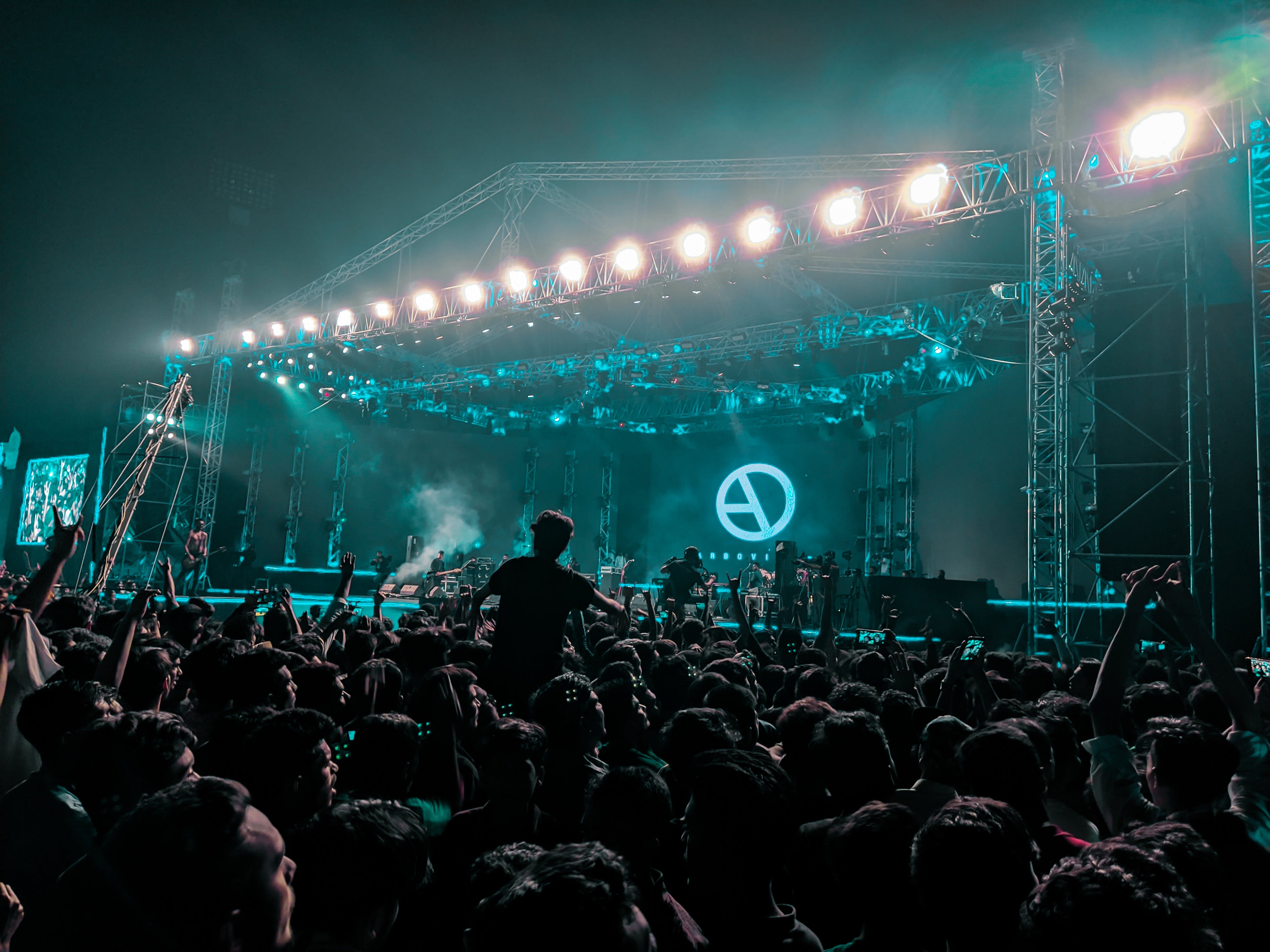
The African entertainment landscape is rich with diverse and influential talents who are not only reshaping their local industries but are also making a significant impact on the global stage. These artists, filmmakers, musicians, and creators are instrumental in propelling African narratives into the spotlight and redefining perceptions of African culture worldwide.
- Film Directors and Producers: Visionary directors like Wanlov the Kubolor and Ousmane Sembène have been pivotal in placing African cinema on the global map. Their works often explore complex social issues while showcasing the unique storytelling traditions of their countries. This has inspired a new generation of filmmakers to pursue authentic narratives that resonate both locally and internationally.
- Musical Icons: The influence of African musicians is undeniable. Artists like Burna Boy, Wizkid, and Angelique Kidjo have transcended borders, bringing Afrobeats and traditional sounds to mainstream global music. Their ability to fuse various genres while staying true to their roots has garnered them international acclaim and a dedicated fan base.
- Actors and Actresses: The rise of actors like Lupita Nyong'o and Idris Elba exemplifies the global reach of African talent. Their performances in both Hollywood and African cinema have brought attention to the depth and versatility of African actors, inspiring many aspiring performers across the continent.
- Writers and Authors: Writers such as Chimamanda Ngozi Adichie and Ngũgĩ wa Thiong'o have shaped the literary landscape, influencing the portrayal of African stories across various media. Their works often challenge stereotypes and provide a nuanced view of African life, enriching the entertainment industry with powerful narratives.
- Fashion Designers: The influence of African fashion is also notable, with designers like David Tlale and Lisa Folawiyo making waves in international fashion circles. Their unique styles and cultural inspirations have not only redefined contemporary fashion trends but have also brought African aesthetics to a global audience.
These influential talents are not just entertainers; they are cultural ambassadors who continue to shape the narrative of African entertainment, paving the way for future generations to thrive.
Impact of Technology on African Entertainment Growth

In recent years, technology has played a transformative role in the growth of the African entertainment industry. With advancements in digital media, streaming platforms, and social media, the way content is created, distributed, and consumed has undergone a radical shift, opening new avenues for both artists and audiences.
- Streaming Services: Platforms like Netflix, Showmax, and Amazon Prime Video have entered the African market, providing local filmmakers and content creators with a global stage. This access has empowered them to produce high-quality content that showcases authentic African stories to a worldwide audience, increasing visibility and opportunities for collaboration.
- Social Media Influence: Social media platforms such as Instagram, Twitter, and TikTok have become vital tools for artists to promote their work and engage with fans. These platforms allow for real-time interaction, enabling creators to build a loyal following and receive instant feedback. Additionally, viral trends on these platforms can significantly boost the popularity of songs, movies, and other forms of entertainment.
- Digital Production Tools: The availability of affordable digital production tools has democratized content creation, allowing aspiring filmmakers, musicians, and artists to produce high-quality work without the need for significant financial backing. This has led to a surge in independent projects that showcase diverse stories, further enriching the African entertainment landscape.
- Mobile Technology: With mobile phones becoming increasingly accessible across the continent, mobile streaming has gained popularity. This trend allows consumers to access entertainment content anytime and anywhere, catering to the on-the-go lifestyle of many Africans. Additionally, mobile apps have emerged that focus on local music and film, further promoting regional talent.
- Collaboration and Networking: Technology has also facilitated greater collaboration among African creatives and global partners. Virtual meetings and online networking platforms allow for the sharing of ideas and resources, fostering a sense of community and collaboration that transcends borders.
The impact of technology on the African entertainment industry is profound, enabling unprecedented growth and innovation. As these technological advancements continue to evolve, they promise to further reshape the entertainment landscape, making it more vibrant and diverse.
Future Prospects for African Entertainment Industry
The future of the African entertainment industry looks incredibly promising, fueled by a combination of technological advancements, increasing global interest, and the rich cultural tapestry that the continent offers. As more African artists gain recognition on international stages, the potential for growth and innovation is boundless.
- Increased Investment: As the demand for African content rises, both local and international investors are likely to pour more resources into the industry. This influx of capital can lead to better production quality, more diverse storytelling, and the emergence of new talent.
- Expansion of Streaming Platforms: With the ongoing growth of streaming services, there will likely be an increase in platforms specifically catering to African content. This will not only provide more opportunities for local creators but also help in preserving and promoting indigenous cultures through storytelling.
- Global Collaborations: As African talent becomes more recognized, expect to see more collaborations between African artists and their international counterparts. These partnerships can lead to cross-cultural projects that resonate with a broader audience, further elevating African entertainment.
- Emphasis on Local Stories: There’s a growing appreciation for authentic narratives that reflect the unique experiences of African communities. Future projects are likely to prioritize local stories, contributing to a more nuanced and diverse representation of African life.
- Technological Integration: The integration of advanced technologies, such as virtual reality (VR) and augmented reality (AR), may revolutionize the way content is created and consumed in Africa. This could lead to immersive experiences that engage audiences in unprecedented ways.
As we look ahead, the African entertainment industry stands on the brink of a major transformation, driven by creativity, technology, and a strong desire to tell authentic stories. Visit our website to learn more and get started today! Click here.