How AI is Impacting the Entertainment Industry Today!
Explore how AI is reshaping the entertainment industry, influencing content creation, viewer engagement, and production processes in today's landscape.
The integration of artificial intelligence into the entertainment industry has become a pivotal trend that is reshaping how content is created, distributed, and consumed. From scriptwriting to post-production, AI technologies are revolutionizing traditional processes, making them more efficient and innovative.
One of the most exciting aspects of this transformation is the ability of AI to analyze vast amounts of data to predict audience preferences. By utilizing algorithms that learn from viewer behaviors, production companies can tailor their offerings to meet the demands of their target demographics. This data-driven approach not only enhances viewer engagement but also optimizes marketing strategies, ensuring that films and shows resonate with audiences.
Moreover, AI tools are streamlining production processes. For instance, AI-driven software can assist in editing, sound design, and even visual effects, significantly reducing the time and cost associated with film production. Additionally, machine learning models can generate realistic CGI characters, allowing filmmakers to push the boundaries of creativity.
As we delve deeper into this topic, it becomes clear that understanding how AI is impacting the entertainment industry is essential for anyone looking to stay ahead in this rapidly evolving landscape. Visit our website to learn more and get started today! Click here.
Transforming Content Creation with AI Technology
AI technology is fundamentally transforming the way content is created within the entertainment industry. By harnessing the power of machine learning and natural language processing, creators can generate scripts, storylines, and even entire screenplays with unprecedented ease and efficiency.
For instance, AI-powered tools can analyze numerous scripts and films to identify successful plot structures and character arcs. This data-driven approach allows writers to craft stories that resonate more deeply with audiences. Tools like OpenAI's GPT have been utilized to assist in brainstorming creative ideas, enabling writers to explore new narratives that they may not have considered otherwise.
Additionally, AI can help with the editing process by suggesting changes to dialogue or pacing, ensuring that the final product is polished and engaging. By automating repetitive tasks, such as proofreading and formatting, creators can focus on the more critical elements of storytelling and character development.
Moreover, AI technology is enhancing the visual aspect of content creation. Techniques such as generative adversarial networks (GANs) allow for the creation of high-quality visuals and animations, thus expanding the creative possibilities for filmmakers and animators. This means that even independent creators can produce visually stunning content without the need for large budgets.
As AI continues to evolve, its impact on content creation will only deepen, paving the way for innovative storytelling methods that leverage technology in exciting new ways.
Enhancing Viewer Experience through AI Innovations

The integration of AI innovations is significantly enhancing viewer experience in the entertainment industry, transforming how audiences consume and interact with content. One of the most notable advancements is the use of AI algorithms to personalize viewing recommendations. Streaming platforms like Netflix and Amazon Prime Video leverage machine learning to analyze user behavior, preferences, and viewing history, delivering tailored content suggestions that keep viewers engaged.
Moreover, AI-driven analytics provide insights into viewer engagement metrics, allowing content creators to refine their offerings. By understanding what captivates audiences, producers can create more relevant content that aligns with viewer expectations.
Another exciting development is the rise of interactive storytelling, where AI plays a pivotal role in crafting personalized narratives. Projects like Bandersnatch, part of the Black Mirror series, illustrate how viewers can influence plot outcomes through their choices, creating a more immersive experience. This level of interactivity not only enhances engagement but also makes viewers feel more connected to the story.
Additionally, AI is employed in virtual and augmented reality experiences, offering audiences new dimensions of interaction. By combining traditional storytelling with cutting-edge technology, creators can produce compelling environments that allow viewers to experience narratives in multi-sensory ways.
As AI continues to advance, its role in enhancing the viewer experience will evolve, leading to even more innovative ways for audiences to engage with their favorite films, shows, and interactive narratives.
Streamlining Production Processes with AI Tools
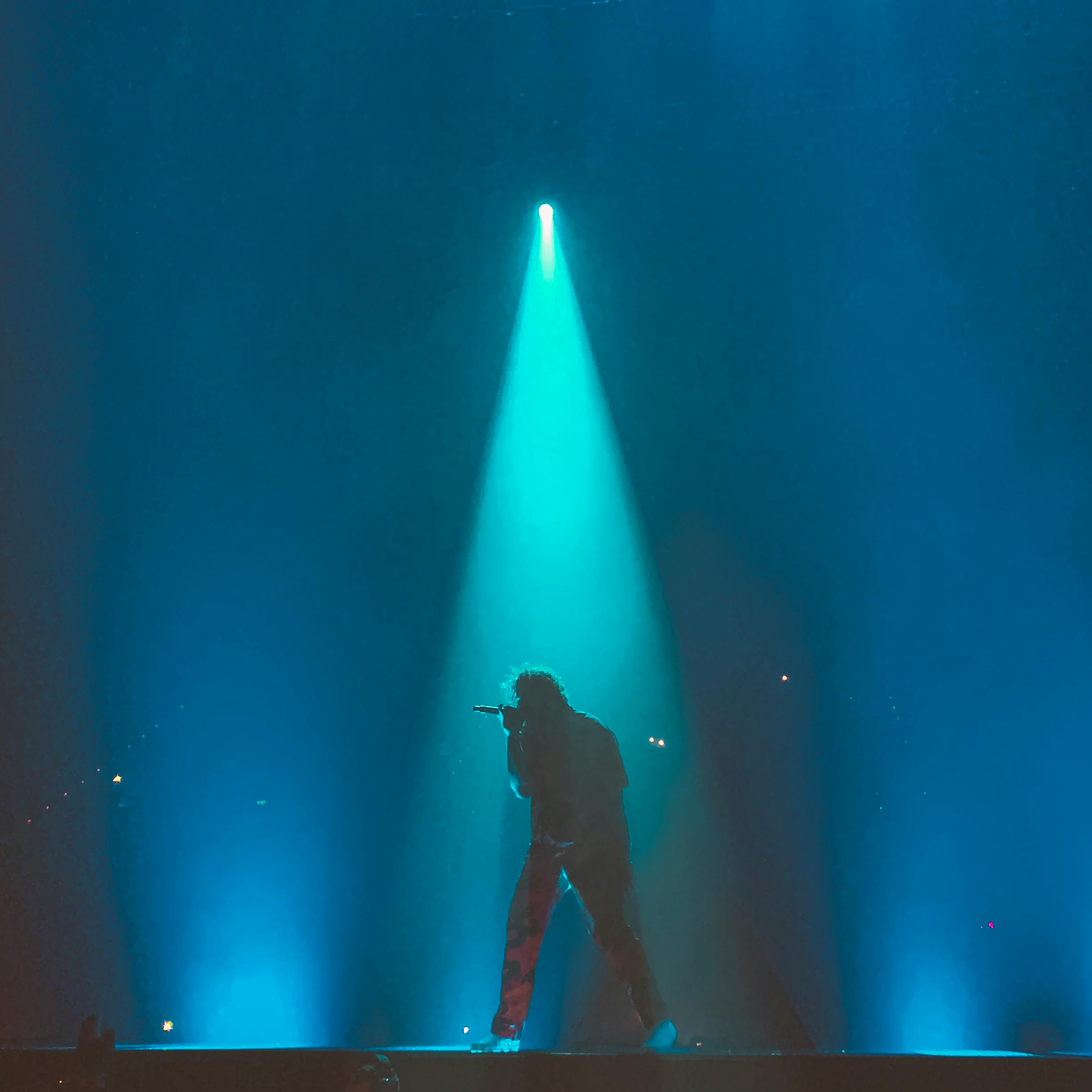
In the fast-paced world of entertainment, efficiency is key, and AI tools are revolutionizing production processes across the board. From pre-production to post-production, the integration of artificial intelligence is streamlining workflows, reducing costs, and enhancing overall productivity.
In the pre-production phase, AI can assist with script analysis, helping writers identify potential plot holes or pacing issues. By utilizing natural language processing, AI tools can analyze countless scripts to highlight successful narratives and character arcs, enabling writers to hone their craft before shooting even begins.
During the casting process, AI algorithms can analyze actors’ previous performances, audience reception, and social media presence to recommend the best candidates for roles. This data-driven approach not only saves time but also ensures that casting directors make informed decisions that resonate with audiences.
Once filming commences, AI can optimize camera setups and lighting configurations, reducing the time spent on technical adjustments. Advanced computer vision technologies can monitor shot compositions and suggest real-time adjustments, ensuring that directors and cinematographers capture the best visuals efficiently.
In post-production, AI tools play a crucial role in video editing and visual effects. Machine learning algorithms can analyze video footage to automate tasks such as color correction, sound editing, and even special effects, allowing editors to focus on the creative aspects of storytelling. Furthermore, AI can assist in generating subtitles and translations, making content accessible to a global audience.
As the entertainment industry continues to embrace AI, the potential for further improvements in production processes is immense, paving the way for a more efficient and creative future.
AI's Role in Marketing and Distribution Strategies

As the entertainment landscape evolves, the role of AI in marketing and distribution strategies is becoming increasingly significant. By harnessing the power of data analytics and machine learning, studios and distributors are able to target audiences more effectively, tailoring their marketing campaigns to meet specific viewer preferences.
One of the most notable applications of AI in marketing is the ability to analyze consumer behavior. With vast amounts of data available from various platforms, AI algorithms can identify trends and patterns in viewer preferences. This information enables marketers to create personalized campaigns that resonate with specific demographics, increasing the likelihood of engagement and viewership.
Additionally, AI-driven predictive analytics can forecast the success of a film or series before its release. By analyzing historical data, social media buzz, and audience sentiment, AI can provide insights into how well a project might perform, allowing studios to make informed decisions about budget allocation and promotional strategies.
In terms of distribution, AI tools can optimize the timing and platforms for releasing content. By analyzing viewer habits, studios can determine the best times to launch new films or series, ensuring they reach the largest audience possible. AI can also assist in selecting the right distribution channels, whether through traditional theaters or digital streaming platforms.
Furthermore, AI is transforming audience engagement through automated chatbots and personalized recommendations. These tools enhance user experience by providing tailored content suggestions and instant responses to inquiries, fostering a deeper connection between the audience and the content.
As AI continues to reshape marketing and distribution strategies, its capacity to enhance audience targeting and engagement will be invaluable for the future of the entertainment industry.
Future Trends of AI in the Entertainment Sector

The future of AI in the entertainment sector is poised to bring transformative changes that will redefine how content is created, distributed, and consumed. As technology advances, we can anticipate several key trends that will shape the industry in the coming years.
One major trend is the increased use of AI in scriptwriting and content creation. Tools that analyze successful storytelling techniques and audience preferences are already being developed. This could lead to the generation of scripts and storylines that resonate more deeply with viewers, potentially increasing engagement and satisfaction.
Moreover, AI-driven virtual and augmented reality experiences are likely to become more prevalent. These technologies can provide immersive storytelling opportunities, allowing audiences to interact with the narrative in ways previously thought impossible. As VR and AR technology continues to evolve, the integration of AI will enhance these experiences, making them more personalized and engaging.
Another exciting possibility is the rise of AI-generated content. While ethical implications are still being debated, the ability to create lifelike characters and compelling narratives using AI could revolutionize filmmaking and video game development. This trend raises questions about authorship and creativity, challenging traditional notions of storytelling.
Additionally, we can expect significant advancements in AI-driven analytics. These tools will not only help studios predict box office performance but also offer deeper insights into audience behavior, allowing for more tailored marketing strategies and content recommendations.
As we look ahead, the integration of AI in the entertainment sector signifies a shift toward a more dynamic and interactive viewing experience. To stay informed about these exciting developments and explore how AI is reshaping the industry, visit our website to learn more and get started today! Click here.