How Did COVID Affect the Entertainment Industry? Find Out!
Explore how COVID-19 has transformed the entertainment industry, from production halts to digital shifts, and its long-term impacts.
The COVID-19 pandemic has left an indelible mark on virtually every industry, and the entertainment sector is no exception. In early 2020, as the virus spread rapidly across the globe, movie theaters, concert venues, and production sets ground to a halt. The traditional dynamics of the industry were upended, forcing stakeholders to rethink and adapt swiftly. From blockbuster films to indie productions, no facet was untouched. The question on everyone's mind was: how did COVID affect the entertainment industry?
One of the most immediate impacts was the shutdown of physical spaces where entertainment is both created and consumed. Movie theaters closed their doors, leading to postponements and cancellations of major film releases. Similarly, live events such as concerts and theater shows were either delayed or adapted to virtual formats. This sudden disruption had a cascading effect on the entire ecosystem, from distribution channels to marketing strategies.
As we delve deeper into this topic, we will explore the multifaceted ways in which the pandemic has reshaped the entertainment landscape. We'll look at the rise of digital platforms, changes in content consumption habits, and the innovative solutions that have emerged in response to these unprecedented challenges.
Visit our website to learn more and get started today! Click here.
Production Halts and Delays
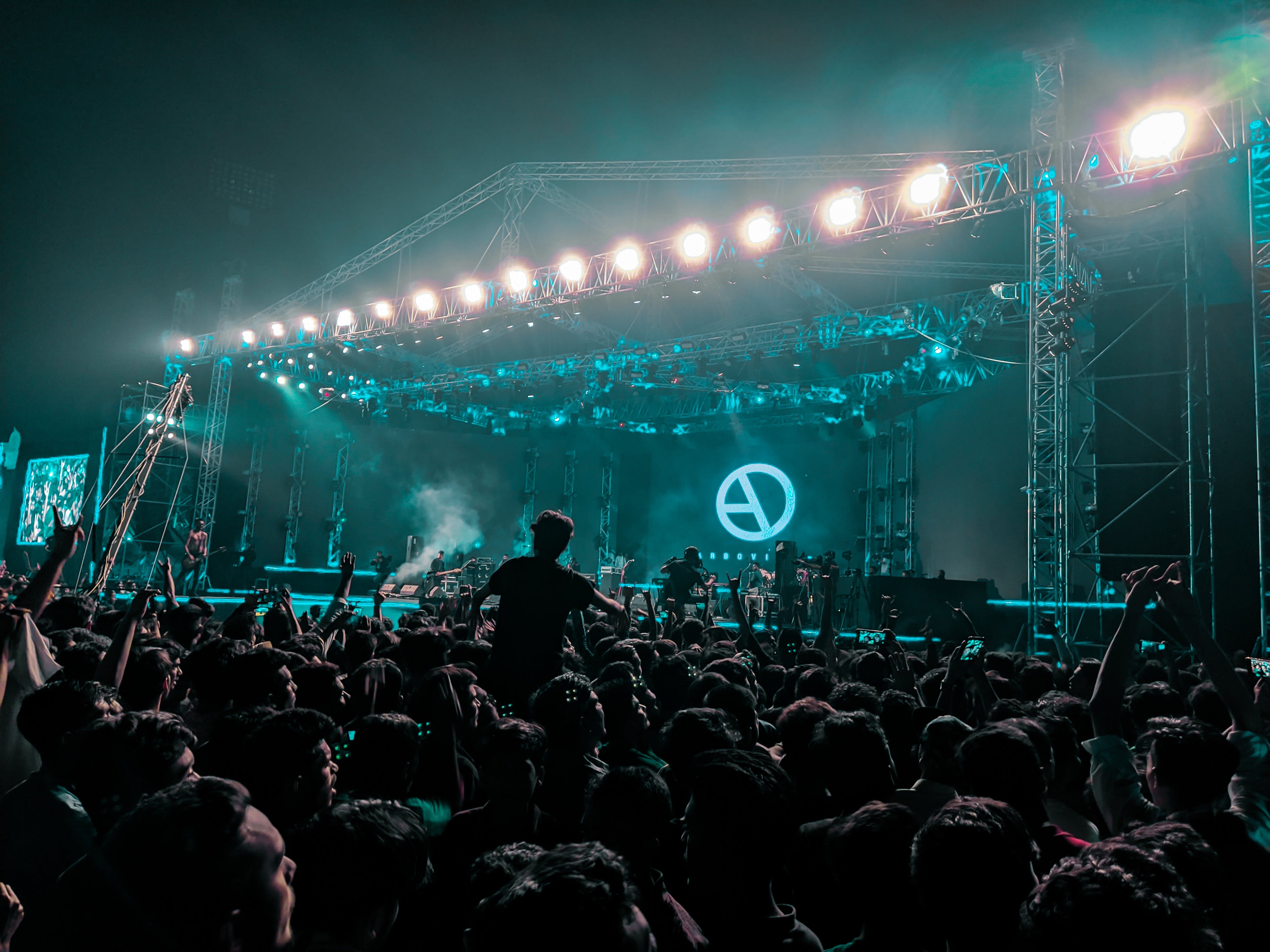
One of the most palpable impacts of COVID-19 on the entertainment industry was the widespread production halts and delays. As lockdowns and social distancing measures were implemented globally, film and television productions faced unprecedented interruptions. Major studios had to hit the pause button, leading to a domino effect of delays that impacted release schedules and project timelines.
High-profile movies like No Time to Die and Black Widow saw their release dates pushed back multiple times, causing a ripple effect across the industry. Television productions were similarly affected, with shows like Stranger Things and Grey's Anatomy experiencing significant delays in their filming schedules.
These halts not only affected the studios and production companies but also had a profound impact on the livelihoods of countless professionals working behind the scenes. Crew members, set designers, costume makers, and many others found themselves out of work or facing uncertain futures. The situation underscored the interconnected nature of the industry, where a delay in one part of the process can have far-reaching consequences.
In response to these challenges, the industry began to explore innovative solutions to resume production safely. Health and safety protocols were established, including regular testing, quarantine measures, and the use of 'bubble' environments to minimize the risk of COVID-19 transmission. These measures allowed some projects to move forward, albeit at a slower pace and with increased costs.
The long-term impact of these production halts and delays is still unfolding, but one thing is clear: the pandemic has forced the entertainment industry to rethink and adapt its production processes to ensure resilience in the face of future disruptions.
Shift to Digital and Streaming Platforms
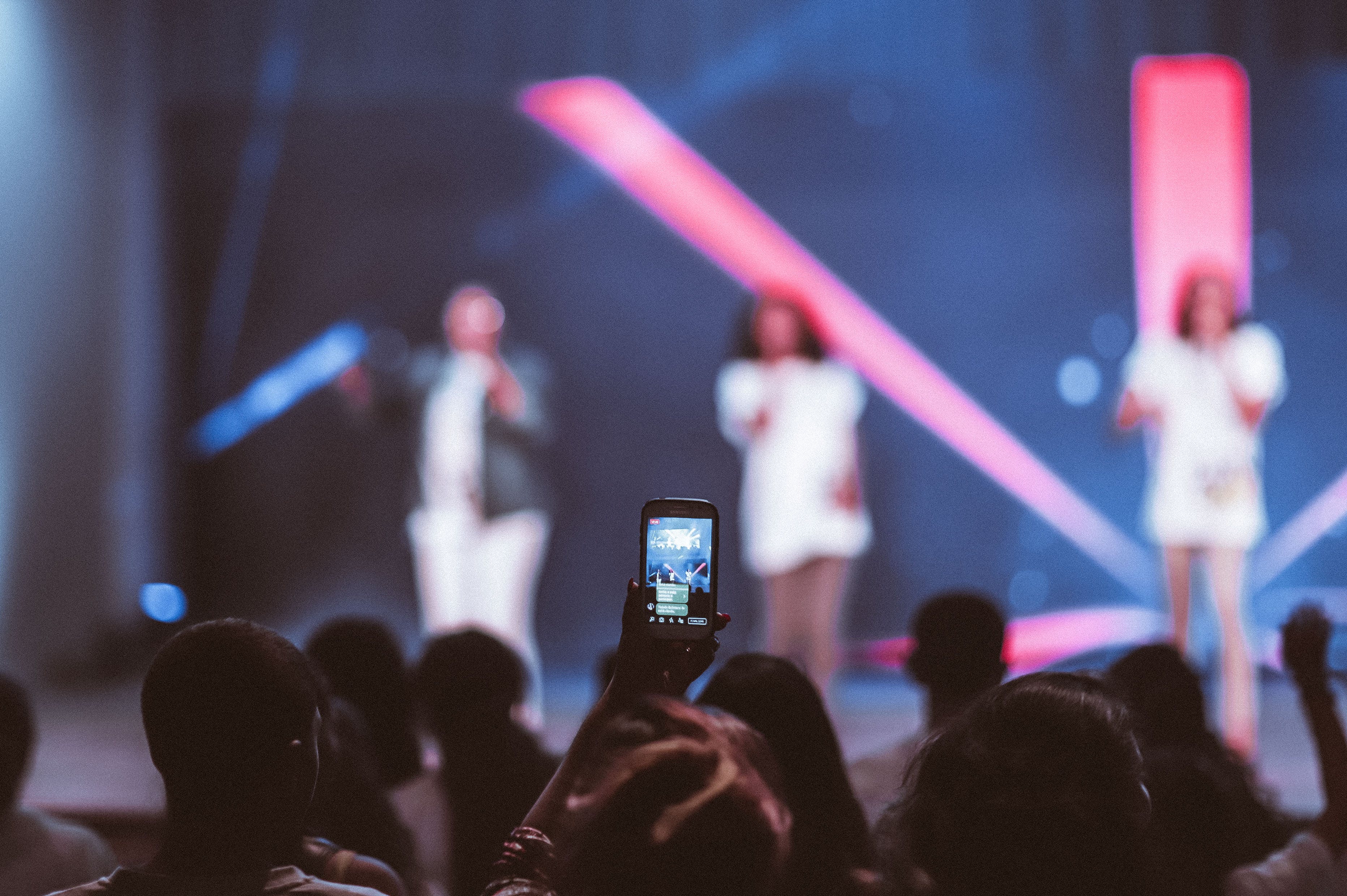
The pandemic catalyzed a significant shift to digital and streaming platforms, fundamentally altering how audiences consume media. With theaters closed and traditional in-person entertainment options limited, streaming services like Netflix, Disney+, and Amazon Prime Video saw a surge in subscriptions. This shift was not merely a temporary response but indicative of a broader trend that has reshaped the entertainment landscape.
One of the most notable changes was the acceleration of direct-to-digital releases. Films that were originally slated for theatrical release pivoted to streaming platforms. For instance, Disney's Mulan and Warner Bros.' Wonder Woman 1984 premiered directly on their respective streaming services, bypassing traditional cinema channels. This move highlighted the increasing importance of digital platforms in reaching audiences who were confined to their homes.
Moreover, the rise in streaming was accompanied by an explosion in the creation of digital content. With production companies looking to fill the content void, there was a noticeable increase in the commissioning of new series, films, and documentaries. Platforms began to invest heavily in original programming to attract and retain subscribers, leading to a golden age of content variety and innovation.
This shift also influenced the economics of the industry. Revenue models had to adapt, with a greater emphasis on subscription and advertisement-based models rather than traditional box office sales. The success of streaming platforms during the pandemic has prompted studios to reconsider their distribution strategies, potentially leading to a more hybrid approach that balances theatrical releases with digital premieres.
As the entertainment industry continues to evolve in the wake of COVID-19, the shift to digital and streaming platforms is likely to remain a dominant force, shaping how content is produced, distributed, and consumed in the years to come.
Financial Impact on the Industry
The COVID-19 pandemic dealt a substantial financial blow to the entertainment industry, disrupting revenue streams and forcing companies to re-evaluate their business models. The closure of cinemas, theaters, and live event venues had an immediate and severe impact on box office revenues and ticket sales. According to the Motion Picture Association, global box office revenues plummeted by over 70% in 2020, a stark contrast to the steady growth seen in previous years.
Production delays and shutdowns exacerbated the financial strain. Film and TV projects that were in the middle of production had to halt, leading to costly delays. Studios faced increased expenses due to the implementation of new health and safety protocols once production resumed. These added costs, coupled with the revenue loss, created an unprecedented financial challenge for many companies.
Live entertainment sectors, including concerts, theater productions, and sports, were equally affected. With large gatherings prohibited, venues remained empty, resulting in significant revenue losses. Artists and performers faced cancellations and postponements, impacting their livelihoods. The ripple effect extended to related industries such as catering, event planning, and tourism, further highlighting the interconnected nature of the entertainment ecosystem.
However, the pandemic also spurred innovation as companies sought alternative revenue sources. Virtual events and online concerts emerged as new formats, providing artists a way to connect with audiences and generate income. Additionally, the surge in demand for streaming services led to record profits for companies like Netflix and Disney+, offsetting some of the losses from traditional revenue streams.
The financial impact of COVID-19 on the entertainment industry underscores the sector's vulnerability to global crises. While the shift to digital platforms has provided some relief, the industry continues to navigate the complex financial landscape brought about by the pandemic. As the world gradually recovers, the lessons learned during this period will likely influence financial strategies and business models moving forward.
Changes in Content Consumption
The COVID-19 pandemic fundamentally altered the way audiences consume content, leading to significant shifts in viewing habits and preferences. With lockdowns and social distancing measures in place, people turned to digital platforms in unprecedented numbers. Streaming services like Netflix, Disney+, and Hulu experienced a surge in subscriptions as home entertainment became the primary source of leisure.
This shift was not just about quantity but also about the type of content that gained popularity. Viewers gravitated towards comfort viewing, seeking out nostalgic shows and movies that provided a sense of familiarity and escapism. Additionally, there was a noticeable increase in the consumption of international content, as audiences explored diverse offerings from around the world. This globalization of viewing habits has opened up new opportunities for content creators and distributors.
Another significant change was the rise of short-form content. Platforms like TikTok and Instagram Reels saw explosive growth, with users spending more time on these apps creating and consuming bite-sized videos. This trend highlighted a preference for easily digestible content that can be enjoyed in shorter time frames, catering to the reduced attention spans of a digital-first audience.
The way content was delivered also evolved. The traditional theatrical release model was disrupted, with many studios opting for direct-to-streaming releases. This was exemplified by major films like "Trolls World Tour" and "Mulan", which bypassed theaters and premiered on digital platforms. This shift accelerated the already growing trend towards on-demand viewing, giving audiences greater control over what, when, and how they watch.
Interactive and immersive content also gained traction, with virtual reality (VR) and augmented reality (AR) experiences offering unique ways to engage with entertainment. From virtual concerts to VR games, these technologies provided a much-needed escape from the confines of home, allowing users to immerse themselves in alternative realities.
The changes in content consumption patterns during the pandemic are likely to have a lasting impact on the entertainment industry. As audiences become accustomed to the convenience and variety of digital platforms, content creators and distributors will need to continue innovating to meet evolving expectations. This period of transformation, driven by necessity, has ultimately expanded the horizons of how we engage with entertainment.
Long-term Effects and Recovery

As the entertainment industry begins to recover from the unprecedented challenges posed by the COVID-19 pandemic, it is clear that the long-term effects will be far-reaching. One of the most significant changes is the accelerated adoption of digital technologies. The shift to streaming and on-demand viewing has become a permanent fixture, with traditional media companies investing heavily in their digital platforms to compete with established players like Netflix and Amazon Prime.
Moreover, the pandemic has highlighted the importance of flexibility and adaptability in production processes. Studios have had to implement stringent health and safety protocols, which has led to innovations in remote production and virtual collaboration. These new methods are likely to remain in place, allowing for more efficient and cost-effective production workflows in the future.
The financial impact on the industry has been profound, with many smaller production companies and independent theaters struggling to survive. However, this has also led to a wave of creativity and collaboration, as filmmakers and artists have sought new ways to connect with audiences. Crowdfunding platforms and online festivals have provided alternative avenues for financing and showcasing independent projects, democratizing the industry to some extent.
Another long-term effect is the increased emphasis on mental health and well-being. The pandemic has brought attention to the pressures faced by those working in the entertainment industry, leading to more conversations about support systems and resources. As the industry rebuilds, there is a growing recognition of the need to prioritize the mental health of its workforce.
Lastly, audience expectations have evolved. Viewers now demand a more inclusive and diverse range of content, reflecting the global nature of the digital landscape. This has prompted studios to invest in stories that represent different cultures, experiences, and perspectives, enriching the entertainment ecosystem.
The road to recovery will be long and complex, but the entertainment industry has shown remarkable resilience and innovation. The lessons learned during this period will shape its future, making it more dynamic and adaptable than ever before. Visit our website to learn more and get started today! Click here.